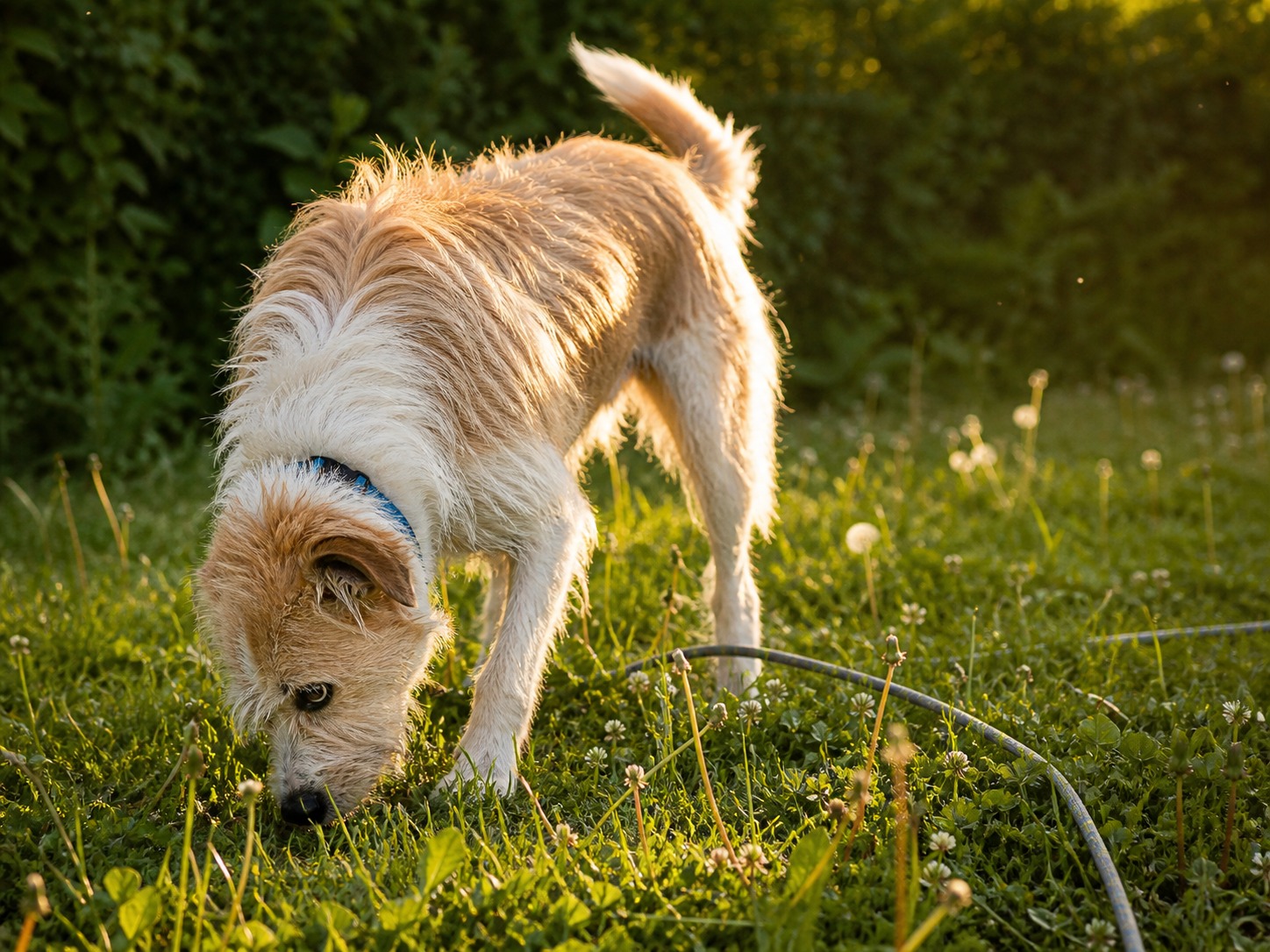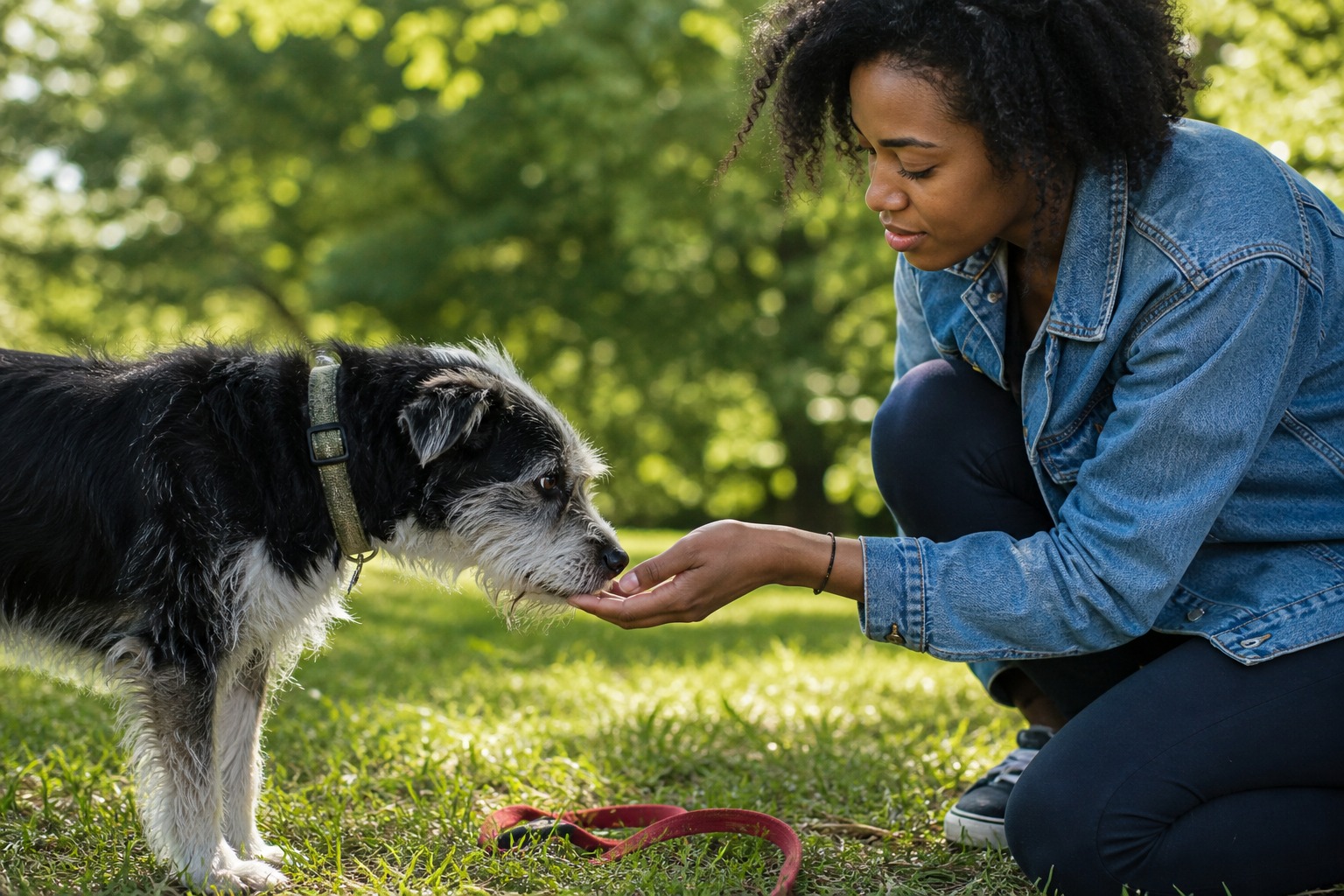
Most new adopters think the first assignment is teaching their dog to sit. It isn’t. The first assignment is convincing a frightened animal that your home is safe, that you are predictable, and that nothing bad happens when you reach for the leash. Skills come later, and they come easily once that foundation is in place. Skip it, and even a food-motivated dog will struggle to learn, because a scared brain is not a learning brain.
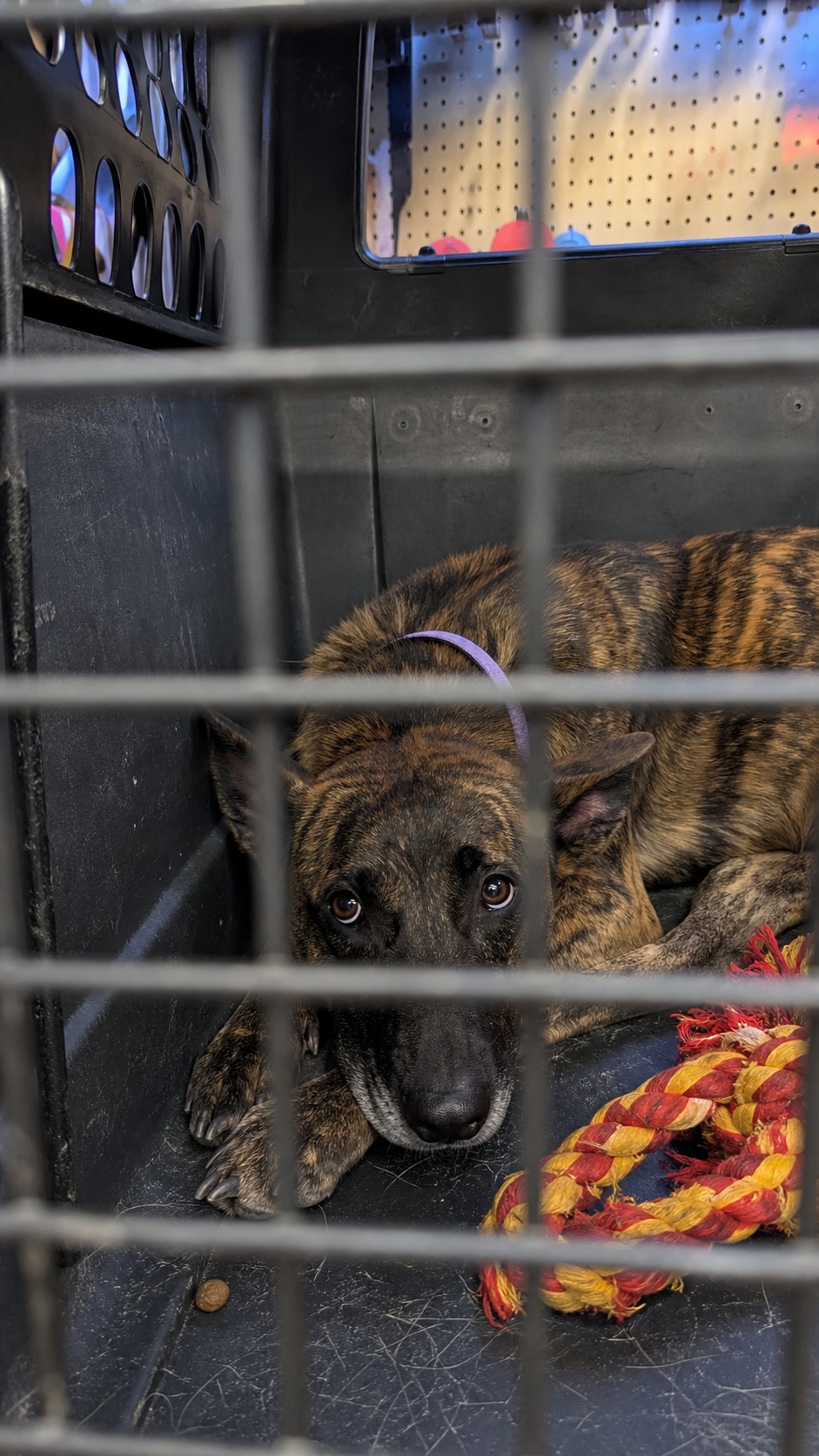
That reframe changes almost everything about the early weeks. A rescue dog who hides, flinches, refuses food, or flattens to the sidewalk when a truck rumbles past is not testing you or being stubborn. They are decompressing, unpacking a history you will never fully know, and taking your measure. Your job in that window is not obedience. It’s to become boring, kind, and reliable.
Give them time before you give them rules
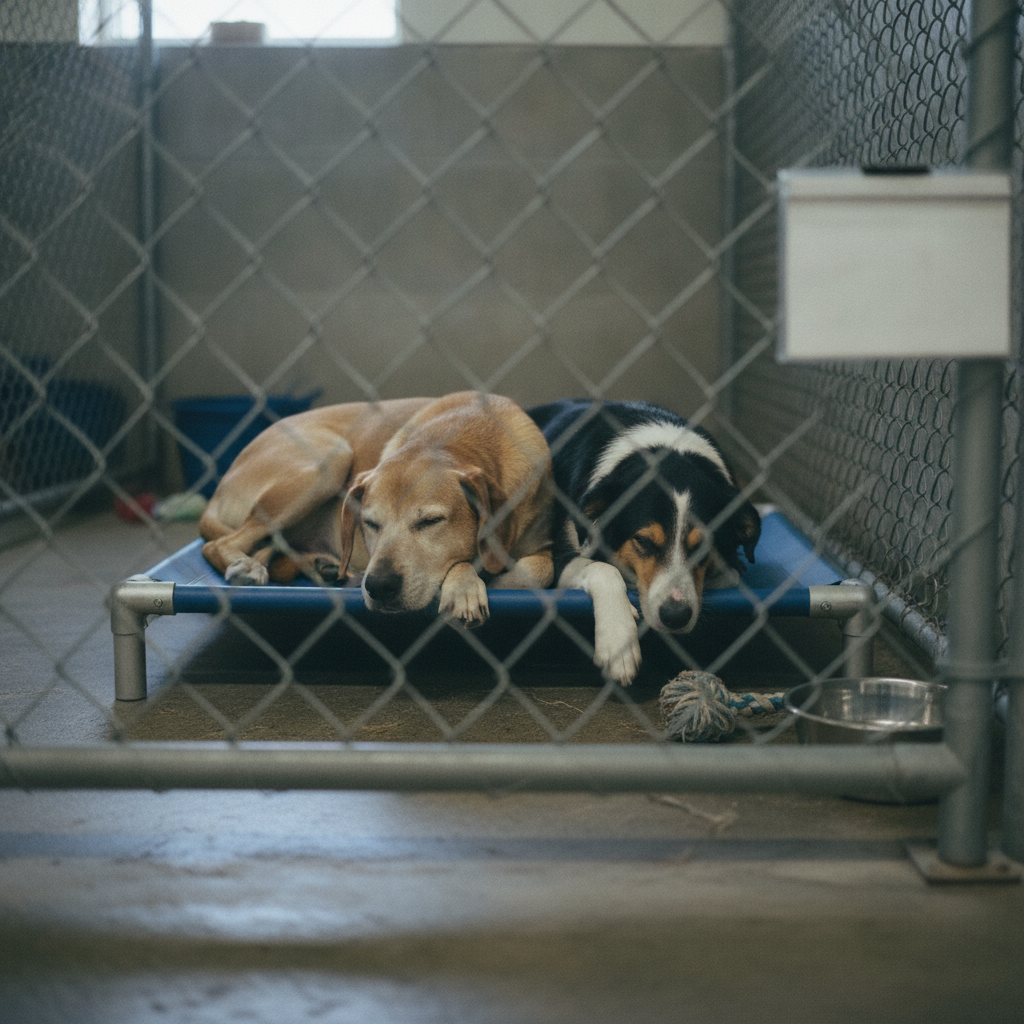
There’s a rule of thumb that circulates through shelters and foster networks, often called the 3-3-3 rule. The shorthand: roughly three days for a new dog to come down from the overwhelm of a total life change, about three weeks to start relaxing into a routine and showing you who they actually are, and around three months to feel like your home is their home. Plenty of dogs move faster or slower, and that’s normal. The value of the framework is that it lowers the pressure. You are not behind if your dog is still wary at week two.
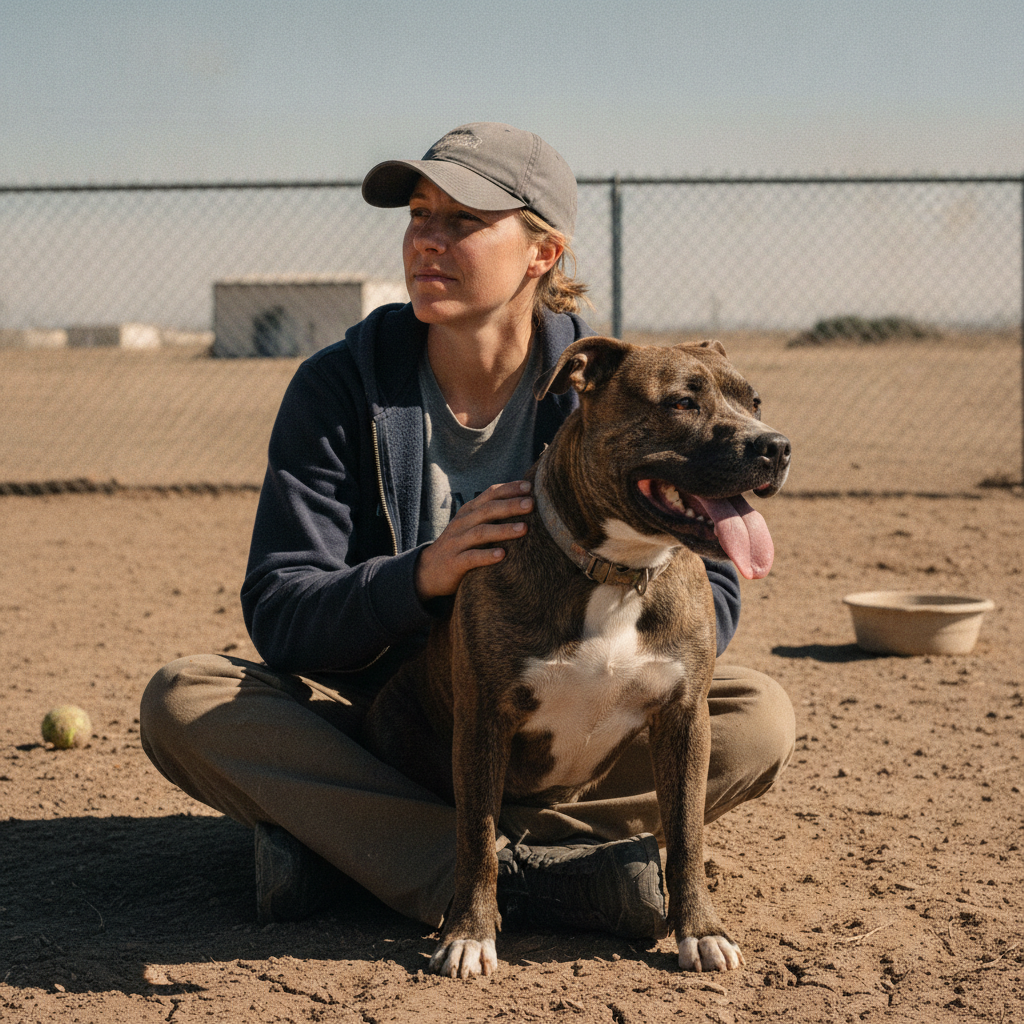
During that stretch, keep the world small. A quiet corner that’s just theirs, short and calm outings, and a lot of unremarkable togetherness will do more than any training drill. A dog who feels safe starts offering you attention on their own, and attention is the raw material every cue is built from.
People adopt a dog and immediately want to see the well-behaved companion they pictured, so they start drilling commands on day two. I tell them to do almost the opposite: be dull and dependable for a couple of weeks. The trust you build while doing nothing impressive is what makes the actual training take.
Housetraining starts the hour you walk in the door
Potty training doesn’t wait for your dog to settle. Have your plan and your crate ready before pickup, because the habits you set in the first days are the ones that stick. Two tools do the heavy lifting: a consistent schedule and a crate.
Take your dog out on a timer, as often as every 15 minutes at first, and to the same spot right outside your door every time. Reward the instant they finish, while they’re still outside, so the reward clearly attaches to the act. Resist the urge to turn every potty trip into a walk. If your dog learns that peeing ends the fun outing, they’ll learn to hold it and hunt for the perfect spot, which is the opposite of what you want early on. Add a trip after every wake-up, meal, and play session, and you’ll head off most accidents before they happen.
The crate is the other half of the system. Most dogs won’t soil the cozy space where they sleep, so a properly introduced crate becomes both a safe den and a housetraining ally. When you can’t watch your dog, that’s where they go, and the moment you let them out, they go straight outside. The how-to box above walks through introducing it without turning it into a punishment.
The four skills worth teaching first
Once your dog is eating well, sleeping soundly, and following you around by choice, you can layer in cues. Resist the temptation to teach twenty things. A short, high-value list carries a rescue dog remarkably far, and most of it is really about impulse control and safety.
Sit is the gateway. It’s simple to teach, it redirects a bouncy dog’s focus back to you, and it becomes your default ask when a dog wants to jump, bolt, or crowd a guest. Almost every other behavior builds on it.
Stay is pure impulse control, and impulse control is what keeps a dog alive. A dog who can wait, even for a beat, is a dog who doesn’t shoot through an open front door or lunge into traffic when you cross the street.
Drop it can be lifesaving in the most literal sense. Beyond making fetch work, it’s how you get a chicken bone, a chewed sock, or something toxic out of your dog’s mouth before they swallow it.
Recall is the fourth, and it’s worth teaching in two flavors. One is everyday: your dog hears their name and looks to you or trots over. The other is an emergency recall, trained with a distinct word you almost never use, delivered in a low, urgent tone that means come now, no questions. Pick something you’d never say by accident, and treat it as the cue you hope you never need, the one for the moment your dog spots a deer and heads for the road.
Set a routine, then hold the line kindly
Dogs settle into predictability the same way people do. When meals, walks, rest, and play happen at roughly the same times, and when the household rules stay consistent, a nervous dog can finally exhale. Boundaries are part of that comfort, not a contradiction of it. Deciding that your dog waits at thresholds until released, or stays off the bed unless invited, gives them a clear picture of what works. Teach those boundaries by rewarding the behavior you want before the unwanted version has a chance to take root, and you prevent problems instead of correcting them.
When to bring in a pro
A good positive-reinforcement class is worth the money, and not mainly for the dog. It teaches you the mechanics that make or break training at home: how to time a reward so your dog understands exactly what earned it, how to fade treats so your praise and presence become the payoff, and how to troubleshoot the specific dog in front of you. You get a week to practice each skill and a knowledgeable person to answer the questions that come up in your kitchen, not a textbook.
Some situations warrant more than a group class. If your dog shows real fear aggression, panics to the point of hurting themselves, or shuts down so completely that basic daily life stalls, loop in a certified trainer who uses reward-based methods, and talk to your veterinarian. Fear that severe sometimes has a medical or pharmacological piece, and there’s no prize for white-knuckling it alone.
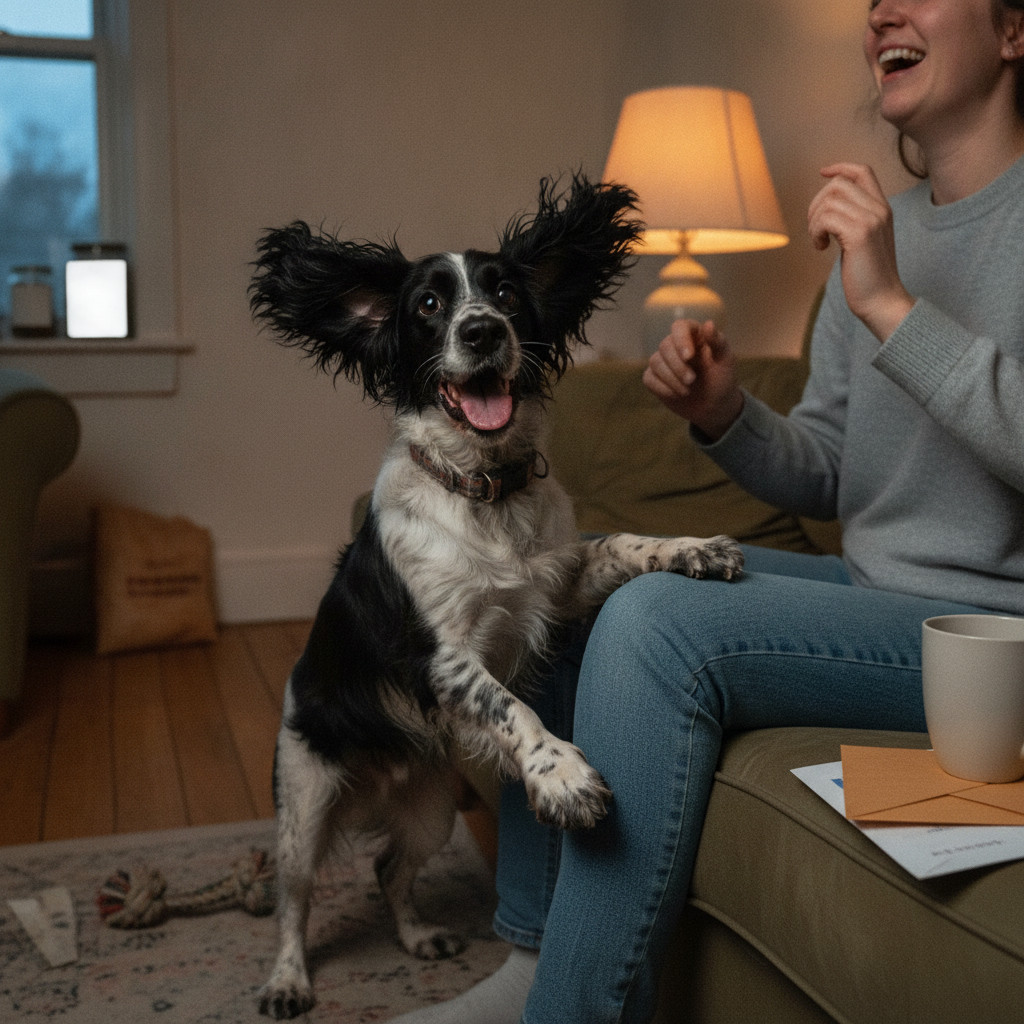
Training a dog with an unknown past can be harder than raising one from a breeder’s litter, and it is also one of the more rewarding things you’ll do. Move at your dog’s pace, protect their sense of safety, and let the cues come when they’re ready. You are not just building a well-mannered companion. You are, quite possibly, the reason this particular dog got a second chapter at all.
References
- d’Angelo, Danila, et al. “The Potential Impact of a Dog Training Program on the Animal Adoptions in an Italian Shelter.” Animals, vol. 12, no. 14, 2022, p. 1759. https://doi.org/10.3390/ani12141759
- Ohio State University Indoor Pet Initiative. “Crate Training.” https://indoorpet.osu.edu/dogs/puppy/crate-training
- Virginia-Maryland College of Veterinary Medicine. “5 Tips for Successful Dog Training.” https://vetmed.vt.edu/news/2023/dog-training-tips.html
- Texas A&M School of Veterinary Medicine, VMBS News. “Training Tips for Dogs.” https://vetmed.tamu.edu/news/pet-talk/training-tips-for-dogs/
Common questions
How long before my rescue dog settles in?
Many shelters describe a rough '3-3-3' pattern: about three days to stop being overwhelmed, three weeks to start showing their real personality, and three months to feel genuinely at home. It's a guideline, not a promise, but it helps set expectations.
Should I start obedience training right away?
Not on day one. For the first stretch, focus on safety, a predictable routine, and trust. Formal cues like sit, stay, and recall land much better once your dog feels secure.
What if my dog freezes and won't move on walks?
Freezing ('pancaking') is a fear response, not stubbornness. Keep early walks short and low-stimulation, let your dog set the pace, and pair scary things with treats so the world starts to feel safer.