


The Only Part of TNR People Fight About Is the Part That Works
Trapping is fine. Neutering is fine. It's the R that sets off the neighborhood group chat. Here's why putting the cat back is the whole point, and the data behind it.

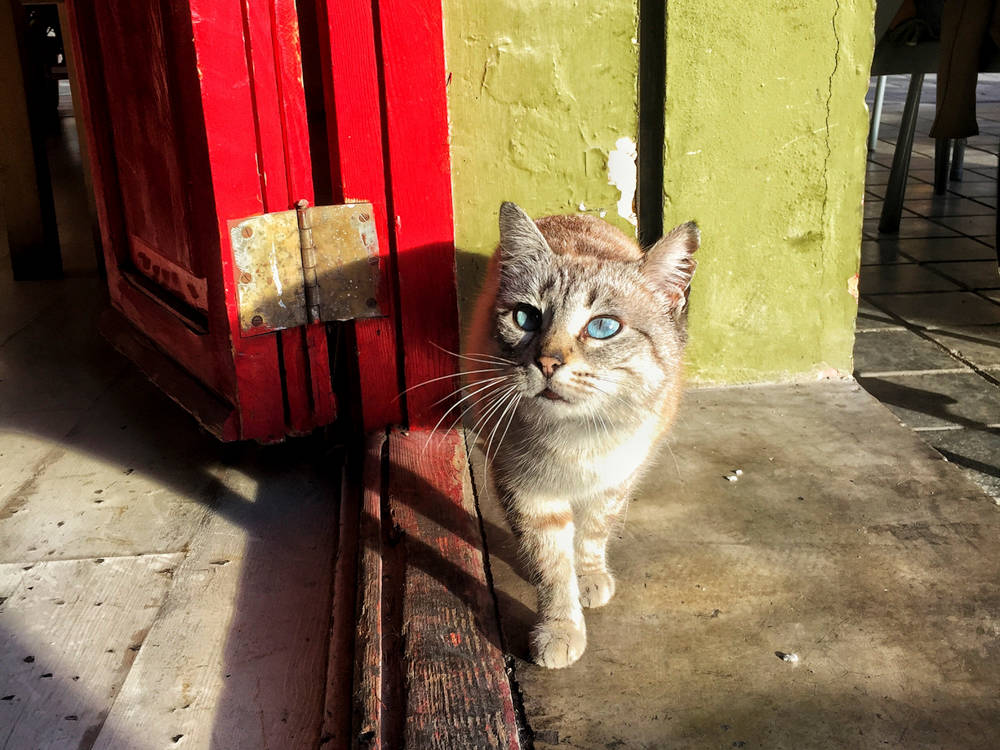
Nobody argues with the first two letters. Trap a cat, and people nod. Neuter the cat, and people nod harder. Then you carry the carrier back to the alley you found her in, open the door, and let her walk out, and someone on the block wants to know what on earth you think you are doing.
That reaction is the whole reason TNR needs explaining. Trap-Neuter-Return is three steps, but only one of them is controversial, and it happens to be the one that makes the other two matter. Take the return out and you are left with catch-and-remove, which is what we did for a century, and which never once emptied an alley.
There are an estimated 30 to 40 million free-roaming cats in the United States. Three to four million of them land in animal shelters, most heavily during spring kitten season, and only a fraction get adopted. We are not going to rescue our way out of that. Some of those cats do not need rescuing in the first place.
Why removing cats refills the block
Cats are territorial. A colony sits on a place because that place has food, shelter, and cover. Pull the resident cats out and the resources stay exactly where they were. New cats move in, and unspayed newcomers breed. A female can have up to five litters a year, up to 12 kittens at a time. You have not solved anything. You have opened a vacancy.
Sterilize the residents and return them, and the same territorial instinct now works for you. The colony holds its ground, keeps newcomers out, and stops producing kittens. Numbers fall by attrition instead of by removal, and they stay fallen. Coverage is what determines whether this happens quickly or barely at all: targeted TNR that reaches 75 percent or more of the cats in an area drives a steep decline over time. Sterilizing a scattered handful across a wide area mostly just makes you tired.
“People hear ‘return’ and picture abandonment, and it is the exact opposite,” says Dr. Nina Kohl. “You are putting a vaccinated, sterilized, examined cat back into the one territory she already knows how to survive in, with a caretaker who is going to keep watching her.”
The trap: the part that is an actual skill
Trapping means humanely catching outdoor cats and kittens so they can get to a clinic for surgery, vaccines, and an exam. A few community cats are friendly enough to lift into a carrier. Most are not, and a trap is the safest option for everyone.
Use only live traps, the kind that catch an animal unharmed. The basic mechanics are simple: bait sits at the back, the door is propped open, and the cat steps on a trigger plate that closes the door behind her. Everything else is craft. Drape a towel over the trap while you set it so the cat cannot see you looming, and leave it covered once she is caught, because a cat who cannot see the world coming at her calms down fast.
Do not improvise this from scratch. Local TNR groups teach classes, most shelters loan traps, and the volunteers who have been doing it for years know which corner of which parking lot works at which hour.
The neuter: also a vet visit
Spay/neuter is the point, but the surgery day is when a community cat gets the only veterinary care she may ever get. Kittens over two pounds can be sterilized, with the vet confirming they are healthy enough for anesthesia.
While the cat is under, the veterinarian does a full exam and treats injuries that need handling before release. She gets vaccinated against feline viruses and rabies, which is why some programs call it TNVR, adding the V to keep the public-health benefit visible. And a small piece of her left ear is tipped, painlessly, under the same anesthesia. That notch is the permanent, visible receipt: this cat is done, do not trap her again.
The return: the argument, answered
Three objections come up every time, in the same order.
“Why not take her to the shelter for adoption?” Because many community cats already have people. Caretakers feed them, watch them, and in every practical sense own or co-own them. A TNR program without neighborhood outreach ends up quietly removing somebody’s cat. Those same caretakers are the ones who will notice when a cat gets thin or starts limping three years from now.
“Isn’t outside dangerous?” Less dangerous, for these particular cats, than the alternative. Cats born outside generally do not convert into house cats. A shelter run or a stranger’s living room is a sustained stress event for them, and stress suppresses the immune system, gets them sick, and pushes them toward euthanasia. The exception is age: kittens under about 12 weeks can still be socialized, and a foster home can do that work. If a feral mom is trapped with nursing kittens, she may stay indoors until they are weaned, and then she goes home.
“Doesn’t this just leave cats out there forever?” It leaves these cats out there, and no others. That is the trade.
What the long-run numbers actually show
This is the part the debate usually skips, because the payoff takes years and nobody publishes an alley.
A colony of 175 community cats that was tracked through a sustained TNR program from 2004 to 2020 fell by 99.4 percent over those 16 years. On the University of Central Florida campus, a TNR program run continuously since the mid-1990s cut the free-roaming cat population by 85 percent between the 1996 census and 2019, even as the university’s enrollment grew sharply around it.
And it moves shelter numbers, which is what most cities actually care about. In a two-year study of high-intensity, geographically targeted TNR, an area where roughly 60 cats per 1,000 residents were neutered each year saw shelter intake from that zone drop 66 percent, against a 12 percent drop in the untargeted area nearby.
Read those three together and the pattern is the same one every time: concentrated, sustained, and returned. Not scattered, not brief, not removed.
What newer research adds
The newer work has mostly stopped asking whether TNR reduces cat numbers and started asking how fast, and under what conditions. The honest answer is that intensity is everything. A program that sterilizes most of the cats in one defined area, and keeps at it for years, gets the dramatic declines. A program that does a few cats here and a few cats there, and stops when the grant runs out, does not.
There is also a lot more counting than there used to be. Cities and researchers are building real estimates of how many outdoor cats exist and where, instead of guessing, which finally makes it possible to say whether a program worked rather than whether it felt good.
If you take one thing from that: pick a block, not a region. A neighborhood you can actually finish beats a county you cannot.
How to help without owning a trap
Ask your local shelter whether they run TNR, because most do, and most are short-handed. You can set traps, drive cats to and from the clinic, foster kittens who are young enough to be socialized, or fund the surgeries, which is the bottleneck more often than volunteers are.
A few groups worth following and supporting:
The cat you return today will not be replaced by a litter next spring. That is the entire promise, and it holds.
References
- Spehar, D.D., and Wolf, P.J. “An Examination of an Iconic Trap-Neuter-Return Program: The Newburyport, Massachusetts Case Study.” Animals, 2017. https://www.mdpi.com/2076-2615/7/11/81
- Levy, J.K., Isaza, N.M., and Scott, K.C. “Effect of high-impact targeted trap-neuter-return and adoption of community cats on cat intake to a shelter.” The Veterinary Journal, 2014. https://www.sciencedirect.com/science/article/pii/S1090023314001841
- Spehar, D.D., and Wolf, P.J. “Back to School: An Updated Evaluation of the Effectiveness of a Long-Term Trap-Neuter-Return Program on a University’s Free-Roaming Cat Population.” Animals, 2019. https://pmc.ncbi.nlm.nih.gov/articles/PMC6826864/
- Alley Cat Allies. “TNR Research Library.” https://www.alleycat.org/resources/trap-neuter-return-research-compendium/
Leila Torres leads our Living coverage, from home life and travel to the products and rescue stories that come with sharing a life with animals. She edits and writes across the section, with a soft spot for pieces about the bond between people and their pets.
Meet our experts ↗Keep reading
 LivingA $225 Spay Surgery in Brooklyn: Inside the Clinic Flatbush Cats Willed Into ExistenceNina Vasquez · 6 min
 LivingBrooklyn's Cat Cafe Flipped the Model: It's a Rescue Clinic With a Cafe AttachedSara Lim · 6 min
 LivingTrapping the Cats Was Never the Hard PartJames Okafor · 8 min
 LivingA Guy Who Mows Lawns for Free Accidentally Saved a Cat SanctuaryNina Vasquez · 4 min
 LivingYou Can't Adopt Your Way Out of a Cat Crisis. This Brooklyn Nonprofit Proved ItLeila Torres · 7 min
 LivingA San Diego Judge Redefined 'Abandonment' for Cats. Shelters Everywhere Are Watching.Marcus Webb · 6 min