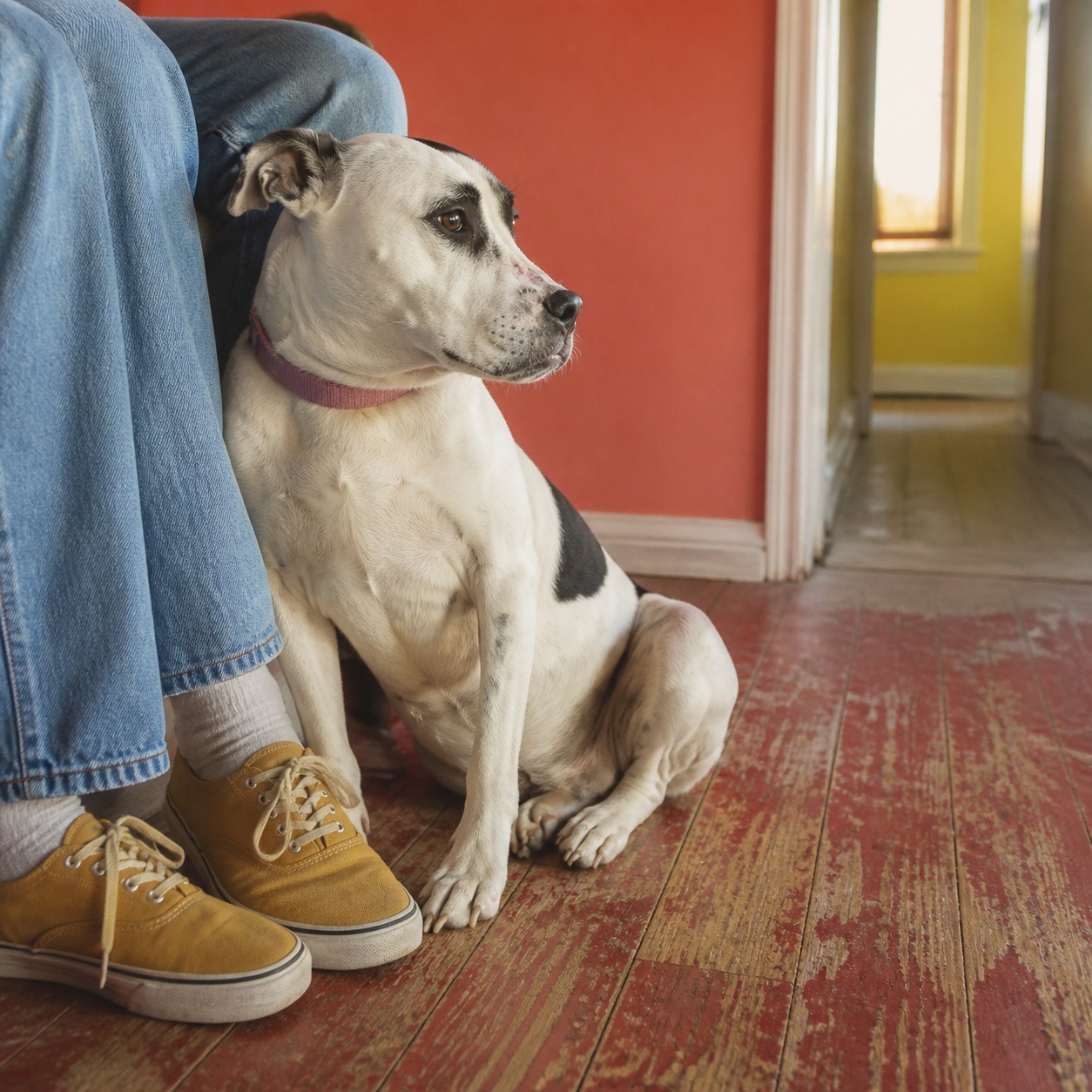

Therapy dogs quietly make the world softer. They turn up where people are frightened, grieving, bored, or in pain, and by doing almost nothing, sitting still and accepting affection, they change the room. Anyone who has done this work will tell you it’s among the most rewarding things you can do with a dog.
But there’s a lot of confusion baked into the phrase “therapy dog,” both about what these dogs do and about where they’re allowed to go. So before we get to the remarkable places they work, let’s be clear on what a therapy dog actually is: a well-trained, people-loving dog whose whole job is to offer comfort to others, staying calm while being petted and adored. That is a real commitment for the dog and the handler, and it isn’t for every dog. A pup who loves attention and can stay relaxed among new people in unfamiliar surroundings is a candidate. A pup who finds all that stressful is not, and that’s fine.
Hospitals and care facilities
The best-known settings are hospitals and long-term care homes, and plenty of them have run animal-visit programs for years. To a dog, though, they’re different jobs. In a hospital you tend to move room to room, visiting patients who’ve asked for a visit. In a nursing home you might hold court in a common area, greeting residents, though some send you door to door. Sessions usually run one to two hours, and that is a lot of meeting and greeting, expect your dog to come home genuinely tired.
Airports
In recent years, airports have leaned into therapy dogs to take the edge off travel. A missed flight, a long delay, or just a grinding travel day is a little more bearable when there’s a calm dog to crouch down and greet. It’s low-stakes, high-reward work, and travelers love it.
Schools
Schools bring in therapy dogs to support kids’ social and emotional learning, and the results show up in attendance, problem-solving, and lower stress. One of the most beloved uses is reading programs, where children read aloud to a patient, non-judgmental dog. Kids who are anxious about reading in front of peers relax with a dog as their audience, and reading skills have been shown to improve meaningfully.
Courtrooms
Therapy and facility dogs are increasingly showing up in courtrooms. Young witnesses are often terrified to testify, and a calm dog’s presence can ease that fear enough for a child to speak. Organizations like the Courthouse Dogs Foundation have helped establish how and why these dogs support vulnerable witnesses in the justice system.
After a tragedy
Therapy and comfort dogs are also brought in after the worst days: natural disasters, mass-casualty events, school shootings. In the aftermath, a dog’s presence can reach people, especially children, in a way that words can’t. When trauma is caused by another human, an animal that approaches gently and without judgment can help a child feel less alone and begin to feel safe again. Handlers who do this work describe watching visibly shut-down kids soften in a dog’s company.
Safe houses and domestic-violence support
One of the most moving settings is a safe house for survivors of domestic violence. In group sessions with children, a gentle dog can be both comfort and teacher, many of these kids have never touched or been greeted by a dog before. A calm dog becomes a way to talk about feelings and safe behavior: how a dog that’s upset might growl or walk away rather than lash out. Handler and kids learn together, and the sessions can be deeply emotional.
“People assume a therapy dog is ‘just being cute,’ but the calm they create is doing real work,” says Sasha Ford. “A dog that can lie quietly next to a scared kid and simply accept a hug is a highly trained partner. The magic is that it doesn’t look like effort.”
What newer research adds
For a long time, the case for therapy dogs rested mostly on moving stories. The evidence has caught up. Studies now show that time with a friendly dog measurably lowers physiological stress, dropping cortisol, blood pressure, and heart rate, while lifting mood and engagement. In classrooms, children complete stressful tasks like reading aloud feeling calmer and more relaxed with a real dog present, and the social atmosphere of the whole room often improves, with behavioral extremes easing.
The courtroom findings are especially striking. A 2024 evaluation of a justice facility-dog program in a children’s court reported that kids and caregivers felt significantly less stressed and anxious about attending court after time with the dog. Earlier research on forensic interviews of children found positive effects on stress markers when a dog was present. This is no longer a nice idea, it’s a measurable intervention.
The rules people get wrong
Here’s the part that trips everyone up. A therapy dog is not a service dog. Service dogs are individually trained to perform tasks for a person with a disability and are protected under the Americans with Disabilities Act, with the right to accompany their handler into public places. Therapy dogs have no such general public-access rights, a therapy dog can’t come into a restaurant or hotel unless it’s there on an official visit.
And neither is the same as an emotional support animal. ESAs provide comfort to their own owners simply by being present, require no special training, and, like therapy dogs, have no general public-access rights. If you take up therapy work, know your dog’s actual rights, where you can go, and who you can work with, so you can represent the whole community well.
However and wherever you do it, the reward is real, and, fittingly, therapeutic for you too.
References
- Intermountain Therapy Animals. “Research and Results.” https://therapyanimals.org/research-and-results/
- Rock, S., & Gately, N. “Kids, courts and canines: Evaluating the Justice Facility Dog Program through a therapeutic lens in the Perth Children’s Court.” Journal of Criminology, 2024. https://journals.sagepub.com/doi/10.1177/26338076241252699
- Courthouse Dogs Foundation. “Scientific Research.” https://courthousedogs.org/getting-started/scientific-research/
- ADA National Network. “Service Animals and the ADA.” https://adata.org/factsheet/service-animals