Somewhere in a lot of two-person households runs a quiet, slightly bruised competition: which of us is the dog actually obsessed with? One person gets the room-to-room shadow and the door-watching vigil; the other gets a polite tail wag and second billing. It stings, especially if you’re the one doing most of the feeding.
Here’s the reframe that should make you feel better, though. A dog’s “favorite” isn’t a soulmate decision handed down at birth. It’s the running total of who reliably delivers the things a dog cares about: safety, food, predictability, and fun. That means the favorite is earned, and, crucially, it can change. If your dog is currently orbiting someone else, you are not locked out. You can move up.
First, let’s figure out where you stand.
8 signs you’re your dog’s favorite person
1. They lose their minds when you walk in. A dog who erupts, wags their whole body, and vocalizes with joy specifically when you enter is telling you something. The intensity of the greeting, above and beyond a normal hello, is one of the clearest tells.
2. They shadow you from room to room. Choosing to be near you, trailing you to the kitchen, resettling at your feet whenever you move, is one of the strongest signals of attachment. A favorite person is the one a dog keeps drifting back toward for no particular reason.
3. They come to you for comfort. When a dog wants reassurance, they go to their person. Leaning into you, nudging your hand, resting against your leg, bringing a toy over, or making soft eye contact are all bids for closeness aimed at their chosen human.
4. They get vulnerable around you. Rolling over for a belly rub, sleeping belly-up, and choosing to sleep touching you or right beside you are trust behaviors. A dog that exposes its softest parts near you is saying it feels completely safe.
5. They listen to you first. In a busy household, some dogs respond more readily to their favorite person, and a few show outright selective loyalty, tuning in to one human and mostly ignoring requests from everyone else.
6. They guard you. Sometimes attachment tips into possessiveness, where a dog works to fend off other people, or other pets, that get near their person. It’s a sign of a strong bond, but it’s also the version most likely to cause household friction and to need some training and boundaries.
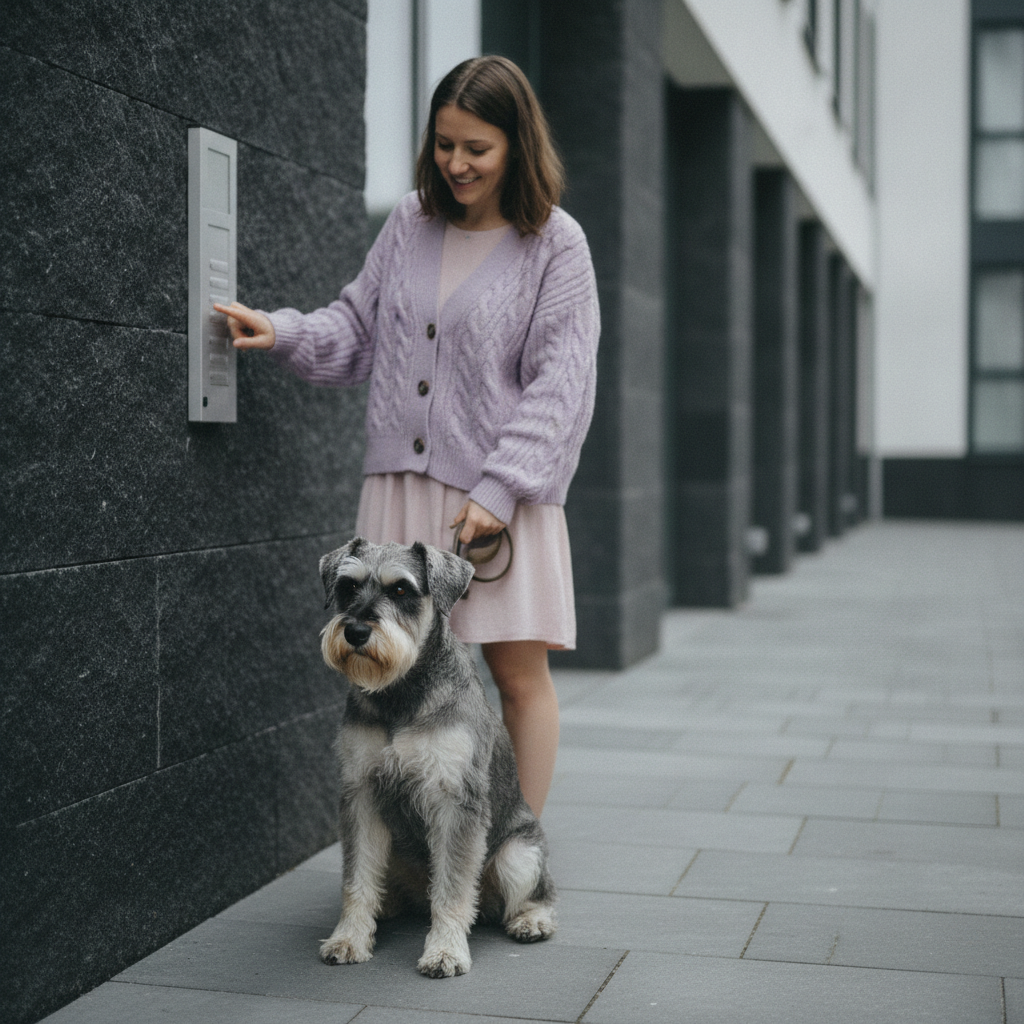
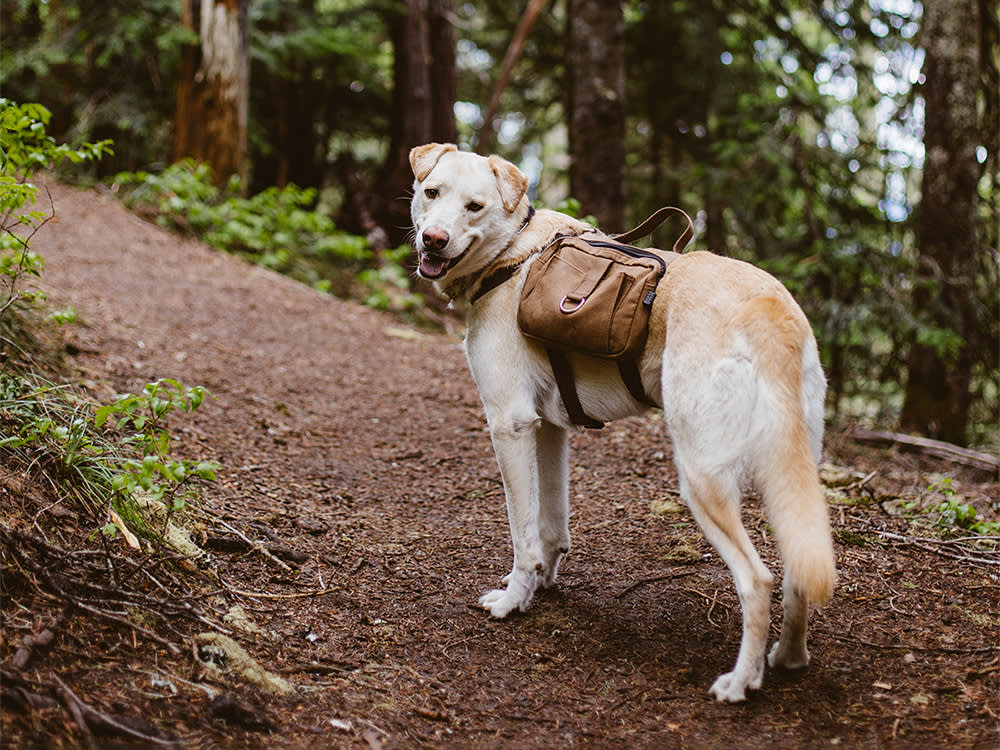
7. They check in with you outside. On a walk or at the park, a securely bonded dog keeps tabs on you, glancing back, orienting toward you, and returning to touch base between adventures. You’re their home base in an exciting, distracting world.
8. They fall apart a little when you leave. Mild distress at separation, whining or watching the door after you go, points to a strong attachment. (Keep an eye on the intensity here, though; we’ll get to when it’s too much.)
Why do dogs pick one person at all?
A few forces stack up to crown a favorite.
Early experience matters. The person who does the meaningful, formative interacting with a puppy or a newly adopted dog often becomes a lasting preference, even when everyone in the home is loving and involved. But that head start isn’t destiny, because consistency can build or rebuild a bond over time. Dogs gravitate toward whoever reliably meets their daily needs: the human who walks, feeds, trains, and plays with them. Routine and predictability breed trust, and trust deepens the relationship.
Personality plays a role too. Some dogs simply click with the human whose energy, rhythm, and communication style feel most readable to them. And a nervous, timid, or newly rescued dog usually forms its tightest bond with whoever makes it feel safest and best understood. Add those together, early imprinting, daily care, temperament fit, and a sense of safety, and you get a favorite.
“People treat their dog’s preference as a verdict on how lovable they are, and it just isn’t that,” says Dr. Mara Chen. “A dog’s favorite is mostly a behavioral tally of who’s predictable, who pays out in food and play, and who feels safe. Change what you deliver, and the tally changes. I’ve watched a dog’s whole allegiance shift in a few weeks.”
What the science says about the bond
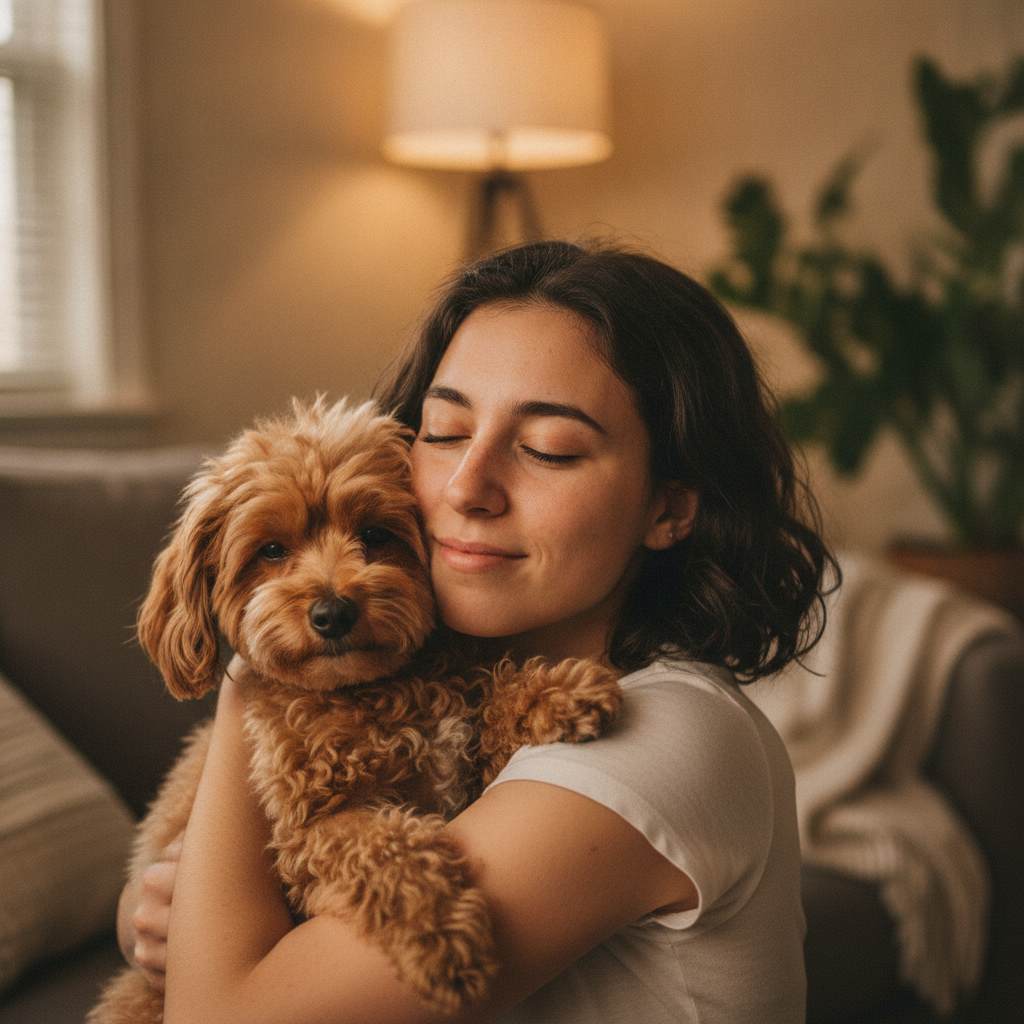
The favorite-person phenomenon isn’t just sentiment; researchers have watched the machinery of it. Work by Nagasawa and colleagues found that when dogs and their humans hold eye contact, both parties get a rise in oxytocin, the same bonding hormone that links human parents and infants. Longer mutual gazing correlated with bigger oxytocin bumps, creating a self-reinforcing loop: the dog looks at you, you both feel good, you interact more warmly, and the bond tightens. It’s a two-way feedback system, not a one-way case of a dog imprinting on whoever happened to be there first.
Behavioral scientists also describe dogs using a trusted person as a “secure base,” the way a child uses a parent, venturing out to explore and returning for reassurance when stressed. That’s exactly the check-in behavior in sign number seven. The favorite person, in research terms, is the safe harbor.
When devotion becomes a problem
Being adored is flattering right up until it isn’t. It helps to know the difference between two things that look similar.
Overattachment is the common, manageable version. These dogs shadow their person, whine a little at separation, and have trouble settling once their favorite leaves the room. It reads as clingy and inconvenient, but the dog can still manage on its own, if grudgingly, and keeps its emotional footing.
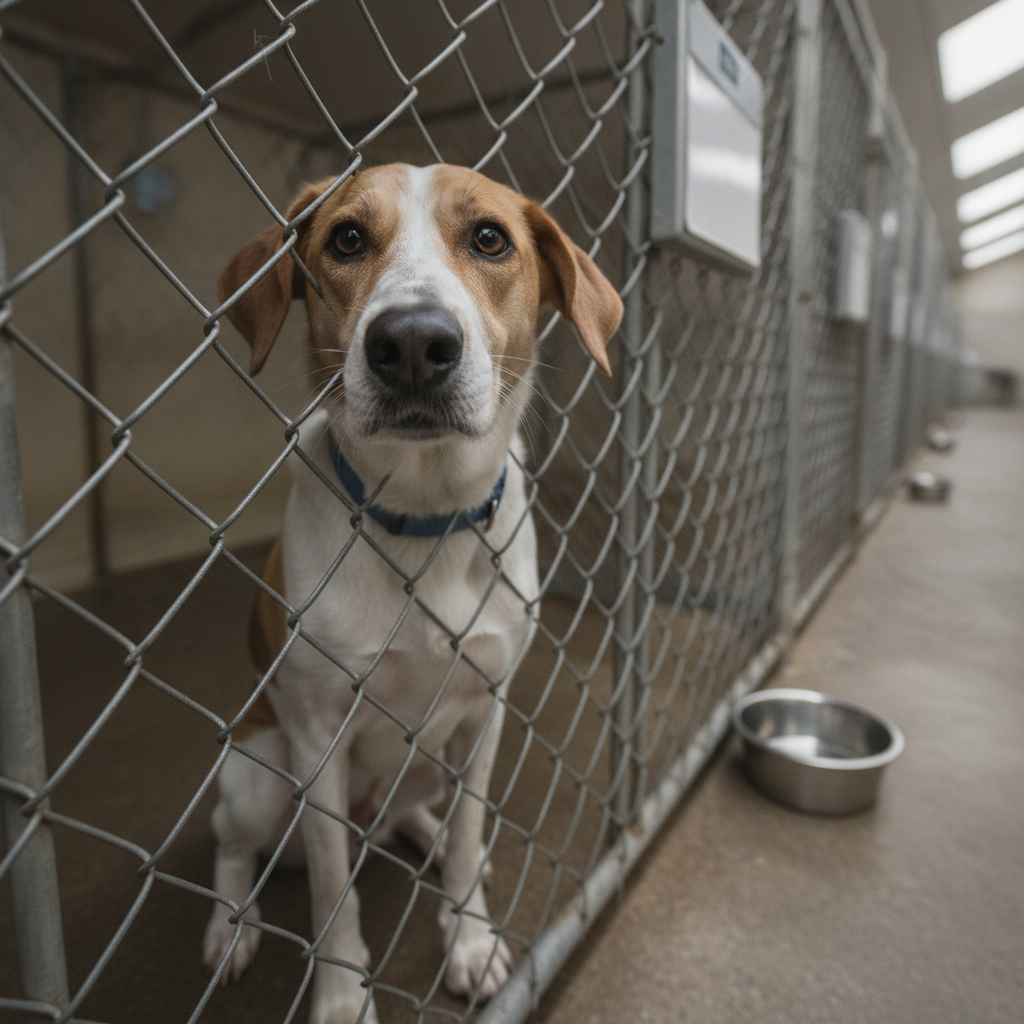
Hyperattachment is the serious one, and it’s closely tied to clinical separation anxiety. These dogs truly come apart the moment their chosen human is gone, with nonstop vocalizing, destruction, escape attempts, and an inability to rest or eat. That isn’t stubbornness or drama; it’s real distress, and it usually takes a structured desensitization plan and professional help to rebuild the dog’s sense of safety when their person isn’t right there.
If your dog’s whole sense of safety is welded to one human’s presence, that’s worth addressing before it strains the household.
How to build a strong bond that isn’t clingy
The goal is a secure dog, not a dependent one, and the key is teaching healthy independence alongside all the love.
Start early with crate or playpen training so a puppy or new dog learns to relax on their own. Practice short, tolerable stretches of alone time, gradually stepping out of sight so the dog learns that separations are normal and safe. Lean on a predictable rhythm, meals, walks, enrichment, and rest that happen on schedule, because a dog who knows what’s coming feels reassured by it. And deliberately balance affection with settling: plenty of play, training, and snuggles, paired with real chances to rest alone in a crate, pen, or calm corner. The well-adjusted dog is the one that feels secure whether you’re beside it or across town.
If you’re the runner-up, here’s how to climb
Feeling second-best to your partner? The fix is straightforward, because bonds are fluid and dogs attach hardest to whoever shows up for them.
- Do the daily care. Feeding, walking, grooming, and enrichment are relationship currency. Take some of it over.
- Train with rewards. Playful, reward-driven sessions build shared wins and clear signals between you, which dogs love.
- Be predictable and kind. Calm, consistent handling builds trust faster than grand gestures.
- Stack up good associations. Pair your presence with treats, play, and adventures so you become the reliable source of good things.
The theme is consistency. What earns a dog’s devotion is a person who keeps showing up in good ways, day after day.
The favorite can absolutely change
Take heart: a dog’s go-to human is not fixed for life. As life changes, so can the favorite. If your partner used to work from home and now commutes while you’re the one around for midday walks and treats, don’t be surprised when the dog quietly transfers its deepest loyalty to you. Whoever is currently delivering the most safety, structure, and fun tends to win.
And in the end, try not to keep score too closely. Whether or not you’re the undisputed center of your dog’s universe every minute of the day, you’re still one of the few humans they’ve chosen to love at all. That counts for a lot.
References
- Nagasawa, M., et al. “Oxytocin-gaze positive loop and the coevolution of human-dog bonds.” Science. Link
- Payne, E., Bennett, P.C., & McGreevy, P.D. “Current perspectives on attachment and bonding in the dog-human dyad.” Psychology Research and Behavior Management. Link
- Mariti, C., et al. “The assessment of dog attachment to humans and the secure base effect.” Journal of Veterinary Behavior. Link