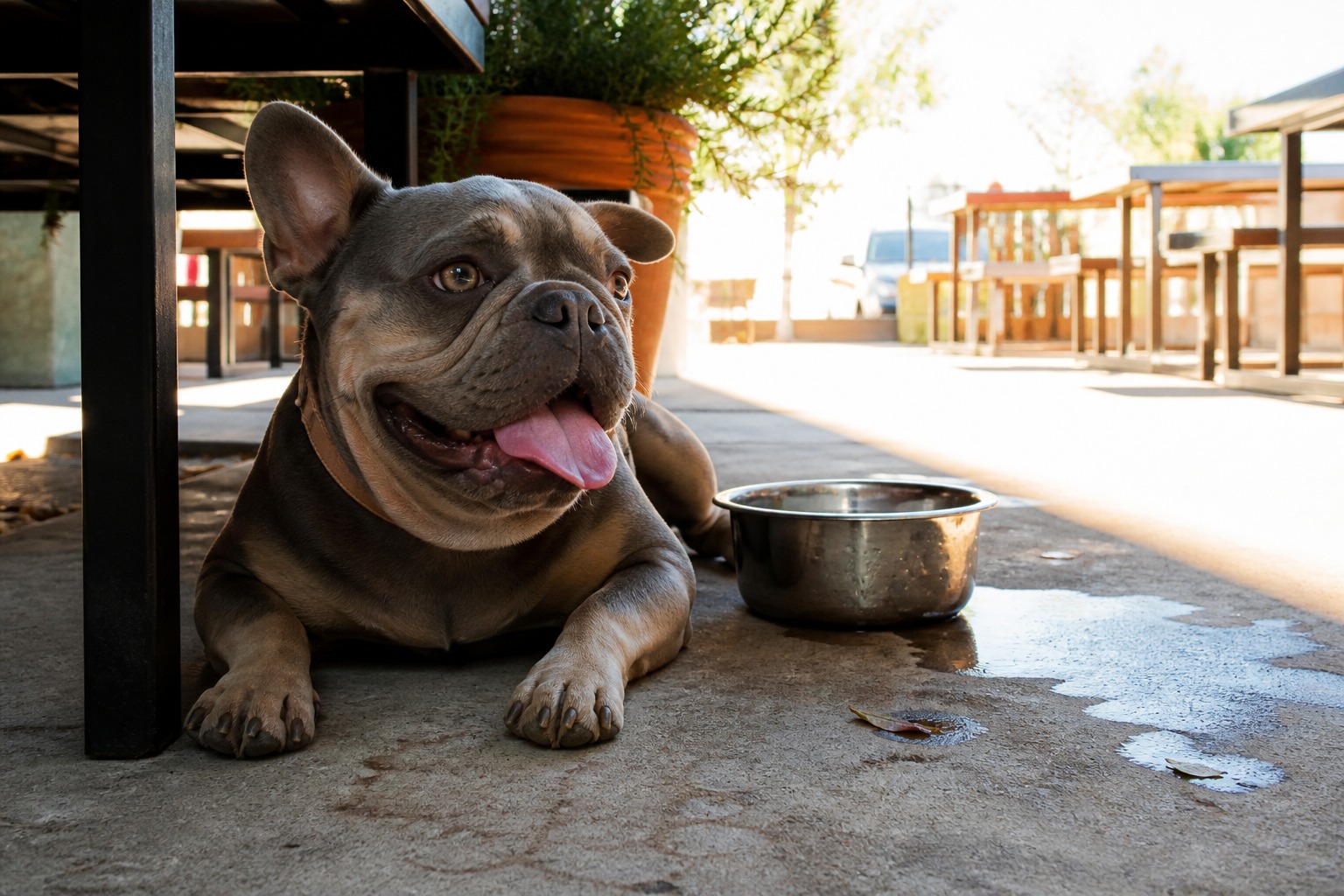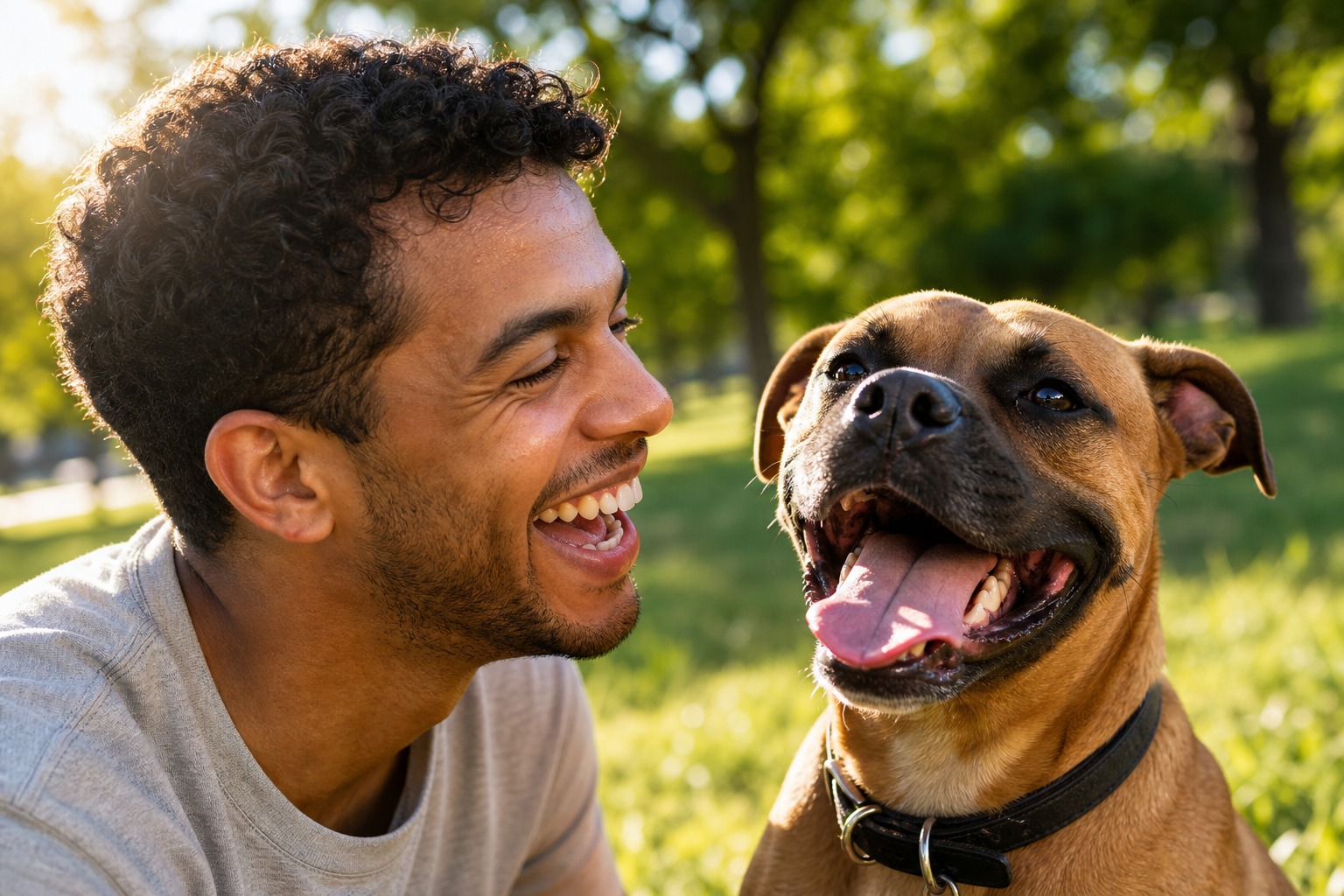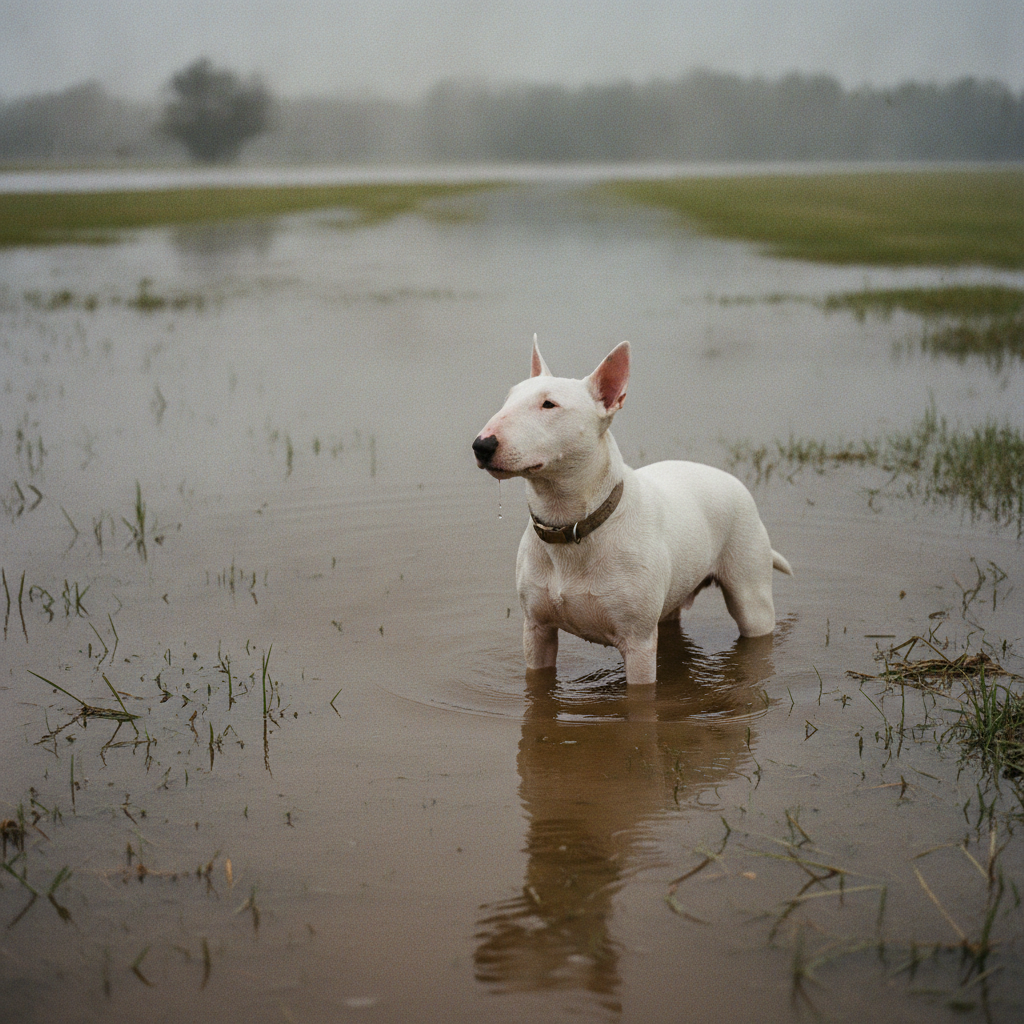
A shelter profile is a dating bio: flattering, incomplete, and written to get a response. The photo is adorable, the blurb is upbeat, and none of it tells you whether this particular dog will thrive in your particular life. That gap is exactly what the staff are there to close, and they will, if you ask. The right questions do not just gather facts. They turn a stranger behind glass into a dog you can actually picture on your couch.
Before you sign an application, work through the twelve below. They fall into three buckets: who this dog has been, what this dog will need from you, and how to let the experts do the matchmaking.
“The single most useful thing an adopter can do is get curious about a dog’s history instead of just their looks,” says Dr. Priya Nair. “A dog’s past does not doom them, but it tells you what kind of patience and routine they’ll need from you, and whether that’s a fit you can honestly commit to.”
Who this dog has been
1. How did this dog end up here? Dogs are surrendered for all kinds of reasons, from a move or money trouble to illness or behavior. Knowing the backstory helps you predict the adjustment period. A dog leaving a home very different from yours may need longer to settle, while a dog whose old life resembled yours may slot in fast.
2. How old is the dog, roughly? No age is the “right” one. Puppies, adults, and seniors all make wonderful companions, but each comes with a different job. Puppies need a mountain of chew toys and patience through teething. Adults are usually past the shoe-destroying phase. Seniors may need more medical attention to stay comfortable in their later years.
3. What’s the likely breed mix? Ask staff what they think the dog is made of. Breed is not destiny, but it hints at the exercise, grooming, and behavior tendencies you might grow into over the years. Once you have a guess, do a little homework on those breeds so nothing catches you off guard.
4. Is the dog vaccinated, and already fixed? Beyond preventing unplanned litters, altering a dog can affect behavior and long-term health, intact dogs are more prone to marking and territorial habits, and to certain reproductive cancers. Many shelters only adopt out altered animals, and those that don’t often hand you a voucher or referral for a low-cost clinic.
5. Are there any known health conditions? Every dog needs good food, monthly flea, tick, and heartworm prevention, and routine vet care. But conditions like diabetes, arthritis, hip dysplasia, or vision loss ask for more. Many shelter dogs are perfectly healthy; asking anyway lets you plan, both emotionally and financially, for the care this specific dog may need.
What this dog will need from you
6. What are this dog’s real exercise needs? Be honest about your own energy first. If your weekends are more couch than trail, a high-drive dog bred to run will out-energy you fast. If you want a hiking partner, a dog built to nap will slow you down. Matching activity levels up front prevents a lot of mutual frustration later.
7. Does the dog know any commands? Ask what the dog already responds to, and whether they follow verbal cues, hand signals, or both. Even a few known commands give you a shared language on day one, which speeds up bonding and gives your training somewhere to build from.
8. How is the dog with other animals and with kids? Ask even if you have neither. You will still pass dogs on the sidewalk and kids at the fence, and you may add to your household someday. Knowing now lets you prepare with the right training so your dog is set up to succeed in every one of those moments.
9. Is the dog crate trained? A crate helps with everything from house-training to giving an anxious dog a safe den in a brand-new home. If the dog learned crating in a previous or foster home, continuing it eases the transition. If not, don’t walk away, just plan to make the crate a rewarding place from the start.
Let the staff match you (and two questions most people forget)
10. Knowing my life, is there a dog you’d point me toward? Nobody knows these animals like the people who feed and walk them daily. Describe your routine, your space, and what you are hoping for, then let them suggest. The dog you fall for may be the underdog you would have scrolled right past online.
11. What support do you offer after I take the dog home? This is the one adopters skip. Ask whether the shelter has a behavior helpline, a trainer on call, a medical grace period, or a return policy if the fit truly fails. Good organizations want the adoption to stick and will tell you exactly what backup exists. A shelter with no post-adoption support at all is worth noting.
12. Can we do a meet-and-greet, or a trial? Ask to spend real time with the dog before committing, ideally with every human and resident pet who will share the home. Some shelters offer a “sleepover” or short foster-to-adopt trial. A calm hour in a get-to-know-you room tells you more than any profile, and it lets the dog weigh in too.
The underdog clause
Work these twelve into a normal conversation rather than an interrogation, and pay attention to how forthcoming the staff are. Openness is a good sign about the organization as much as the dog. And keep room in your plan for the answer to question ten, because the best match is often the dog nobody was clicking on.
References
- ASPCA: Pet Statistics and shelter intake and adoption data.
- American Veterinary Medical Association: Selecting a Pet Dog.
- The Humane Society of the United States: Adopting from an Animal Shelter or Rescue Group.