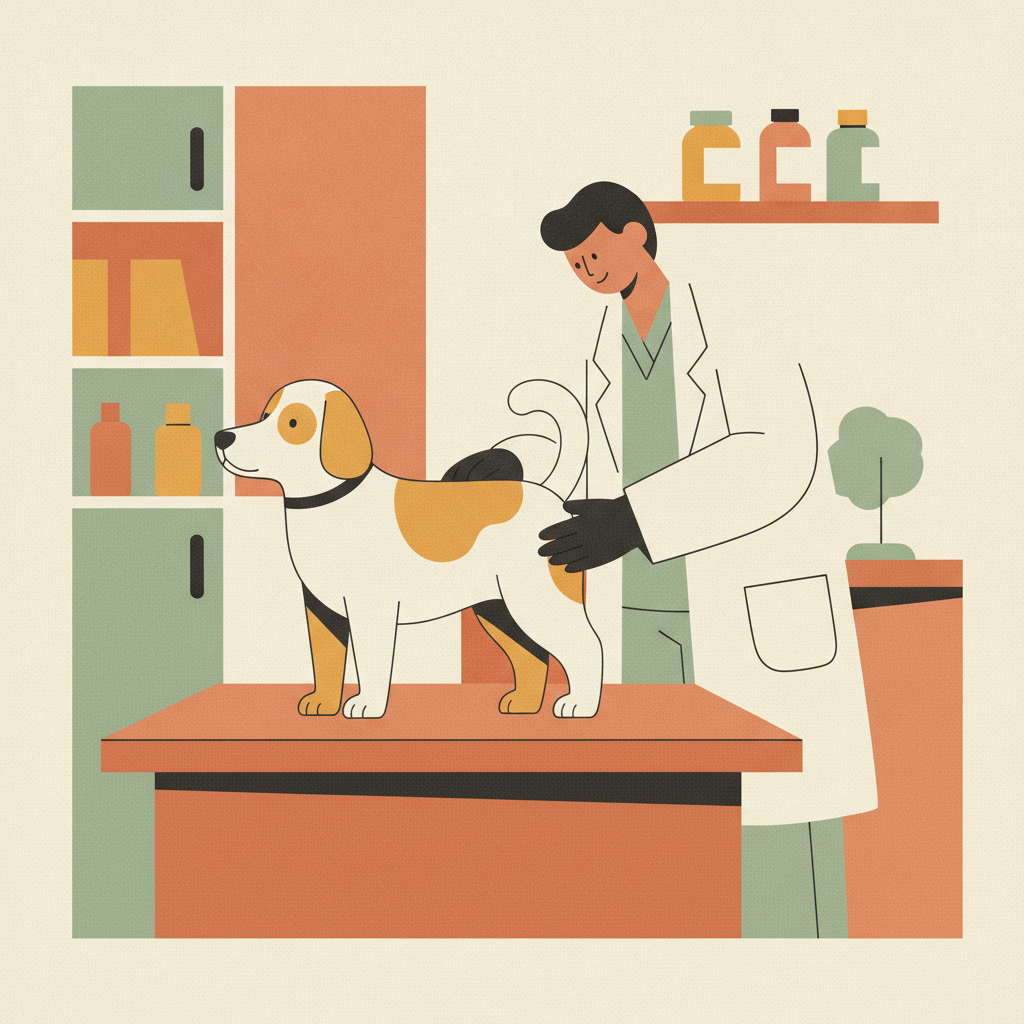
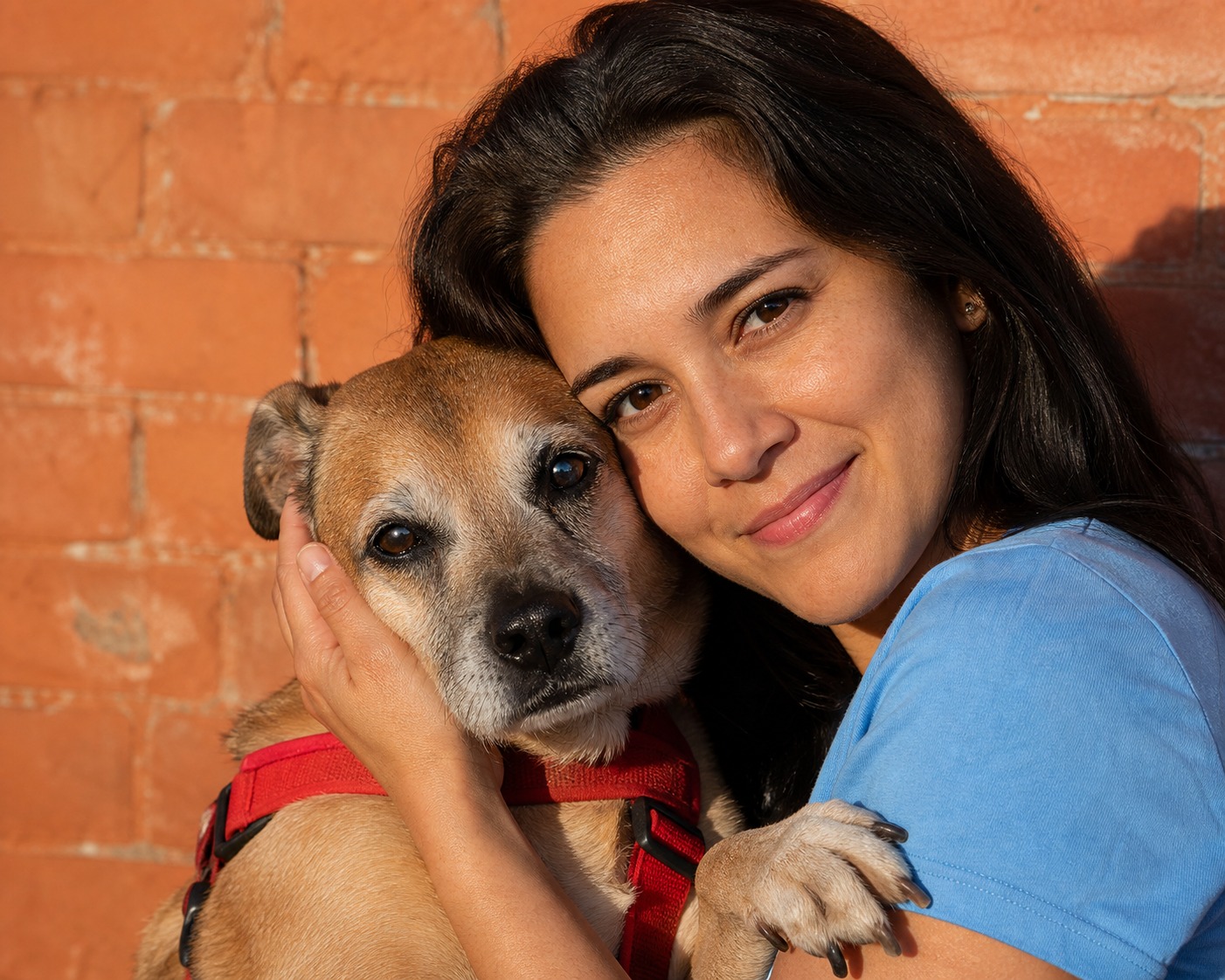
The old “one dog year equals seven human years” line is charming and mostly wrong. Aging depends on size and breed, and no single ratio captures it. But the spirit of it points somewhere useful: at some stage, your dog crosses into their senior years, and the way you care for them has to change. The single most valuable shift isn’t a supplement or a special diet. It’s information, gathered before anything looks wrong.
That’s because dogs are remarkably good at concealing discomfort, partly by instinct and partly because we’re not great at reading the subtle signs of pain. By the time an older dog is visibly struggling, a problem has often had time to progress. Senior wellness testing exists to close that gap: run the panels while your dog still seems fine, establish what “normal” looks like for them, and you give your vet a baseline to measure against as the years go on.
When to start, and how “senior” depends on size
Most vets suggest beginning senior screenings around age seven or eight to set those baselines and catch trouble that hasn’t surfaced yet. But the calendar isn’t the same for every dog. Giant breeds, the ones tipping past 90 pounds, may be considered senior as early as five. Larger dogs often reach it around five or six, thanks to their faster aging. Mid-size and smaller dogs typically hit senior status closer to seven, and some little dogs not until nine or ten. A cleaner way to think about it, and the one veterinary guidelines lean on, is that a dog is “senior” during roughly the last 25 percent of their expected lifespan.
What the bloodwork actually checks
A senior dog blood panel generally costs somewhere between $150 and $300, depending on your region and insurance. For that, you get a genuinely wide-angle look at your dog’s internal health, built from a few core tests.
A complete blood count, or CBC, examines the red and white blood cells and platelets, their number, size, color, and shape. It’s how a vet flags anemia, platelet disorders, some cancers, and chronic inflammatory conditions, often before any outward sign appears.
Serum chemistries look at the substances circulating in your dog’s blood, proteins, enzymes, lipids, and hormones, to screen the major organ systems. This panel can surface diabetes, kidney impairment, liver conditions, hormone imbalances, and digestive trouble.
A urinalysis rounds out the picture by assessing kidney function and bladder health, and it can catch metabolic diseases like diabetes mellitus that might not be obvious elsewhere. It’s a simple test that punches above its weight, so it’s worth including at your dog’s next check.
Depending on your particular dog’s breed, history, and risk factors, your vet may also recommend specialized screenings, an EKG, chest X-rays, or tests for thyroid function, glaucoma, and blood pressure. None of these are automatic; they’re tools your vet reaches for when the baseline or the exam suggests a closer look.
“The whole reason we run panels on a dog who seems perfectly healthy is that ‘seems healthy’ is exactly when the numbers are most useful,” says Dr. Lena Park. “Once I know your dog’s normal kidney values at eight, a small shift at ten tells me something a single snapshot never could. Baselines turn vague worry into an early, actionable finding.”
The maintenance that matters just as much
Testing is only half of senior care. Vets also stress closer attention to the everyday “maintenance” categories that quietly determine quality of life: dental care, diet and nutrition, weight management, and parasite control. Vaccinations deserve a conversation too. Depending on your dog’s lifestyle and your local requirements, it may be appropriate to adjust how many they get or how often.
It’s also worth knowing the conditions that arrive suddenly. Vestibular disease can hit fast: out of nowhere, a dog can’t stand or walk in a straight line, tilts their head, and seems dizzy or nauseated. It’s alarming to witness, and while it isn’t strictly an old-dog problem, and it happens to cats as well, it turns up more frequently as animals age. Recognizing it for what it is can keep a scary episode from turning into panic.
Beyond all of that, keep your senior dog moving and mentally engaged in daily life as much as they’re able. Gentle, consistent activity supports body and mind.
What’s new in senior care
The biggest recent shift is how often your older dog should be seen. The 2023 AAHA Senior Care Guidelines for Dogs and Cats formalized what many vets had long recommended: senior pets should have a physical exam at least twice a year, not just annually, ideally paired with routine bloodwork and any added screening the exam calls for. The logic is simple. Older dogs can develop problems in the span of a few weeks, and an issue that crops up right after a yearly visit could grow serious before the next one rolls around. A six-month rhythm shrinks that blind spot.
The guidelines also lean into the size-based definition of “senior” and into treating the owner as part of the care team, spending real time on your goals and concerns for your dog rather than just the numbers. It’s a warmer, more preventive model, and it fits the reality that our dogs’ later years are often the ones where thoughtful, proactive care makes the most difference.
References
- American Animal Hospital Association. “2023 AAHA Senior Care Guidelines for Dogs and Cats.” https://www.aaha.org/resources/2023-aaha-senior-care-guidelines-for-dogs-and-cats/
- American Animal Hospital Association. “2019 AAHA Canine Life Stage Guidelines.” https://www.aaha.org/resources/2019-aaha-canine-life-stage-guidelines/
- American Veterinary Medical Association. “Senior Pet Care.” https://www.avma.org/resources-tools/pet-owners/petcare/senior-pet-care