 Medically reviewed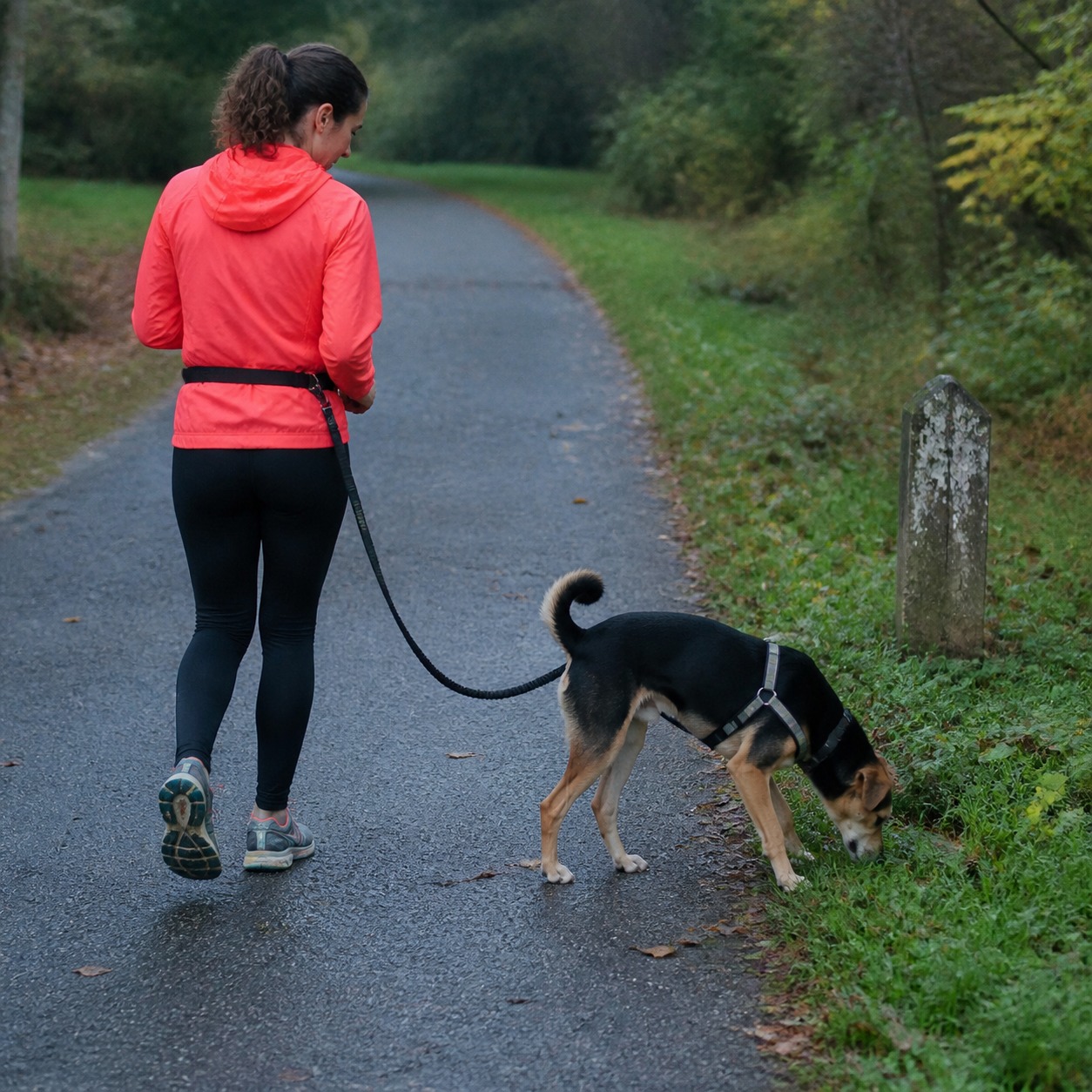
There is a specific kind of person you see on the trail and quietly envy: the one gliding along with a dog trotting happily at their side, both of them clearly thriving. It looks effortless and joyful, the picture of the outdoorsy life. Here’s the part the photo leaves out. That partnership almost never happens by accident. It’s built, deliberately, on the dog’s timeline, and the people who skip the building part are the ones whose dogs end up sore, overheated, or hurt.
So before you decide your new dog is going to be your running buddy, treat it as a conditioning project rather than a given. Running together can absolutely be wonderful, good exercise, real bonding, a shared habit you both look forward to. But not every human is built to run, and not every dog is either. The trick is knowing which dog you actually have.
First, make sure your dog is built for it
Endurance isn’t universal. Flat-faced, or brachycephalic, breeds, the Pugs and Bulldogs of the world, have airways that simply can’t move enough oxygen to sustain a run, and they overheat dangerously fast. For them, jogging isn’t a training goal, it’s a risk. Even if your dog has a normal muzzle, a quick vet check before you start is worth it, because some of the biggest limiters, a heart murmur, early joint disease, are invisible until you stress the body.
Age matters just as much, and it’s the piece new adopters miss most often. A puppy’s growth plates, the soft zones at the ends of developing bones, don’t finish closing until roughly 12 to 18 months, and closer to 24 months in some large and giant breeds. Running a young dog on hard surfaces before then, with all that repetitive impact, can damage those plates and lead to joints that develop unevenly. The payoff for waiting is a dog whose body can take the miles for years instead of breaking down early.
The most common mistake I see isn’t overexercising an old dog, it’s overexercising a young one. Owners get a high-energy puppy, assume the fix is more running, and start pounding pavement before the skeleton is done growing. I’d much rather a dog spend that first year on play and sniff-walks and start a real running program once I’ve confirmed the growth plates are closed.
Read the weather like it’s part of the route
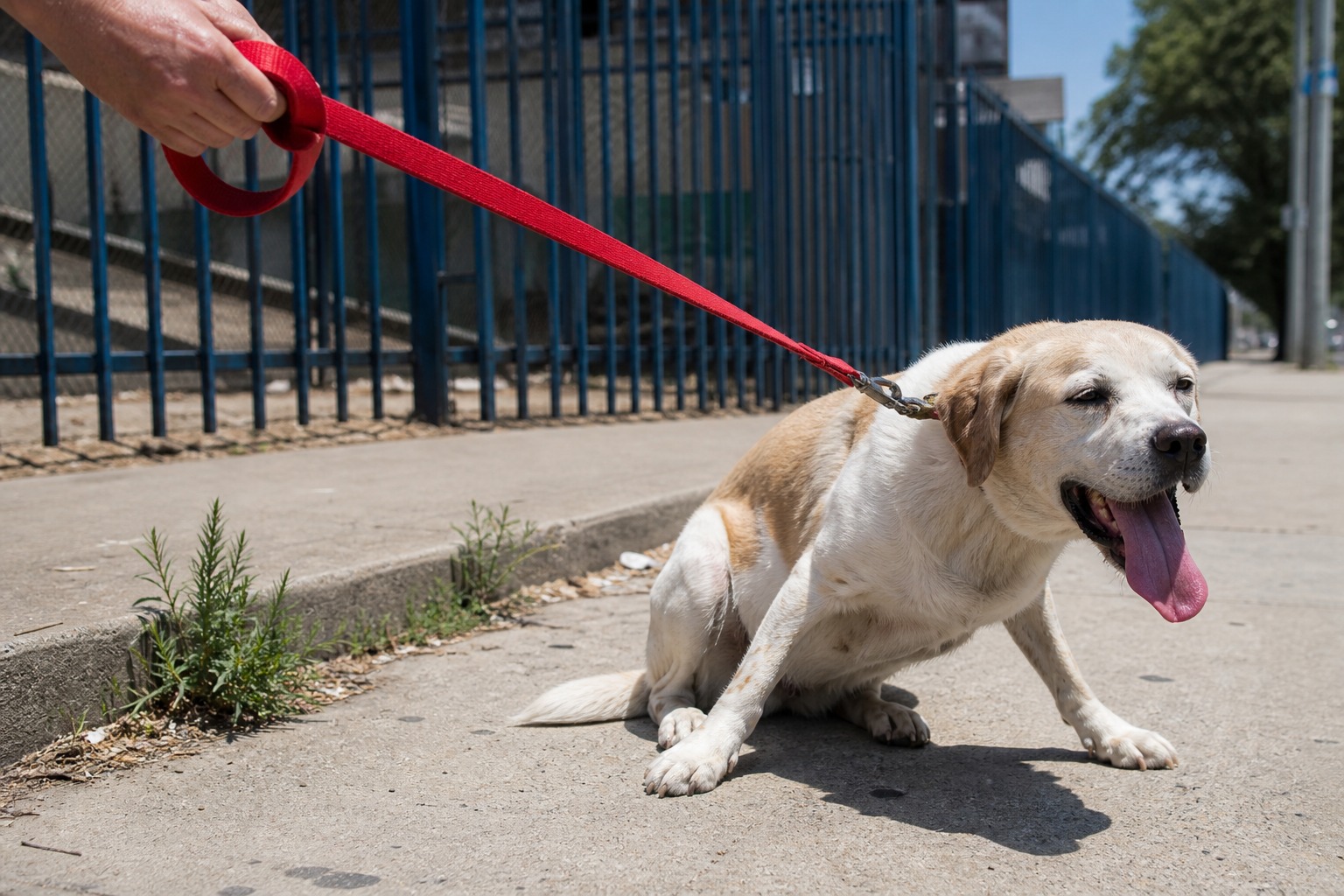
Your discipline about running in all conditions should not extend to your dog. In summer, dogs overheat quickly, and sun-baked pavement can scald paw pads. A simple test: press the back of your hand to the ground for seven seconds. If you can’t hold it there, your dog shouldn’t be walking on it, let alone running. Because dogs shed heat mainly by panting rather than sweating, they’re vulnerable even on days that don’t feel dangerous to you. Winter brings the opposite problem, ice and snow that’s hard to navigate, though a coat and booties can help.
Sore pads are one of the earliest signs you’ve pushed too far, too fast. Building mileage gradually toughens the pads and lowers injury risk across the board. And hydration isn’t optional, keep water available and keep watching for overheating regardless of the thermometer.
Ease into it, then let the dog lead
Unless you’re already a regular runner, you can’t roll out of bed and knock out five miles, and neither can your dog. Both of you need conditioning. A couch-to-5K structure works well: early on, you might do 20 minutes of two minutes walking, one minute jogging, and let both of your bodies tell you what’s sustainable before you add more. From there you scale up together.
Once you’re moving, the dog gets veto power. They can’t tell you when they’re too hot, tired, or achy, so it falls to you to watch for the signals, heavy panting, lagging behind, an unhappy set to the body, and to honor them. If your dog keeps stopping, take the hint. If they’ve clearly had enough half a mile in, call it a day without resentment. The whole point is a partner who enjoys this, not one who endures it.
Get the gear right
Start with the leash, because it’s a safety device, not an accessory. Even a beautifully trained dog can spot a squirrel and bolt into a road. Keep the leash to about four feet or shorter; much longer and you invite tangles around poles and trees and trip hazards for everyone nearby. Many runners prefer a hands-free leash that clips around the waist, which frees your arms and removes the risk of dropping the lead mid-stride. Reflective detailing earns its keep in low light.
Bring water for your dog in case they overheat or get thirsty, and toss a poop bag in your pocket too. One more rule that’s easy to forget: don’t run right after your dog eats. Wait at least an hour, because vigorous activity on a full stomach can trigger bloat, a fast-moving and dangerous condition, along with plain nausea and vomiting.
Finish with a once-over, and keep it fun
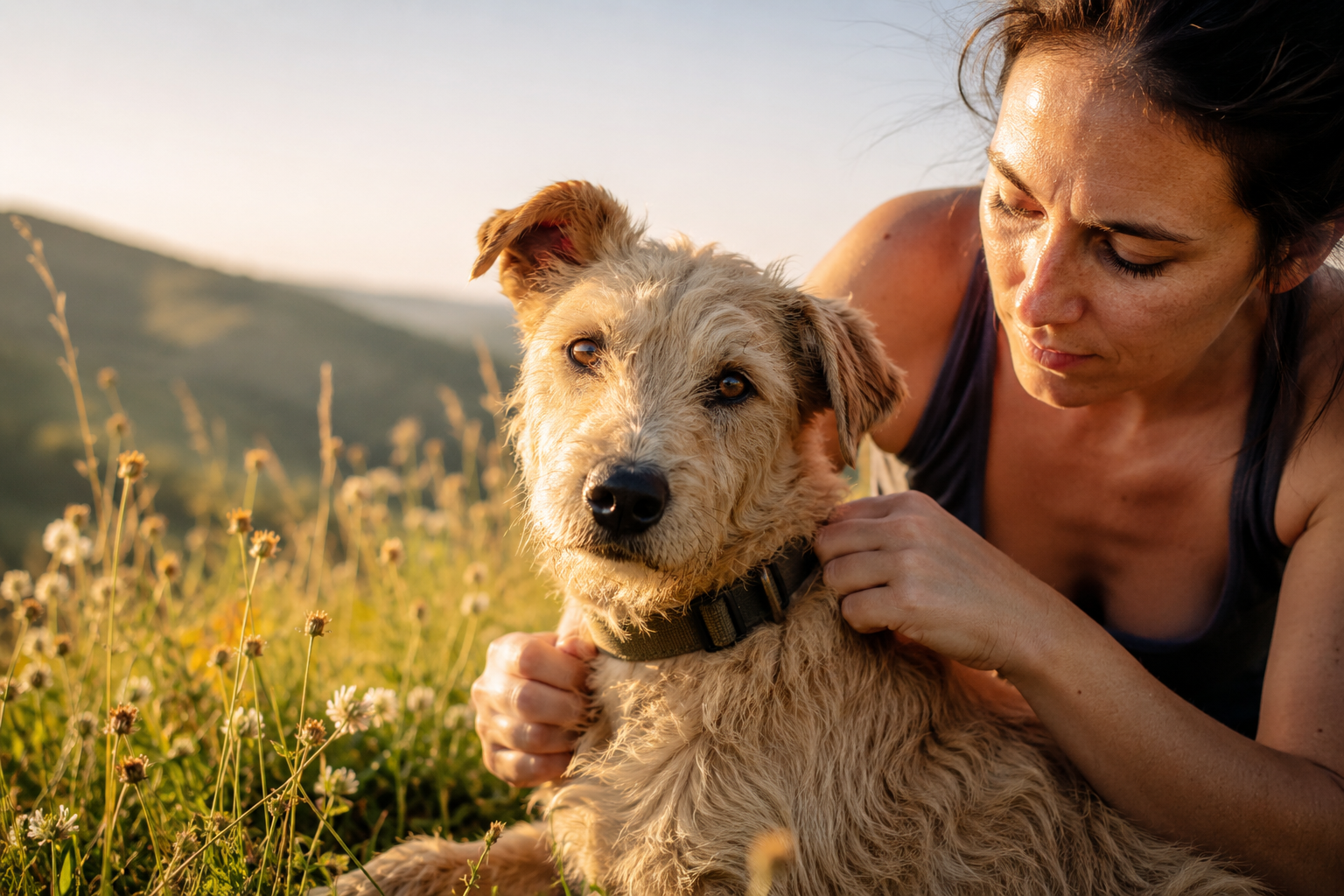
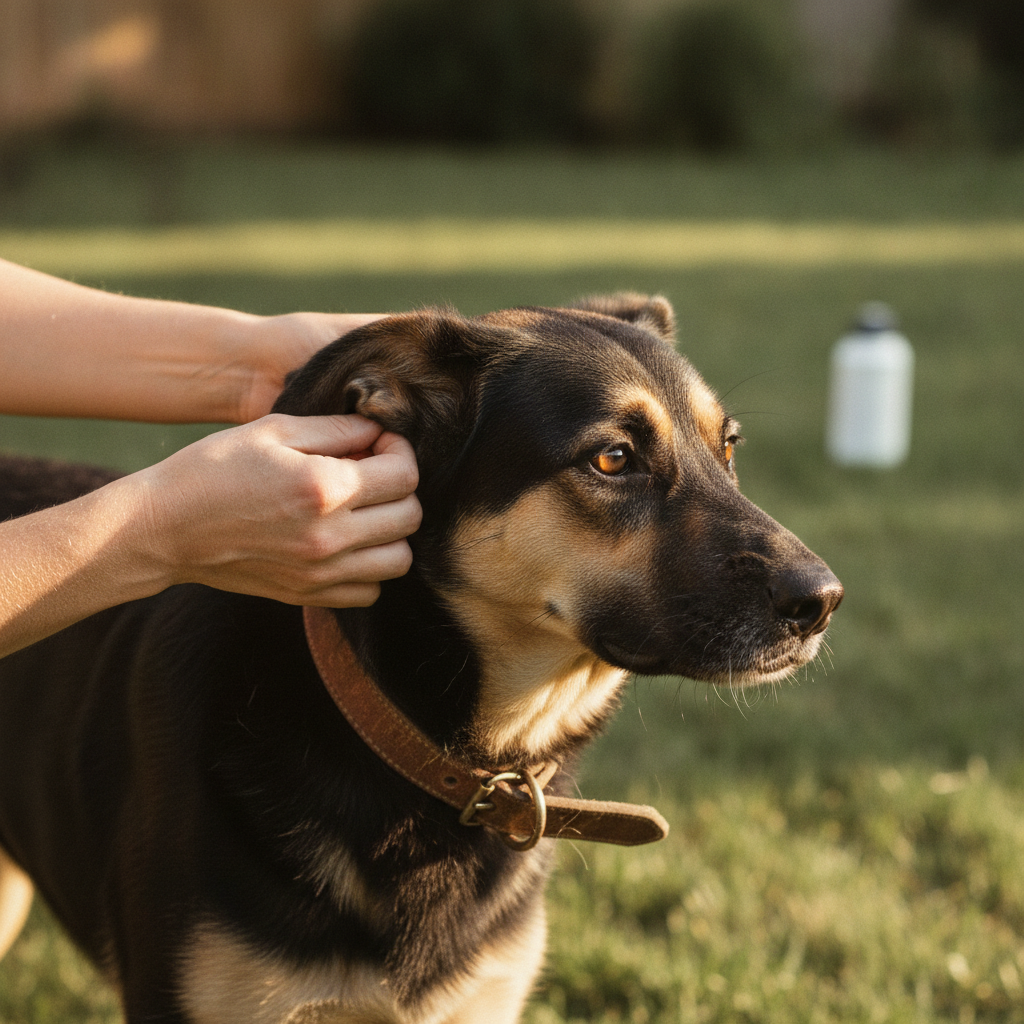
When you get home, give your dog a quick inspection. Check the paws for cuts and for gravel, stickers, or seeds wedged between the pads, and run your hands over their body, face, and ears for ticks or debris that hitched a ride. Thirty seconds now heads off a vet visit later.
Finally, make the run something your dog anticipates. A treat at the finish, a detour to the dog park, a stop for a scoop of dog-safe ice cream, any of it teaches your dog that lacing up means good things are coming. Done with a little care, running is terrific exercise for both of you. And if it turns out your dog is simply never going to be a distance athlete, that’s allowed. Some dogs are foot-warmers, not marathoners, and you love them exactly the same.
References
- American Animal Hospital Association. “2019 AAHA Canine Life Stage Guidelines.” https://www.aaha.org/resources/2019-aaha-canine-life-stage-guidelines/
- American Kennel Club. “Brachycephalic Dog Breeds and Exercise Safety.” https://www.akc.org/expert-advice/health/brachycephalic-syndrome/
- American Veterinary Medical Association. “Gastric Dilatation-Volvulus (Bloat) in Dogs.” https://www.avma.org/resources-tools/pet-owners/petcare/bloat-dogs
Common questions
Which dogs shouldn't run at all?
Flat-faced (brachycephalic) breeds like Pugs and Bulldogs struggle to move enough air and overheat easily, so distance running usually isn't safe for them. Any dog with a heart condition, orthopedic issue, or heat sensitivity should be cleared by a vet first.
How hot is too hot for a run?
If the pavement is too warm for the back of your hand for seven seconds, it's too hot for paws. Dogs cool mainly by panting, not sweating, so they overheat faster than you do even on days that feel mild.