


You Raise the Puppy for a Year, Then Hand It Back. On Purpose.
A Guide Dogs for the Blind volunteer walks through the strange, demanding year of raising a puppy you're supposed to fall for, train unlike any pet, and then give away.
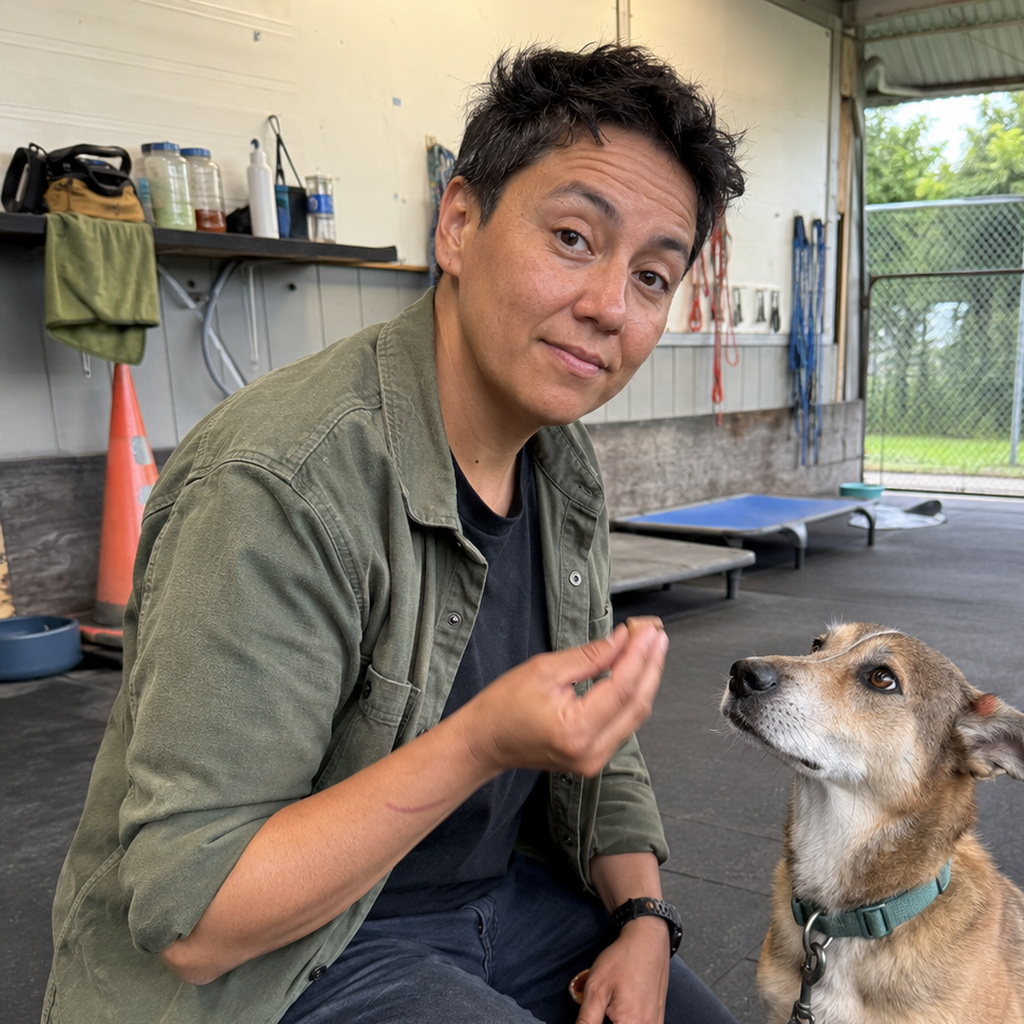
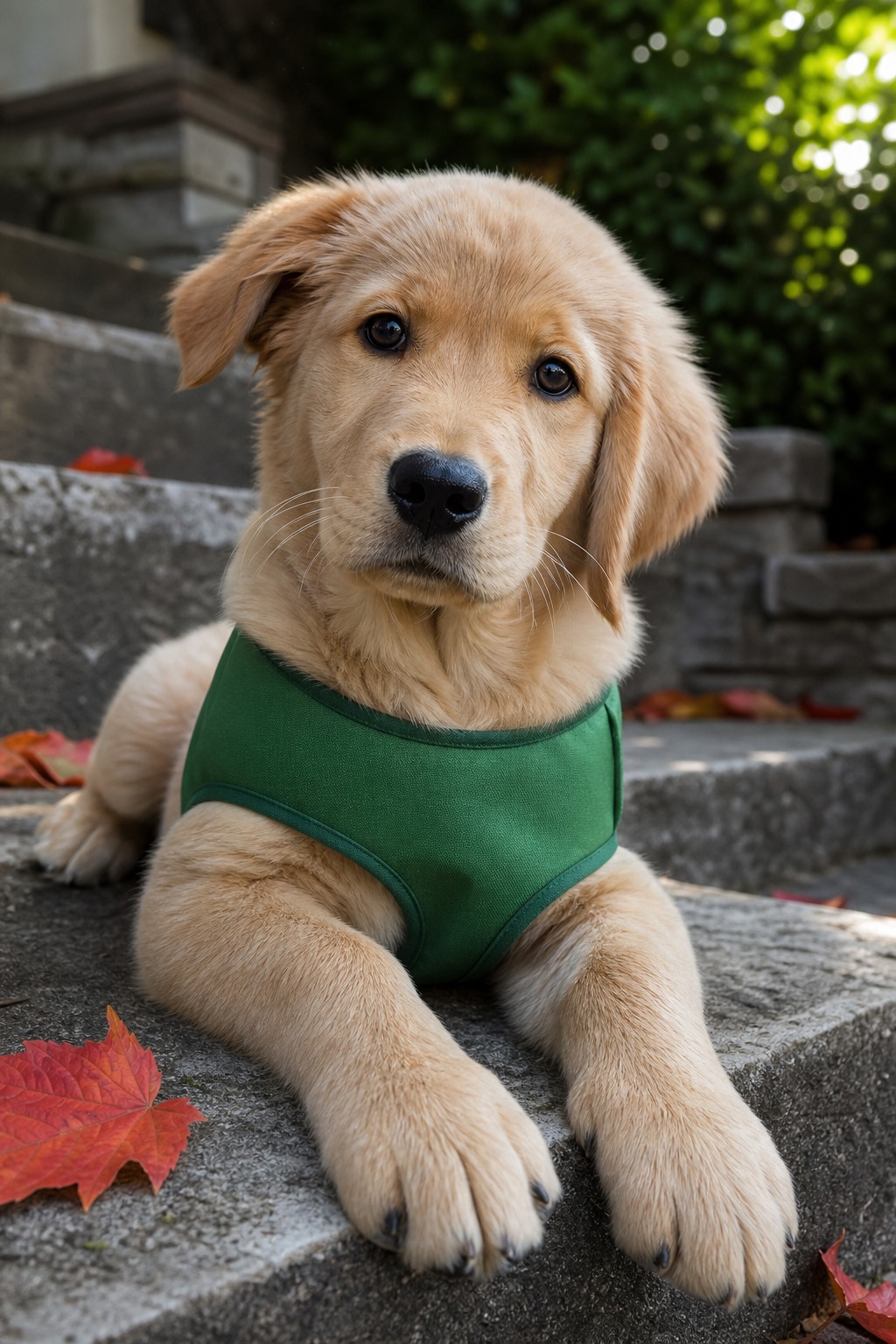
Most volunteer gigs don’t end with you crying in a parking lot. Raising a guide dog puppy does, and everyone who signs up knows it going in. That is the whole strange bargain at the center of the job: you take a two-month-old puppy into your home, pour a year of your life into it, teach it to ignore everything a normal dog lives for, and then you drive it back and let it go so a stranger you may never meet can walk more safely through the world. The hard part was never the training. It was always the ending, and the ending is the point.
Jenny Collins, a volunteer in Portland, Oregon, found her way to it sideways. After her Labrador Retriever died, she wasn’t ready for another dog of her own, so she looked for a way to be around dogs that helped somebody. She landed on Guide Dogs for the Blind (GDB), the nonprofit launched in 1942 to breed and train service dogs and match them with people who are blind or have low vision.
The deal you’re actually signing up for
Start with the scale of what you’re handling. Each finished guide dog represents roughly a $100,000 investment over its lifetime, and GDB covers all of it through private donations. Clients pay nothing, not for the dog, not for the transportation and lodging during their two weeks of training, not for annual visits or veterinary care. If problems come up later, the organization dispatches a field manager or instructor to step in. Volunteers are the front end of that pipeline, the people who take a bred-for-the-job puppy and start it down the long road toward graduation.
Those puppies, mostly Labrador Retrievers, Golden Retrievers, and Lab-Golden crosses, spend their first eight weeks at GDB’s San Rafael, California campus, where staff and volunteers help the mothers raise the litters. At two months, they scatter to volunteer homes across the West. After about a year in a home that follows a clearly defined protocol, the young dogs return to GDB’s California or Oregon campus for formal training.
They vet you almost as hard as the dog
Given the stakes, GDB is thorough about who gets a puppy. A home visit checks that the space is pet-safe and meets everyone in the household, and before a first puppy ever arrives, Collins estimates it’s roughly a 40-hour commitment of meetings, documents, and videos. New volunteers usually ease in as puppy sitters first, caring for dogs at various ages and stages so they know what they’re getting into before they commit.
For Collins, it was two months before she could do anything hands-on, a wait she found maddening at the time and sensible in hindsight. Because she works full time, she leans on a puppy starter, who keeps the two-month-old for an initial eight weeks, covering the earliest basic training and finishing the vaccination schedule that began at San Rafael. She’s quick to credit those starter families for making the whole thing possible for someone with a day job.
The socializing is a genuine time commitment. There are more than 180 GDB puppy-raising clubs spread across ten western states, Arizona, California, Colorado, Idaho, Nevada, New Mexico, Oregon, Texas, Utah, and Washington, and volunteers must join one to raise a pup. Raisers attend twice-monthly meetings for foundational training, and once or twice a month take the puppy on outings to the kinds of places a working guide dog will eventually navigate: malls, grocery stores, public transit, restaurants. Collins loves this part enough that she volunteers as an outing coordinator, once scoring free tickets to a minor-league ballgame and another time building a transit loop that put the pups on a tram, a streetcar, light rail, and a bus in one afternoon.
Training that looks nothing like raising a pet
A guide dog in training is not being raised to be a fun family dog, and the differences are striking. There are no balls in the toy box, because an adult guide dog can’t be the type to lunge after something moving fast in front of it. Energy gets burned on tug and sturdy chews instead. House-training is unusually strict: pups learn to relieve on cue, while leashed, and only over hard surfaces, with a specific word and the removal of their training vest signaling that they’re briefly off the clock. Walks stay short and happen only once the dog has already gone at home, because a working dog that wanders off the path hunting for a bathroom is a working dog that has stopped keeping its person safe.
“It sounds rigid, but there’s real behavioral logic underneath it,” says Dr. Nina Kohl. “By pairing a bathroom break with one specific cue and a vest coming off, they’re building a crystal-clear ‘on duty versus off duty’ signal. The dog isn’t confused about when it’s allowed to be a dog, and that clarity is exactly what keeps it focused when it matters.”
There’s no “leave it” command either, which surprised Collins at first. Instead of correcting a dog away from tempting junk on the ground, raisers reward the dog with kibble for ignoring it entirely, practicing until that indifference is reliable. The rewards themselves reflect how the program has evolved: raisers once weren’t allowed to use food at all, out of fear it would make working dogs vulnerable to distraction. Now a piece of kibble, the same food the dog eats at meals, handed only by the person holding the leash, is a standard positive-reinforcement tool. Dogs learn the basics too, sit, down, stand, wait, stay, come, “go to bed,” “let’s go,” and “that’s enough.” Contact with other dogs is deliberately limited, mostly proper, sniff-only greetings at club meetings, with controlled play at home only if there’s a steady older dog around.
When a dog “doesn’t make it”
Not every dog becomes a guide, and GDB has built a soft landing for the ones who don’t. Dogs better suited elsewhere may be matched with partner organizations like Dogs for Better Lives, Dogs for Diabetics, or Paws Assisting Veterans, or enter GDB’s own K-9 Buddy program, which pairs dogs with blind or low-vision kids and teens who aren’t ready to handle a working dog on their own. If none of those fit, the puppy’s raiser gets first option to adopt, and if they pass, GDB’s adoption program places the dog, often as a family pet or potential therapy dog. Demand is intense: the organization fields more than 2,000 applications a year for the roughly 170 career-changed dogs. And every GDB dog is guaranteed a home for life, if a client or family ever can’t keep one, the organization takes it back and rehomes it.
The goodbye, and why people keep doing it
GDB tries to make the hand-off bearable with a send-off it calls a Recall Reception, where raisers and co-raisers check the dog in together, settle it into its kennel, and meet the staff who’ll take over. Collins remembers walking away and feeling, irrationally, like she was abandoning her dog, even though letting go was exactly what she’d signed up for. Raisers receive weekly progress notes across all eight phases of formal training, and if the dog graduates, they may get to meet the client it was matched with, though the client decides whether to stay in touch, and a placement can land anywhere across the U.S. or Canada, so many raisers never see their pup again.
Collins frames the whole thing as a rare kind of gift, a year of work and love handed to a complete stranger who needs it more than she does. And even the dogs who don’t graduate leave a mark. As she puts it, whatever happens next, the puppy has already changed her life on the way to maybe changing someone else’s.
What’s new
Guide Dogs for the Blind still runs its puppy-raising program much as described, with a raising window that now spans roughly 12 to 18 months and the organization continuing to cover veterinary care and provide equipment and learning materials to volunteers. If you’re curious to see the arc from puppy to working partner before you commit, the documentary Pick of the Litter follows five GDB puppies through the full raising-to-graduation journey and remains the best on-screen primer on what the year actually looks like.
References
- Guide Dogs for the Blind: Puppy Raising Program and volunteer information.
- Guide Dogs for the Blind: About and program history.
- Pick of the Litter (2018 documentary), IFC Films.
Jordan Ellis is a certified professional dog trainer with a decade of experience working with rescue organisations and private clients. They specialise in anxiety, reactivity, and positive reinforcement methods, and review all training and behaviour content at The Pet Times.
Meet our experts ↗Keep reading
 TrainingYour Dog Isn't Reading Your Face. They're Reading Your Hand on the Leash.Dr. Lena Park · 8 min
 TrainingYour Dog Already Knows Your Name. This Game Makes Them Prove It.Dr. Mara Chen · 6 min
 LivingADHD Doesn't Make You a Bad Dog Parent. Your Reminder App Does.Leila Torres · 8 min
 Training'Gentle Parenting' Your Dog Isn't Permissive. That's the Part People Get Wrong.Dr. Nina Kohl · 9 min
 LivingThe ADA Has No Breed List. Your Landlord's Insurance Does.Dr. Priya Nair · 6 min
 LivingThe Dogs of the NYC Dyke March Were Making a Statement TooLeila Torres · 6 min