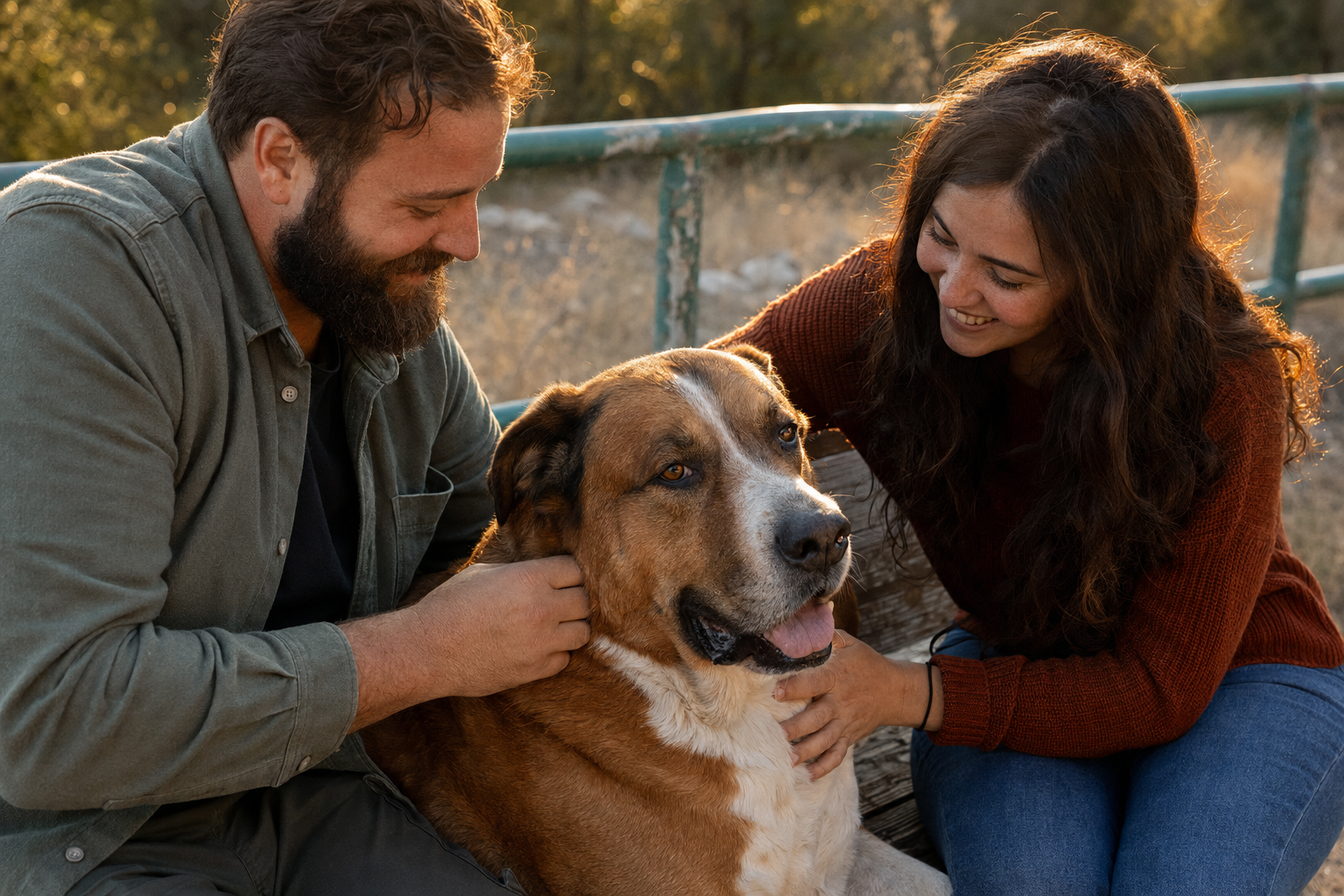
The photo does its job in about half a second. A French Bulldog puppy, head cocked, ears too big for its face, listed for hundreds less than every other one you have seen. You are already reaching for your phone. That reflex is exactly what the person on the other end is counting on.
Here is the reframe worth holding onto before you send a dollar: an online puppy listing is not a puppy. It is a claim about a puppy, made by a stranger you cannot see, and the more that claim tugs at your heart while rushing your wallet, the more likely it is to be a lie. Some of these listings lead to no dog at all. Others lead to a real but desperately sick puppy from a mill, sold by someone who vanishes the moment you notice something is wrong. Both endings start the same way: a great picture and a great price.
The scam is bigger and more expensive than most people think
This is not a rare piece of bad luck. It is one of the most common consumer scams in the country, and it has gotten pricier. An analysis of Better Business Bureau and Federal Trade Commission data put the average loss from a puppy scam at roughly $1,293 in 2024, about a third higher than five years earlier, with individual victims reporting losses topping $60,000. More than half of pet scams begin on a website a buyer found through a search engine or social media, and investigators estimate a startling share of sponsored pet ads are fake outright.
Scammers lean on the breeds people will pay a premium to get fast, and the demand does the rest. French Bulldogs, Dachshunds, Yorkies, and German Shepherds show up again and again in fake listings precisely because buyers expect them to be expensive and hard to find, so a too-good price reads as luck instead of a warning. Much of the operation runs overseas, which is part of why the money, once wired, almost never comes back.
“The listings that scam people are engineered to skip the part of your brain that asks questions,” says Leila Torres. “A real, ethical breeder wants to slow you down and vet you as much as you’re vetting them. A scammer wants you excited, rushed, and paying before you’ve thought it through.”
The red flags, in the order you’ll usually meet them
Most fake or unethical listings give themselves away well before money changes hands. The trick is knowing what you are looking at.
The price is the bait. A purebred puppy priced hundreds or thousands below every comparable listing is not a bargain, it is a hook. Ethical breeders rarely undercut the market, because raising a litter well is expensive. If the number makes you gasp with delight, gasp with suspicion instead.
The photos are too perfect and never change. Scammers reuse stock images and photos stolen from real breeders. Do a reverse image search on the pictures. If the same adorable puppy turns up on ten other sites, or on a stock photo library, you have found a ghost. A legitimate seller can send fresh photos and videos on request, holding today’s newspaper or a written note, without hesitation.
They won’t get on video, and they won’t let you visit. This is the single clearest tell. A real seller with a real puppy in a real home can hop on a video call to show you the dog and its mother. Someone who has excuses every time, the puppy is at the vet, the camera is broken, they are traveling, does not have the dog. Seeing the puppy with its mother, in the place it was raised, is the gold standard, and it is exactly what a scammer cannot provide.
The payment method has no undo button. Wire transfers, gift cards, cryptocurrency, and person-to-person cash apps are the scammer’s favorite tools because the money is gone the instant you send it. A request to pay any of these ways, especially with urgency attached, should end the conversation. Then come the surprise add-on fees: a special climate-controlled crate, pet insurance, a customs deposit, each one a fresh demand for untraceable money, each one refundable later (it never is).
The language feels off. Copied-and-pasted listing text, odd phrasing, a story that shifts between messages, or a seller who dodges specific questions about the puppy’s parents, vaccinations, or health guarantee are all signs you are talking to someone running many of these at once, not a person who knows this particular dog.
Why the “real puppy” version is worse than the “no puppy” version
Losing money to a listing that was never attached to a live animal is painful. The other outcome is heartbreak. Some sellers do ship a real puppy, from a high-volume mill, often too young to have left its mother, unvaccinated, and already carrying illness.
Parvovirus is the recurring nightmare in these stories. It is a highly contagious, often fatal gastrointestinal virus that hits unvaccinated puppies hardest, and buyers describe bringing home a listless, dehydrated puppy that is dead within days, from a seller who stops answering the moment symptoms appear. Emergency treatment for parvo can run into the thousands of dollars, and even then the puppy may not survive. The Animal Legal Defense Fund has taken civil action against exactly this kind of trafficking, but by the time the law catches up, families have already lost both money and a dog they had started to love.
What buying the right way actually looks like
You do not have to give up on a specific breed to stay safe. You have to insist on the things a scammer cannot fake.
See the puppy in person, in the home where it was raised, with its mother present, before any money beyond a modest deposit changes hands. Ask for and verify veterinary records and the health history of the parents. Use a payment method with buyer protection, and never pay the full amount for a dog you have not physically met. Talk to the breeder like they are interviewing you, because a good one is: a breeder who asks you nothing about your home, your schedule, or your experience is not screening for the puppy’s welfare.
And if you would rather skip the minefield entirely, this is a strong argument for adoption. Shelters and breed-specific rescues are full of dogs, including purebreds and puppies, whose health and temperament you can assess in person, with staff who want the match to work. Sites like Adopt a Pet let you search by breed across shelters near you.
When you already clicked “send”
If you have paid and then realized something is wrong, move fast. Contact your bank or the payment app immediately to try to stop or reverse the transfer, the odds are best within the first hours. Report the scam to the FTC at ReportFraud.ftc.gov and to the BBB Scam Tracker, which feeds the data that helps investigators find these operations. Save every message, photo, and receipt. You may not recover the money, but you make the next person’s listing a little easier to catch.
What’s new since this was written
Puppy scams have kept climbing even as consumers get more aware. The BBB reported that overall scam-tracker submissions dipped in 2024, but pet-related scams specifically rose, and the average dollar loss per victim went up, not down. In one recent three-month stretch alone, a single BBB region logged more than 35 puppy scam reports totaling over $31,000.
The mechanics have also shifted toward social media and paid search. Investigators now warn that a large share of sponsored pet ads, the ones that look most professional, are fraudulent, and that scam operations increasingly run through overseas web domains that are hard to trace or shut down. The practical takeaway is unchanged but more urgent: the more polished and convenient a puppy listing feels, the more you should insist on seeing the actual dog, in person, before you pay.