


Puppy Breath Doesn't Go Bad. It Goes on Schedule.
Sweet milk breath turns metallic on a predictable timetable. Breath that stinks off-schedule is telling you something else entirely.

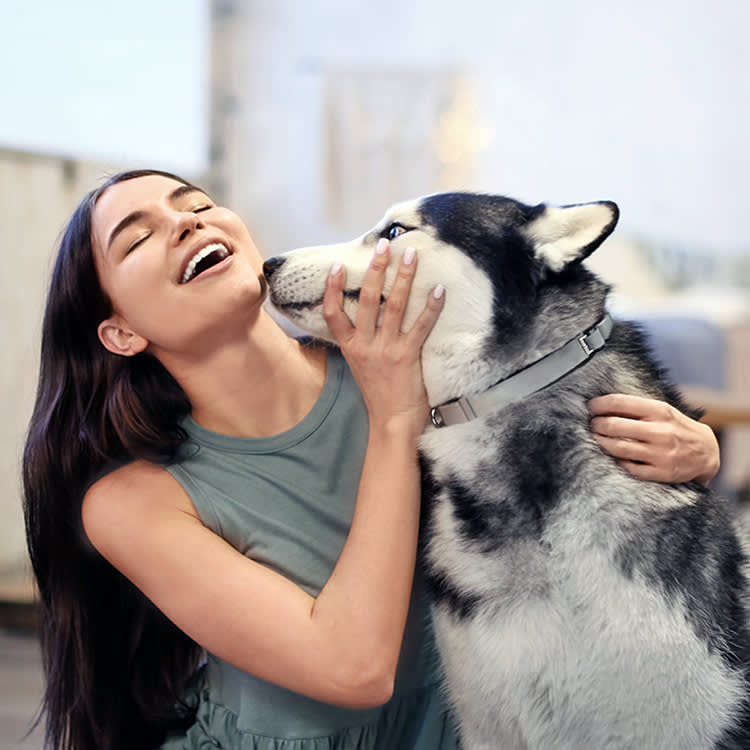
For about eight weeks, your puppy’s breath is one of the great small pleasures of dog ownership: warm, faintly sweet, weirdly milky. Then one morning they yawn in your face and you flinch.
Nothing has gone wrong. What you’re smelling is a calendar, not a disease.
The useful skill here is not “how do I make it stop.” It’s learning what the normal timeline smells like, so you can recognize the breath that has stepped off the schedule. That breath is a symptom, and it’s the one worth acting on.
Why milk breath smells good in the first place
Three things are true of a very young puppy’s mouth, and all three are temporary.
- The diet is milk. Mother’s milk or a milk replacer smells sweet going in, and a puppy’s immature digestive system doesn’t do much to change that on the way back out.
- There’s barely any bacteria. The mouth and gut of a young puppy carry a small, simple bacterial population. Fewer bacteria, less odor.
- There’s no plaque. No adult teeth, no accumulated film, no place for smell to live.
Now reverse all three. Bacteria multiply and diversify. Teeth arrive. The milk stops. That’s the entire mechanism, and it takes a few months.
The timetable
Roughly 3 to 6 months: teething. This is when the breath changes, and it’s the single most reliable landmark. Gums get inflamed, baby teeth loosen and fall out, adult teeth push through, and there’s a small amount of bleeding. Owners consistently describe the smell as turning metallic, which is exactly what it is: blood.
Teething breath is not usually foul. It’s just no longer sweet, and it has a slight tang. Puppies at this stage also chew everything they can reach, which does not improve matters.
After teething: the breath should settle into ordinary dog breath. Not pleasant, not offensive. If it doesn’t, that’s your signal.
Breath that’s off-schedule
If the smell is genuinely bad, persistent, or arrives outside the teething window, work down this list.
Dental trouble. Plaque builds from trapped food and bacteria as soon as there are teeth to build on, and it hardens into tartar, which leads to gum disease and eventually to tooth loss, periodontal disease, and problems well beyond the mouth. Bad breath is the first thing owners notice.
Retained baby teeth. This one is specific to puppies and easy to miss. Sometimes a deciduous tooth (classically an upper canine) refuses to fall out while the adult tooth comes in beside it. Two teeth crowd one socket, food packs into the gap, and it smells. It also causes real problems with the bite. Look at your puppy’s canines around five to six months: if you see a baby tooth and an adult tooth in the same spot, tell your vet. It’s usually a straightforward extraction, often done at the spay or neuter appointment.
Diet and dietary crimes. Regular food changes the smell. So does scavenging: garbage, mulch, dirt, mystery objects from the yard. And some puppies eat poop, their own or the cat’s, straight out of the litter box. If the breath smells specifically like feces, that’s often what happened, and the fix is management, not mouthwash.
Medical causes. Less common, but real. Gastrointestinal problems, kidney or liver disease, and infections all change mouth odor. A sweet or acetone-like smell, an ammonia smell, or a strong sudden change with a sick-looking puppy is a same-day call.
The mouth is one of the few places you can see disease starting without any equipment. I would rather a new puppy owner overreact to a smell than teach themselves to ignore it for two years.
What actually helps
Start brushing now, while it’s easy. A puppy who learns that a toothbrush predicts chicken paste is a nine-year-old dog you can still brush. The habit is the hard part, not the technique. Use a pet-safe brush and enzymatic pet toothpaste only. Never human toothpaste, which can contain xylitol and fluoride at levels that are toxic to dogs.
Feed a real puppy diet. A complete, balanced growth food, not adult food, not a padded-out homemade version. Oral health follows general health.
Give safe chews. Chewing mechanically disrupts plaque, and plaque is the precursor to tartar. Look for products carrying the Veterinary Oral Health Council (VOHC) Seal of Acceptance, which is not a marketing badge: it means the product was tested and shown to reduce plaque or tartar by at least 20% in trials run to a set protocol. Water additives with the seal can help too. Skip anything so hard you couldn’t dent it with a thumbnail, because puppy teeth fracture.
Use the vet visits you’re already going to. Your puppy has a run of vaccine appointments in their first months. At every one, ask the vet to look in their mouth, and say so out loud if they don’t. They’ll catch what you can’t: teeth erupting late, baby teeth that didn’t leave, bite alignment, early gum inflammation. Every one of those is cheaper and easier to fix at five months than at five years.
When to go in
Book the vet for any of these, teething or not:
- Bad breath that appears suddenly and doesn’t go away
- Bleeding gums beyond the odd spot of blood on a toy
- Trouble chewing, dropping food, chewing on one side, or pawing at the mouth
- Drooling more than usual
- Vomiting or a lost appetite
- A baby tooth and an adult tooth sharing a spot at five to six months
What newer research adds
The useful update for puppy owners is the rise of an evidence bar for dental products. There is an enormous market of chews, sprays, powders, and water additives that promise fresh breath, and most of them have no data behind them at all. The VOHC list is the shortcut: it’s a short, public, regularly updated register of products that actually passed plaque or tartar trials, and it’s free to check before you buy anything.
The second shift is timing. Veterinary dentistry now treats home care as something that starts in puppyhood rather than after the first dental cleaning, because periodontal disease is remarkably common in adult dogs and largely preventable. In other words, the breath is a nudge. The point is not to mask it, it’s to start the routine that keeps the mouth healthy for a decade.
References
- Veterinary Oral Health Council. “VOHC Accepted Products for Dogs.” https://vohc.org/accepted-products/
- American Veterinary Dental College. “Persistent Deciduous Teeth (Baby Teeth).” https://afd.avdc.org/persistent-deciduous-teeth/
- American Animal Hospital Association. “2019 AAHA Dental Care Guidelines for Dogs and Cats.” https://www.aaha.org/resources/2019-aaha-dental-care-guidelines-for-dogs-and-cats/
- RSPCA Knowledgebase. “Why Does My Dog’s Breath Smell?” https://kb.rspca.org.au/knowledge-base/why-does-my-dogs-breath-smell/
- ASPCA Animal Poison Control. “Xylitol.” https://www.aspca.org/pet-care/animal-poison-control/
Common questions
Is it normal for a puppy to have bad breath?
Teething breath, yes. Breath that stays foul once teething is over, or that arrives with bleeding gums, drooling, vomiting, or a dropped appetite, is not normal and needs a vet.
Can I brush a puppy's teeth?
Yes, and you should start before you need to. Use pet toothpaste only. Human toothpaste can contain xylitol and fluoride levels that are dangerous for dogs.
Not a substitute for your vet. Our guidance is educational. For urgent symptoms, contact a vet or emergency clinic right away. Editorial standards
Dr. Chen is a small-animal veterinarian who leads health and safety coverage at The Pet Times. She writes and reviews the bulk of our illness, condition, and safety content, translating clinical guidance into clear, practical advice owners can act on at home.
Meet our experts ↗Keep reading
 Health & WellnessYour Puppy Was Probably Born With Worms. Here's the Schedule That Clears Them.Dr. Priya Nair · 6 min
 First DaysYour Puppy's First Vet Visit Is Won Before You Leave the HouseDr. Ravi Mehta · 8 min
 Health & WellnessThe Runt Isn't the Problem. The First 48 Hours Are.Dr. Priya Nair · 9 min
 Health & WellnessStop Watching Your Puppy Breathe. Start Counting.Dr. Lena Park · 8 min
 Health & WellnessThe Puppy Teething Timeline Is the Easy Part. These Three Problems Aren'tDr. Mara Chen · 8 min
 First DaysIs Your Puppy Growing Too Fast? The Window Is Smaller Than You ThinkDr. Ravi Mehta · 5 min