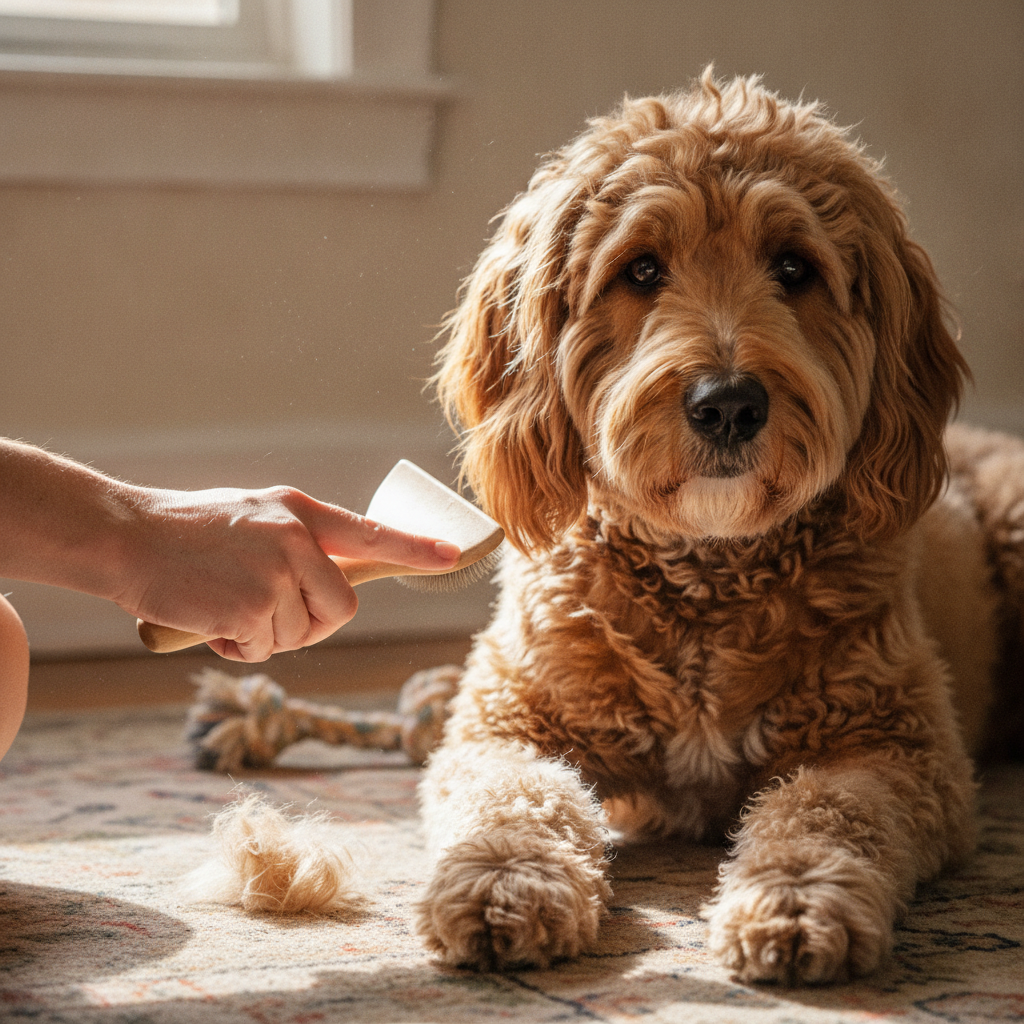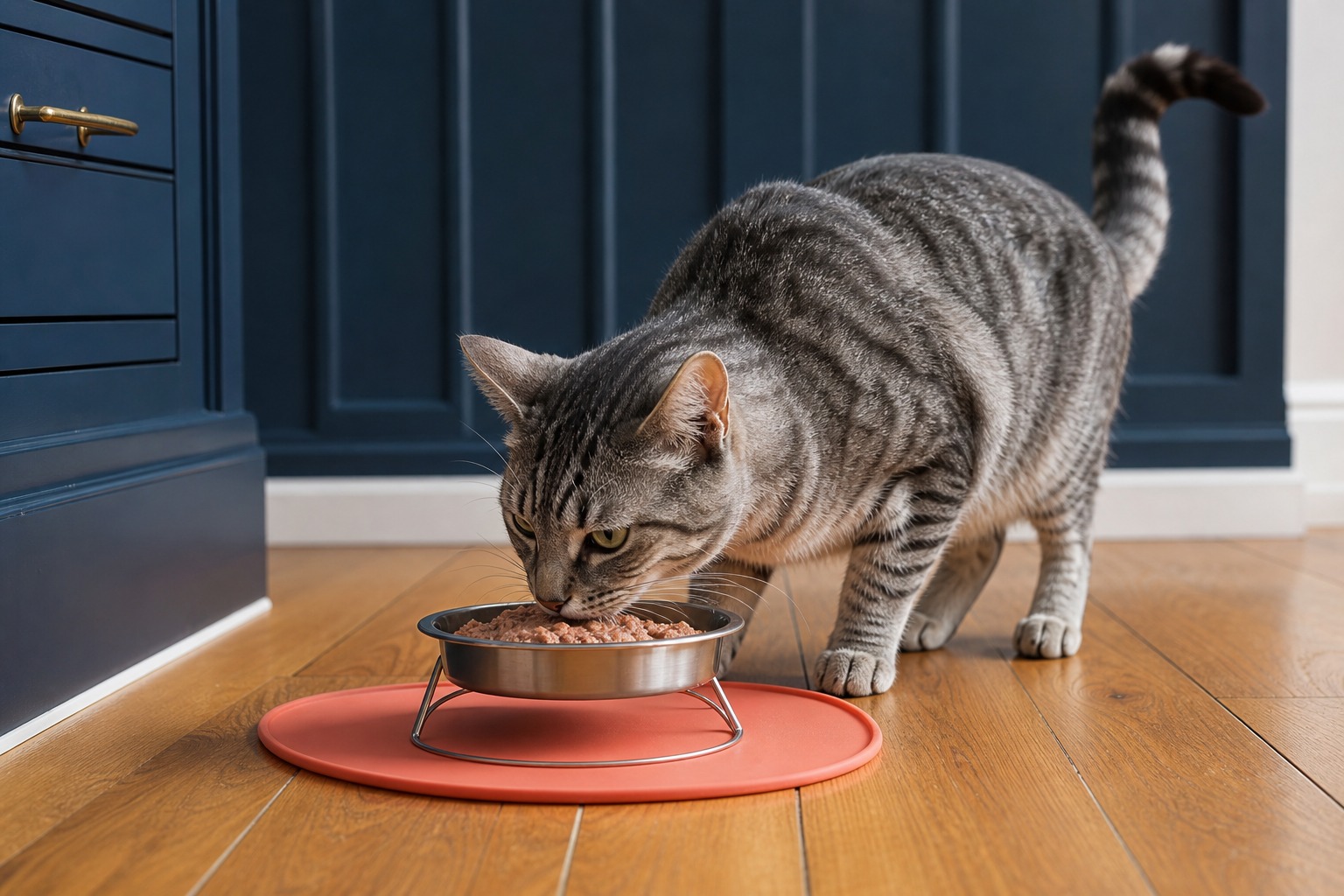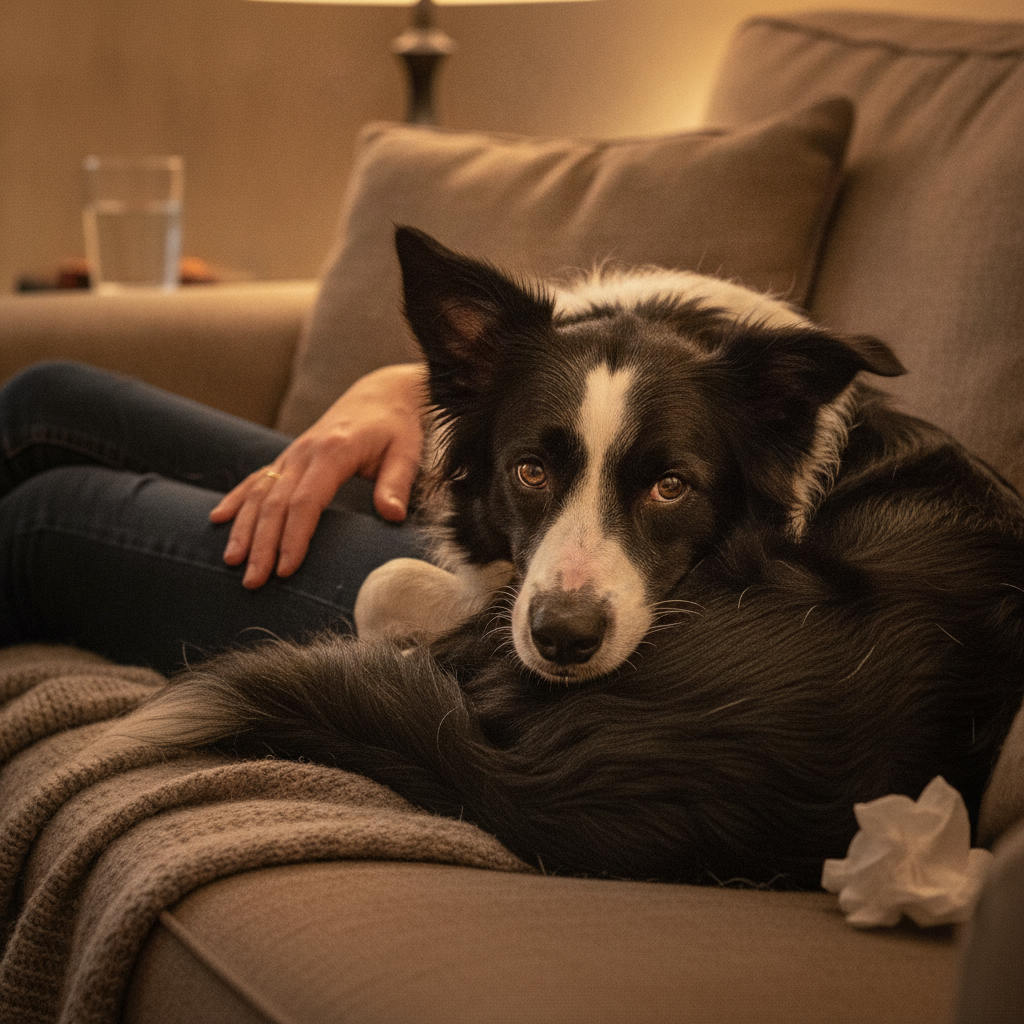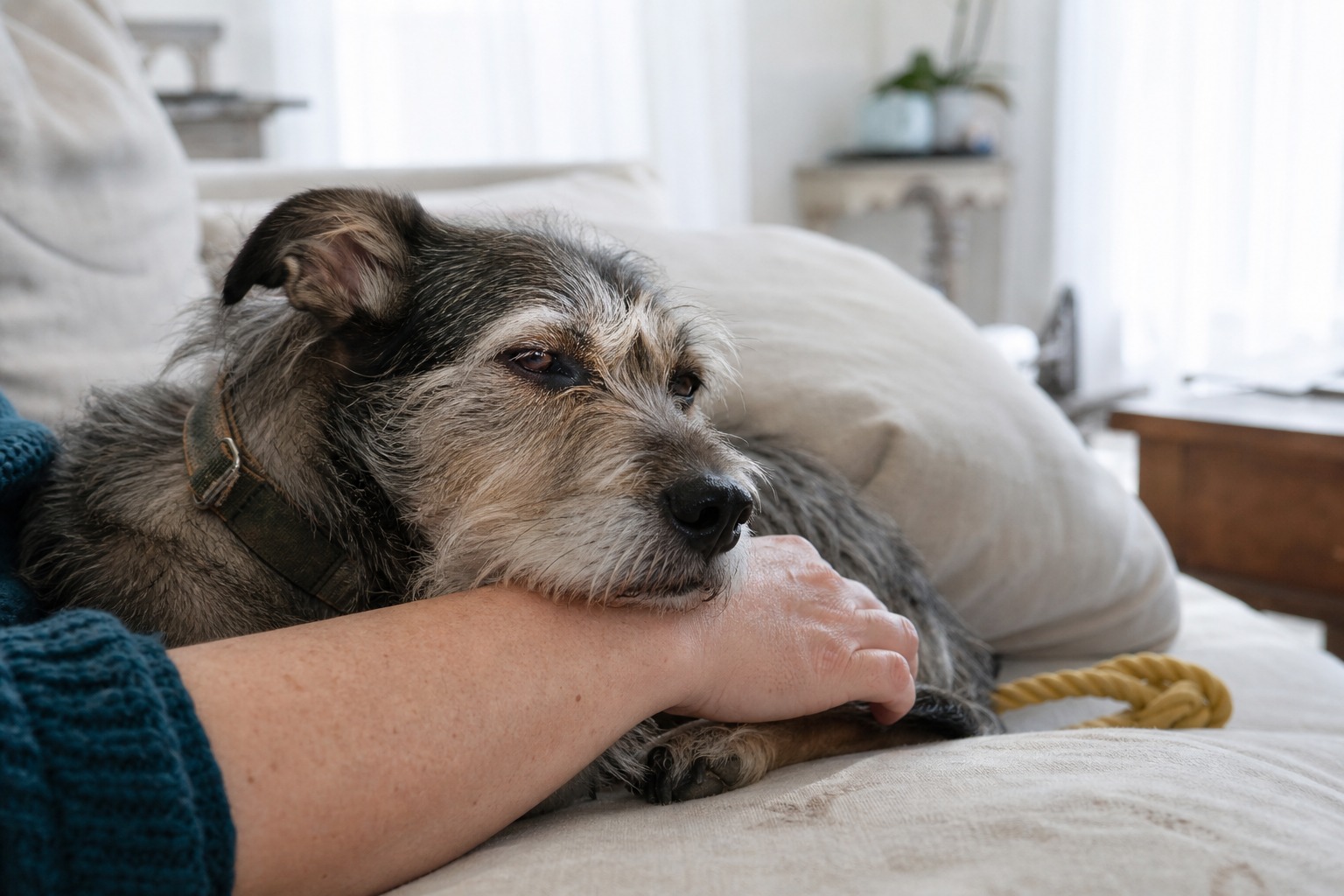
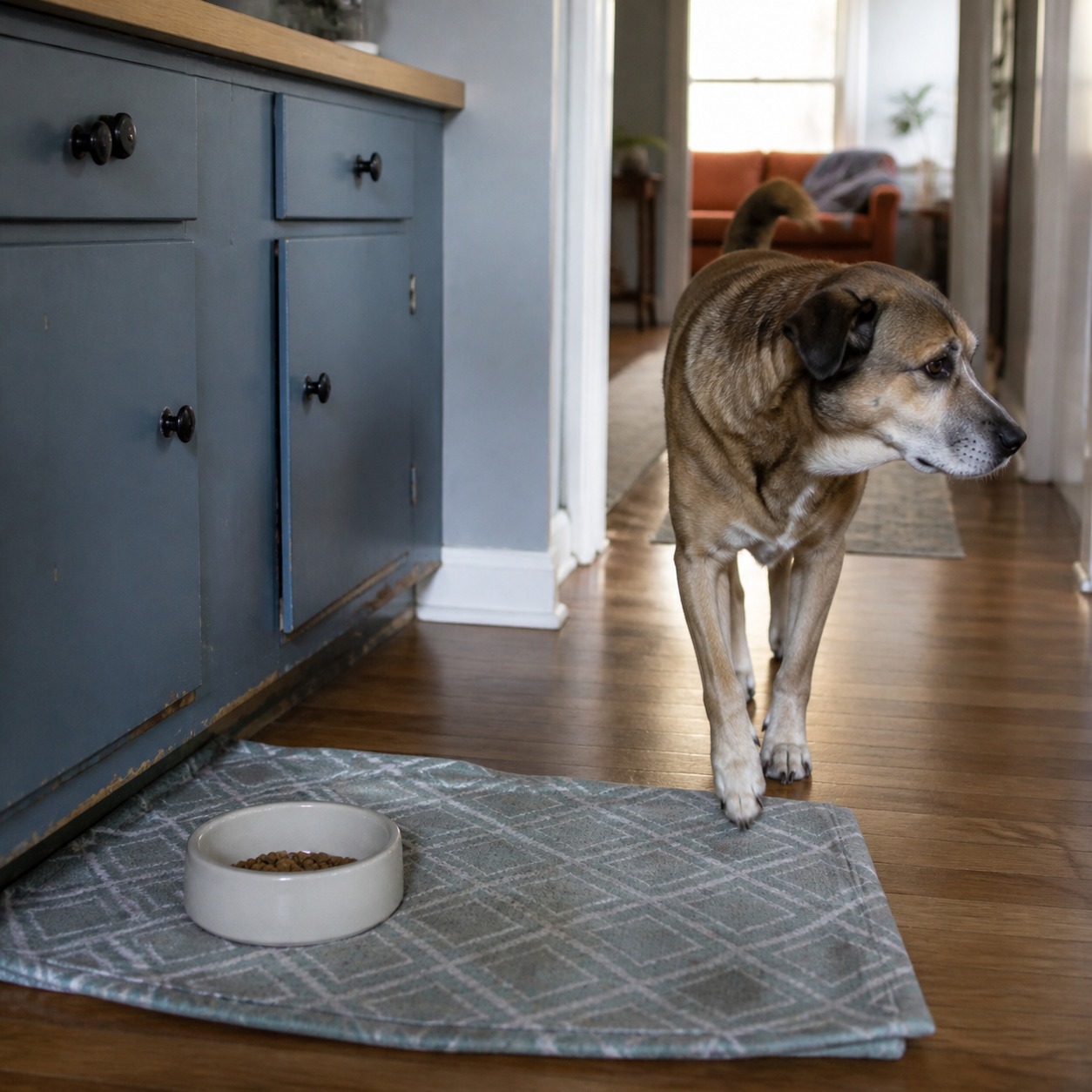
Some of us grew up with dogs who would happily eat a doorknob if you smeared peanut butter on it, and the idea of a dog turning up their nose at dinner sounds made up. Then you adopt one who inspects the bowl, sighs, and walks away, and suddenly picky eating is very real and very frustrating.
Here is the reframe that changes everything: a fussy dog is almost never being a diva. They are responding to something, a taste, a texture, a bad association, a queasy stomach, sometimes a real illness. Your job is to figure out which, in the right order, without accidentally teaching them that skipping meals summons the good stuff.
First, rule out the thing that actually matters
Before you buy a single topper or puzzle, make sure you are not treating a symptom. A dog who suddenly loses interest in food may be telling you they do not feel well.
“The first thing I want to know isn’t what the dog will eat, it’s whether anything else is off,” says Dr. Amara Solis. “If a dog goes off their food and you’re also seeing vomiting, loose stool, or a dog who’s just flat and low, that’s not a menu problem. Call your vet, especially if they’re refusing food and throwing up at the same time, because those two together move it up the priority list fast.”
The rough thresholds worth remembering: a healthy adult dog who won’t eat for two to three days needs a vet’s eyes on them, and any appetite drop that arrives alongside other signs of illness lasting more than a day should be checked. Once your vet has cleared the medical picture, the fixes below are fair game.
1. Consider a gut reset
Sometimes a fussy appetite traces back to an unsettled gut rather than a fussy palate. A probiotic can help nudge a mildly out-of-balance microbiome back toward normal, and many are formulated to taste good enough to double as a treat or a topper. It is a low-risk first move once illness is off the table, and worth a quick word with your vet about which one.
2. Reach for a topper, but not too fast
Food toppers are the crowd favorite for good reason: a splash of dog-safe broth, a scatter of freeze-dried bites, or a spoon of the right add-on can turn a snubbed bowl into a cleaned one. They come in enough textures to suit different ages and diets, and some deliver a nutritional boost that may help appetite over time.
The catch is timing. Toppers work best as a considered step, not your opening move. Lean on them too early and you can train the very behavior you are trying to fix, because a smart dog quickly learns that holding out produces something better. Reserve them for when the plain bowl is genuinely getting ignored.
3. Warm it up and wake up the smell
This one costs nothing and gets overlooked. Dogs decide about food largely by nose, and aroma drops fast when food is cold or bone-dry. Adding a little warm water to kibble, or gently warming wet food to just above room temperature, releases the scent and often flips a hesitant dog into an interested one. It is the single easiest lever to pull before you spend money on anything.
4. Make them work for it
Dogs are foragers at heart, and food puzzles lean straight into that instinct. Feeding games that hide kibble behind sliders and flaps turn a boring bowl into a problem worth solving, and the mental effort tends to switch on appetite. As a bonus, the same puzzles double as boredom-busters and can take the edge off time spent home alone.
5. Build an actual appetite
Sometimes the issue is simple: a dog who spends the day dozing through your video calls has not earned much of an appetite. A short burst of real activity, even under half an hour with a favorite fetch or tug toy, can be enough to send a dog back to the bowl for a serious sniff. Hunger is often just unspent energy.
6. Solve the pill problem separately
Picky behavior is not always about dinner. For a lot of dogs the standoff happens at medication time, and that is its own battle. Soft, moldable treat pockets that hide a pill inside turn the monthly wrestling match into a snack your dog looks forward to, and they come in enough flavors and sizes to fit most medications. It will not fix mealtime, but it removes one of the most reliable daily fights.
The move that ties it all together: patience
Underneath every tactic is one principle. A healthy dog will not let themselves go hungry for long, which means you can afford to hold a boundary. A simple routine helps enormously: put the food down, give it about 15 minutes, and if it is ignored, pick it up until the next meal. No drama, no parade of alternatives. Done consistently, it teaches a dog that dinner is dinner and they are not the one setting the menu.
What’s new since this was written
The science keeps pointing back to the same two levers: smell and stress. Warming food or adding moisture to lift its aroma is now standard advice for coaxing reluctant eaters, and researchers continue to link the gut microbiome to appetite and even mood, which is part of why a probiotic is a reasonable early try. The other steady message is a caution: constantly switching foods or piling on toppers can manufacture pickiness in a dog who did not start out that way. The gentlest, most boring approach, rule out illness, keep a routine, resist the urge to over-fuss, still tends to win.
If your dog’s appetite loss is sudden, severe, or paired with other symptoms, treat it as a reason to see your vet rather than a puzzle to solve at home.
References
- American Animal Hospital Association. Appetite and feeding guidance for dogs. https://www.aaha.org/your-pet/pet-owner-education/
- Kilburn-Kappeler, L. R., et al. Gut microbiome: the key to our pets’ health and happiness? Animal Frontiers (2024). https://academic.oup.com/af/article/14/3/46/7696634