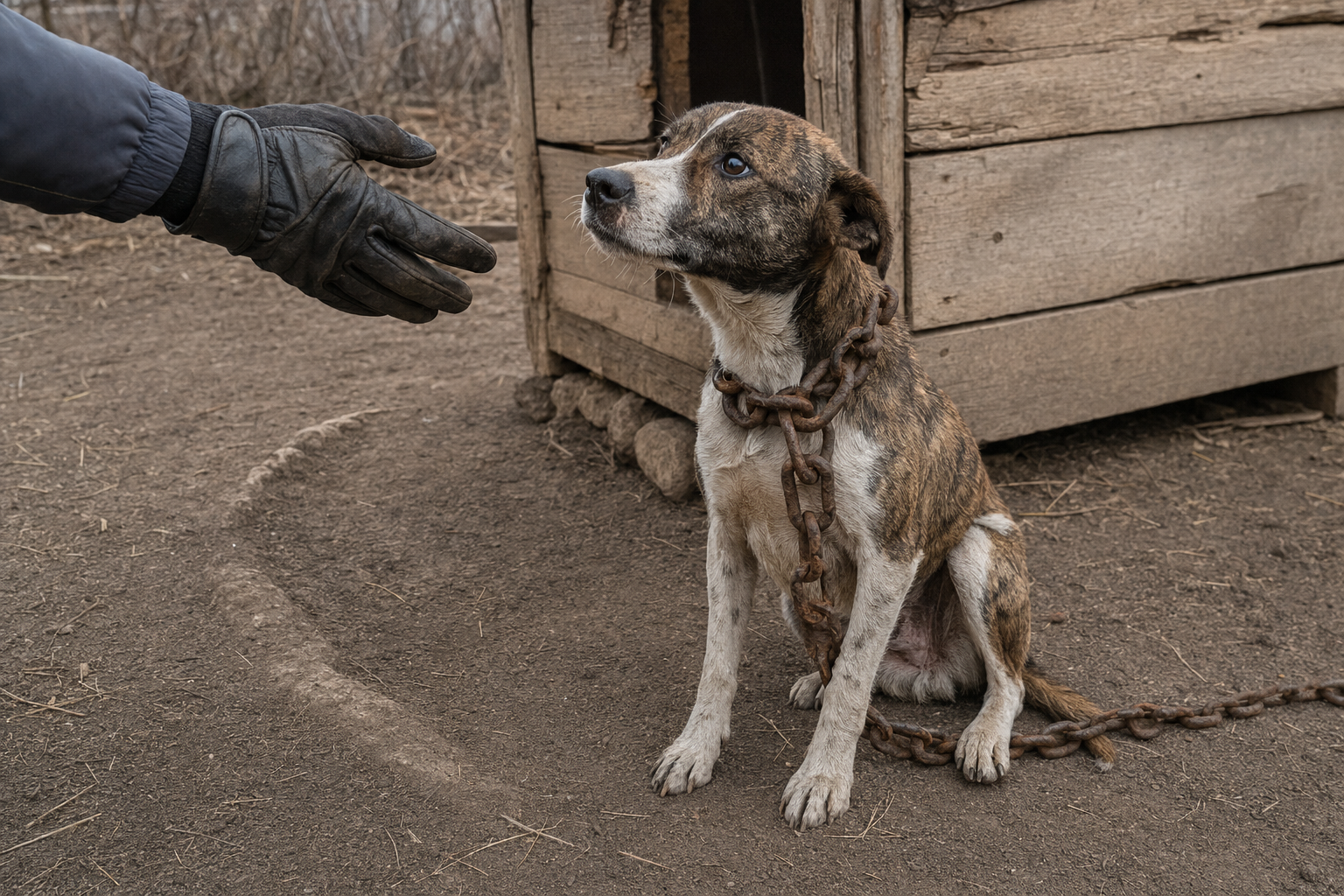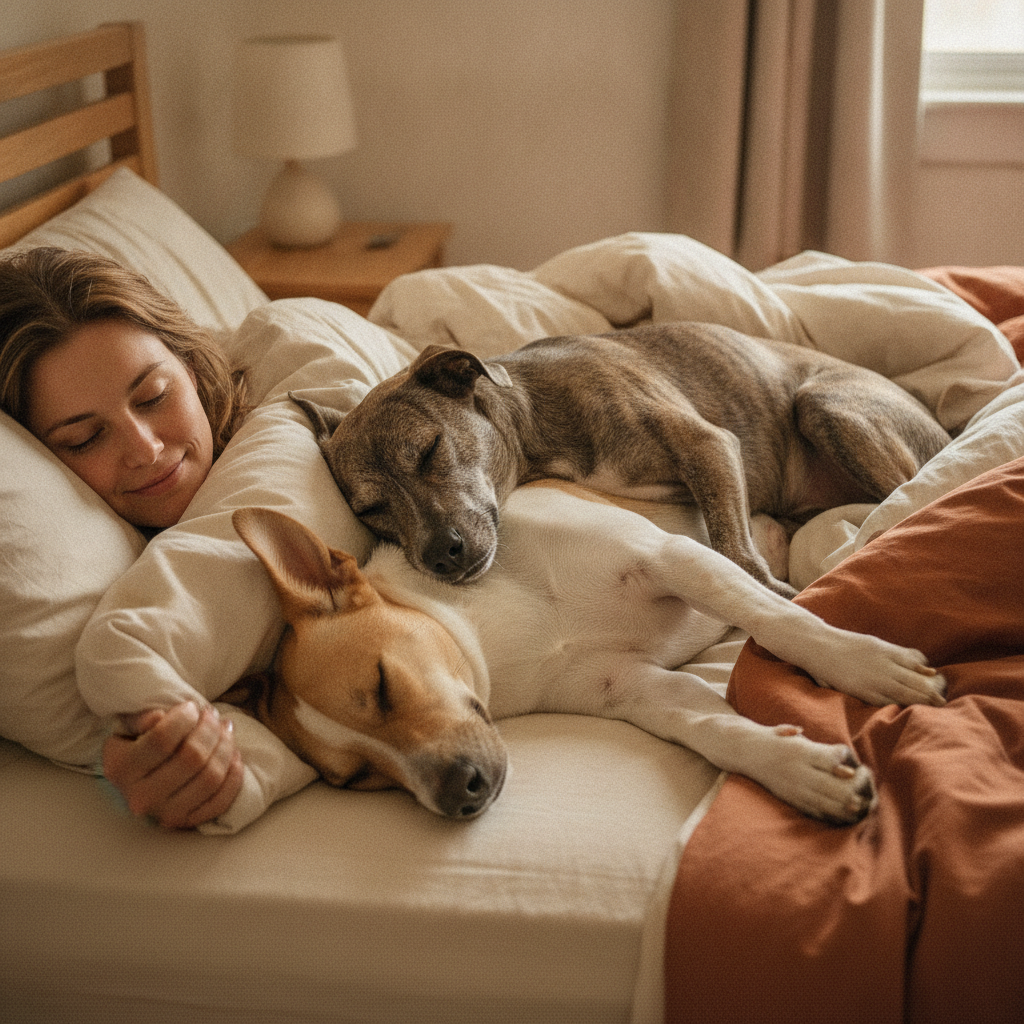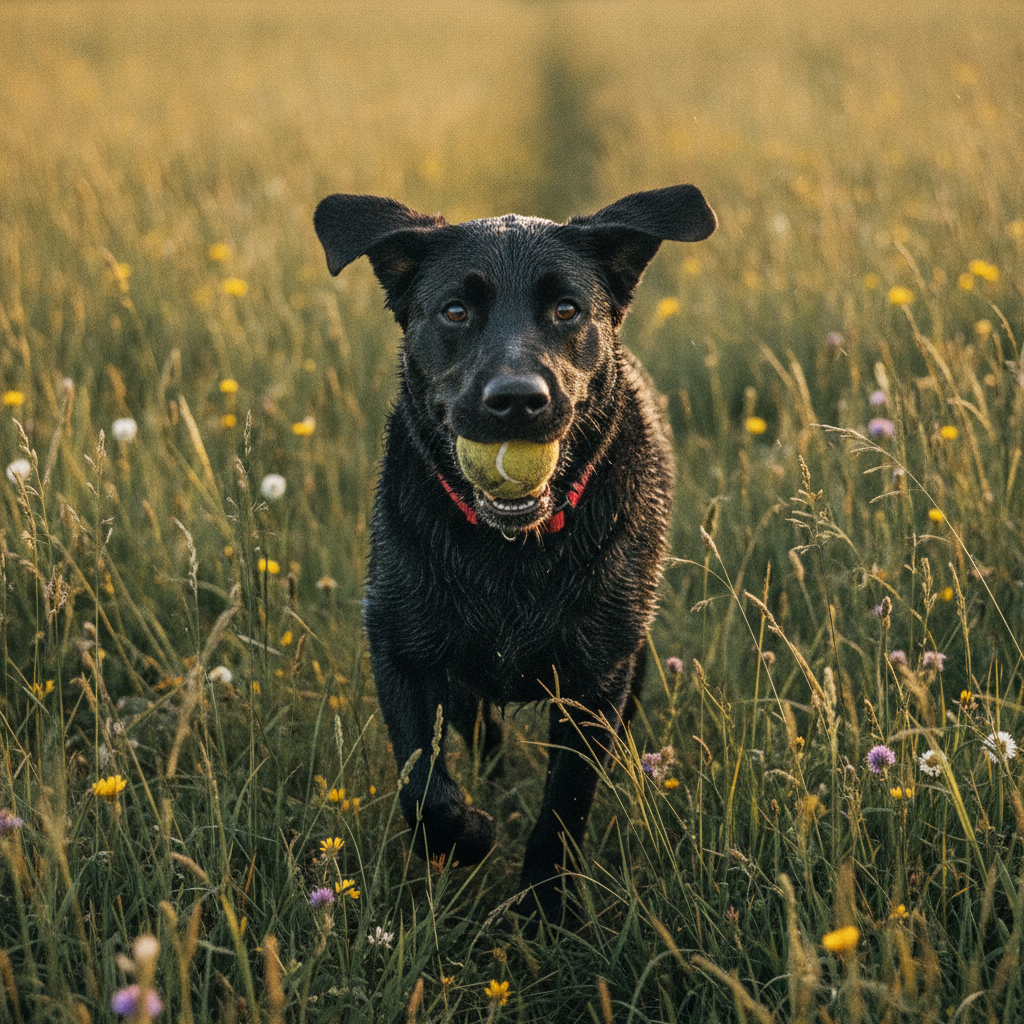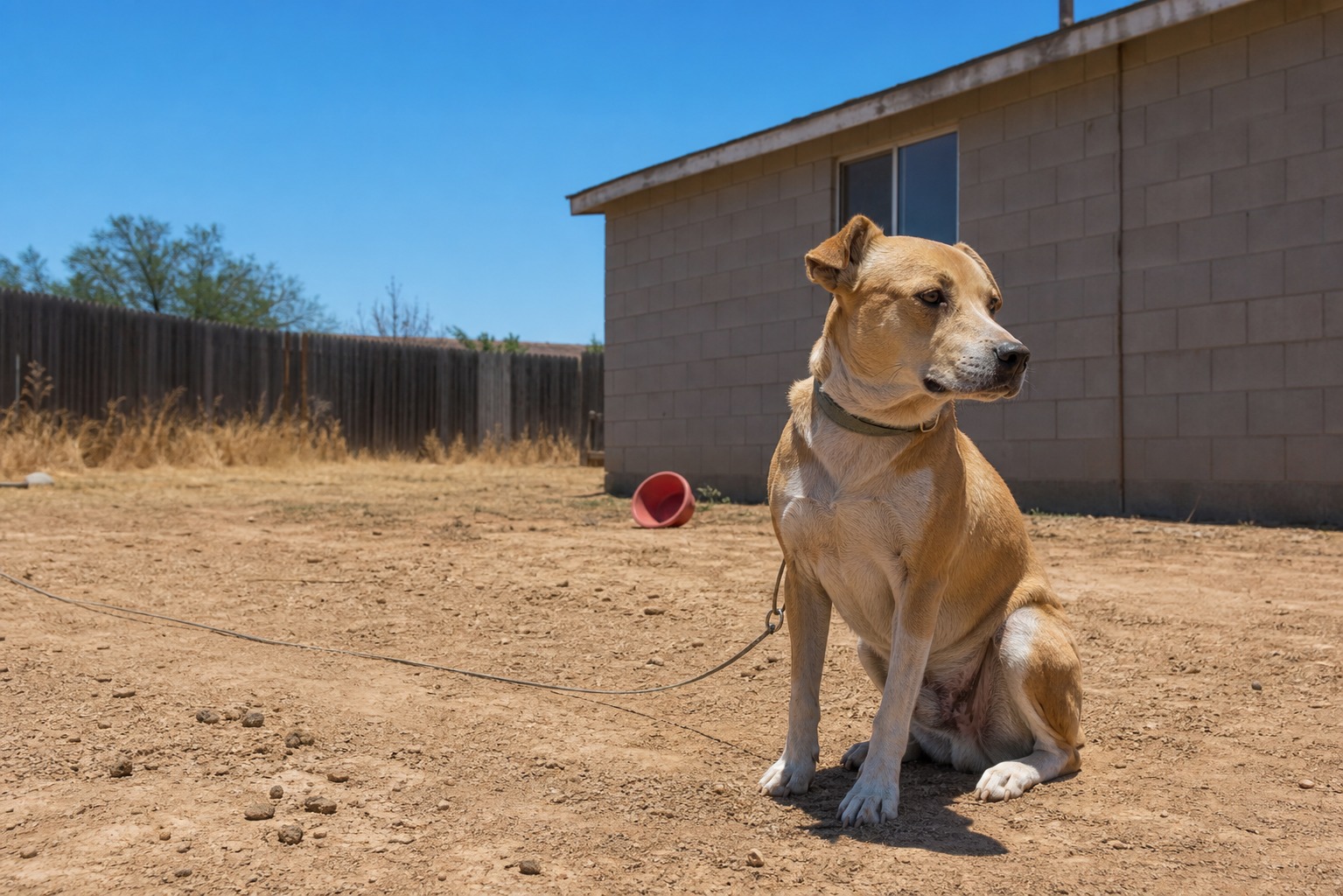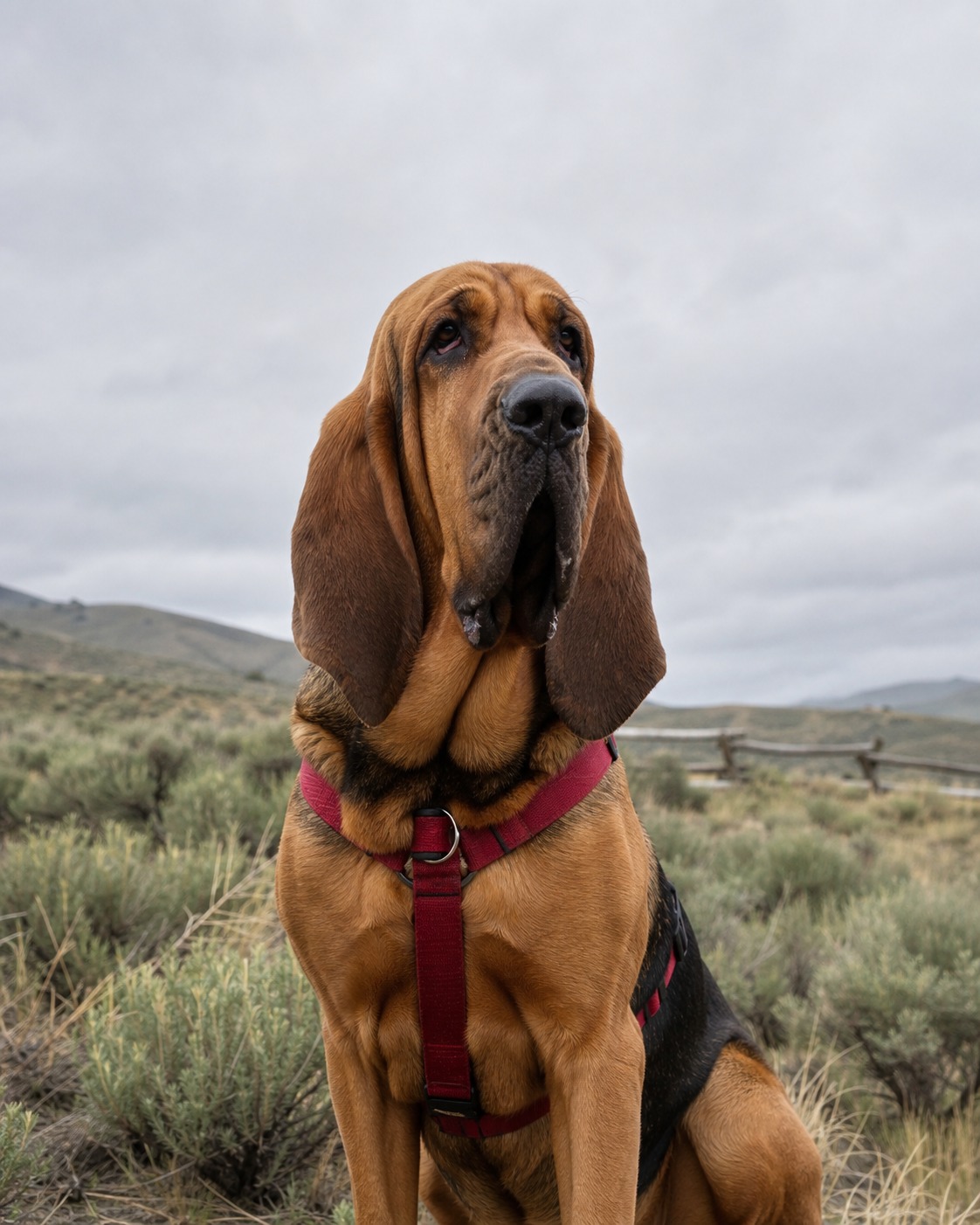
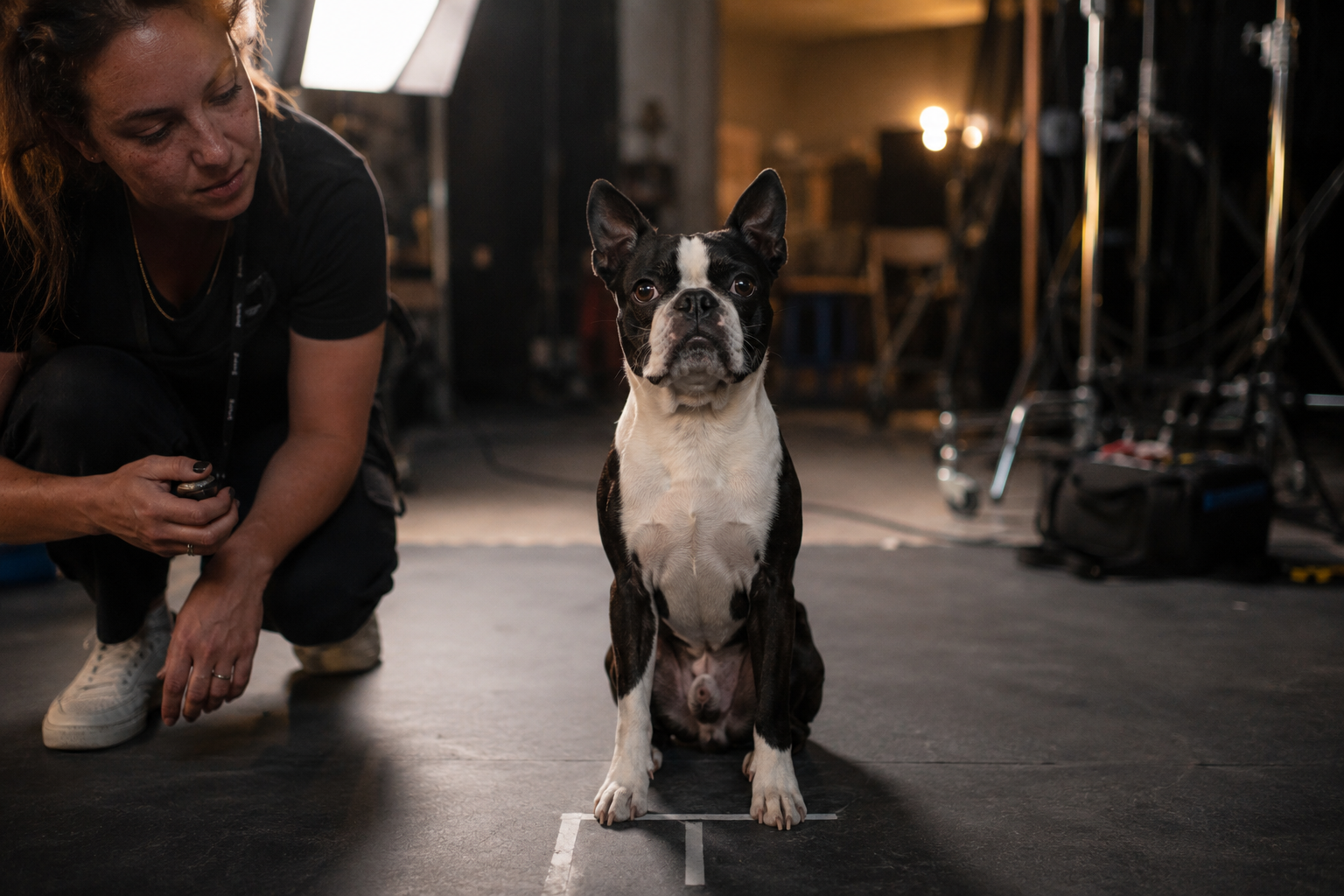
Somewhere in the last month, a commercial or a streaming series put an animal on your screen, and the animal was flawless: hit the mark, held the gaze, made it look like nothing. Whatever you were doing at the time, odds are your own pet was asleep against your leg, contributing nothing. The thought arrives on its own. Mine could do that. Maybe so. But the distance between that thought and a paid booking runs through an entire industry with rules of its own, and almost none of those rules concern how good-looking your animal is.
To understand what really gets a pet on screen, it helps to hear from someone who does it for a living. Pets on Q, an animal talent and media agency operating out of Los Angeles, is among the largest outfits of its kind, and its founder and chief executive is Colleen Wilson. The roster spans working set animals and the pet influencers who now dominate a chunk of the business. Wilson is also the figure at the center of Pet Stars on Netflix, a docuseries that trailed her and her business partner, Melissa May, as they built careers for clients furred, scaled, and feathered. She did not come up through Hollywood. She was a mortgage banker who trained dogs on the side, apprenticed with a professional trainer doing on-set work, found her niche as a pet agent, and eventually quit finance to run the company full time. In other words, she knows exactly what the job asks of an animal, and of its person. Here is what she says actually matters.
The mistake almost everyone makes
Before anything else, understand the single biggest error hopeful pet parents make: they treat it as a hobby. By Wilson’s account, the owners whose animals actually break through run the thing like employment, and they do it while holding down whatever job already pays their rent. Auditions, ongoing training, staying reachable, the driving, the basic professionalism of showing up prepared: add it together and it is real labor, and dabbling almost never produces a working animal. If you are picturing occasional glamour, recalibrate now. The glamour is the thin top layer over a lot of ordinary effort.
The best set animals are the most loved ones
There is a myth that professional animals are bred and drilled like machines. Wilson’s experience is close to the opposite: the best set animals are very often the ones who are deeply loved at home. She is pointed about the alternative, describing operators who keep multiple animals purely to earn money off them, and who may neglect, under-feed, or mistreat those animals on set when they do not perform on command. She built Pets on Q in part to change how the industry works, and part of her approach is simply refusing to work with people who treat animals that way. A pet who is cherished, secure, and well cared for is not just the ethical choice; it tends to be the better performer.
Socialization is the real audition
If there is one trait that separates a castable animal from one who will struggle, it is socialization. Define it plainly: an animal who takes unfamiliar people in stride and doesn’t come apart in an unfamiliar room. Now consider that a film set is nothing but unfamiliar people in an unfamiliar room. Some animals are simply too anxious for it. Others eat it up, enjoy the training, and treat every novelty as interesting rather than threatening. A sudden light flaring on set might briefly startle a good candidate, but a confident, comfortable animal shakes it off rather than melting down. Frightened animals do not get hired, and for good reason.
This is exactly why cats, despite their popularity, are among the hardest to cast. The honest test is whether your cat is used to leaving the house at all. Would they be okay somewhere loud and strange, or are they the kind to bolt from the vacuum and vanish under the couch when guests arrive? If it is the latter, set work is probably not a fit, no matter how much a camera might love their face. Being adorable is table stakes. Being unshakable is the actual qualification.
Most jobs go to cats and dogs (but the exceptions are wild)
Requests do come in for other animals, but they are comparatively rare; cats and dogs dominate demand by a wide margin. And when a production does want something else, the ask tends to be so precise that no amount of preparation would have readied you for it. One film needed a rat capable of swimming laps around a pool. Another needed a rabbit for a death scene, which in practice meant a rescue rabbit sitting comfortably off to one side while a painted stuffed stand-in absorbed the drama. The takeaway for most pet parents is simple: if you have a cat or a dog, you are in the species pool that actually books.
The role may not resemble your dog at all
Here is a piece of the reality that catches people off guard. Once the camera rolls, your pet is a character, no different from the humans around them, and the character may bear no relation to the animal you know. Sometimes an animal is used in a stereotyped way, or asked to do something you would not choose. Wilson has taken a genuinely sweet Doberman onto a music video set where the job was to look menacing amid dry ice and bark on cue, precisely because Dobermans get typecast as fierce despite mostly being gentle. The dog, for the record, had a great time. The same pattern shows up whenever a production books a reptile to play the villain, when the snake in question is perfectly nice. If you sign up for this work, you sign up for the possibility that your pet will be cast against their real temperament, and you have to be okay with that.
Tricks help, weird tricks help more, and none of it guarantees anything
The deeper and more polished your pet’s training, the higher the pay tends to climb, and it climbs fastest when an animal can pull off something genuinely rare. Wilson lights up about the oddest talents, the cat who could operate a golf cart, the cat who could do a backflip, because rare skills are memorable. But, and this is the sobering part, a special skill is no promise of work. Suppose a production is hunting for a cat who can do a backflip and you happen to own the one cat on earth who can. If the script says the cat is black and yours is a tabby, the trick buys you nothing. The decision was never yours or your agent’s to make; it belongs to a casting director or a producer holding a mental picture you cannot see and cannot argue with. Train your pet because it makes them a better candidate and because they enjoy it, not because a trick is a golden ticket. It is not.
Rescue pets book just as often, and doodles almost never do
Good news for shelter adopters: a rescue books at the same rate as a dog with papers. What decides it, once again, is whether the animal has been trained and properly socialized, and the training need not come from a professional to count. The gentle Doberman from that music video was trained entirely by her owner and was more than up to the job, and, importantly, had fun doing it. What productions want, Wilson says, are animals who finish the day still happy and looking for a belly rub. As for which breeds are hot, it depends entirely on the project, with one curious exception: doodles, wildly popular as pets, almost never get cast. No one is quite sure why. Casting directors just are not interested.
The money is not what you think
If you are picturing riches, adjust your expectations sharply. A set animal’s day rate opens somewhere around $250, and once you subtract the driving, the waiting, and the training that got you there, the math stops being about money. Which means the work has to be worth doing for itself, to you and to the animal, or it isn’t worth doing. Oddly, the people handling the animals out-earn the animals themselves, thanks in part to union membership, a protection that doesn’t exist for pets and their owners. Bigger jobs can pay well, Pets on Q has put animals in Super Bowl spots and major films, and those checks dwarf what an independent, non-union music video offers. But those are the exceptions. Treating this as a path to wealth is the fastest way to be disappointed.
The industry has tilted toward influencers
One of the biggest shifts in this business is where the work now lives. Traditional on-set animal jobs contracted as productions trimmed the number of bodies on set and as advertisers moved money from expensive commercial shoots toward direct marketing through pet influencers on Instagram and TikTok. Wilson’s company represents both worlds, on-set talent and social-media pets, and the influencer side has grown enormously, with a large roster of animal creators building real followings and real income through brand partnerships, some of the top ones earning six figures. Interestingly, there is little crossover between the two worlds. A famous internet animal often prices itself out of a production’s budget, and both those pets and their owners tend to come with more demands than a set wants to manage, so the local-TV-spot hopeful isn’t really going up against the big online names. They are largely separate lanes.
The temperament that runs underneath all of it
Notice what keeps surfacing in every one of these points. It is not looks, not tricks, not breed, not even talent. It is temperament plus a humble, hardworking human. The entertainment business is fickle and crowded, and if you are difficult to work with, you will simply stop getting called. Which sits in tension with the other half of the job: someone in that room has to speak for the animal, and it is you. Being easy to work with cannot mean going quiet when the people around your pet stop looking after them properly. Wilson’s company has become a go-to for productions that want animal-welfare oversight on set, and it regularly works with shelter animals, which is a small, lovely wrinkle: a brand booking shelter kittens for a shoot generates promotional material that helps those animals get adopted, and the fee helps cover their care. The humane version of this industry is possible, and it starts with people who stay humble and keep their animal’s wellbeing first.
What’s new since this was written
The center of gravity has kept moving toward the internet, and faster than the traditional-set framing suggests. The pet influencer economy has matured into the main event rather than a side hustle, with talent agencies now managing thousands of animal creators and the top-earning pets pulling in serious money through brand deals. If your real goal is to get your pet “working,” the most realistic modern path for most people is not a casting call for a film; it is building a genuine, well-produced social presence, which rewards the same underlying traits, a confident animal and a diligent, professional human, that set work always did.
A couple of practical notes for today. The economics of on-set work were also reshaped by the 2023 Hollywood labor strikes, which paused productions industry-wide and pushed even more advertiser spending toward creators; expect traditional booking volume to stay competitive. And whichever lane you consider, the welfare guardrails matter more than ever: the American Humane “No Animals Were Harmed” program still monitors animal action in film and television, so working with reputable, welfare-minded representation protects your pet as the business keeps shifting under everyone’s feet.
If your pet is well trained, well socialized, genuinely enjoys being the center of attention, and finishes a busy day still wanting a belly rub, it can be a real kick to try. And if it turns out not to be for the two of you, there is an excellent consolation prize waiting at home on the couch. That is a pretty good gig too.
References
- Pets on Q. Official site and press. petsonq.com
- “Animal Magnetism: Colleen Wilson helps pet stars find the spotlight.” Bryant News. news.bryant.edu
- American Humane. “No Animals Were Harmed program.” humaneworld.org / americanhumane.org