


These Dog Beds Are Handwoven by Indian Artisans, Not Stamped Out in a Factory
Designer Leah Singh turned a dying textile craft into bold, geometric dog beds built to survive a digging dog, and to keep a generation of weavers in work.

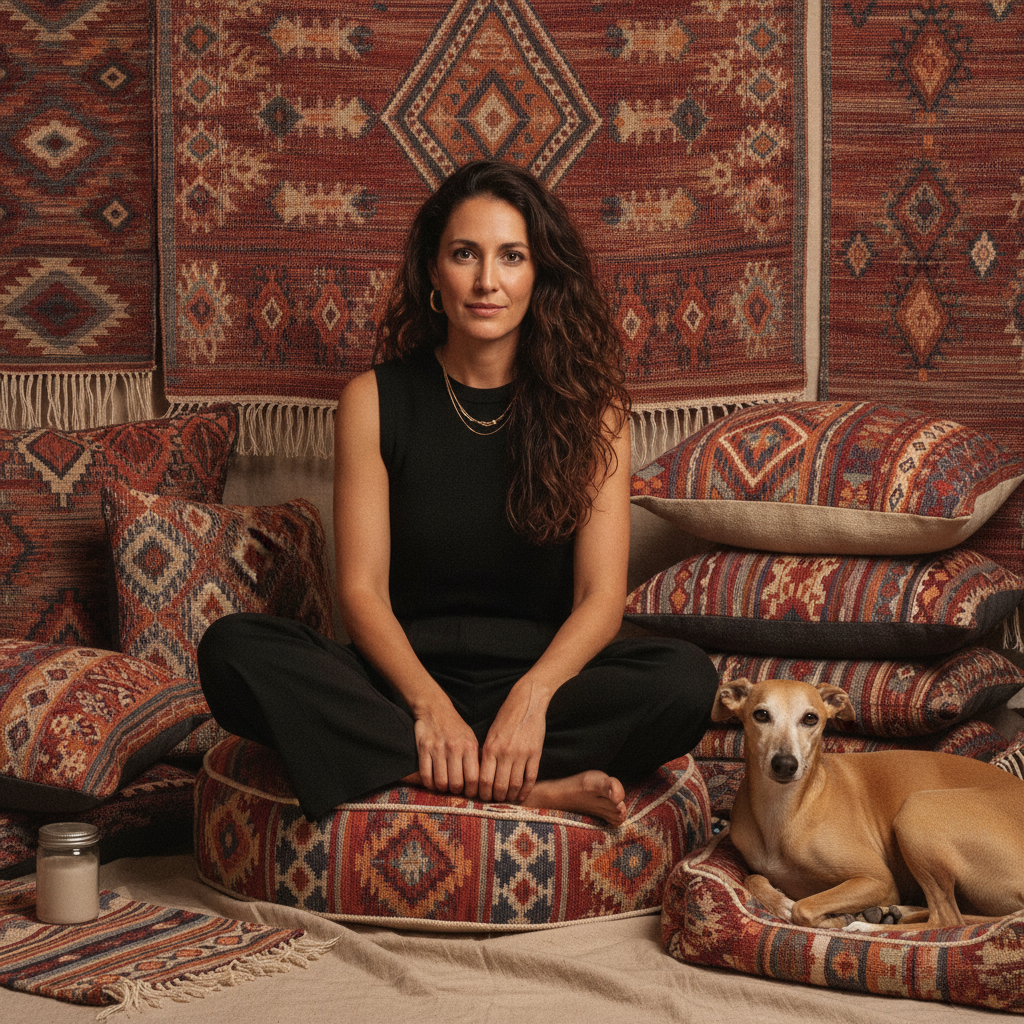
Most dog beds are a supply-chain afterthought, a foam slab wrapped in polyester and shipped by the thousand. Leah Singh’s are close to the opposite. Each one is handwoven by artisans in India, using traditional techniques the designer has spent years trying to keep alive, and they happen to double as the rare pet accessory you’d actually leave out when guests come over.
Singh is a designer and entrepreneur who splits her life between Delhi and New York, and both cities show up in the work: the color and pattern of her Indian upbringing, filtered through the design sensibility of the city she trained in. Her line of handcrafted pillows, tapestries, rugs, and throws all carries the same fingerprint. The dog beds arrived more recently, inspired by her senior dog, Noor Jehan. Singh wanted her pup to have something that fit the aesthetic of her home rather than clashing with it, so she adapted her signature brightly colored handwoven fabric into a bed and figured she’d try making them herself.
Built to take a beating
The design instinct here is worth pausing on, because it’s where a lot of “designer” pet gear falls apart, literally. Singh’s beds use a heavier woven cotton that’s machine washable, and she deliberately left out delicate embroidery or anything that could catch when a dog digs, circles, or scratches. The weaving technique comes from a western Indian tradition she’d already used for pillows and rugs, so she knew it could take abuse.
That’s a useful lens for anyone shopping handmade textiles for a pet. Beautiful and functional aren’t automatically the same thing. What you want is fabric that survives a washing machine and a surface with nothing fussy for a claw to snag, which is exactly the trade-off Singh engineered for.
Keeping a craft from disappearing
The beds sit on top of a bigger mission. Singh studied product design at Parsons in New York, then moved back to India and initially built a business making jewelry from repurposed materials. It was wandering the craft fairs of Delhi, where artisans travel in from villages across the country, that redirected her. She fell for the textiles, the techniques, the colors, and met an artisan group she began developing fabrics with.
She also learned something sobering: many of these traditional crafts were fading, because the artisans’ children were leaving for cities rather than inheriting the work. Singh decided she wanted to help keep the craft alive and find new markets for it, pairing traditional methods with her own modern aesthetic to reach a different kind of buyer and, crucially, provide income for the makers. She switched fully from jewelry to textiles and traveled to find artisans working in the specific methods that let her use the bold colors and patterns she loves.
Sustainability that was already there
Singh thinks about sustainability at every step, but her version is refreshingly unglamorous. Because the artisans have been doing this work for generations, they already have local sources for their raw materials and a supply chain that was sustainable long before it was a marketing term. Her role, as she describes it, has largely been to plug into a system that already worked. From there, she keeps the pressure on packaging and waste, trying to minimize both wherever she can.
Where the patterns come from
Ask about her design influences and the references skew architectural: the Bauhaus movement, art deco, the geometry of straight lines and repeating shapes. She says she doesn’t chase trends so much as absorb ideas from wherever they strike, a striking color combination glimpsed on a stranger’s coat, the shift between Delhi and New York. With most of her clients based in the US, the beds are, in a sense, a small export of Indian craft, arriving in American living rooms as something a dog can happily destroy-test and an owner can be proud to display.
Sasha Ford is a certified cat behaviour consultant who has worked with shelters, catteries, and private clients across the country. They review all feline behaviour content at The Pet Times, with expertise in multi-cat households, indoor enrichment, and stress-related disorders.
Meet our experts ↗Keep reading
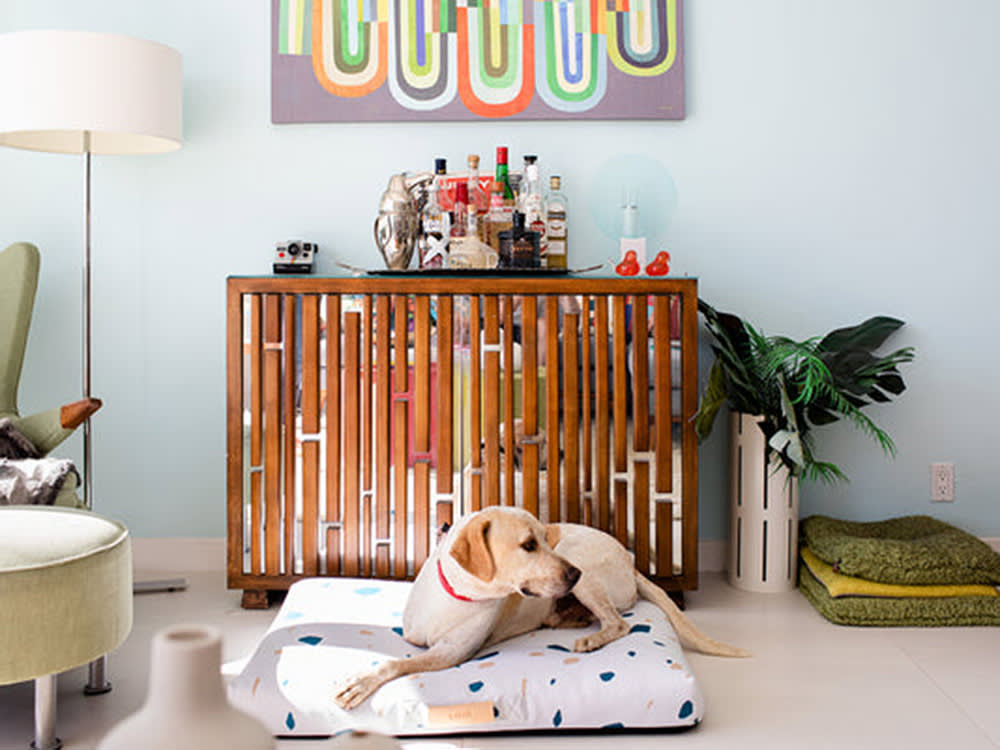 Product PicksThe Prettiest Dog Bed of the Terrazzo Era Was Really an ElegyNina Vasquez · 5 min
 Product PicksYour Dog's Bed Is Wrecking Your Living Room. These 5 Won't.Leila Torres · 5 min
 Product PicksZara's Pet Collection Is Beautiful. Half of It Shouldn't Go Near a Dog.Sasha Ford · 8 min
 Product PicksYour Sheets Are a Fur Magnet. This Bedding Was Built to Fight BackNina Vasquez · 4 min
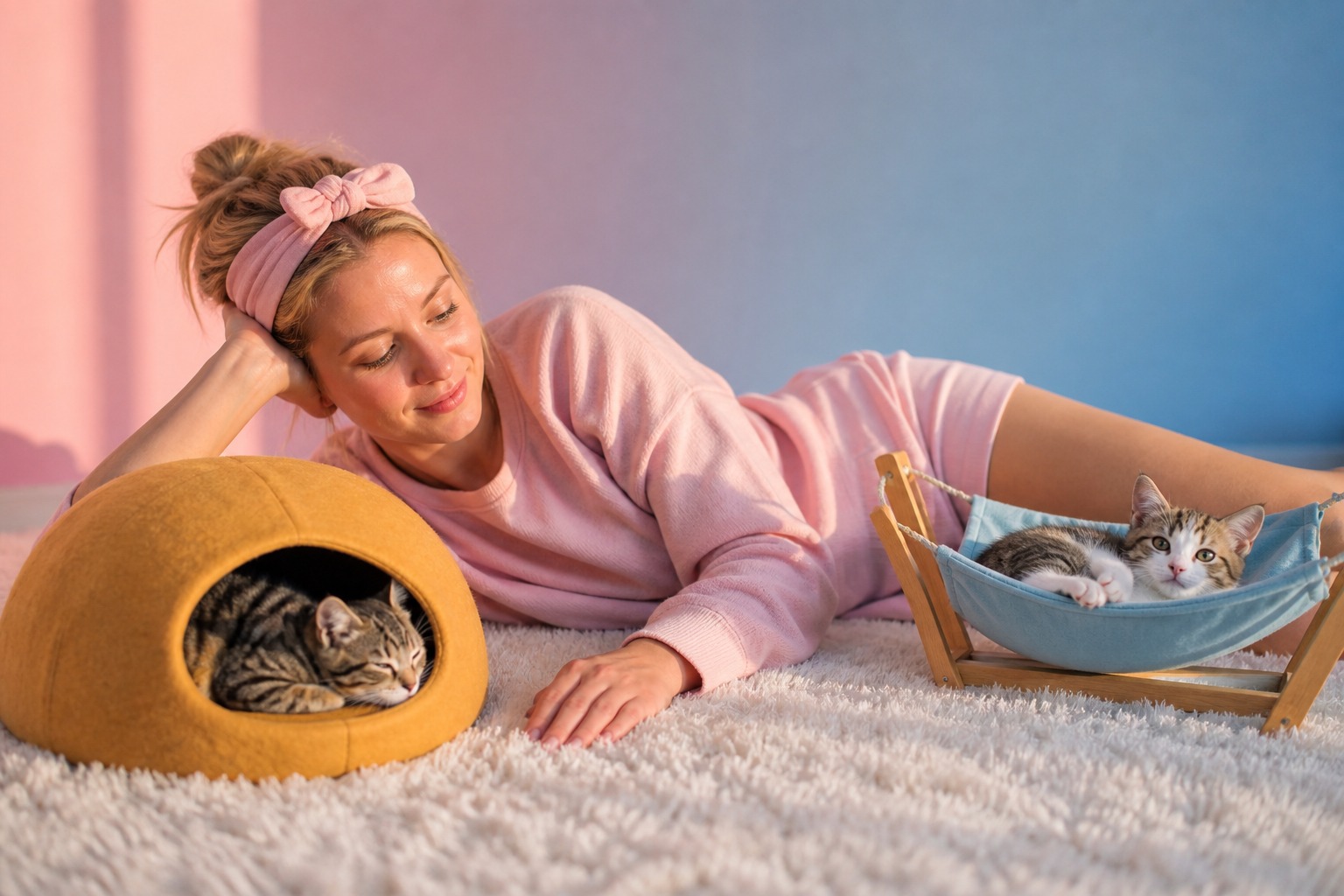 Product PicksWhere Your Pet Sleeps Is an Instinct, Not a Decorating ChoiceSasha Ford · 13 min
 Product PicksThis Brand Treats Your Dog's Bed Like Real Furniture. It Started With a Scared Labrador.Marcus Webb · 5 min