


When ICE Detains an Owner, the Dog Is the Collateral Nobody Planned For
Immigration raids are leaving pets behind with no notice and no plan. Here's what's happening to those animals, and the concrete steps neighbors and owners can take before a crisis hits.

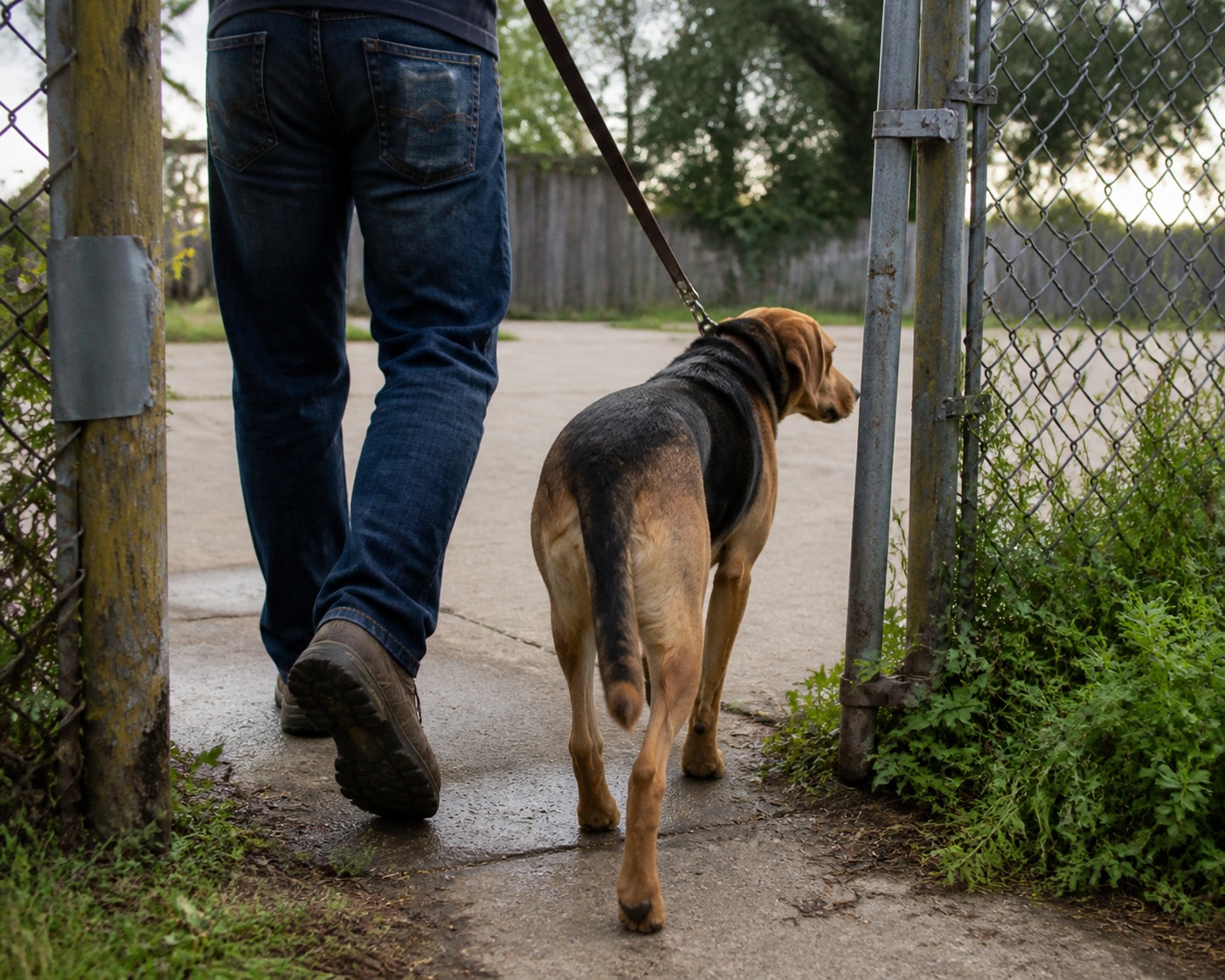
When someone is detained by Immigration and Customs Enforcement, it usually happens without warning, and that is exactly why pets have become an overlooked casualty. Most people stopped on an ordinary day have no arrangement in place for a dog or cat waiting at home. As enforcement intensified in early 2026, animal rescues began reporting a new and painful category of need: pets suddenly separated from families who never got the chance to plan.
This is not an abstract worry. In Cape Coral, Florida, Samantha Blain of Adopt and Save a Life Rescue Mission said in an interview with a Florida ABC station that her group had already absorbed around a dozen dogs whose people were removed from the country and had no choice but to leave the animals behind, and she suspected far more cases had gone unreported. The pattern repeats in the Upper Midwest, where a large-scale sweep in the Minneapolis area, reported under the name Operation Metro Surge, left pets alone and bewildered.
What actually happens to these pets
The scale is showing up in the data. In Minnesota, St. Paul Animal Services recorded a 38 percent increase in stray, seized, and relinquished cats and dogs in January 2026 compared with January 2025, and the Animal Humane Society in Golden Valley documented pets surrendered specifically because of immigration enforcement. Very few families have a plan for their animals to be cared for the way they are used to if a parent suddenly does not come home.
Rachel Mairose, who runs the Minnesota rescue The Bond Between and has become a leading voice on animals caught up in detentions and deportations, describes these pets as cherished family members whose owners never anticipated being taken into custody when they were. With no window to arrange anything, the animals often end up parked with a neighbor or fending for themselves in far-from-safe conditions, an outcome that wounds the pets and their families alike.
How the support system works
According to Mairose, effective help in Minnesota has looked more like coordination than pure crisis response. The work often starts with helping neighbors, friends, or relatives understand the correct first steps, beginning with contacting animal control. Minnesota shelters have a required five-day stray hold, during which a pet cannot be adopted out or placed in foster care even when there is a known guardian.
Once that window passes, a rescue like The Bond Between can take over, offering temporary foster care when a family might still be reunited, or a surrender path when reunion is off the table. Its foster program will house a dog free of charge for as long as three months, and the group layers on food deliveries, access to veterinary care, and boarding, all handled quietly to guard each family’s privacy. The aim, whenever it can be reached, is to put people and their animals back together.
How to plan ahead, if you’re at risk
For anyone living with the fear of detention, Mairose urges putting a pet-care plan in place now, while there is still room to think clearly, drawing on people you trust. The essentials she outlines:
- Designate someone reliable who could take custody of your animal on a moment’s notice.
- Leave written care notes covering your pet’s routine, diet, and medical needs.
- Point that person toward the help nearby, from area rescues to pet-food banks.
- Have vaccination and vet records ready to hand off, or share copies ahead of time.
The way Mairose puts it, getting ready is not a matter of assuming disaster. It is a way of safeguarding your relationship with your animal whatever comes.
How to be the neighbor who steps up
The responsibility cannot rest only on the people most at risk, who may lack the time or resources to take these steps even though they are worried sick about their animals. This is where a community makes the difference. Neighbors can volunteer to be a pet’s emergency contact, help store supplies, or pass along information about local resources.
Specific offers beat vague sympathy. Volunteer to drive a neighbor’s dog to appointments, and get their signed permission to pull records if it ever comes to that. Offer to handle daily walks, to serve as a fallback foster home, or to drop off supplies. On a larger scale, local groups can team up with animal-welfare organizations to hand out food, arrange care, and route families toward trustworthy help.
Often the most powerful thing is just to talk. Mairose has noted that a single question to a neighbor, whether they have thought through what would happen to their pets in an emergency, can be enough to start a real conversation and take some weight off before any crisis lands.
If this fear is yours, you are not facing it by yourself, and help exists. And if you are not the one at risk, find ways to show up for the people and animals near you the way you would hope someone would show up for you. None of this is theoretical; it is people and their families, and pets belong to those families. Where neighbors choose readiness and connection over silence, more of them come through it with their animals still at their side.
References
- MPR News. “The Bond Between Is Helping Pets Left Behind After Their Owners Were Detained by ICE,” January 2026. mprnews.org
- Star Tribune. “The Pets ICE Left Behind in Minnesota After Operation Metro Surge,” 2026. startribune.com
- The Bond Between. “Support for Pets Affected by ICE Detentions.” thebondbetween.org
Leila Torres leads our Living coverage, from home life and travel to the products and rescue stories that come with sharing a life with animals. She edits and writes across the section, with a soft spot for pieces about the bond between people and their pets.
Meet our experts ↗Keep reading
 LivingHe Flies Infrared Drones Into Disaster Zones to Find the Animals Left BehindJames Okafor · 7 min
 LivingShe Was Convicted of Torturing Animals. The Law Still Called Them Hers.James Okafor · 6 min
 LivingThe Unlikely Shelter Marketing That Works: Kids With PaintbrushesLeila Torres · 5 min
 LivingNearly Half of Abuse Survivors Stay Because of a Pet. These Groups Exist to End That Trap.Nina Vasquez · 7 min
 LivingWhen Fiona Drowned the Power Grid, Puerto Rico's Dog Rescuers Got in the WaterJordan Ellis · 5 min
 LivingHalf of Survivors Won't Leave Without the Dog. Only 12% of Shelters Take One.Nina Vasquez · 9 min