Most “can dogs eat this” foods rely on you to be the gatekeeper. Horseradish is unusual: it largely guards itself. The plant evolved its eye-watering pungency for exactly one reason, to keep animals from eating it, and that defense works about as well on your dog as it does on a garden pest. A dog that gets a taste almost always recoils before consuming a harmful amount. Their own biology does the job you would normally have to.
That flips the usual risk picture. The plain root is not the thing to fear, because a dog rarely chooses much of it. The real hazards are the two situations where that natural brake fails: the sauce horseradish hides inside, which can smuggle in fat, dairy, and toxic alliums, and the rare accidental big dose, where a dog gets far more than a lick before the burn registers. Understand those two exceptions and horseradish becomes easy to manage.
Why the burn is also the safety net
Horseradish (Armoracia rusticana) is a root vegetable in the mustard family, a close cousin of wasabi, cabbage, and broccoli. Its signature heat comes from compounds called isothiocyanates, which are released the instant the root is cut or chewed. In nature, that chemical burst is a defense: it punishes whatever tries to eat the plant.
Fed to a dog, the same compounds irritate the mouth, nose, eyes, and every part of the digestive tract they touch. A lick can bring watery eyes, sneezing, drooling, and a burning sensation, and larger amounts can escalate to vomiting and diarrhea. Yes, isothiocyanates carry antioxidant and even potential anti-cancer interest in human nutrition research. But for a dog, the irritation arrives long before any benefit could, and the amount a dog would tolerate is far too small to matter nutritionally. There is simply nothing in horseradish your dog needs, which is why it earns a skip rather than a recommendation.
Here is the useful part: because the irritation is immediate and unpleasant, most dogs stop themselves. That built-in brake is why a curious lick is rarely a crisis.
The first exception: the sauce is not the root
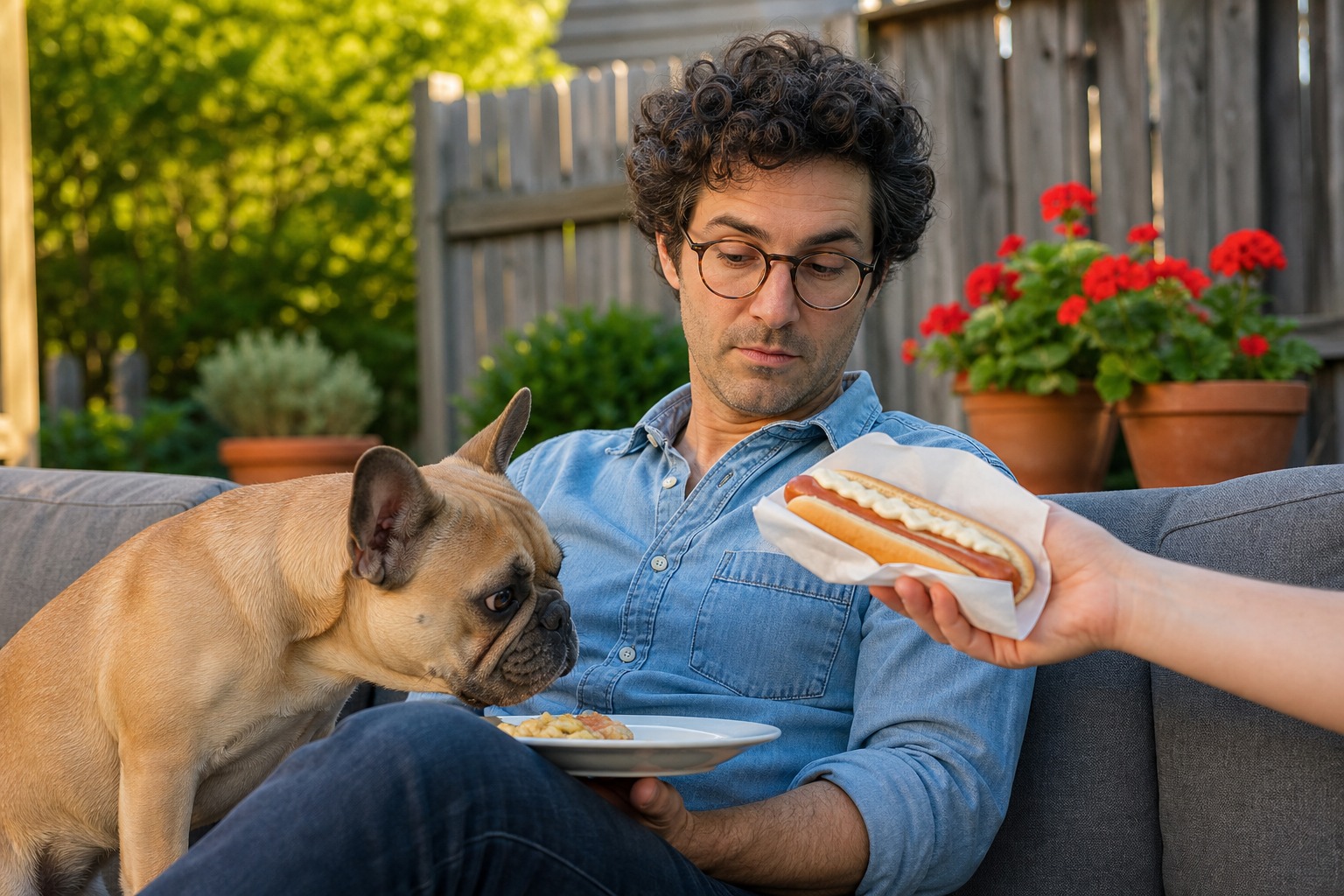
Horseradish almost never reaches a dog as a raw root. It reaches them as a creamy condiment on roast beef, a swirl in cocktail sauce, or a dip, and the sauce can be more dangerous than the horseradish itself:
- Mayonnaise and sour cream add fat and dairy that can upset a dog’s stomach and pile on calories most dogs do not need.
- Onion and garlic turn up in many prepared horseradish sauces and blends. Both are genuinely toxic to dogs, damaging red blood cells in large enough amounts, and unlike horseradish they do not trigger a warning burn to stop a dog eating them.
So the safe assumption is that any horseradish sauce is riskier than the root, and should be treated as an onion-and-fat concern, not just an irritant.
The second exception: the rare big accidental dose
The natural brake protects against a lick, not against a dog that somehow wolfs down a real amount before the burn fully lands, a glob of sauce off a dropped plate, say. In those cases the irritation stops being trivial. Watch for:
- Heavy drooling, vomiting, or diarrhea
- Watery eyes and repeated sneezing (often from inhaling a whiff)
- Swelling of the lips or face
Most of the time even a bigger taste settles within a day or two with a little TLC. But a small number of dogs react more severely, with hives, pronounced facial swelling, or difficulty breathing. Those three signs are an emergency and need veterinary care immediately, not a wait-and-see.
“Horseradish is a food where the dog’s own taste buds usually do my job for me,” says Dr. Priya Nair. “A curious lick almost never worries me. What I watch for is the dog that gets into a real amount before the burn registers, because the irritation can hit the eyes, nose, and gut at once, and a few dogs go beyond that into a true allergic-type reaction. And I always ask what was in the sauce, because that is often where the onion is.”
Better ways to reward your dog
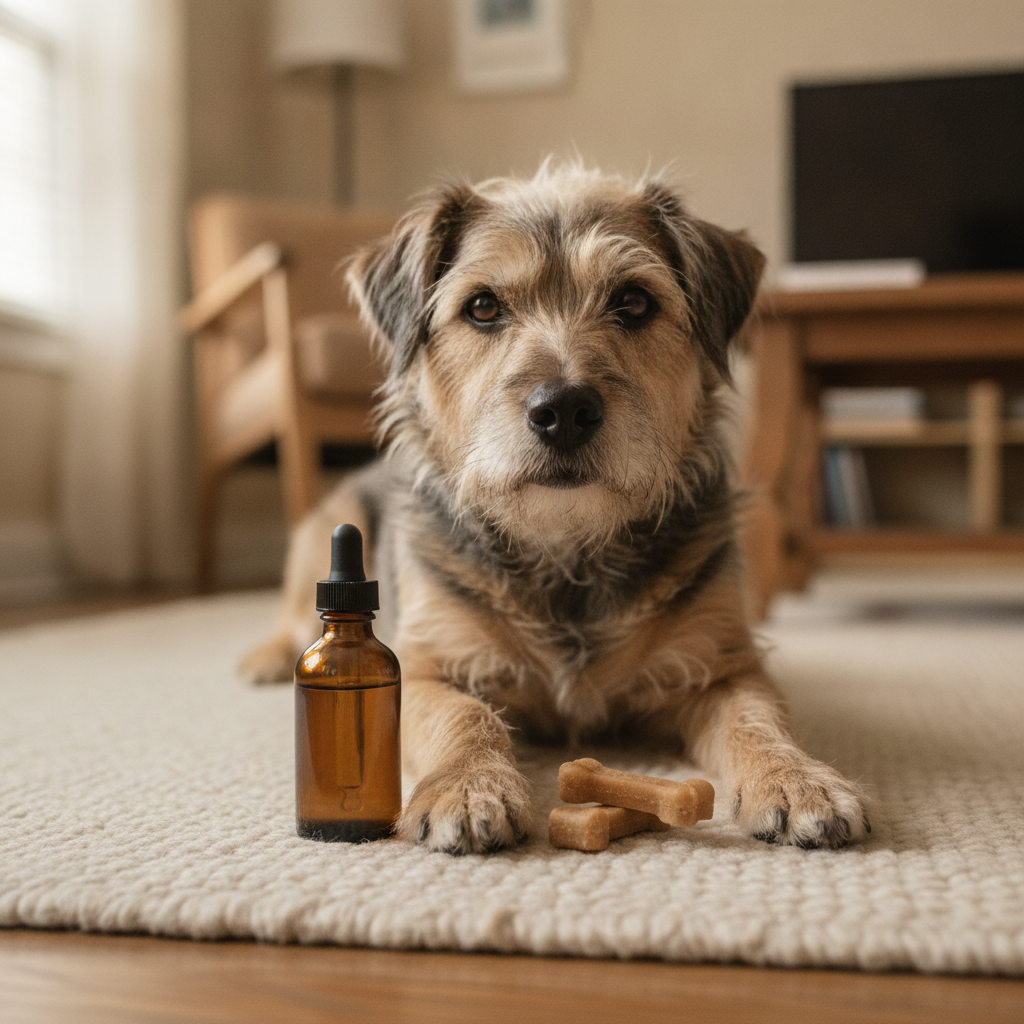
Since horseradish offers a dog nothing but a burning mouth, reach for treats that actually give something back: a bit of lean cooked meat, a spoonful of plain scrambled egg, or one of the many dog-safe fruits and vegetables. Plenty of commercial treats work too, which helps if your dog has dietary restrictions. Your vet can point you to good options.
The bottom line
Horseradish is not toxic, but it is a strong irritant that the plant designed to keep animals away, and that design mostly protects your dog: a lick tends to stop them before any harm is done. Keep it off the menu anyway, because there is no benefit to offset the burn. The two situations that do call for attention are the sauce, which can hide fat, dairy, and toxic onion or garlic, and the rare large accidental dose, especially if it brings hives, facial swelling, or breathing trouble, all of which warrant an immediate vet call.
References
- Oregon State University, Linus Pauling Institute. “Isothiocyanates.” https://lpi.oregonstate.edu/mic/dietary-factors/phytochemicals/isothiocyanates
- Merck Veterinary Manual. “Garlic and Onion (Allium spp) Toxicosis in Animals.” https://www.merckvetmanual.com/toxicology/food-hazards/garlic-and-onion-allium-spp-toxicosis-in-animals
- ASPCA Animal Poison Control. “People Foods to Avoid Feeding Your Pets.” https://www.aspca.org/pet-care/animal-poison-control/people-foods-avoid-feeding-your-pets