


Shelters Are Overflowing. So Where Did All the Fosters Go?
Rescues that once placed 60 dogs a week can barely fill a handful of foster homes now. The pandemic, the algorithm, and the myths keeping good people from signing up.

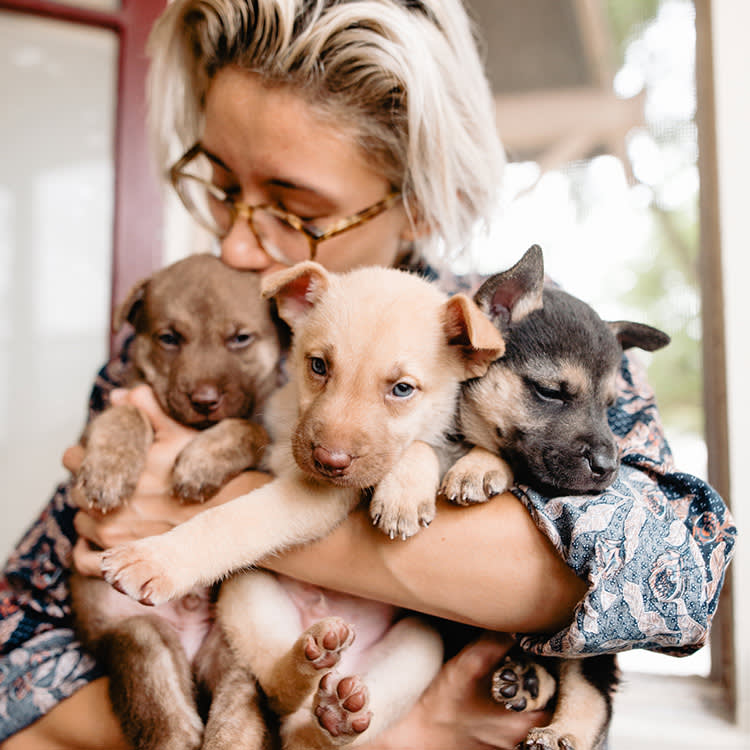
Before the pandemic, Patricia Hough could work miracles. As foster director at Rescue Dogs Rock NYC, a volunteer- and foster-based rescue, she could be told on a Monday that 60 dogs needed foster homes that week and get it done without breaking a sweat. Her network stretched from Virginia to Maine, and it was deep and reliable.
Then something changed. These days, she says, people used to call her a magician, and she’ll tell you the magic is gone: the wand is broken, it’s been in the shop for two years, and it isn’t coming back anytime soon.
She’s far from alone. Lauren Botticelli, director of The Animal Pad, an all-breed nonprofit dog rescue in San Diego, describes the same collapse. With the world back to in-person life, her organization is staring down a major foster shortage. So what happened?
Blame the pandemic (at first, in a good way)
The obvious suspect is the same event that upended everything else: COVID-19. But the twist is that early on, the pandemic was a gift to rescues. At the peak, Botticelli estimates The Animal Pad was fielding at least 30 foster applications a day, a volume the group had never seen. In 2020 it roughly quadrupled its output, rescuing and rehoming about 1,300 dogs versus 360 the year before. Shelters and rescues across the country reported record placements, and a 2021 ASPCA survey found that 23 million Americans, about one in five households, took in a pet during the pandemic.
That heartening number turned out to seed the current problem. Many of those pandemic fosters “foster-failed,” meaning they fell for the dog and adopted it, which is a wonderful outcome for that dog and a lost foster home for the next one. The pandemic also warped how people picture fostering in the first place. Botticelli runs into a stubborn belief that you need a yard or a work-from-home schedule to foster, and it simply isn’t true. Before the pandemic, she notes, none of her fosters worked from home; dogs got crated during the day while people were out, and that was fine. A warm, safe home with a crate beats a shelter kennel or the street every time. Hough hears the same myth, and points out that in the pre-pandemic years plenty of fosters held office jobs and either used a dog walker or were provided one by the rescue.
Fewer volunteers, more dogs
The shortage is cruel precisely because demand is surging at the same moment supply is falling. Returns of pandemic-era adoptions have climbed. In the first nine months of 2022, according to the nonprofit Shelter Animals Count, more animals entered shelters than left them, by a margin of 7.3 percent. Money is a big driver: a LendingTree survey found that a quarter of pet parents were struggling to afford their pets amid inflation, and nearly a quarter had taken on debt for pet care. For some families, surrendering the pet felt like the only option.
Botticelli and Hough have seen returns for less desperate reasons too, most painfully around separation anxiety. Dogs adopted by people who were home every single day during lockdown struggled when those people went back to offices, and some owners weren’t equipped, or willing, to do the training. As Botticelli puts it, these were the dogs that got people through the loneliest stretch of their lives, and now some are being handed back because they’re inconvenient and their people won’t put in the work.
Whatever the reason, every returned dog adds to a population that rescues never stopped growing, because they haven’t stopped pulling dogs in need. The result is more dogs than foster homes and, at many shelters, more dogs than kennels.
Shelters have a slightly different origin story. While rescues like The Animal Pad rescued more than ever in 2020, shelters actually adopted out roughly 20 percent fewer pets that year than in 2019, largely because intakes cratered: about 32 percent fewer dogs and 23 percent fewer cats came in, with animal control picking up fewer strays during the crisis. Now shelters need fosters too. As Brent Toellner, senior director of national programs at Best Friends Animal Society, explains, when shelters were under capacity during the pandemic they didn’t lean on foster homes as hard, so longtime fosters drifted away or changed their lives, and nobody was recruiting replacements.
Blame the algorithm, too
The pandemic isn’t the only villain. Hough, Botticelli, and Toellner all point to social media as a growing obstacle. Platforms like Facebook have retooled their algorithms so that only a sliver of a rescue’s followers ever see a plea for help. Hough remembers posts that once pulled a couple thousand views now scraping together 50, sometimes as few as seven.
Toellner reframes the whole crisis through that lens. If the reach problem is real, then maybe this isn’t a shortage of willing people at all, but a failure to reach them. Every single person in a community, he argues, is a potential foster, and communities are not running out of people.
So rescues are getting scrappy. The Animal Pad has taken to handing out flyers at dog parks and doggie daycares, with plans for more public spaces, and has widened its radius, now accepting fosters who live as far as two hours away. That’s a real change; they used to keep fosters close for vetting and emergencies, but as Botticelli says, it’s slim pickings, so the rules had to bend.
They’re also fighting the myths that scare people off. A big one is that fosters get stuck with vet bills. Not so, Hough clarifies: the rescue covers medical costs, as long as you use a rescue-friendly vet, and many will even chip in for food, especially for fosters taking on a bonded pair or several dogs at once. Botticelli tackles another myth, the idea that every dog needing a foster comes with major problems. Most don’t, she says, and rescues provide a lot of support to make the process easier.
Why fosters matter at all
If shelters are overwhelmed, why not just build more shelter space and skip the foster middleman? Because a foster home does something a kennel can’t. As Botticelli explains, living with a dog reveals how it actually behaves in a house, information a rescue can then hand to adopters so they know whether a dog fits before they ever meet it. That pre-work makes for better, more durable adoptions.
And for many organizations, fosters aren’t a nice-to-have; they’re the entire operation. Groups like Korean K9 Rescue in New York City have no physical facility at all. They can only rescue dogs because fosters take them in. The math is unforgiving: a foster-based rescue without fosters simply can’t rescue.
The stakes reach the shelters too. Overcrowding has pushed many facilities to revisit their euthanasia policies, and some are euthanizing more animals than before. In those cases, a foster home is quite literally the difference between life and death. Hough’s answer to all of it is to keep going: she works hard, asks for help with posting and networking now in a way she never had to, and refuses to give up. If she could, she says, she’d save every dog.
What’s new since this was written
The crisis has not eased; if anything it’s deepened. National data compiled by Shelter Animals Count, which partnered with the ASPCA in 2025 to keep the country’s sheltering dataset going, shows rescues and shelters caring for hundreds of thousands more animals than in 2022, with intakes still outpacing outcomes. The pressure now comes from a “perfect storm” of a housing crisis, a veterinary workforce shortage, and ongoing economic strain on families.
Large dogs are bearing the brunt. They’re now sitting in shelters roughly twice as long as they did before the pandemic, and adoptions for medium and large dogs have slipped even as small-dog adoptions tick up. That’s the exact population, big dogs on long stays, where a foster home relieves the most pressure. The encouraging flip side is that fresh recruiting ideas are working where rescues try them, from short-term “field trip” and day-out programs that get dogs out of kennels to broader digital outreach. The throughline hasn’t changed since Toellner first said it: the fosters are out there. The work is reaching them.
References
- Shelter Animals Count. “2025 Mid-Year Report.” Shelter Animals Count
- ASPCA. “New ASPCA Survey Shows Overwhelming Majority of Dogs and Cats Acquired During the Pandemic Are Still in Their Homes.” ASPCA
- Humane World for Animals. “America’s Animal Shelter Crisis: How You Can Help.” Humane World
James Okafor covers rescue, adoption, and the causes shaping animal welfare. His work follows the people and organisations working to give more pets a home, and the issues owners and advocates care about most.
Meet our experts ↗Keep reading
 LivingMost 'Wolfdogs' Have No Wolf in Them. The Lie Is What Fills the Sanctuaries.James Okafor · 7 min
 LivingSouth Korea Banned the Dog Meat Trade. Nobody Planned for the Dogs.James Okafor · 9 min
 LivingA Comment on Instagram Got a Two-Legged Street Dog a Mercedes WheelchairJames Okafor · 5 min
 Living93 Dogs Died in Her Care. A Year Later, the Case May Never See a JailMarcus Webb · 4 min
 Product PicksSenior Dogs Don't Have a Pity Problem. They Have a Visibility Problem.Nina Vasquez · 7 min
 LivingThe "World's Ugliest Dog" Winners Aren't Ugly. They're Evidence.Jordan Ellis · 7 min