


Saying Yes to a Foster Dog? Here's the Starter Kit That Sets You Both Up to Win
A foster dog arrives with almost nothing and a lot of unknowns. This is the gear that makes the first week smoother, organized by what you'll actually reach for first, from escape-proof collars to a crate that folds flat between fosters.

Affiliate disclosure. This article contains affiliate links. We may earn a small commission if you buy through a link, at no extra cost to you. How we handle recommendations.

Fostering is one of the highest-impact things a dog lover can do. You give a dog on their way to a permanent home a soft place to land, and you take real pressure off a shelter that is almost certainly short on space and staff. But nobody tells you that saying yes also means a small shopping trip, because a foster dog shows up with a name, maybe a leash, and not much else.
The good news: you do not need everything at once, and much of it is reusable for the next dog. A quick note before the list — always keep feeding whatever food the shelter or previous owner used, and check with your rescue first, since many will help supply the basics. Here is the gear worth having ready, organized not by category on a box but by the order you will actually reach for it in that chaotic first week.
The stuff you need before the dog walks in
An escape-proof martingale collar
This is the single most important purchase, and it is first for a reason: a brand-new foster is a genuine flight risk. Many have never learned to walk on leash, some have never been on a walk at all, and a scared dog will back out of a standard collar in a heartbeat. A martingale gently tightens when a dog pulls back, so it stays put without choking. The
Heads up. does the job for about $10. Once your foster trusts you, you can graduate to a harness.
A simple four-foot leash to match
Skip the bells and whistles here. While a foster is learning to walk — or just learning to trust you — you want them close, which is exactly why a shorter lead beats a long or retractable one. The
Heads up. is a clean, sturdy pick at around $12 and pairs naturally with the collar above.
A fold-flat wire crate
A crate gives a nervous dog a den of their own and gives you a safe way to leave the house. For fosters specifically, look for one that collapses flat for storage and transport, so it tucks away between dogs. The
Heads up. (about $95) is billed as sturdy and escape-resistant, and its mid-range price makes it a smart do-it-all starter you will clean out and reuse for years.
A washable crate pad
The one feature that matters most in a crate pad is a removable, machine-washable cover, because accidents happen and shelter smells linger. An orthopedic mat adds real support, which older or anxious fosters appreciate. Chewy’s
Heads up. (around $25) has a breathable, cooling build on top of the washable cover.
A pressure-mounted baby gate
If you have a resident dog, you will need to keep the two apart until a proper introduction, and even if you do not, a gate lets you confine a not-yet-housetrained foster to one easy-clean room. The
Heads up. (about $40) saves your couch cushions from anxious redecorating.
Potty training and cleanup, because week one is messy
A big stack of pee pads
Assume your foster is not housetrained until proven otherwise, and stockpile more pads than you think you need. The
Heads up. come in an 80-count for about $23 and buy you patience while potty training clicks.
Poop bags that are not quietly greenwashed
A lot of “compostable” bags do not break down the way the label implies. Recycled-plastic bags like
Heads up. (around $12) are made from material that was already headed for the landfill and skip the methane problem of bags that only pretend to compost.
Feeding gear
A no-mess double bowl set
Your foster may or may not be with you long enough to outgrow it, so you want cheap, sturdy, and easy to clean. The
Heads up. has high sides to contain the splash zone and runs a mere $15.
Small, single-ingredient training treats
Treats do double duty with a foster: they are your training currency and your fastest way to prove you are the source of good things. Something simple and limited-ingredient is easiest on an adjusting stomach.
Heads up. (about $7) are a soft, low-drama starting point.
Keeping a bored dog busy (and your furniture intact)
Most destructive behavior traces back to under-stimulation, and you will not always have hands free. A few enrichment items pull real weight here.
A stuffable classic
The
Heads up. (around $14) is less a puzzle than a time machine: pack the hollow center with kibble and peanut butter, freeze it, and hand it over as you leave to keep a dog who panics when alone happily occupied.
A slow-feeder lick pad
For foster novices, a lick mat is a gentle two-in-one — spread dog-safe peanut butter across it and it becomes both a calming activity and a slow feeder. The PetDreamHouse PAW 2-in-1 Slow Feeder & Lick Pad (about $22) is a good, uncomplicated place to start.
A hunt-and-find puzzle
Squeaks plus a searching game is catnip for dogs. With the
Heads up. (around $22), you stuff six squeaky squirrels into a plush tree trunk and your dog’s job is to root them all out.
A teething-safe chew
Puppies hit teething around four months and will gnaw on whatever is available, ideally not your baseboards. The
Heads up. (about $7) has ridges that soothe sore gums while holding a puppy’s interest.
Grooming, for that particular shelter smell
A waterless shampoo. Your foster may arrive carrying eau de kennel and not be ready for a full bath. A no-rinse spray freshens them up on day one without the trauma of the tub. Check it on Amazon ↗ (around $7) uses a light, soothing formula and is an easy, affordable win.
One more thing worth knowing
Keep your receipts. If you foster through a registered 501(c)(3) rescue, many of these unreimbursed purchases — crate, food, supplies — can count as a charitable tax deduction, provided you itemize. It will not make you rich, but it takes a little sting out of the shopping trip, and it is one more reason the answer to “will you foster?” can be yes.
References
- ASPCA. Fostering a shelter dog. https://www.aspca.org/adopt-pet/foster-a-pet
- The Humane Society of the United States. Fostering dogs and cats. https://www.humanesociety.org/
- Internal Revenue Service. Publication 526, Charitable Contributions. https://www.irs.gov/forms-pubs/about-publication-526
Sara Lim leads our Product Picks coverage, testing and comparing the things pets and their owners actually use. From everyday essentials to home-and-style finds, she focuses on honest, useful recommendations rather than hype.
Meet our experts ↗Keep reading
 Living'Recycled' Is Doing a Lot of Work on That Label. 8 Pieces That Earn It.Leila Torres · 6 min
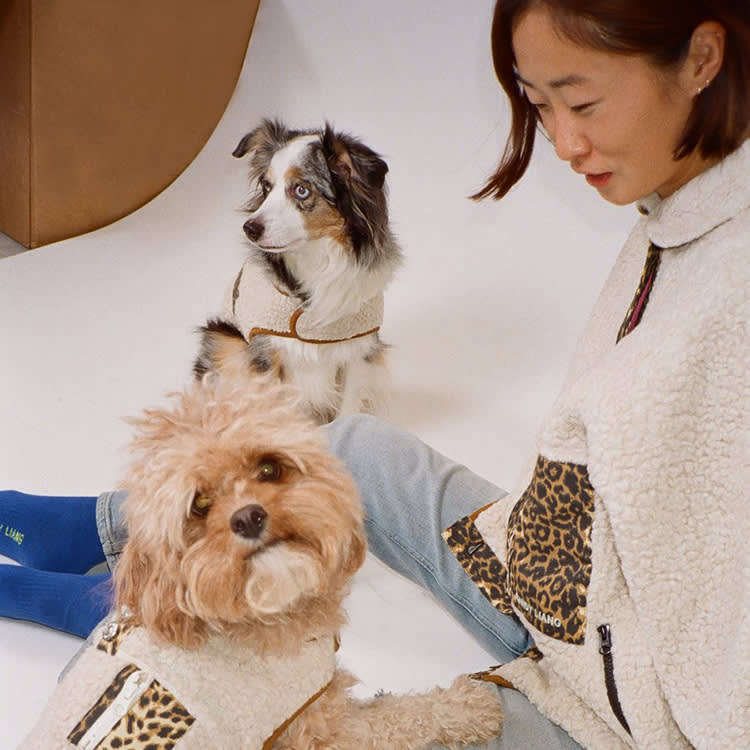 Product PicksHer Fleece Sparks $1,000 Bidding Wars. The Dog Version Is $165.Sara Lim · 5 min
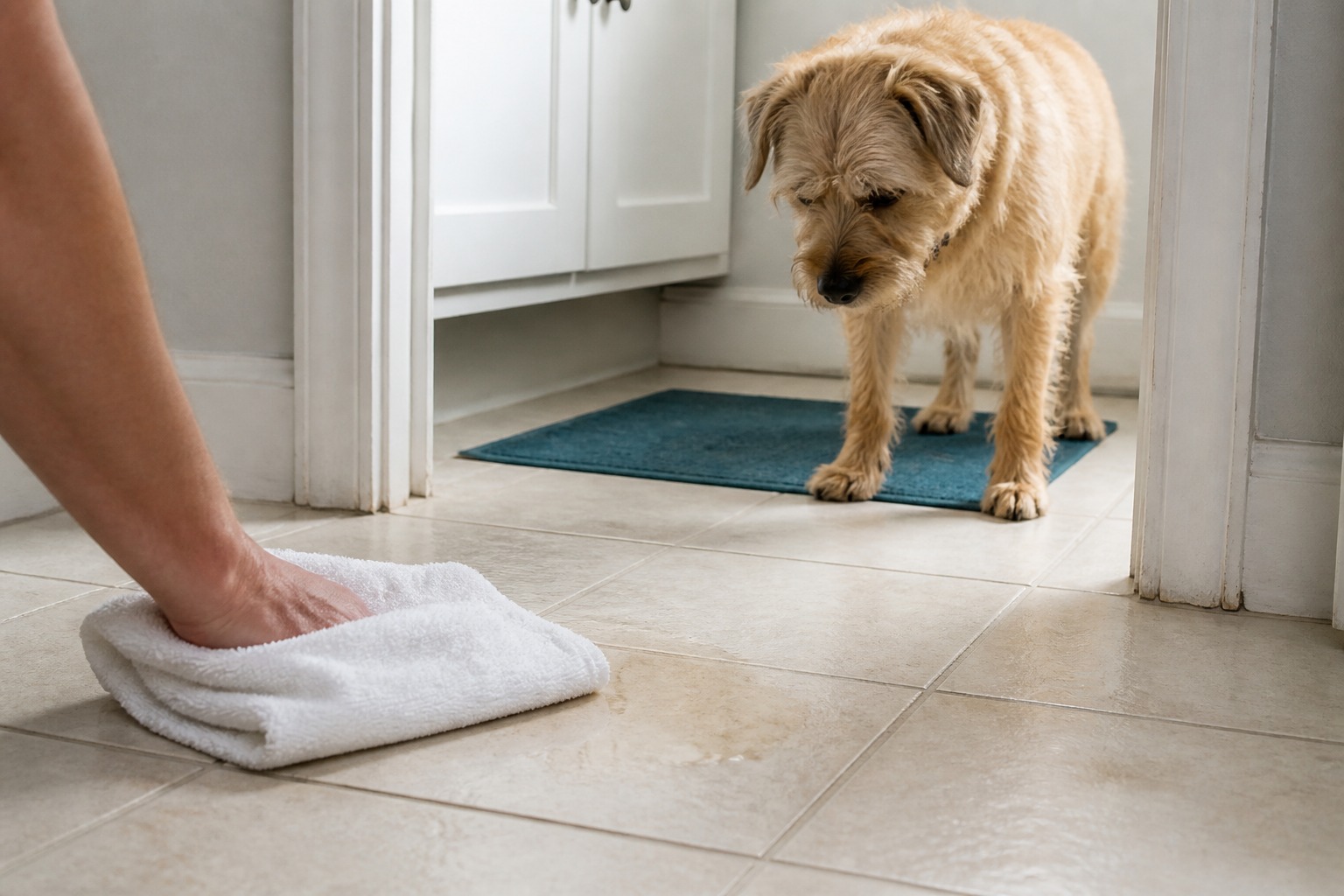 LivingWhy the Dog Pee Smell Keeps Coming Back (and the One Thing That Kills It)Nina Vasquez · 7 min
 Product PicksThe Ugliest Dog Sweater Still Has to Fit. 9 That Actually Do.Leila Torres · 6 min
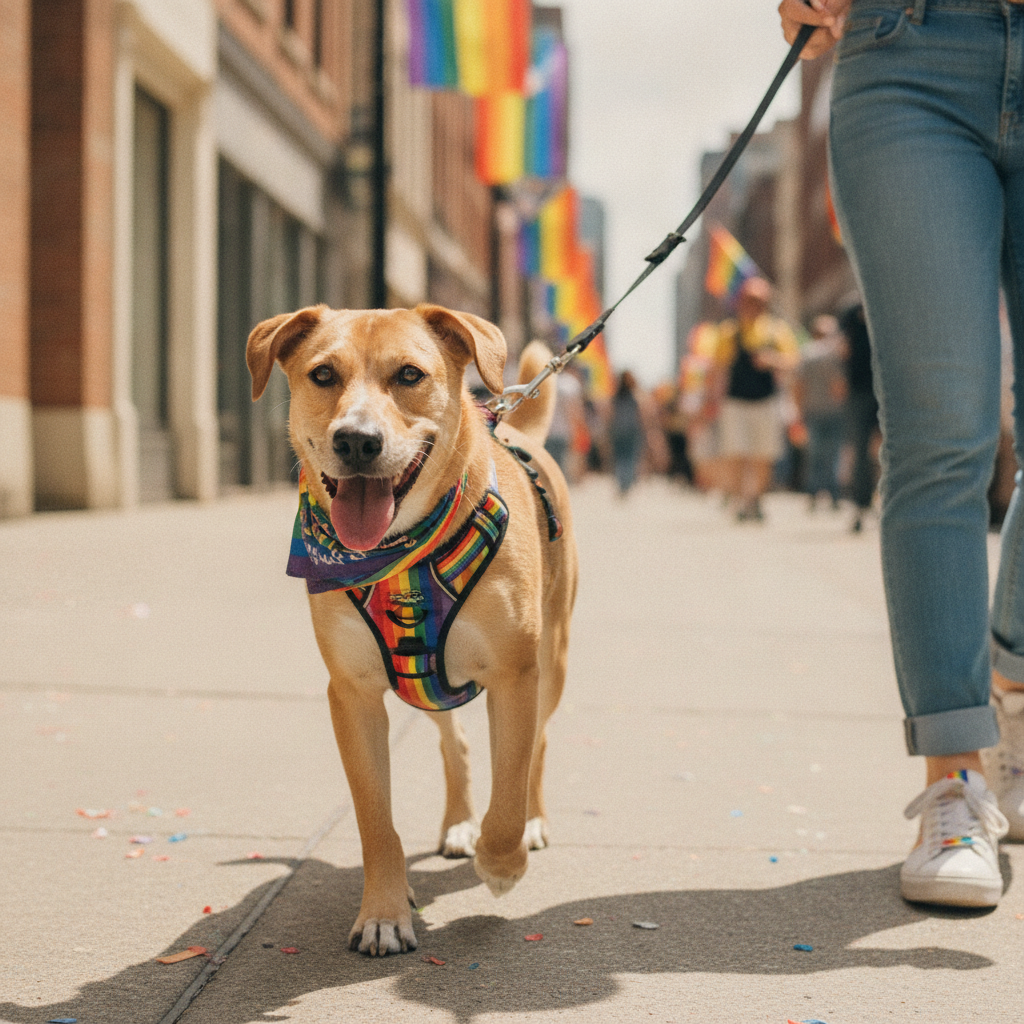 LivingPride Gear for You and Your Dog: 20 Picks That Give BackJordan Ellis · 10 min
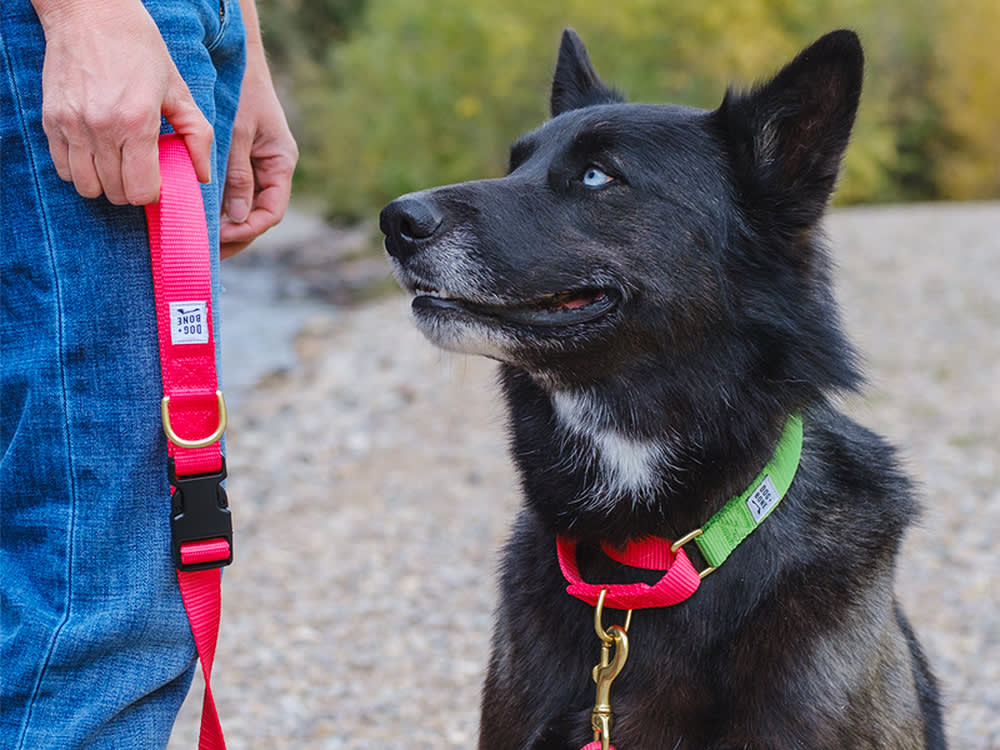 Product PicksThe Escape-Proof Collar Shelters Swear By Comes From a Town of 400Nina Vasquez · 5 min