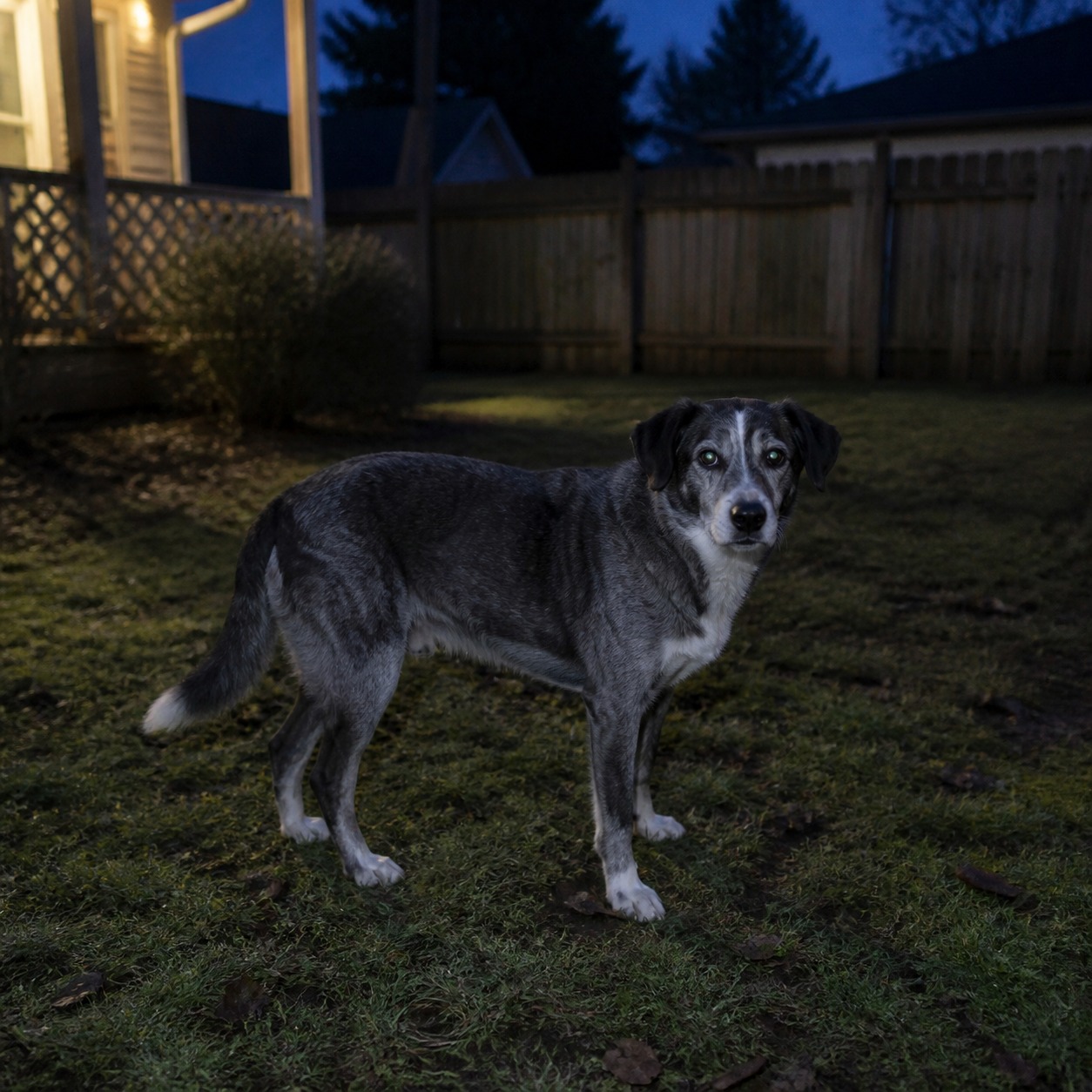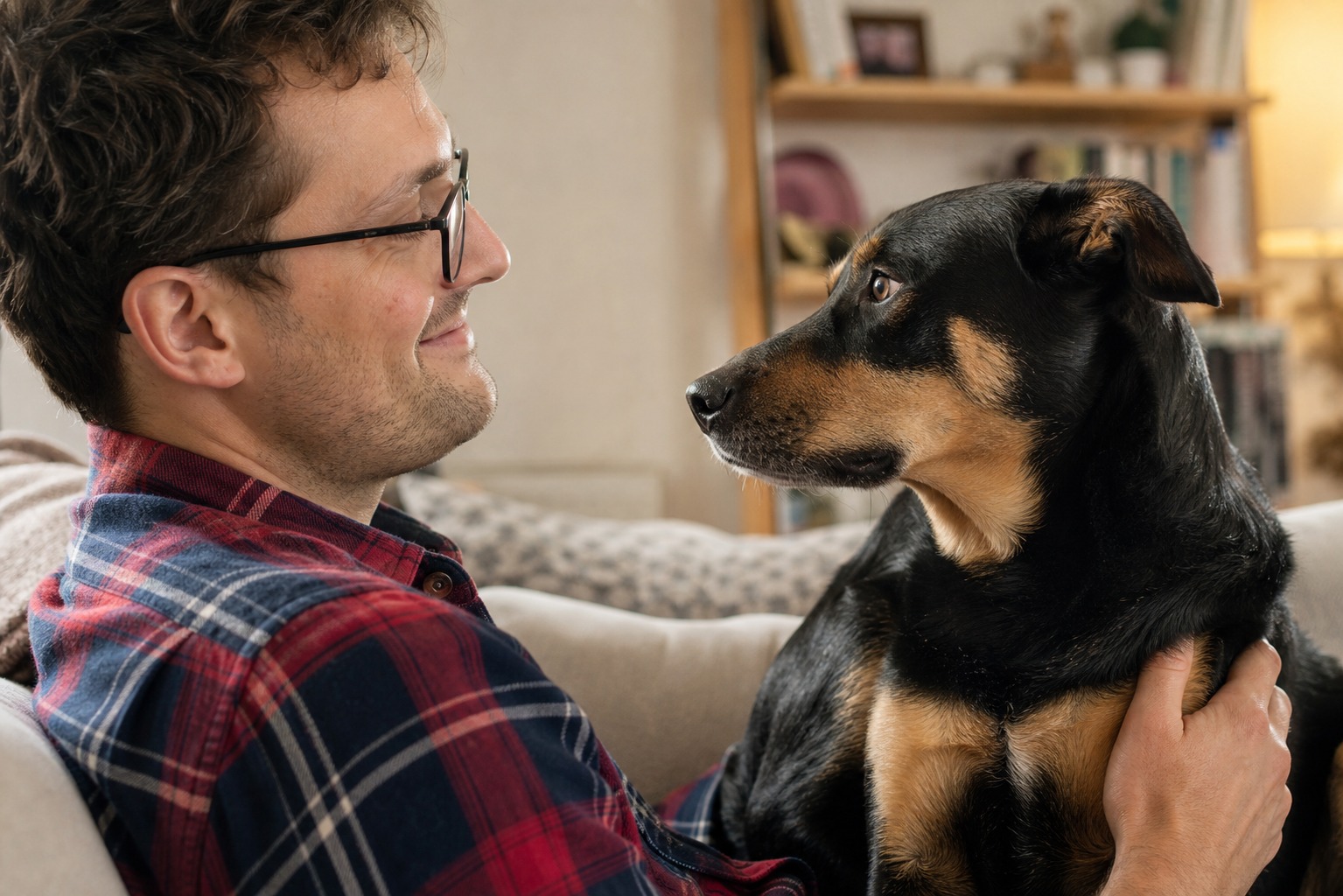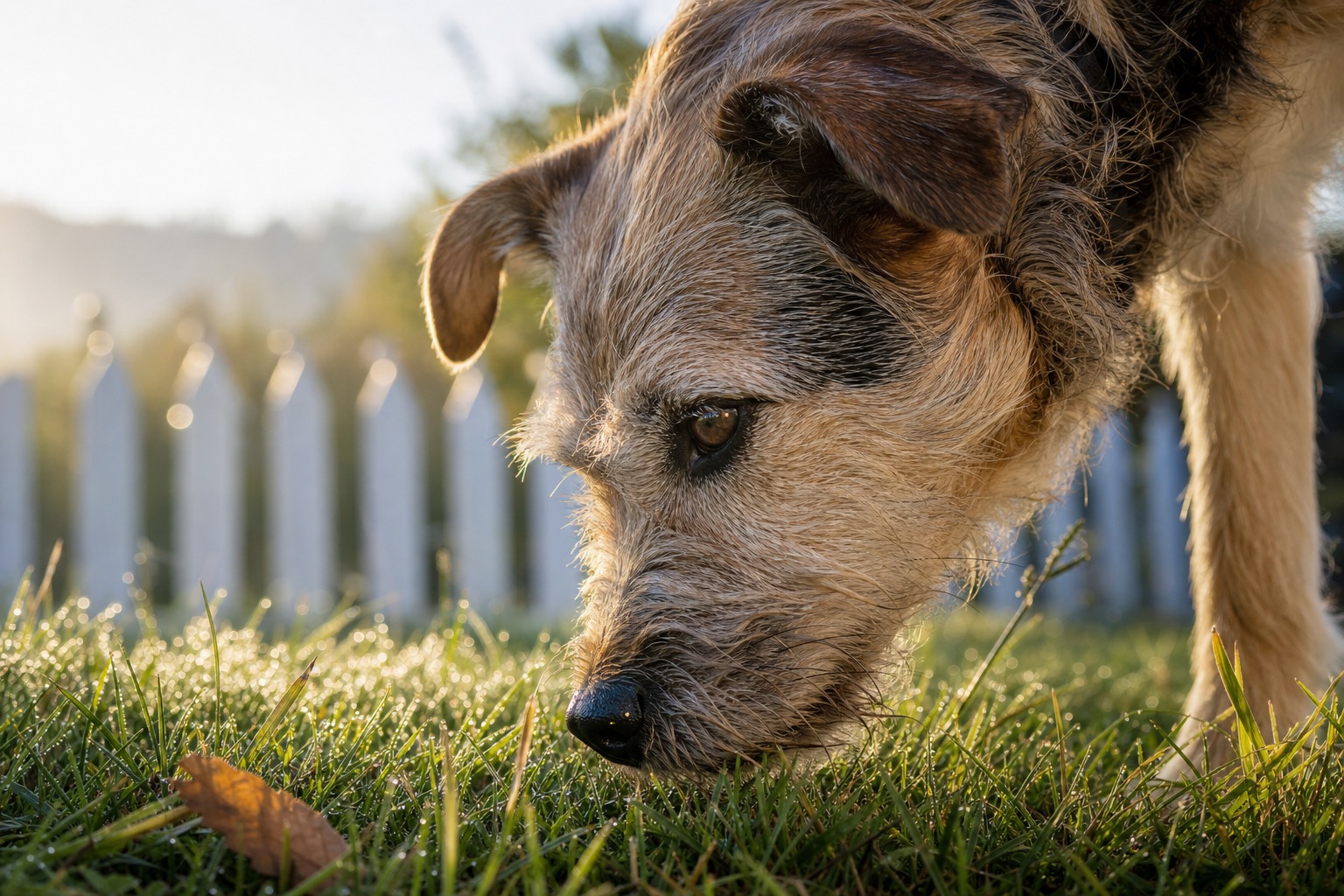
Somewhere around adolescence, almost every dog develops what their people describe as selective hearing. You call, and your dog glances over, files the information away, and goes back to the fascinating patch of grass. It feels like defiance. It almost never is.
Here is the reframe that fixes it: recall is not obedience. It is a transaction. Every time you call your dog, you are asking them to leave the best thing in their world at that moment and gamble that you have something better. Dogs that “won’t come” are not being stubborn. They are making a rational decision based on your payment history.
That means the fix is not a louder voice or a sterner tone. The fix is becoming the best bet in the park.
“A recall cue is a bank account, and every repetition either deposits or withdraws. If the word has ever predicted the end of fun, a bath, or a scolding, the account is overdrawn, and no amount of repeating it adds money back,” says Dr. Ravi Mehta, a Pet Times veterinary behavior expert. “Retire the word and start a new account.”
How a recall cue goes broke
Most broken recalls trace back to three well-intentioned mistakes.
The first is calling a dog you cannot back up. Shouting a cue across a busy dog park at a dog mid-wrestle teaches exactly one lesson: that sound is background noise. Worse, if you end up chasing your dog to collect them, you have just invented their new favorite game, with you cast as the slow, flustered playmate.
The second is punishing the arrival. Clipping the leash on, muttering that they are a bad dog, and marching out of the park is, from the dog’s perspective, a fine: I finally came, and it cost me everything good. A dog only needs a few of those receipts to conclude that coming when called is a losing trade.
The third is chaining recall to a stay. If you routinely park your dog in a sit-stay and then call them, you quietly teach two bad habits at once: the stay gets twitchy, because the dog learns to hover on a hair trigger waiting for the release, and the recall gets narrow, because the dog thinks it only applies when they are already sitting still and staring at you.
Rebuilding from zero
If your current word is burned, do not fight history. Pick a new one. It can be anything you can say consistently and cheerfully, as long as it stays identical every time. A cue that shape-shifts between “come,” “come here,” and the dog’s name in a rising tone is three different sounds to a dog, and none of them means anything yet.
Start in the least interesting room of your house, armed with genuinely premium food. Say the cue once, take a few quick steps backward, and throw a small party when your dog reaches you. The backward movement matters: it taps into a dog’s instinct to chase what retreats, and it converts a command into an invitation.
Then make it a game, because games are self-reinforcing. Two people in different rooms can ping-pong the dog between them, each arrival paid. Hide-and-seek is even better: duck behind a door or below a kitchen counter, give the cue, and let your dog hunt for you. For a dog, finding a hidden family member is a jackpot all by itself, and households with kids can turn an entire rainy afternoon into recall bootcamp without anyone noticing they are training.
Keep sessions short. Adolescent dogs, roughly six months and up, are wired to test independence, and consistency beats duration every single time.
Take it outside, on your terms
The leap from kitchen to dog park is where most recalls die, because the difficulty spikes a hundredfold overnight. Do not make the leap. Climb.
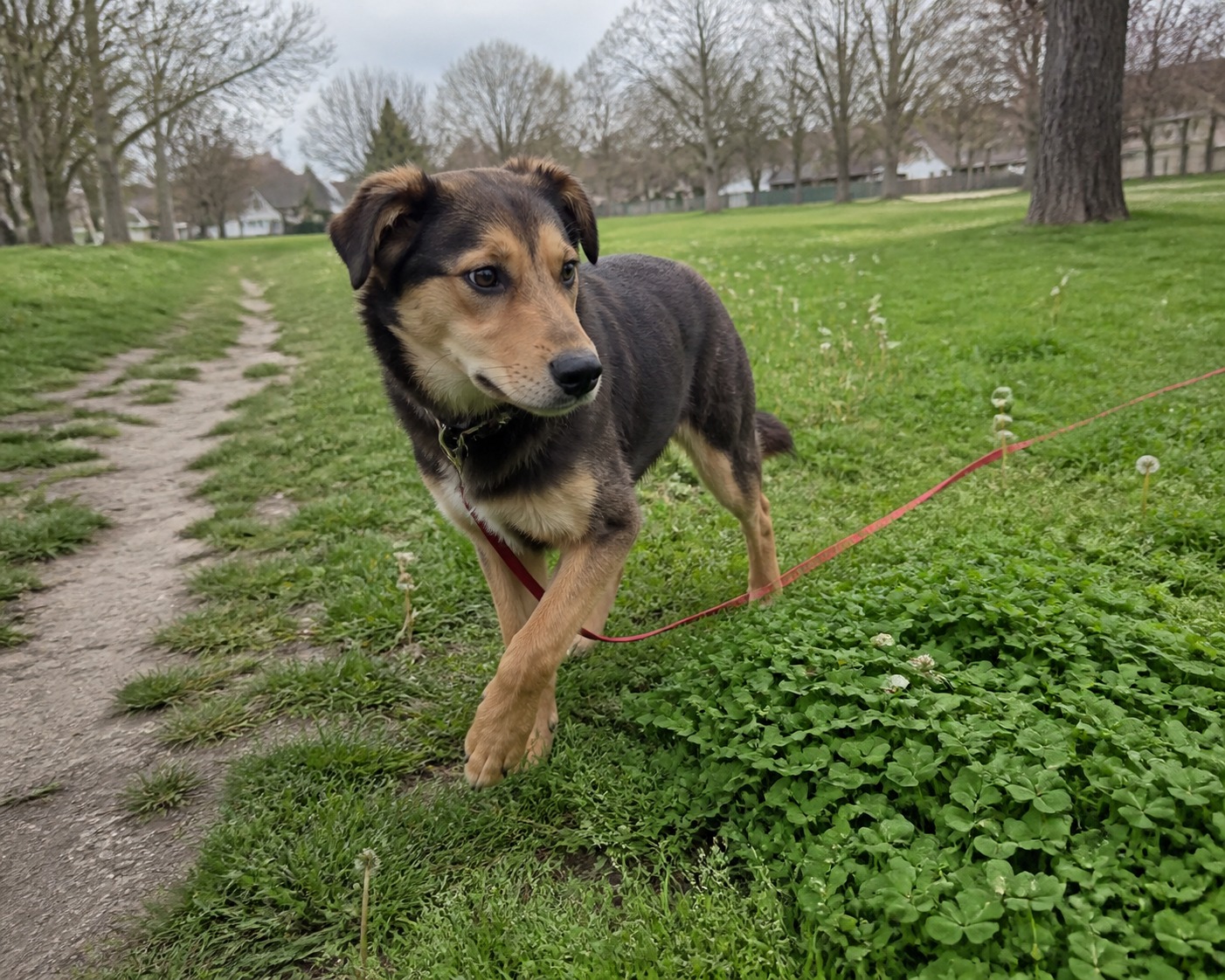
Invest in a 30-foot long line, and pick a boring outdoor space: an empty basketball court, a quiet corner of a park, a beach on a gray weekday morning. Let your dog drift to the end of the line, nose down in the grass. When they are mildly occupied, not obsessed, give your cue once. The instant their head turns, celebrate: crouch, clap, jog away a few steps, and pay the arrival with something outstanding. You are teaching the hardest skill in dog training, which is disengaging from the environment, and it deserves a wage to match.
Over weeks, stretch the distance and let the distractions thicken. A dog watching other dogs play from 30 feet away, on a line, in a space you chose, is doing advanced work. A word of caution for strong dogs: a sprinting dog hitting the end of a long line can wrench a wrist or sweep you off your feet, so wear the line loosely gathered, never looped around a hand, and anchor it to a tree or post if you need insurance.
The dog park comes last, and even there, strategy beats hope. Do not call a dog who is mid-chase with three friends. Wait for the natural pause, when they break off panting to survey the scene. Call, pay generously with a treat and a drink of water, and then, crucially, release them back to play. A recall that usually ends in more fun is a recall your dog stops auditing.
What newer research adds
The science has moved firmly onto the side of paying well. A controlled study published in Frontiers in Veterinary Science trained dogs with known off-leash disobedience and compared reward-based methods against remote shock collars. The reward-trained dogs came when called at least as reliably, and actually responded faster to the cue, than the dogs trained with collars. There was no obedience penalty for skipping the aversives.
That result lines up with the position of the American Veterinary Society of Animal Behavior, which recommends reward-based methods for training and flags aversive tools for their fallout: stress, damaged trust, and no performance advantage to show for it.
In other words, the bribe-free, correction-heavy recall your uncle swears by has been tested head-to-head, and the party you throw in the kitchen wins.