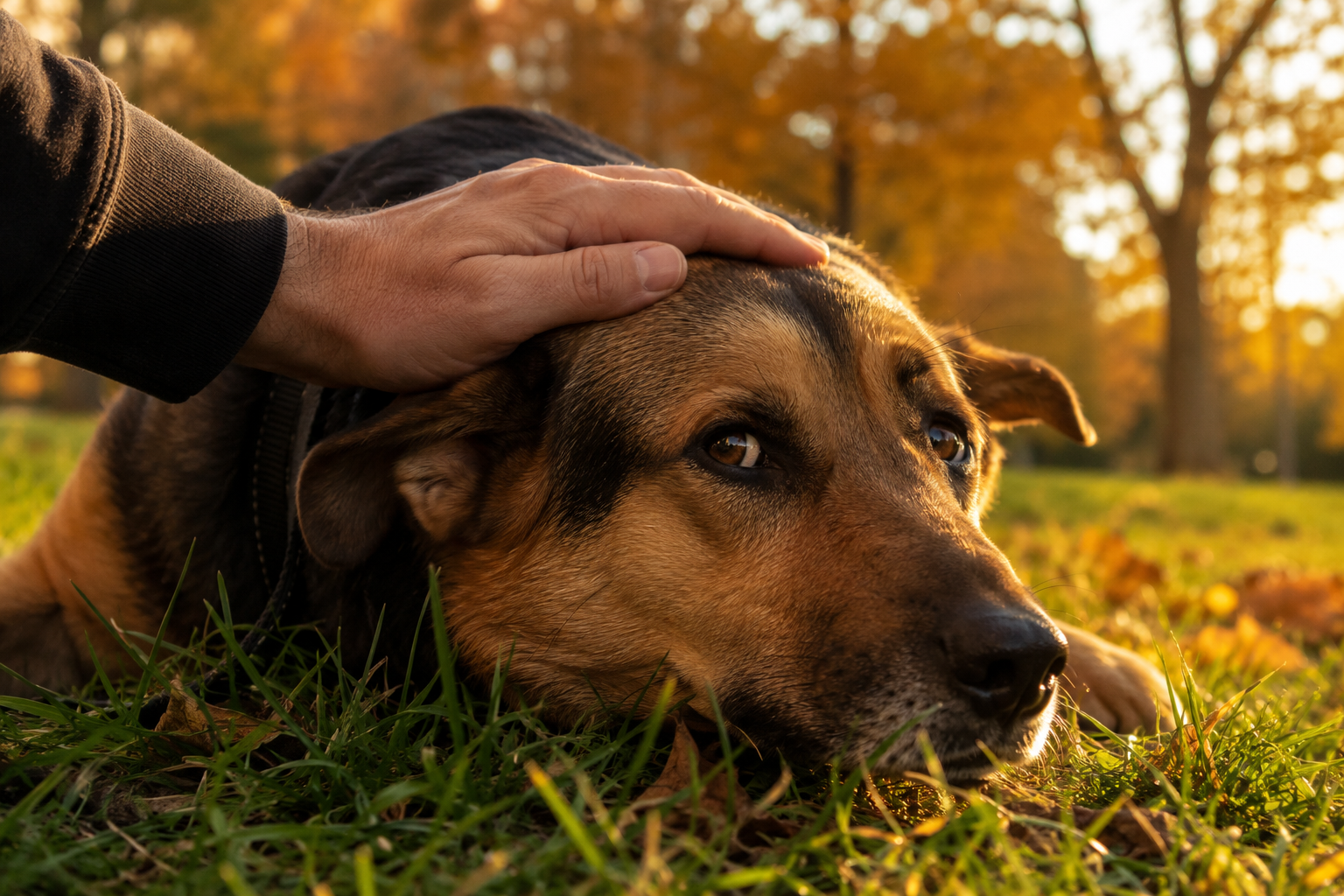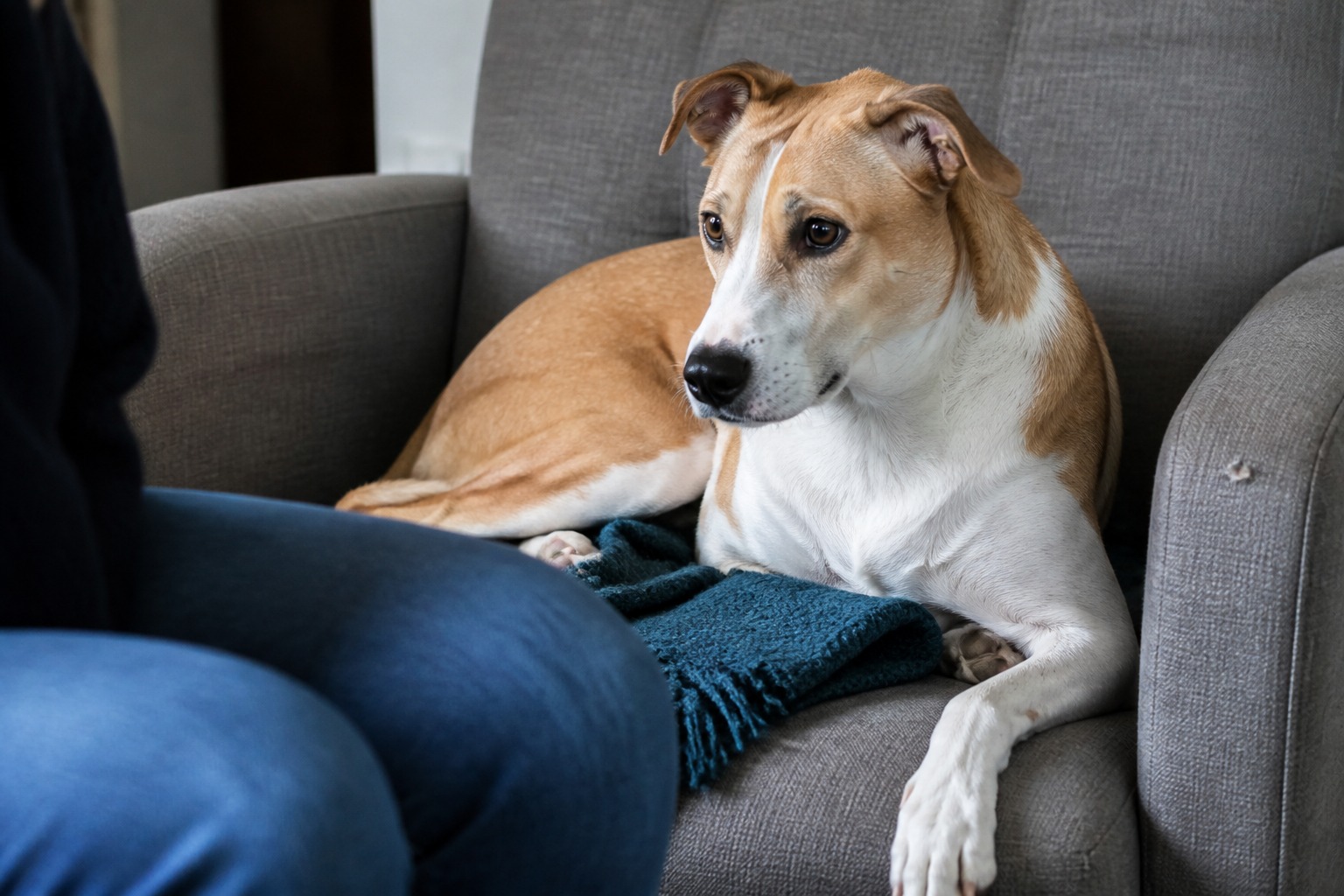
Here’s a finding that will feel deeply correct to anyone who lives with a female dog: she is, in fact, keeping score. Watch two people fumble at a task in front of her, and there’s a decent chance she’ll quietly file away who’s good at it and who isn’t, then act accordingly. Do the same experiment with a male dog and you’re likely to get a blank, unbothered stare.
That’s the gist of a 2022 study in the journal Behavioural Processes that set out to test whether dogs size up how capable a person is. It’s a small study, and it’s about a very narrow situation, so it isn’t a verdict on the entire canine sex divide. But it’s a genuinely interesting look at how dogs read us, and at the fact that they don’t all read us the same way.
The pickle-jar experiment, minus the pickles
The setup was simple. Each dog watched two people try to open a container. One person managed it smoothly. The other struggled and failed. The pair then repeated the routine on a second container, staying in character, one reliably competent, one reliably hopeless. Finally, both people reached for a third container at the same time, and researchers watched to see which person the dog gravitated toward.
There was a twist built in. Half of the 60 dogs watched people wrestle with containers that held food. The other half watched the same performance with empty containers. Sixty dogs split evenly, thirty and thirty.
The split in the results is what makes the study worth talking about. Among the dogs watching people open food containers, male dogs showed no clear preference, drifting toward either person about equally. The females did not. Roughly 83 percent of them made a beeline for the person who had opened the containers with ease.
They only cared when it counted
The empty-container half is the detail that keeps this from being a throwaway “girl dogs are pickier” story. When there was no food on the line, neither the females nor the males bothered to prefer the competent person. Being able to pop the lid off an empty box is a useless skill from a dog’s point of view, and the dogs treated it that way.
Read those two halves together and a sharper picture emerges. The female dogs weren’t reacting to competence in the abstract. They were tracking competence that might pay off in a snack, and ignoring it when it wouldn’t. That’s not judgment in the moral sense at all. It’s something closer to shrewd resource management: figure out which human is the better bet, then stick close to them.
“People love the idea that their dog is sitting in silent judgment of them, and it’s a fun story,” says Dr. Mara Chen, a certified applied animal behaviorist on the Pet Times team. “What the data actually shows is more useful than that. These dogs were doing cost-benefit math. They watched who could deliver, and the ones paying closest attention adjusted their behavior to be near that person. That’s not pettiness. That’s a social animal reading the room.”
Why the sexes split
The obvious next question is why females and males would part ways on this at all, and the honest answer is that nobody is sure. One clue is buried in the same study: the females held their gaze on the humans noticeably longer than the males did. That lines up with a pattern researchers have seen elsewhere. Female dogs tend to gaze longer at human and dog faces, look to their people more often when they’re stuck on a problem, and hold that gaze longer after a dose of oxytocin, the bonding hormone.
If females are simply gathering more visual information before they commit to a choice, then it may not be that they’re smarter or choosier. It may be that they watch more closely, and closer watching leads to a stronger preference. Males in the study weren’t dumber. They just didn’t seem to be running the same tape.
What newer research adds
Since this study, work on sex differences in dog cognition has kept nudging along, and the overall message is: the differences are real but modest, and they interact with things like whether a dog is spayed or neutered. Research on sex and reproductive status has found small but measurable gaps in social cognition and impulse control between male and female dogs. Other work has found that a dog’s bond with its owner shapes how it evaluates strangers, with more securely attached dogs showing a stronger pull toward people who behave helpfully.
None of that crowns female dogs as the smart ones. The competence study looked at one task, and the authors were careful to say males might well track competence in situations no one has tested yet. The grounded takeaway is the appealing one anyway: your dog, especially if she’s a girl, is probably paying more attention to you than you realize, and at least some of that attention is a running assessment of whether you’re worth following to the kitchen.
References
- Aria, et al. “Female Dogs Evaluate Levels of Competence in Humans.” Behavioural Processes, vol. 203, 2022. sciencedirect.com
- “Effect of Sex and Reproductive Status on Inhibitory Control and Social Cognition in the Domestic Dog.” Animals, 2021. ncbi.nlm.nih.gov
- “Attachment Predicts Preference Toward Prosocial Actors in Dogs.” Animals, 2023. ncbi.nlm.nih.gov
- Nagasawa, M., et al. “Oxytocin-Gaze Positive Loop and the Coevolution of Human-Dog Bonds.” Science, 2015. science.org