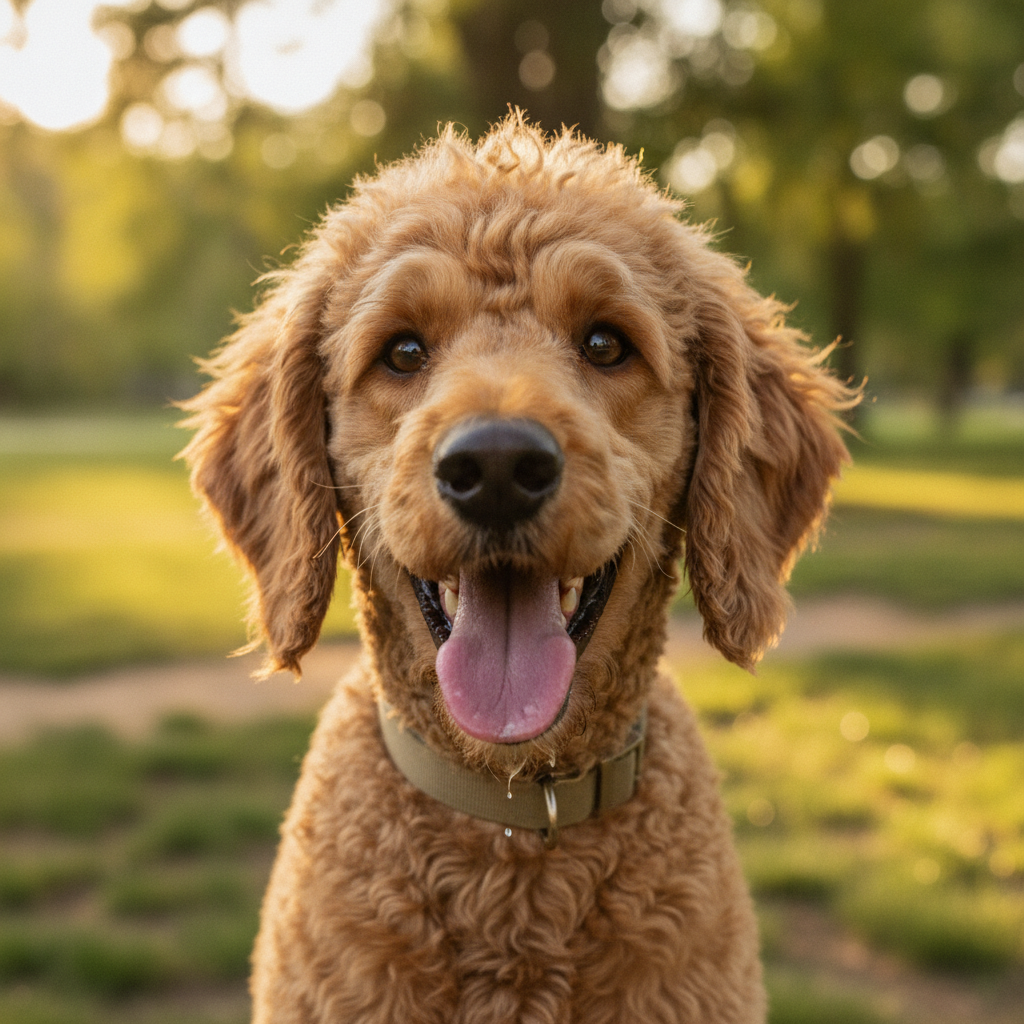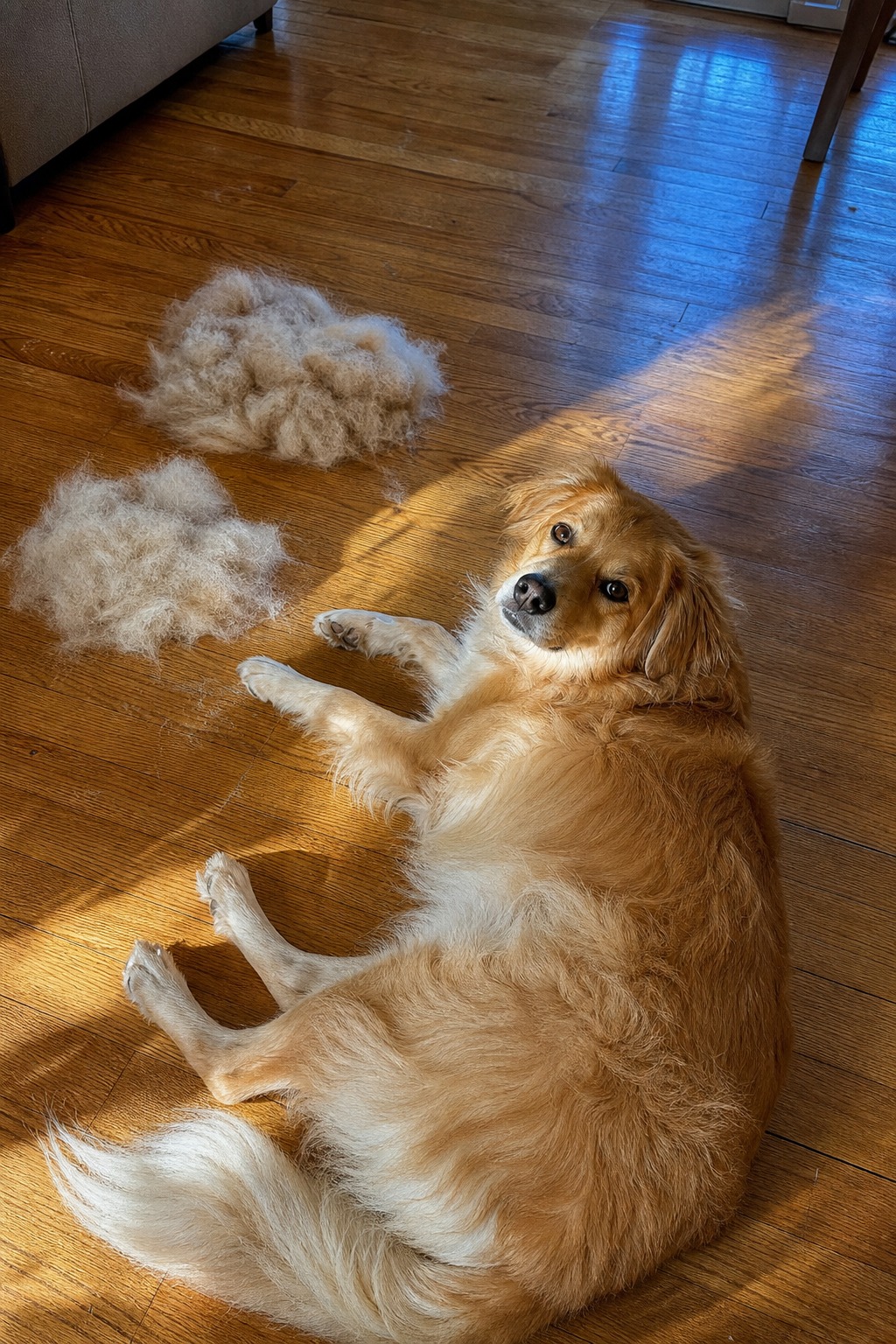
Look at the fur ball your brush pulls off your dog or cat this week. Your instinct is to throw it out. Hold that thought, because that unglamorous tumbleweed is, gram for gram, one of the more effective oil sponges on the planet, and there is a whole network of people who would genuinely love to have it.
That’s the pitch behind Clean Wave, a program run by the San Francisco nonprofit Matter of Trust. The organization felts donated hair and animal fur into dense, rug-like mats that pull petrochemicals out of water. It sounds like a party trick. It is actually chemistry, and it has been quietly working for decades.
The accidental discovery behind it
The whole idea traces back to a hairdresser having a very ordinary day. In 1989, Phil McCrory was cutting hair in his Huntsville, Alabama salon while news of the Exxon Valdez disaster played on the TV. He watched oil-soaked otters get scrubbed clean and had a small, obvious-in-hindsight thought: the reason we shampoo our own heads is that hair grabs oil. If hair pulls grease off a scalp, could the clippings piling up on his floor pull crude off a coastline?
They could. It turns out human hair and animal fur are remarkably good at adsorbing oil, meaning oil clings to the fiber’s surface. When a spill happens, the usual first responders are synthetic sorbents, materials manufactured specifically to attract oil and shed water. But natural fibers like hair and fur can outperform those engineered products. As a rough sense of scale, hair can hold something like five times its own weight in oil, which will surprise no one who has ever pushed a shampoo past its limit.
McCrory kept experimenting and eventually built the “Hairmat,” an absorbent pad made entirely from hair that would otherwise be swept into the trash. The trick to turning loose fluff into a usable mat is a needle-punch machine, the same kind of tool used to make carpet padding; it drives a bed of needles through the fibers over and over until they lock together into felt.
Why hair beats a lot of the alternatives
Oil spills do their worst damage long after the cameras leave. Petroleum compounds linger in marine ecosystems well past the point where the surface looks clean, and despite better containment rules, accidents on tankers and pipelines keep happening. Less visible but arguably bigger is stormwater pollution, where oil and petroleum residue wash off roads, through storm drains, and into local waterways, plus contamination of freshwater reservoirs and filtration systems. Those quieter problems account for a huge share of petrochemical water pollution, and hair mats work well against them too.
About a decade after McCrory’s lightbulb moment, Matter of Trust founder Lisa Gautier caught him on a TV segment describing his mats. Her young organization existed to connect surplus stuff with people who needed it, so she reached out. The two teamed up, Matter of Trust began collecting hair from salons across the country, and Clean Wave was born.
From one warehouse to every continent
By the mid-2010s, the program had a logistics problem that was almost funny: so much hair was arriving at the Bay Area warehouse every day that shipping costs and carbon emissions started to undercut the whole point. So the group decentralized. Through a partnership program, anyone with a bit of space and some passion can request a needle-punch machine and start making mats for their own region.
Today there are Matter of Trust partners felting mats on every continent, comparing notes a couple of times a year. Gautier describes the San Francisco hub as a kind of test kitchen, where the team hears from felt crafters and researchers and tries out their ideas. The donor list is wonderfully odd, too, running from alpaca farmers to husky rescues to regular households shedding fur at an alarming rate.
How to actually donate your pet’s fur
Here’s the part you can act on. Clean Wave takes donations of hair, fur, wool, and fleece from any country, and the group works hard to keep the process painless. Sign up on the Matter of Trust website and you’ll be sent an address to ship to, along with a receipt you can write off at tax time. Bag up clean, debris-free fur (they ask you to skip the fur from around the tail), and mail it off to be felted. Tucking in a photo of the pet who grew it is welcome, since those images help the cause travel on social media.
If your pet sees a professional groomer, or you see a hair stylist yourself, ask whether they’d like to donate their clippings; the program is set up to handle ongoing, high-volume donations and even offers downloadable posters so a shop can tell customers their trimmings are helping clean up waterways.
So the next time you’re marveling at how one modestly sized animal produces this much fur, you have a better option than the garbage can. Drop it in a donation bag and know the shedding is doing something genuinely useful.
What’s new since this was written
The felted-hair approach keeps getting more real-world testing, not less. Researchers studying natural sorbents continue to find that hair and fur, and low-cost natural fibers generally, can rival or beat synthetic booms for certain spill and stormwater jobs, which is part of why community mat-making programs have kept expanding rather than fading out.
One practical caution worth knowing: mats that have soaked up oil are considered contaminated waste and have to be handled and disposed of properly, so this is a cleanup tool, not a backyard project. If you want to help, the highest-value thing you can do is simply keep clean fur out of the landfill and route it to an established program that knows what to do with the mats afterward.
References
- Matter of Trust. “Clean Wave Program.” matteroftrust.org
- Radetić, M. M., et al. “Recycled Wool-Based Nonwoven Material as an Oil Sorbent.” Environmental Science & Technology, vol. 37, no. 5, 2003, pp. 1008–1012.
- United States Environmental Protection Agency. “Sorbents.” Emergency Response. epa.gov