Water is the one thing nobody negotiates with. Your dog can skip a meal and be fine; skip water, and the clock starts. So when a dog who normally drinks without a thought suddenly won’t touch the bowl, it’s tempting to file it under “being picky” and wait it out. Don’t. Twenty-four dry hours is enough to tip a dog into dehydration, which makes a water strike a timer, not a personality quirk.
The good news is that “won’t drink” isn’t one problem, it’s a fork in the road. Some causes are genuinely minor and fixable in your kitchen in five minutes. Others are early signs of illness that need a vet. The whole skill here is telling those two apart quickly, so you neither overreact to a dirty-bowl problem nor underreact to a kidney problem. Let’s sort them.
Why water intake is such a loud signal
Vets pay close attention to how much a dog drinks because it’s one of the most reliable early gauges of illness and recovery. A sudden change, in either direction, tends to mean something. That’s exactly why “my sick dog won’t drink,” “my dog won’t drink but will eat ice,” and “my dog won’t drink after surgery” are all worth taking seriously rather than shrugging off. Fixing it might mean changing the water, changing the environment, or treating an underlying condition, but the first step is always figuring out which.
The fixable causes
Start here, because a good chunk of water strikes have simple explanations.
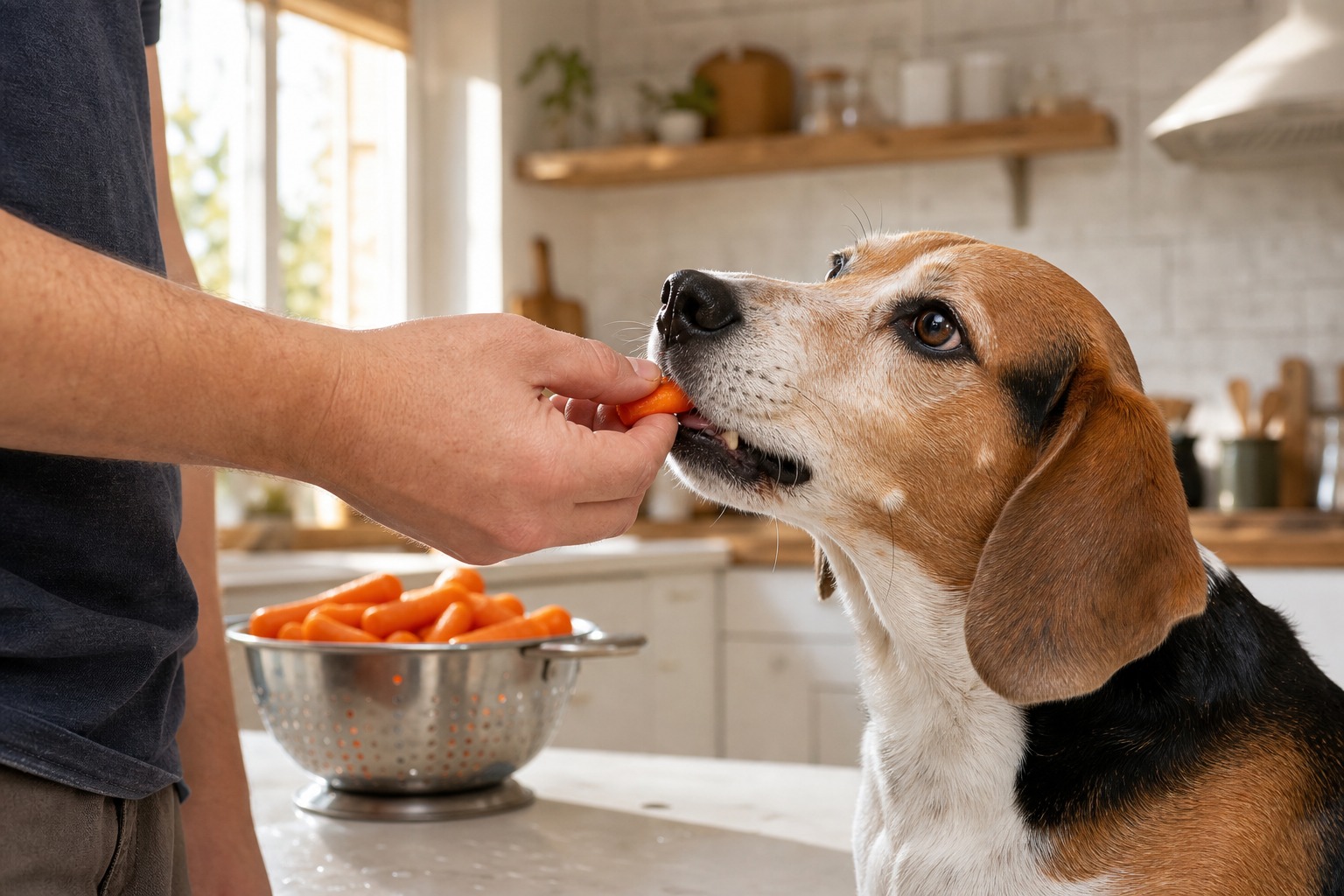
They switched to wet food. This one trips up a lot of worried owners. Canned food runs about 75 percent moisture, roughly seven times what’s in dry kibble, which means a dog newly moved onto it is drinking a good part of their daily water straight out of the bowl of food. Thirst drops accordingly, and the dog is fine. If the timing lines up with a food change and your dog seems otherwise normal, this is often the whole answer.
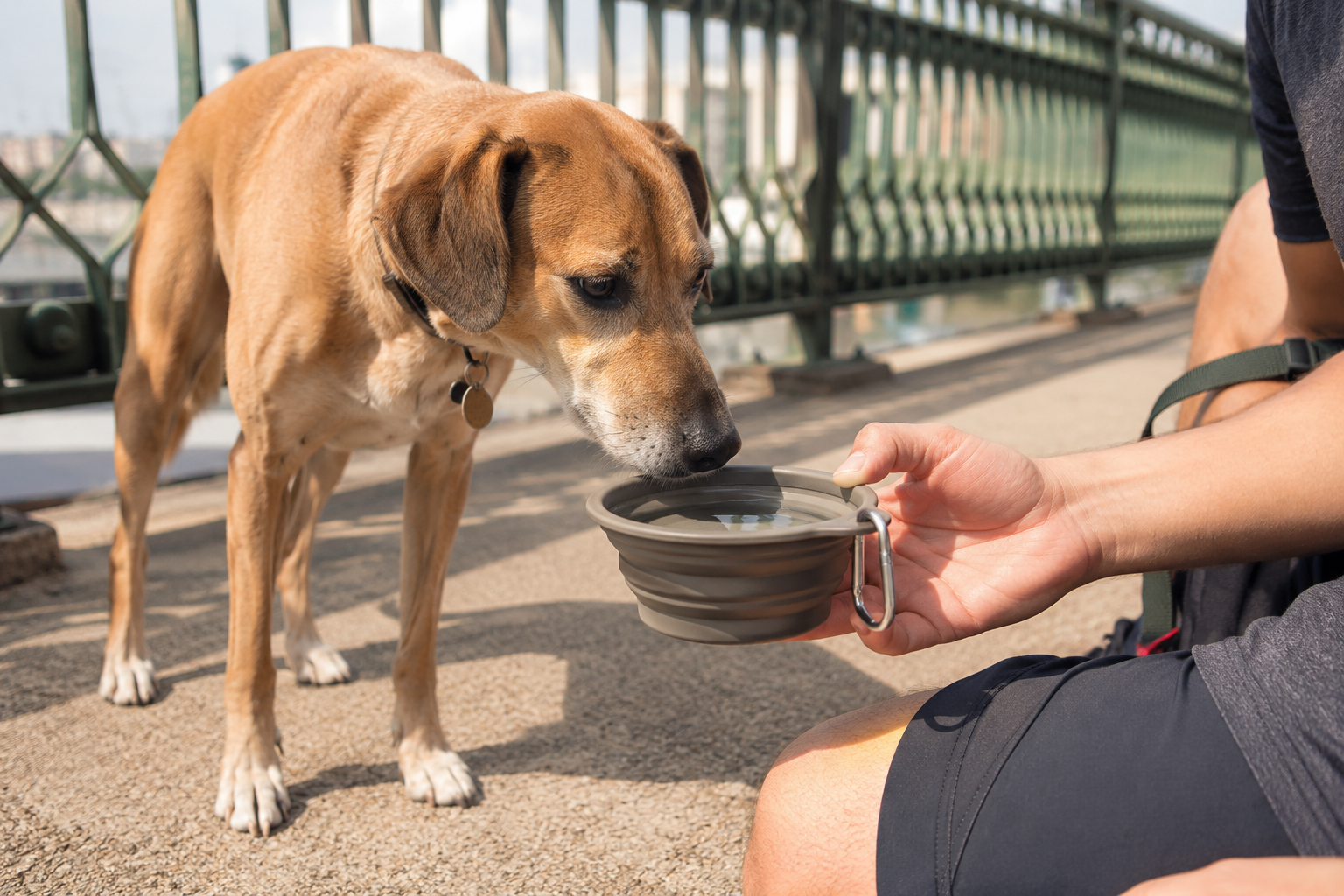
The water isn’t appealing. Dogs like their water clean and fresh, same as we do, and they may snub a bowl with old water and suspicious floaties in it. They actually have water-specific taste receptors on the tip of the tongue, so while they’re not demanding a mountain spring, some dogs do develop preferences, favoring the kitchen tap over the garden hose, for instance.
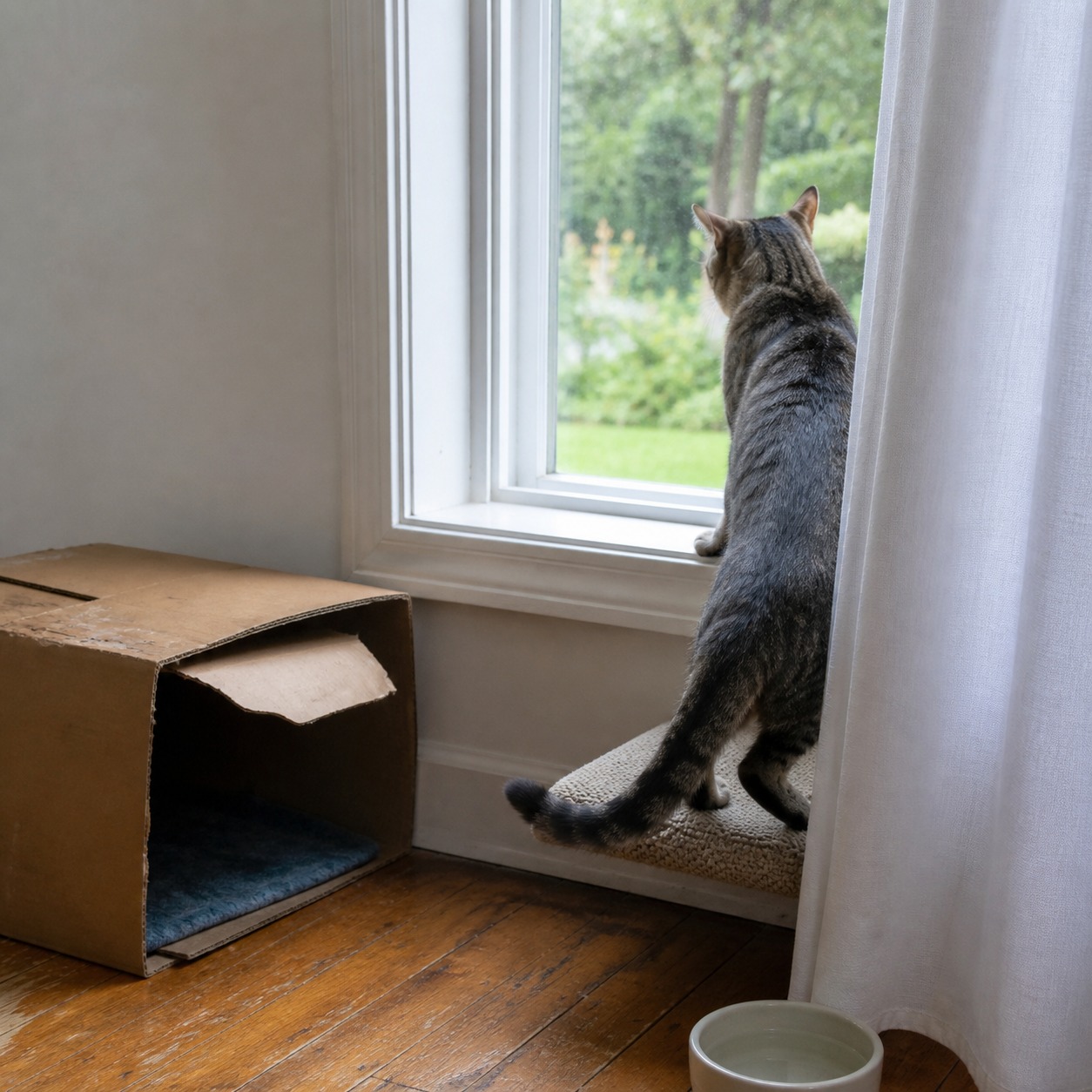
The bowl itself is the problem. Cleanliness, material, and location all matter. A dirty bowl gives water an off smell or taste. Some dogs detect a plastic tang from a plastic bowl and prefer ceramic or stainless steel. And placement counts more than you’d think: if reaching the water means climbing stairs, going through a dog door, or passing a territorial housemate, a dog may just take fewer sips throughout the day.
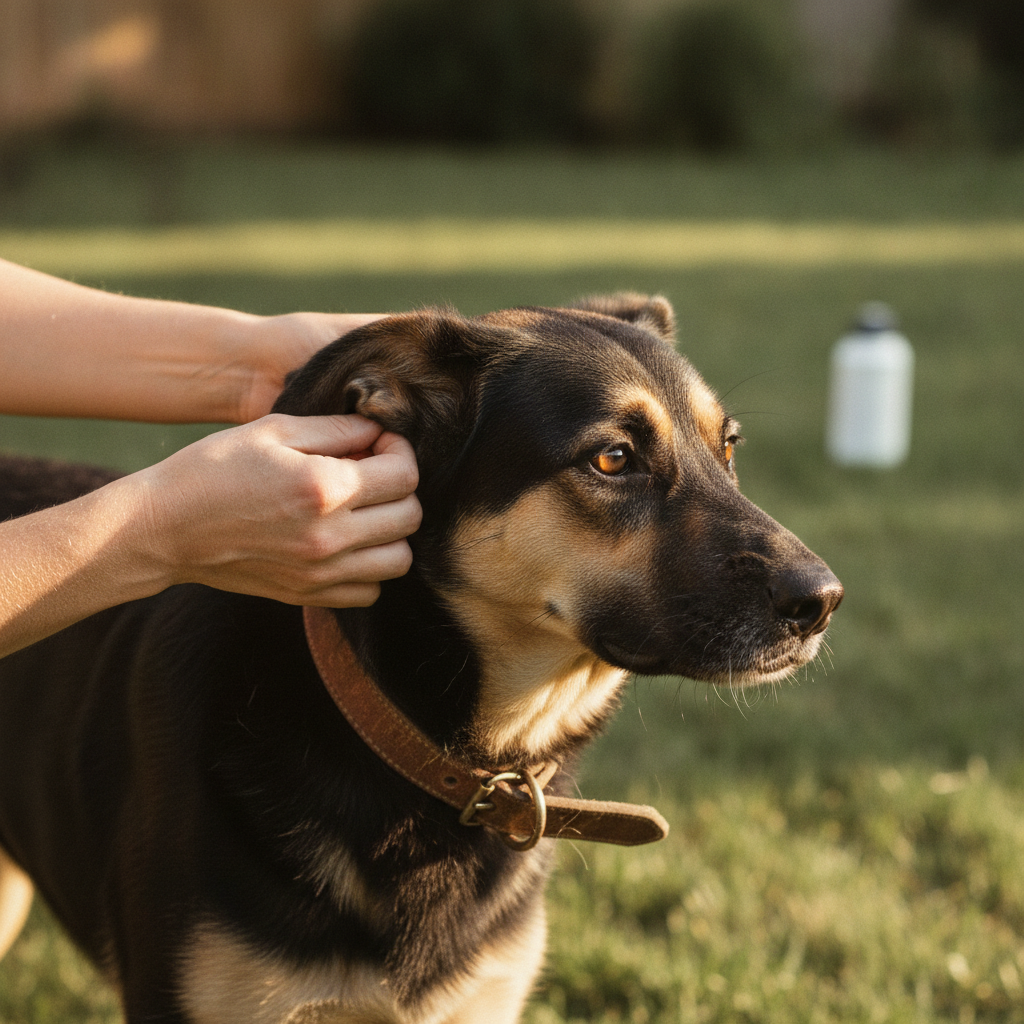
Stress or a new environment. Anxiety reshapes a dog’s normal routines, and a stressed dog in an unfamiliar place or a tense situation may refuse food and water until they feel settled. If you’ve moved, traveled, or had upheaval at home, this can be the driver.
If your dog is bright, acting normal, and one of these fits, try the obvious fixes first: fresh water in a clean bowl, an easy-to-reach spot, maybe a different bowl material. Often that’s the end of it.
The causes that mean call the vet
Now the other branch, where the refusal is a symptom rather than a preference.
Dental pain. Dental disease is genuinely painful, and a dog with a sore mouth may avoid drinking the way you’d wince at cold water on a bad tooth. Look for bad breath, drooling, poor appetite, facial swelling, or red, inflamed gums alongside the reduced drinking.
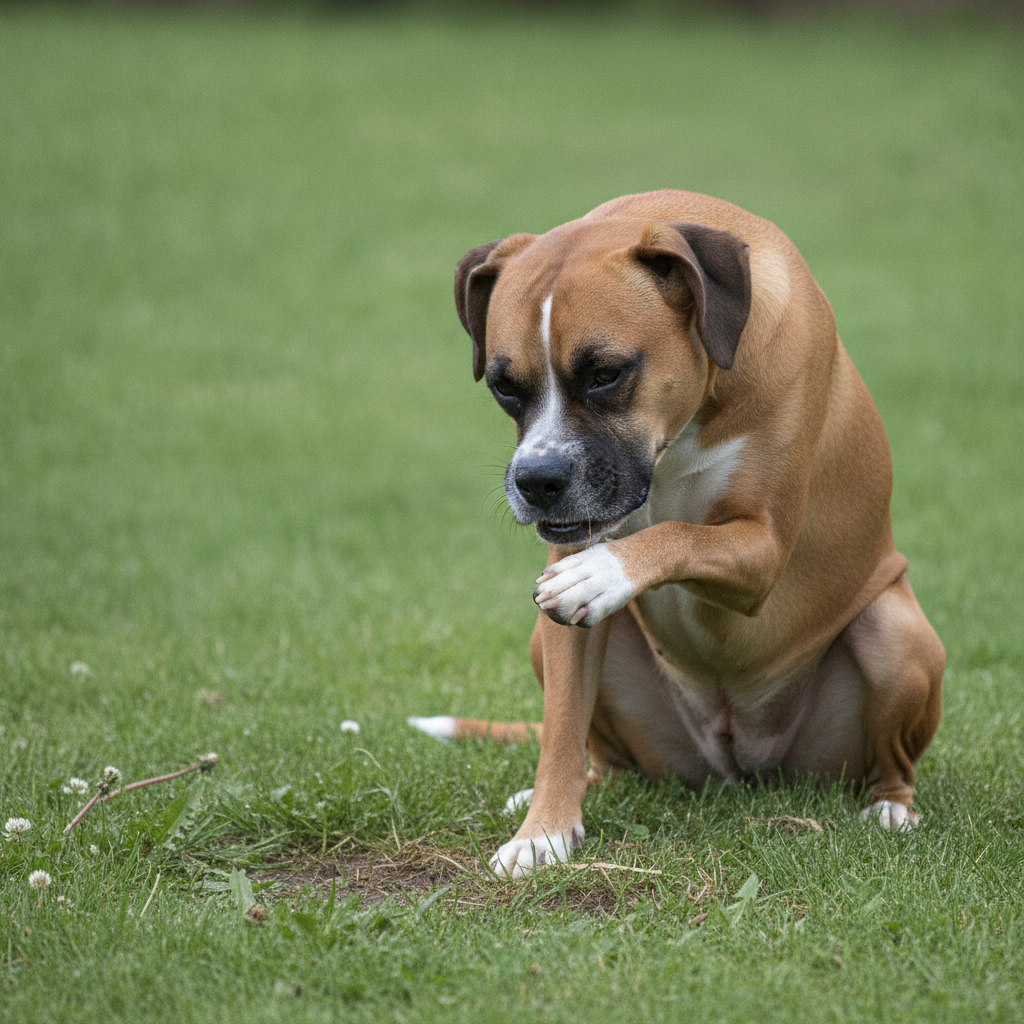
Musculoskeletal pain. Think about what a drink actually requires: dropping the head below the shoulders and holding it there. For a dog with arthritis, or a sore neck, that posture hurts, and plenty of dogs will quietly choose thirst over the pain of getting to the bowl. Trouble in the mouth, jaw, or esophagus produces the same math.
Nausea and systemic illness. This is the one to respect most. Kidney disease, diabetes that’s slipped out of control, cancer: all of them can leave a dog queasy, off their food, and generally unwell. And a dog who has learned that even a couple of laps of water comes straight back up will start refusing the bowl on purpose, because refusing it is the only way to stop feeling worse. Pair that with fluid already pouring out through vomiting or diarrhea and dehydration arrives fast.
The line: when to stop troubleshooting and call
Dogs need constant access to fresh water, and because dehydration can set in within a day, the threshold for a vet call is lower than people assume. Book the appointment if the bowl has gone untouched for more than twenty-four hours; if water is also draining out the other end through vomiting, loose stool, or unusually frequent urination; if your dog has gone flat, wobbly, or sore-looking; or if the food is being refused right alongside the water.
It helps to know what unchecked dehydration does, because it explains the urgency. Mild to moderate dehydration shows up as low energy and reduced urine output. If it progresses, a dog can become hypovolemic, meaning there’s less blood in circulation, which can tip into hypovolemic shock, with a racing heart, weakness, and collapse. That’s the emergency you’re heading off by acting early. Water requirements also climb with exercise, hard play, hot or cold weather, certain health conditions, and some medications, so the margin can be thinner than it looks on a demanding day.
“The mistake I see is treating a water strike like a food strike, as if the dog will just eat when they’re hungry enough,” says Dr. Lena Park. “Water doesn’t work that way. The window before dehydration starts is short, so I tell owners to give the easy fixes one honest try, fresh bowl, clean water, good spot, and if the dog still isn’t drinking within a day or looks off in any other way, we stop experimenting and get eyes on them. It’s far easier to prevent dehydration than to reverse it.”
The bottom line
A dog refusing water sits at a fork. Down one path are the easy explanations, a recent switch to wet food, a stale bowl, an off-putting location, a bout of stress, and those you can often solve yourself with a clean bowl of fresh water in a better spot. Down the other are the medical ones, dental or joint pain, nausea, or systemic illness, and those need a vet. What you can’t do is let the clock run while you decide, because a single day is enough for dehydration to begin. Try the simple fixes, watch closely, and when the refusal outlasts a day or comes with any other sign that your dog isn’t right, treat it as the time-sensitive thing it is.
Since a water strike can be an early sign of real illness, use this as a guide to when to act, not as a diagnosis. Your vet is the right call for anything that doesn’t resolve quickly.
References
- “Anxiety in Dogs.” Cummings School of Veterinary Medicine at Tufts University.
- Spence, Charles. “Gastrophysics for Pets: Tackling the Growing Problem of Overweight/Obese Dogs.” Applied Animal Behaviour Science, vol. 256, Nov. 2022, p. 105765.