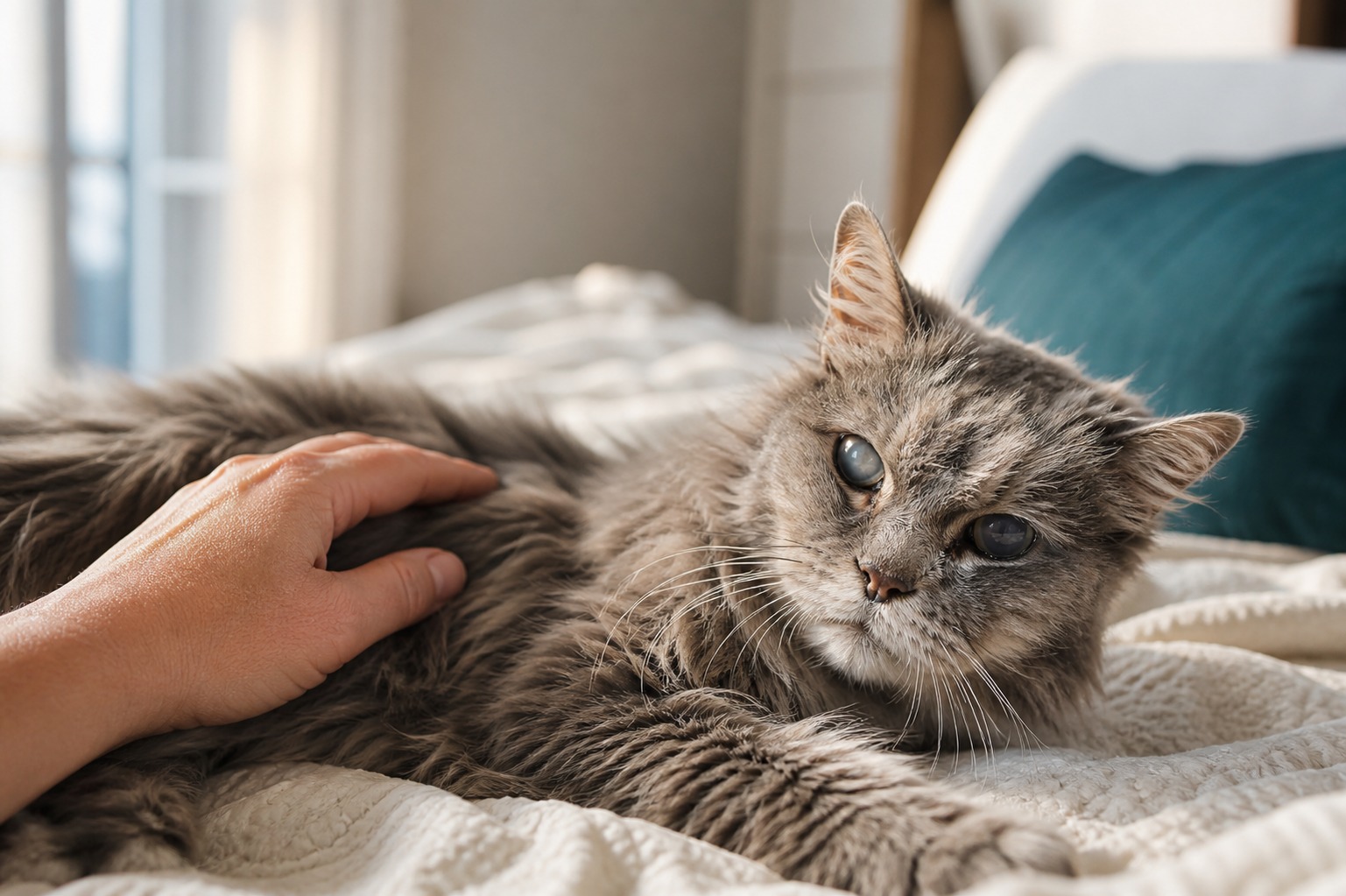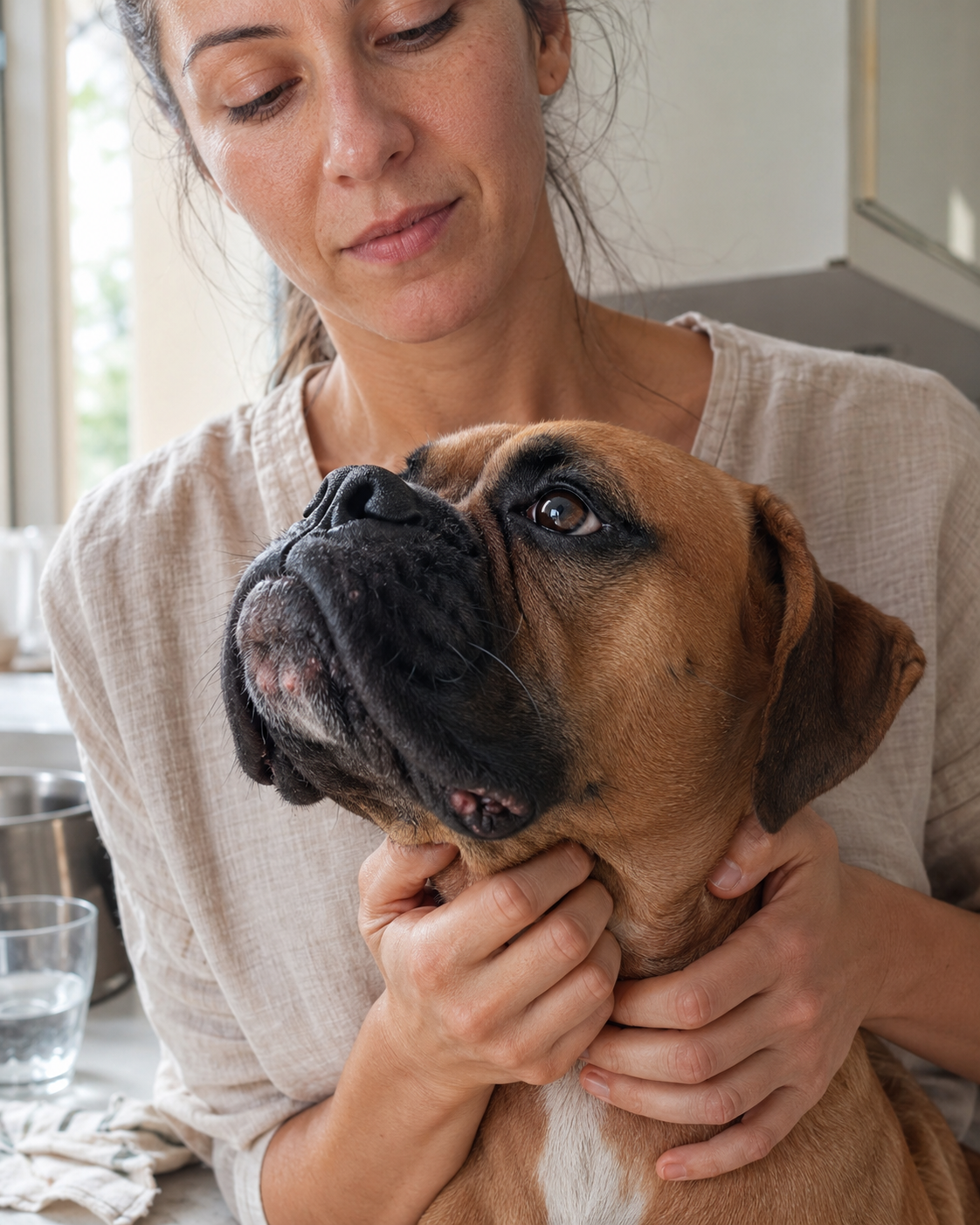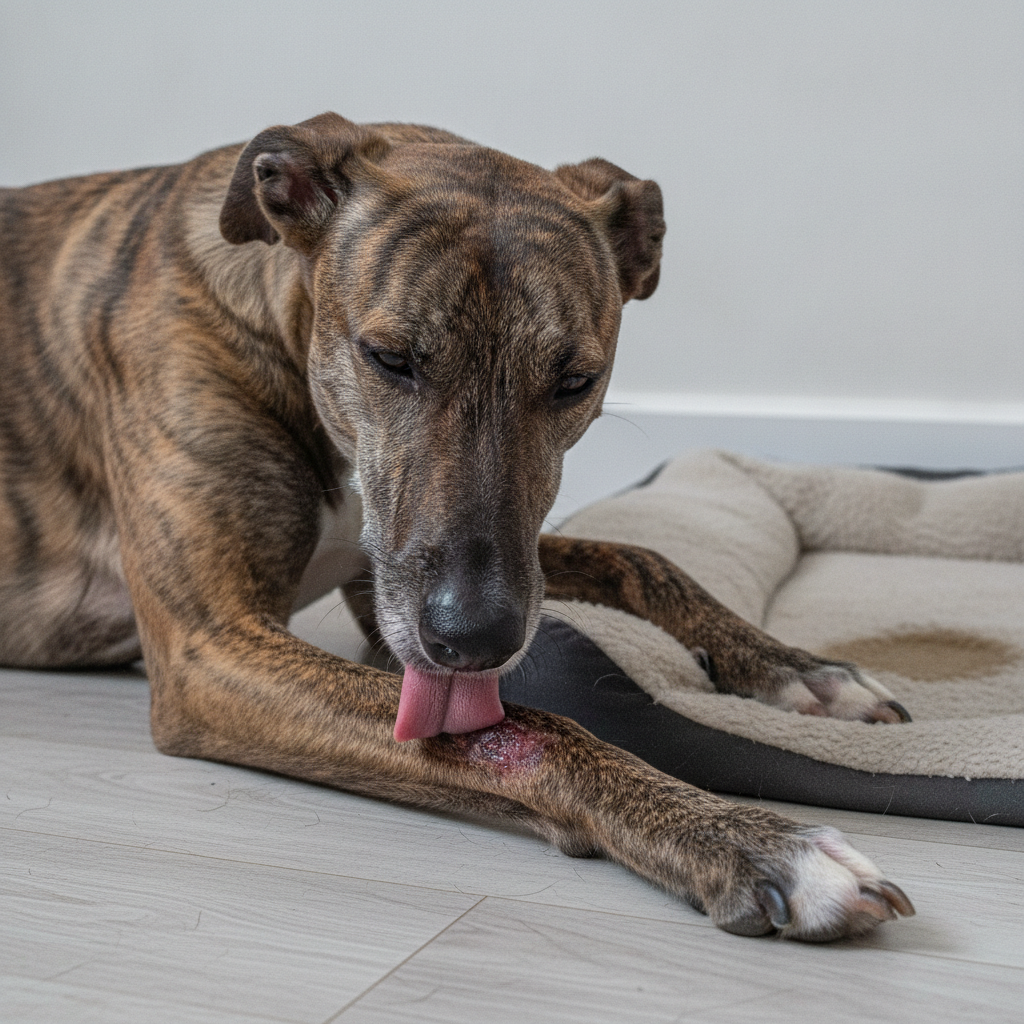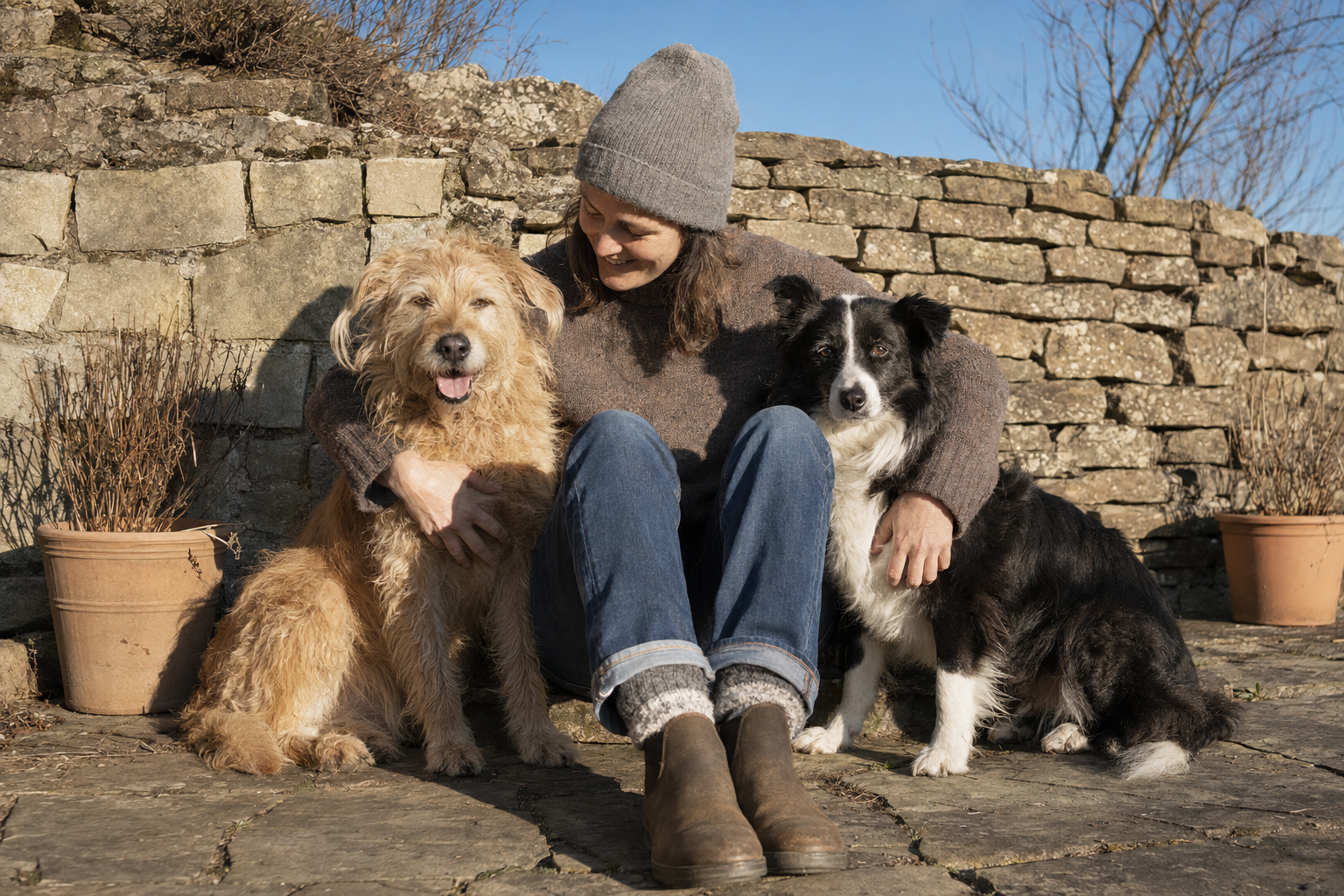
We already accept this about ourselves. Loneliness is bad for a person’s health, friendship is protective, and the research on human aging has said so for years. What we do not usually stop to ask is whether the animal lying at our feet is running on the same rules. A large study says they are, and it puts a number on it that should reorder your priorities.
Researchers at Arizona State University, led by Dr. Noah Snyder-Mackler, dug into what actually shapes a dog’s health and how they age. The headline finding is blunt: the amount of social connection in a dog’s life mattered more for their health than money did. Not a little more. Roughly five times more.
What the study actually looked at
The team worked with survey data from more than 21,000 dog owners, part of the enormous Dog Aging Project. Owners answered detailed questions about their dog’s activity, home environment, behavior, diet, medications, and overall health, plus a few about themselves. From all of that, the researchers pulled out the factors that best described a dog’s social world: neighborhood stability, household income, time spent with adults, time spent with children, time spent with other animals, and the age of the owner.
Then they ran the comparison. Once they accounted for age and weight, social support, whether from people or other animals, predicted a dog’s health, disease diagnoses, and mobility more powerfully than anything else in the mix. A separate strand of the work found the flip side is just as real: when a dog’s social needs go unmet, it can show up as changes in how they age, shifts in personality, and friction between pets and the people they live with.
The friend effect is bigger than the money effect
This is the part worth sitting with. Financial and household security did track with better health, as you would expect. But companionship outweighed it by about five to one. A dog with strong social support and a thinner household budget tended to be healthier than the arithmetic of income alone would predict.
There is a wrinkle here that surprised even the researchers, and it is worth being honest about rather than smoothing over: dogs in higher-income households were actually diagnosed with more diseases, not fewer. The likely explanation is not that money harms dogs. It is that wealthier owners take their dogs to the vet more, so more conditions get caught and named. It is a reminder that a raw “number of diagnoses” figure measures attention as much as illness.
Not every kind of company counts the same
The word “social” is doing a lot of work, so the study broke it down, and the results are not all intuitive.
Living with other adults lined up with healthier dogs, and the benefit was especially clear for younger dogs. Living with more children did not. In fact, the more kids in a household, the researchers found a slight negative pull on the dog’s health. That is not a knock on kids and dogs together. The most convincing explanation is about where attention and resources flow. Owners without children, and often older owners, tend to have steadier routines and simply more unclaimed time to spend on the dog. A busy household with several children has that time spoken for.
The introvert clause
One caution keeps the finding from becoming a bad rule. “More social contact is good” is a population-level trend, not a prescription for every individual dog. Just as some people love a crowded bar and others would rather stay home, some dogs are genuinely happier with their own person and a quiet house than at a packed dog park. Pushing a shy or reactive dog into more forced socializing to chase a health statistic can backfire. The goal is companionship your particular dog actually enjoys, not attendance.
What’s new since this was written
This work came out of the Dog Aging Project, a long-running community-science effort run by the University of Washington and Texas A&M with help from a dozen other institutions, including ASU. The project has now gathered data on well over 45,000 enrolled dogs, and it keeps mining that pool for what genetics, lifestyle, and environment do to canine aging.
The social-environment analysis has since been backed by follow-on work in the veterinary literature reinforcing the same message from a different angle: a dog’s built and social environment predicts health and mobility even after you control for age and weight. In plain terms, where and with whom a dog lives is not a soft, feel-good factor layered on top of the medical stuff. It is part of the medical stuff. That reframing is starting to show up in how some vets talk to owners, asking about a dog’s daily company and routine the way they ask about diet.
“Owners will spend a fortune optimizing a dog’s food and never think about whether the dog is lonely, and this research flips that instinct,” says Dr. Mara Chen. “I now treat companionship as part of a wellness plan, not a nice extra. For a lot of dogs, another steady walk with their person or a compatible playmate does more for their long-term health than the next supplement I could recommend.”
The practical version is refreshingly cheap. You do not need a bigger house or a bigger budget to give your dog the thing that moved the needle most in a study of tens of thousands of dogs. You need to spend time with them, and, if your dog is the type who enjoys it, to make sure they have good company of their own kind too.
References
- Social Determinants of Health and Disease in Companion Dogs: A Cohort Study From the Dog Aging Project (Evolution, Medicine, and Public Health, 2023)
- For Pet Dogs, “Running With the Pack” May Be Key to Healthier Living (ASU News)
- The Dog Aging Project
- An Analysis of Behavioral Characteristics and Enrollment Year Variability in 47,444 Dogs Entering the Dog Aging Project (2020–2023)