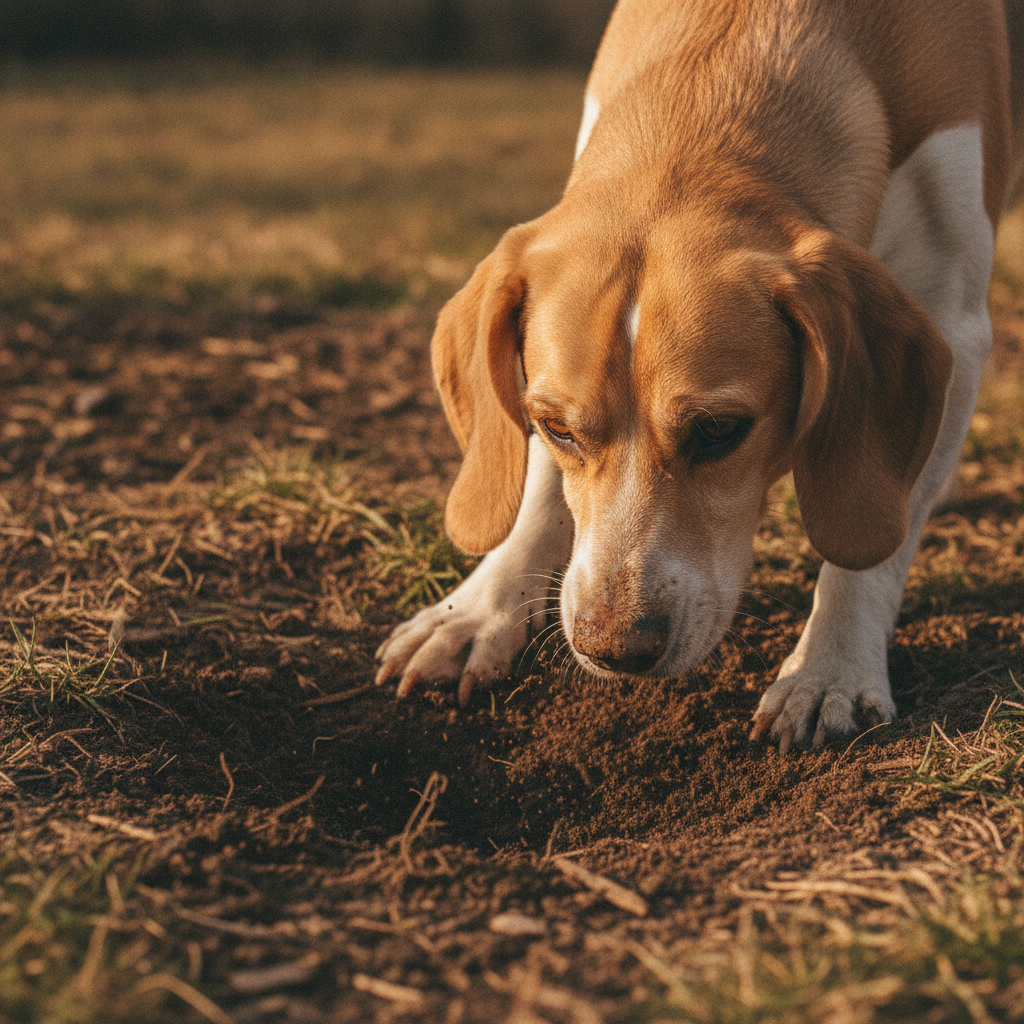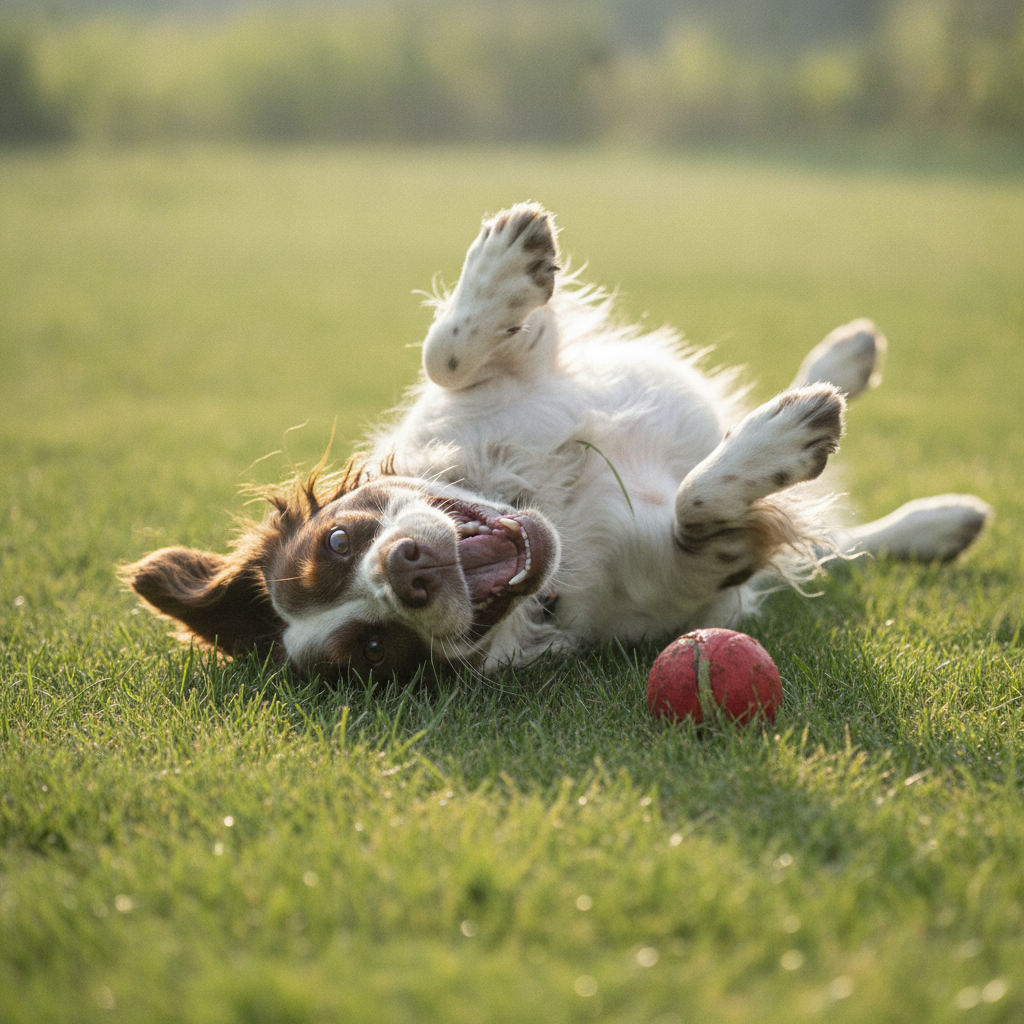
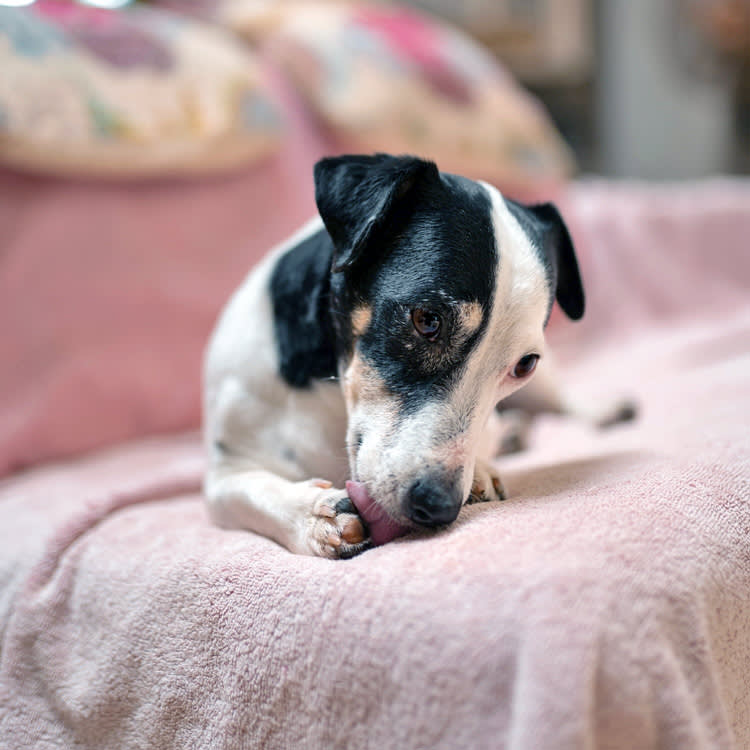
You know the sound. You’ve just settled in for a good night’s sleep, and from the far end of the bed comes the slurp… slurp… slurp of a dog grooming itself with total commitment. You nudge them, hoping the hint lands. It does not. So what’s the deal — is your dog doing this purely to keep you awake?
Not quite. Dogs lick themselves for a whole range of reasons, and most of them are completely ordinary. It’s natural grooming that keeps their coat clean and free of debris, and it can be genuinely soothing, a bit of self-comfort or stress relief. The behavior only becomes a flag when it turns excessive or shows up suddenly — that’s when it may be telling you something’s off.
Where the line is
The key distinction isn’t licking versus no licking. It’s occasional grooming versus fixation.
“A certain amount of self-licking is completely normal,” says Dr. Amara Solis, a veterinarian who works with The Pet Times. “A dog with nothing wrong might lick to clean up or just because they’re bored. What gets my attention is a dog locked onto one particular spot who won’t leave it alone. That’s usually the body flagging a problem, not a dog tidying up.”
That’s the tell to keep in mind through everything below. A dog that grooms and moves on is fine. A dog that returns to the same patch over and over, or that suddenly starts licking far more than usual, is worth a closer look — because unchecked licking can damage the skin and open the door to infection. (Bonus: sorting it out may also get you that full night’s sleep back.)
When it’s behavioral
Plenty of over-licking has nothing to do with illness. Common behavioral drivers include:
- Boredom. An under-stimulated dog, short on physical exercise and mental work, may lick simply to have something to do.
- Grooming gone overboard. Dogs groom by instinct, but licking that tips into overkill can point to underlying discomfort or stress rather than tidiness.
- Anxiety. Much like people have nervous habits, dogs may lick to self-soothe when they’re stressed.
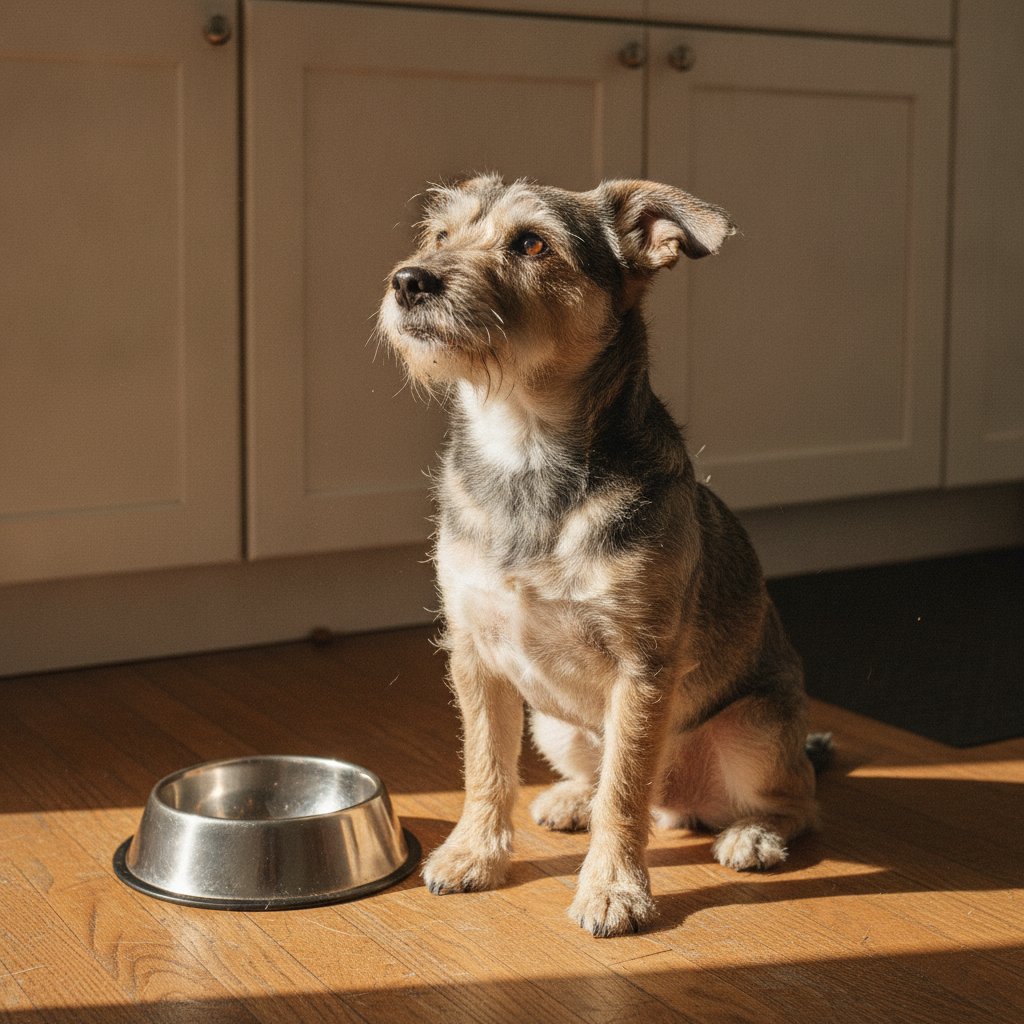
- Hunger. A dog that’s underfed or simply hungry may lick more, hunting for leftover food or signaling that they’d like some.
- Attention-seeking. Dogs are social and quick to learn. If licking reliably gets a reaction — including your midnight nudging — a clever dog files that away and does it again. Your response may be quietly reinforcing the very habit that’s bugging you.
When it’s medical
Licking can also be the surface symptom of something physical, ranging from minor to serious. By a wide margin, the most common culprit is allergies, but it’s far from the only one.
“When a dog is licking excessively, allergies top the list,” Dr. Solis says. “After that, I’m thinking about pain in a specific spot, parasites, an infection, nausea, or plain dry skin. The location and the pattern tell you a lot about which one you’re dealing with.”
Here’s the short version of the usual medical suspects:
- Allergies. Reactions to environmental triggers like pollen or dust mites, or to certain foods, cause itching and irritation that a dog answers with licking.
- Injury. A dog will often lick a wound within reach, trying to clean it or dull the pain.
- Parasites. Fleas or ticks cause intense itching, and licking is the dog’s attempt at relief.
- Infection. Skin or ear infections and the like create irritation and itch, prompting licking of the affected area.
- Nausea. A queasy or GI-upset dog may lick a lot as a form of self-soothing.
- Dry skin. Whether from the environment or an underlying issue, dry, itchy skin invites licking.
One pattern deserves special mention. If your dog obsessively licks surfaces — floors, walls, carpet, furniture — that’s a recognized condition called excessive licking of surfaces (ELS), and experts link it to an underlying gastrointestinal problem or, sometimes, obsessive-compulsive behavior. A dog working over both itself and the baseboards is a dog worth discussing with your vet.
How to dial it back at home
If you’re not seeing red flags for a serious medical or behavioral condition, a few at-home strategies can help curb the habit. The general idea is to redirect the behavior and remove its triggers:
- More exercise and enrichment. Regular physical activity and mental stimulation head off the boredom and anxiety that fuel licking. A puzzle toy for a bored dog can work wonders.
- Check the diet. Make sure your dog’s food is balanced and meeting their needs, so a nutritional gap isn’t part of the picture.
- Reduce irritants. Keep their space clean and free of potential allergens and harsh triggers — think strong cleaning products or scratchy synthetic fabrics.
- Discourage the spot. A bitter-tasting deterrent spray on a favorite lick zone can break the loop.
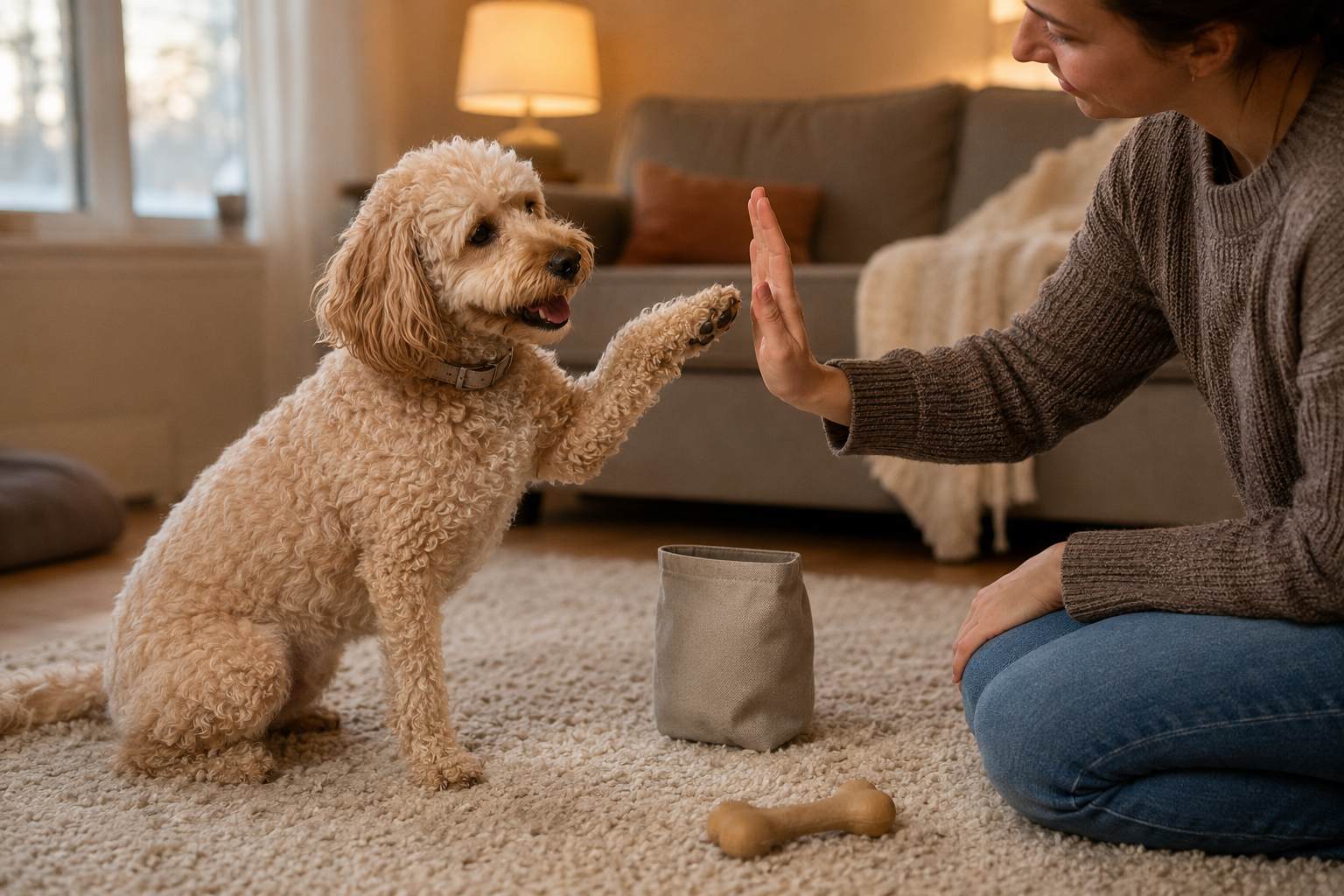
- Reward the alternative. Positive-reinforcement training redirects the energy toward better activities.
- Use a cone if needed. For serious, skin-damaging licking, an Elizabethan collar can protect the area while you’re waiting to get your dog seen.
When to call the vet
At some point the licking becomes miserable for everyone — the sound is grating on you, and your dog’s skin is turning red and raw. Left alone, that can spiral into infection or a lick granuloma, a stubborn sore that forms from relentless licking.
“Once a dog fixates on a spot, get them in,” Dr. Solis says. “Every lick introduces bacteria and traumatizes the skin a little more, so a fixated dog will almost always create an infection if it keeps going. If you see redness or catch an odor, that’s your cue to come in — and it’s the same story for a dog that won’t stop licking the air, or household objects, or every surface in reach, because those point to their own set of causes.”
The rule of thumb: occasional grooming is fine, but fixation, a new sudden habit, broken or reddened skin, or any bad smell all mean it’s time for a professional to figure out the why.
What newer research adds
The picture of why dogs over-lick has sharpened in a useful direction: more often than owners assume, the trigger is medical rather than a bad habit. Skin allergies — especially atopic dermatitis, an itchy, allergic skin condition — are now recognized as one of the most common reasons dogs lick, chew, and scratch a spot raw, which is exactly why “just tell them to stop” so rarely works. The itch is real, and it keeps coming back until the underlying cause is treated.
The same goes for that fixated, single-spot licking that ends in a thickened, hairless sore. Vets call it acral lick dermatitis (a lick granuloma), and it’s increasingly understood as a knot of causes tangled together — an original itch or pain, plus a compulsive habit that outlives it. That’s why the most effective fixes address both sides at once: calm the physical trigger and give the dog something better to do. If home strategies aren’t moving the needle, that combination usually needs a vet’s help.
Bottom line
A dog licking itself is, most of the time, just a dog being a dog — grooming, self-soothing, or angling for your attention. The moment to pay attention is when the behavior changes: when a general once-over narrows into an obsession with one spot, when it appears out of nowhere, or when the skin starts to suffer. Rule out the easy stuff at home, watch for redness, odor, and fixation, and when in doubt, let your vet find the reason. “Normal” looks a little different for every dog — the important thing is knowing your dog’s normal, so you notice when it shifts.
Because persistent licking can signal an underlying medical problem, sudden or fixated licking, raw skin, or a foul smell should prompt a veterinary visit rather than a wait-and-see approach.
References
- Bécuwe-Bonnet, V., et al. “Gastrointestinal disorders in dogs with excessive licking of surfaces.” Journal of Veterinary Behavior, 2012. https://doi.org/10.1016/j.jveb.2012.05.002