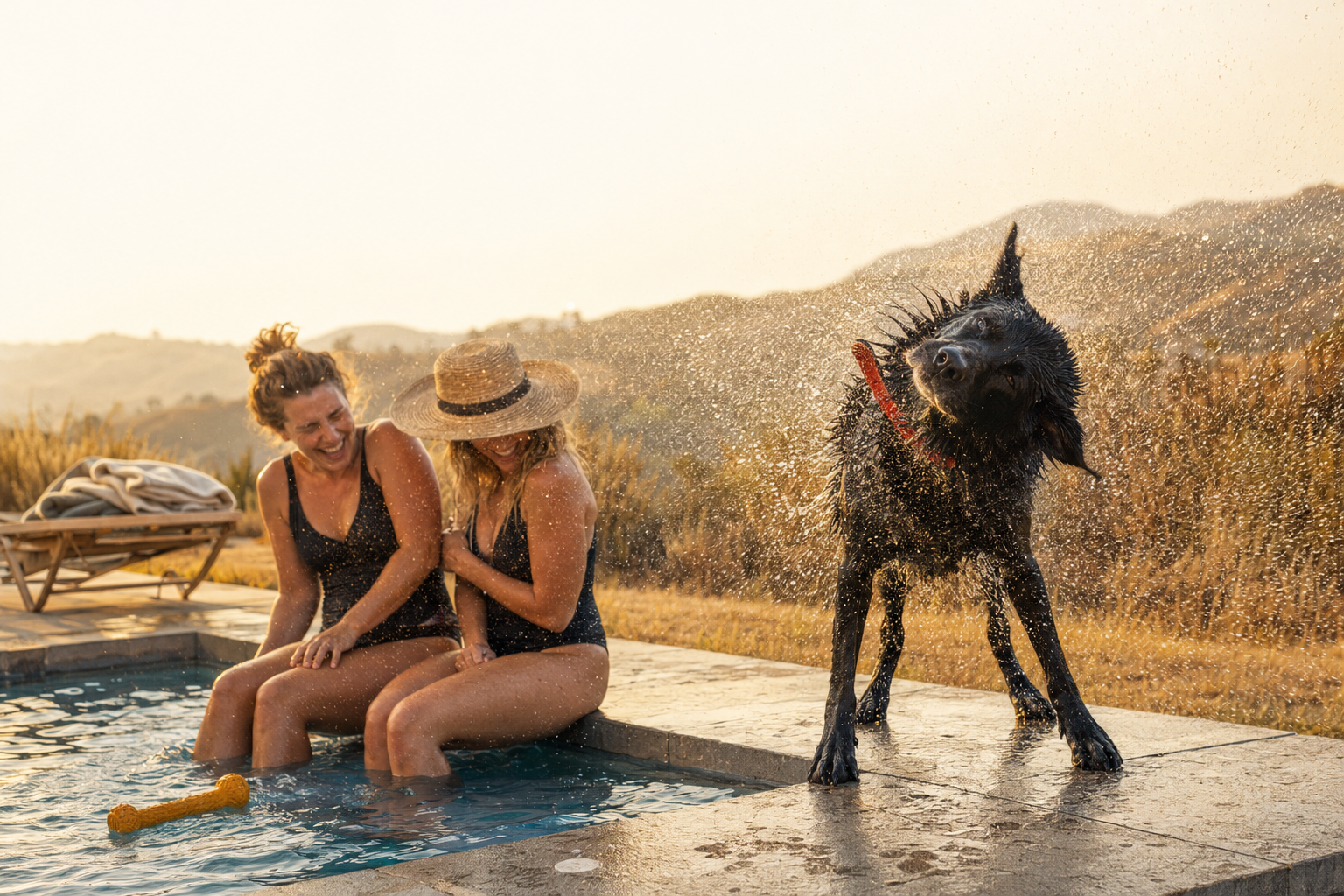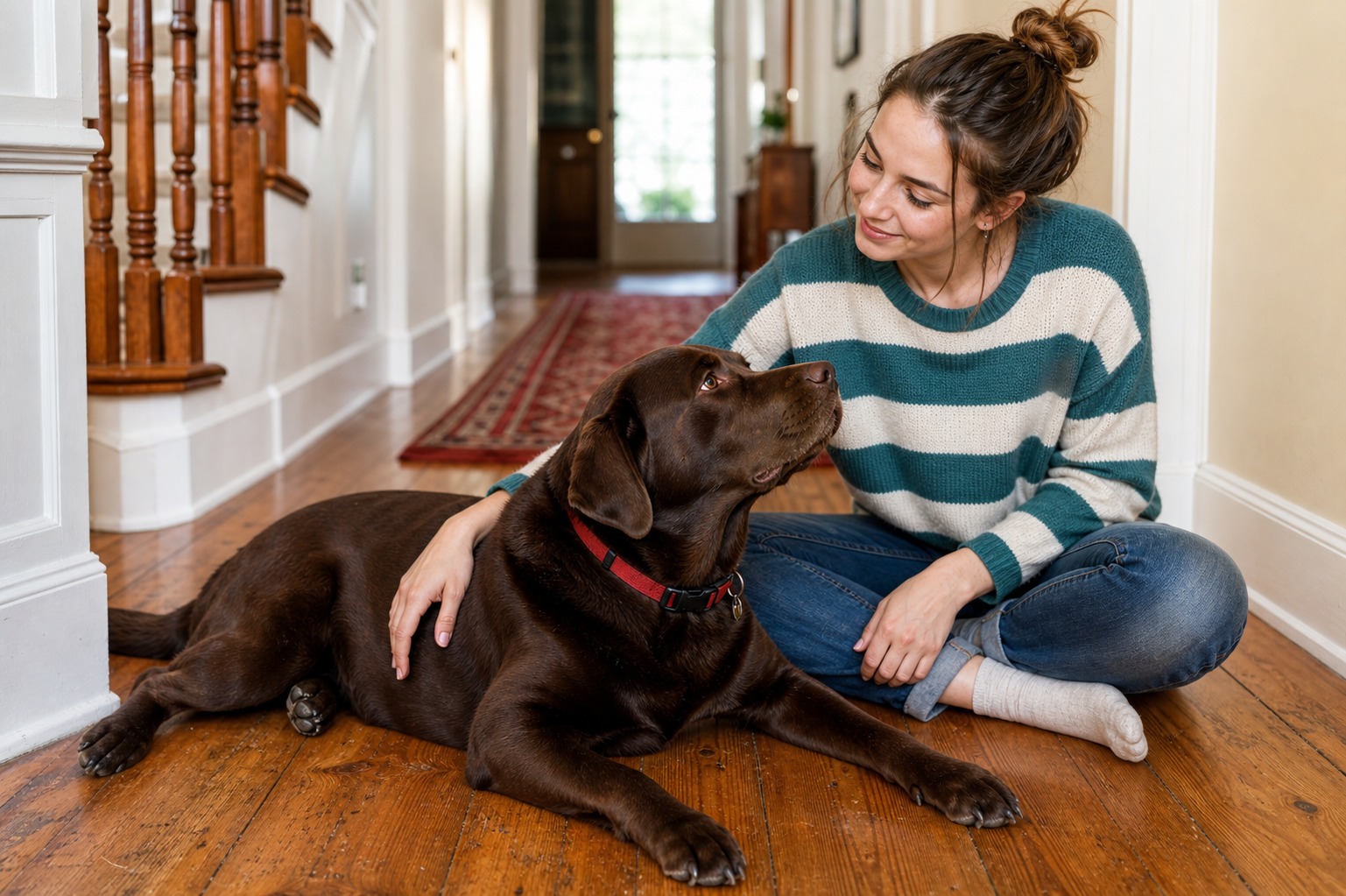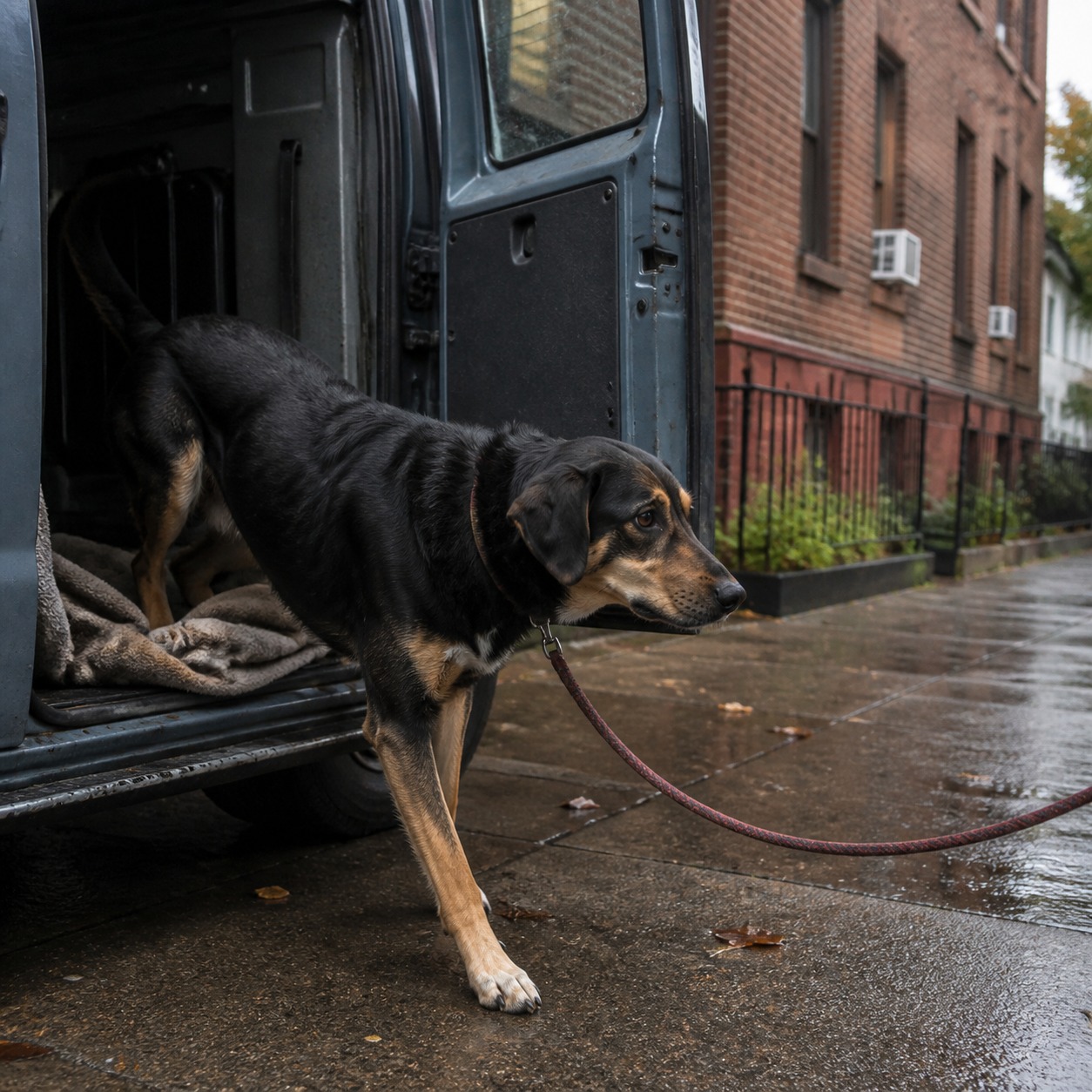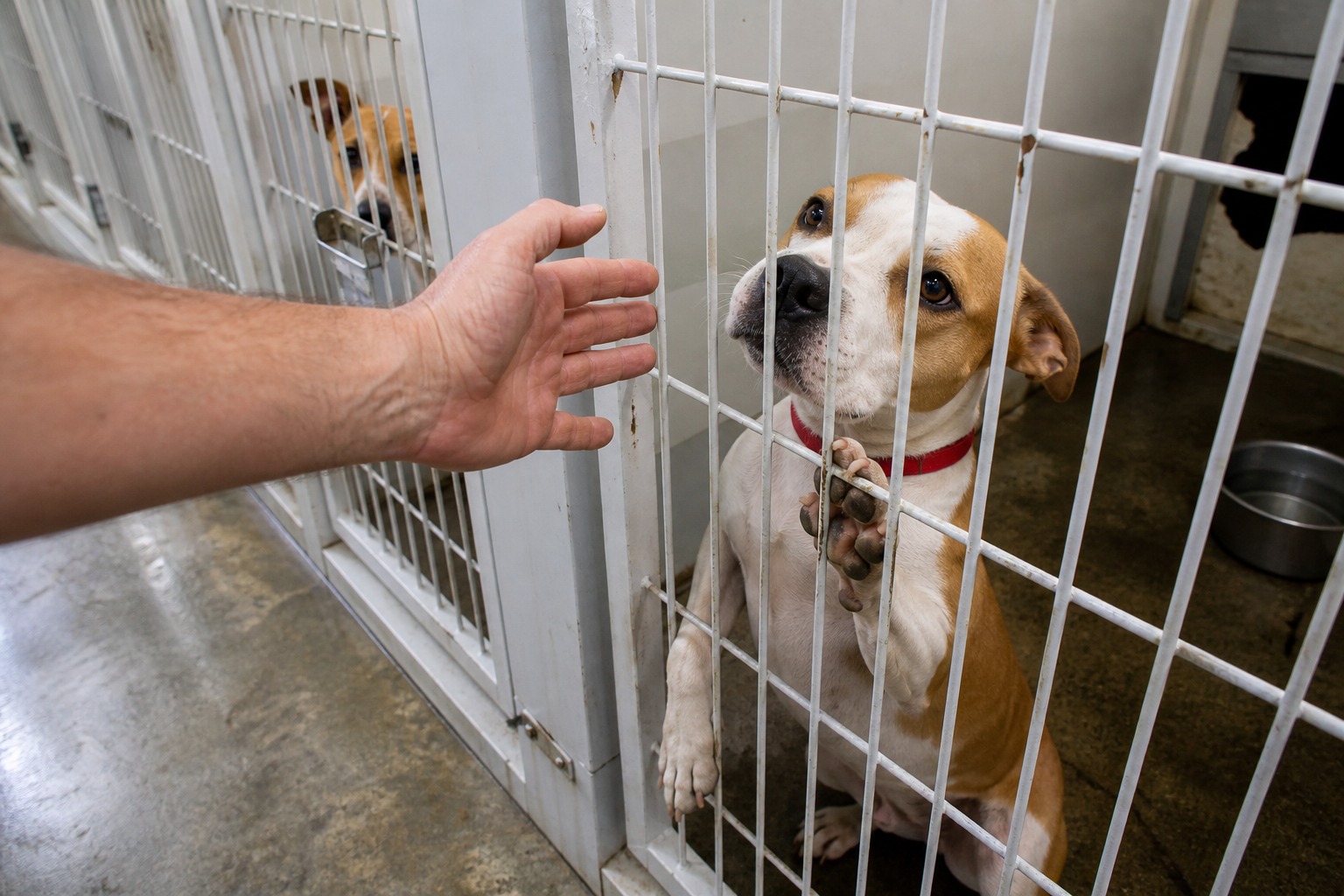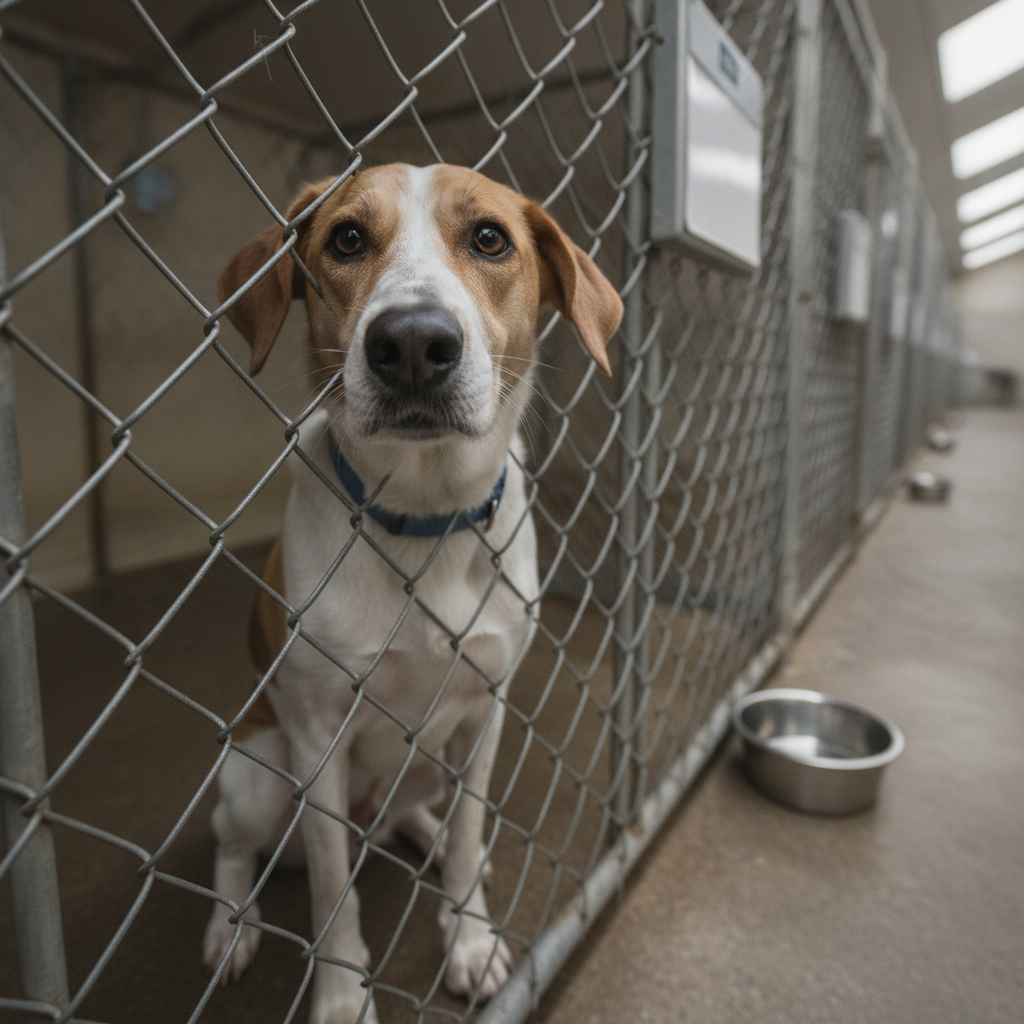
Here is an uncomfortable truth about how dogs get adopted in 2026: for many of them, the whole decision hinges on a single photo, taken fast under bad fluorescent light, scrolled past in half a second. A frightened dog looks worse than they are, the picture gets ignored, and the clock keeps ticking. Fix the photo, and you change the odds. That simple, almost unfair fact is what pulled fashion photographer Mike Ruiz into shelter work, and it is the argument at the heart of everything he now does.
The dog who rewired a celebrity photographer
Ruiz did not set out to become a rescue advocate. He had spent a career photographing the likes of Jennifer Lopez, Prince, Anne Hathaway, and Lindsay Lohan, shooting for magazines such as Vanity Fair, Interview, and Dazed & Confused, and appearing as a judge on shows like RuPaul’s Drag Race and America’s Next Top Model. There was, by his own account, no room in that life for a dog.
Then, while staying with a friend in Los Angeles, he met Oliver, a Pit Bull his friend was fostering. As Ruiz tells it, the dog walked right up, fixed him with a pair of enormous brown eyes, and later rested his head on the edge of the bed and simply stared for a couple of hours. Within 24 hours, Oliver was his. Ruiz brought him back to Manhattan, then felt so guilty about keeping him in an apartment that he sold his city home and bought a house in rural New Jersey so Oliver would have land to run on. When the dog later developed hip dysplasia and lost the ability to run, Ruiz put in a pool so Oliver could swim for exercise instead.
From dog dad to advocate
Oliver sent Ruiz down a rabbit hole. The more he read about Pit Bulls, the more he learned how unfairly they are maligned and how often they land in shelters as victims of neglect and abuse. He wanted to do something, and that impulse quickly widened to include all dogs. He launched the Hunks and Hounds calendar, funneling its proceeds to animal-welfare and rescue groups, and he began cold-calling shelters to volunteer behind the camera.
The shelters, at first, were not interested. Ruiz says it took nine calls before one rang him back, and in some cases he spent hours online tracking down volunteers to use as a way in to the decision-makers. The persistence paid off immediately: his photos took off online, and, by his account, every dog he photographed got adopted.
“People assume adoption is about the dog’s personality, but the first gatekeeper is the image,” says Sasha Ford. “A stylized, well-lit portrait stops the scroll where a dim kennel snapshot never will. It’s the difference between a dog being seen and being skipped.”
Why the photos work
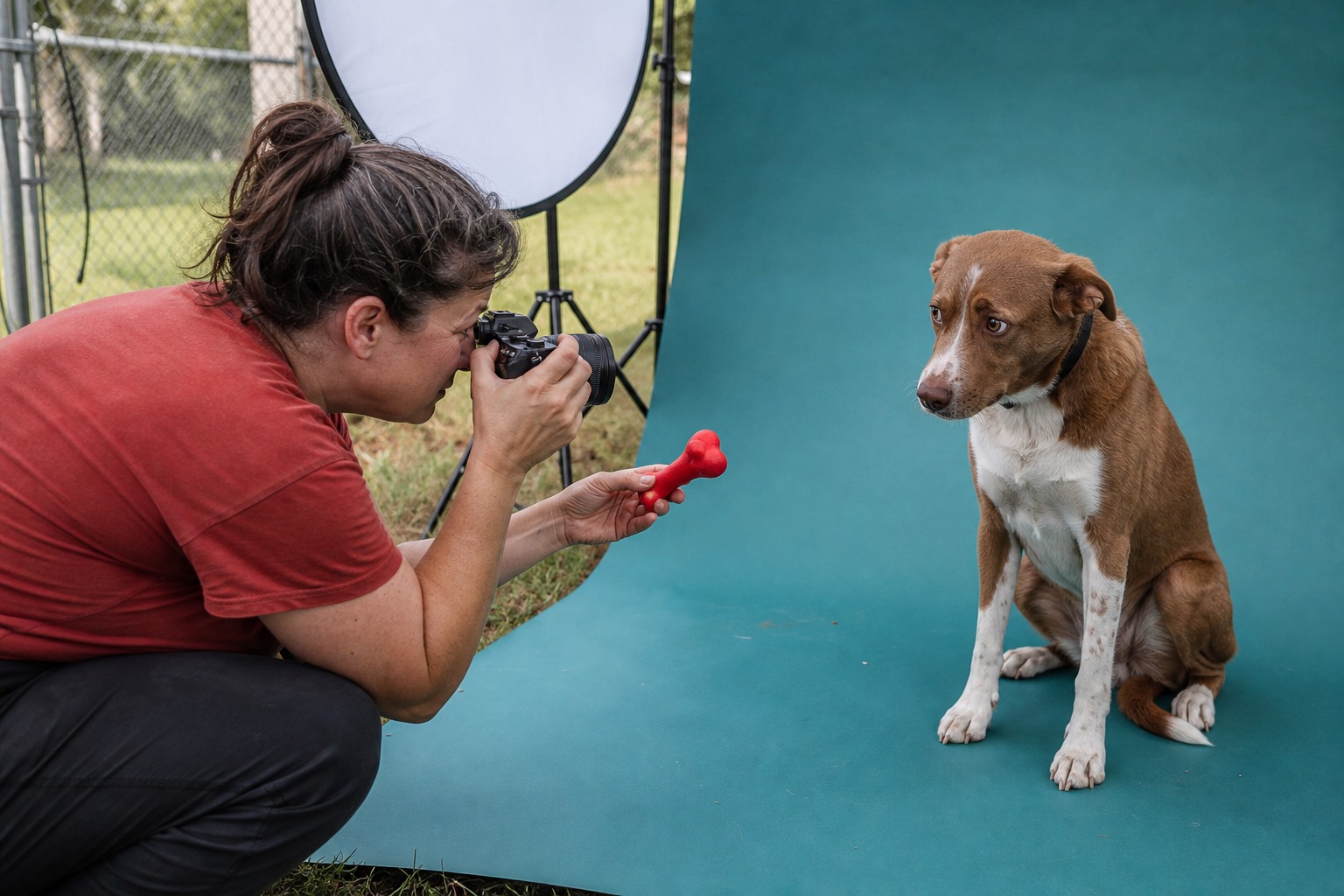
Ruiz approaches a shelter shoot the way he approaches a magazine cover. He brings a backdrop and looks for an outdoor spot with a little shade so he can use natural light, which keeps the setup small and spares the dogs the equipment and flashing strobes that might spook them. A slick, deliberately composed picture, he argues, does something an iPhone snapshot cannot: it stands out on social media, where these dogs live or die by the scroll.
Just as important is how he treats the subject. If a dog is stressed, he gets down on the ground and speaks softly, letting them sniff him and settle before he ever reaches for a squeaky toy. He eases them in, rewards them with a treat, and works to make the whole thing a positive experience. The result is a dog who looks, in the frame, like the pet someone has been waiting for.
The part that costs him something
Ruiz is candid that the work is not all uplift. Walking past row after row of kennels, each one holding a dog starved for attention, is hard, and it is hardest in the kill shelters. He has described photographing the dogs with a smile, then retreating to the bathroom to sob until he can pull himself together enough to drive home. He keeps at it anyway, and he is clear that service, not a good feeling, is the reason.
Because one man cannot photograph every dog in need, and shelters across the country remain badly overcrowded, Ruiz spends a lot of energy recruiting. He has pushed other fashion and celebrity photographers to volunteer, and he has put out an open call on Instagram urging his followers, amateurs included, to get involved and message him with questions. He also lends his camera to Stand Up for Pits for its annual Hope campaign and to New Leash on Life USA, a Philadelphia program in which incarcerated participants spend three-month cycles training rescue dogs for adoption.
Grief, and the case for adopting again
Oliver died in 2018, and Ruiz immediately adopted another dog, Julia, who had come to him at just 32 pounds (she is 65 now) and covered in lacerations from serious abuse. For a long stretch she would face the corner with her ears pinned back, and roughly two and a half years passed before she would hold his gaze. He kept going, caring for her while he grieved.
He knows plenty of people swear off adopting again after losing a beloved pet, unwilling to face the inevitable heartbreak of another goodbye. Ruiz’s answer, which he credits to his own therapist, is that grieving one dog and bonding with another can happen at once, and that saving a new dog is the truest way to honor the one you lost. And for those who cannot adopt, he points to a smaller but real alternative: grab a camera, and help match a dog with the person who can.
References
- ASPCA. Pet Statistics: Shelter Intake and Surrender
- Shelter Animals Count. The National Database of Sheltered Animals
- New Leash on Life USA. Prison-Based Dog Training Program