Walk down the supplement aisle and every cat fish oil promises the same glossy things: shinier coat, calmer joints, happier cat. The photos are interchangeable, a leaping salmon, a sardine, a wave. Here is the part the packaging won’t tell you: two oils made from the identical fish can be completely different products. One is molecularly clean, potent, and fresh. The other is oxidized, under-dosed, and carrying contaminants you’re now feeding your cat every day.
The fish on the front is marketing. The numbers and the certificate on the back are the product. Learn to read those and you can walk past 90 percent of the shelf.
First, why cats need these fats at all
Fatty acids are a specific kind of polyunsaturated fat, and they sort into two families: omega-3s and omega-6s. The important ones are the essential fatty acids (EFAs), the ones a cat’s body cannot manufacture and has to get from food. For cats, that means omega-3 and omega-6. They pull real weight physiologically: they ferry the fat-soluble vitamins (A, D, E, and K) out of the gut and into the body, they build and run cell membranes (including the machinery behind vision and learning), and, not for nothing, they make food taste better so a picky cat will actually eat.
Fat is also simply where cats get their fuel. Gram for gram, fat delivers about twice the energy of protein or carbohydrate, which makes it a load-bearing macronutrient for an obligate carnivore, not a garnish.
Why omega-3s specifically earn the hype
Omega-3s are the anti-inflammatory side of the ledger, and inflammation is quietly behind a huge share of feline health problems. That’s why a good omega-3 supplement can support so many systems at once. It can help manage chronic inflammatory conditions, colitis, inflammatory bowel disease, arthritis-related joint pain, obesity, and allergic skin disease among them. It supports neural and cardiovascular development, immune function, and healthy reproduction. It helps with stress and, notably, with cognition in senior cats. It calms dry, itchy skin and keeps the coat sleek. Omega-3s can bring down blood cholesterol and triglycerides, and there’s evidence they can slow the growth and spread of certain cancers.
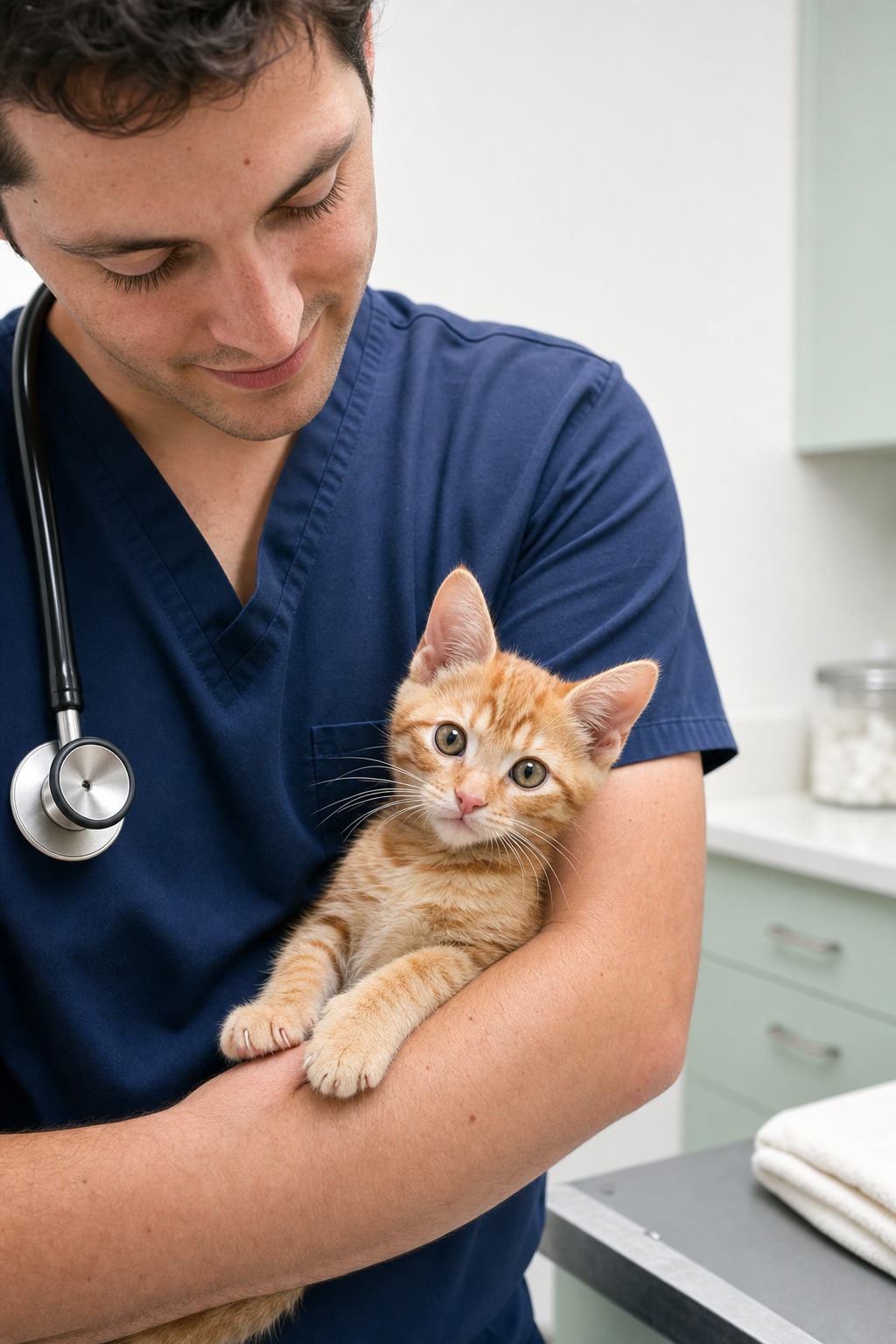
“Omega-3s are one of the few supplements where the evidence keeps getting stronger, because they work upstream on inflammation itself rather than chasing one symptom. That said, ‘natural’ and ‘over the counter’ don’t mean ‘give it freely.’ Fish oil can interact with some medications, so I want a cat’s vet in the loop before it goes in the bowl, especially before any surgery,” says Dr. Priya Nair.
How to actually get omega-3s into your cat
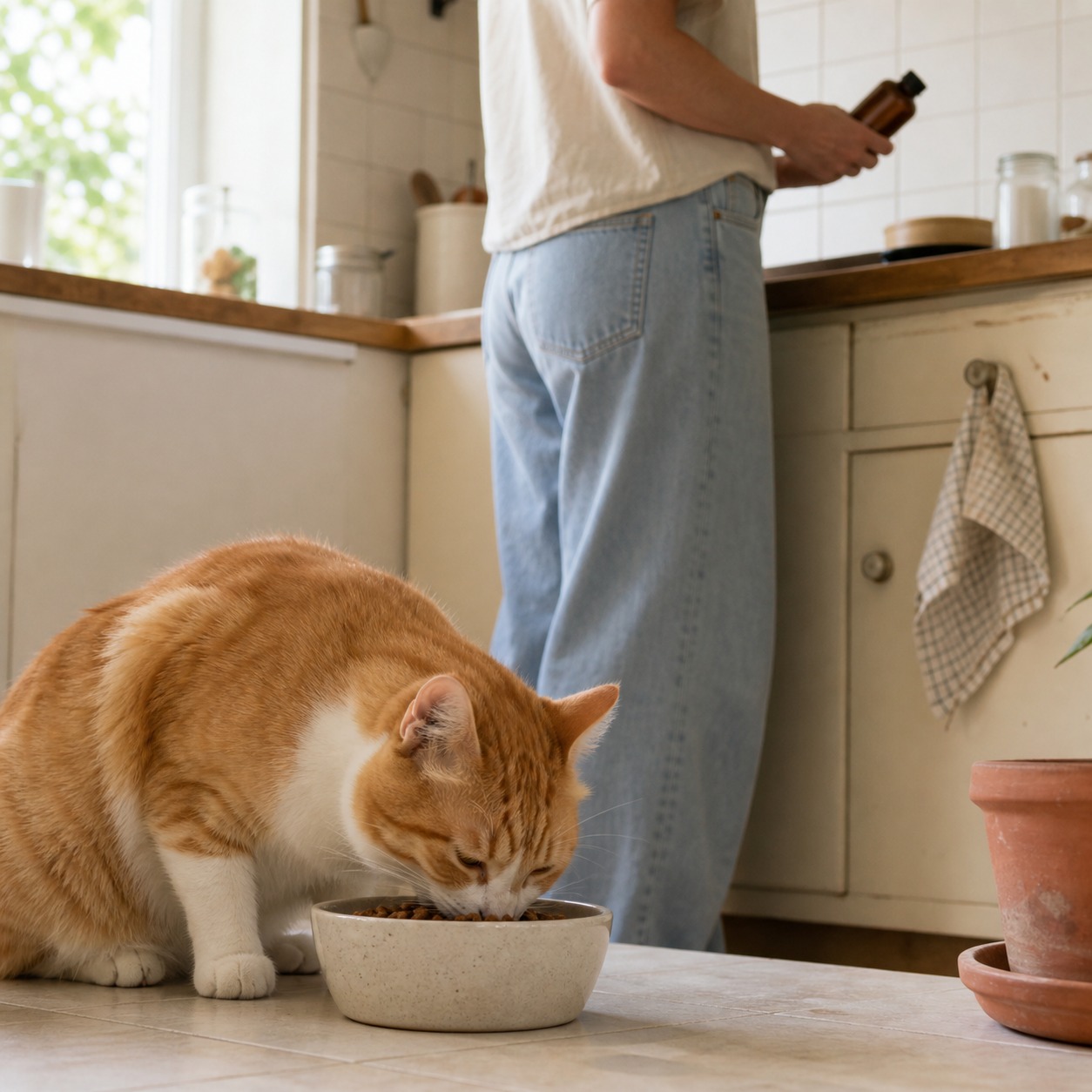
You have two routes, and the best plan often uses both. The food route: top the regular diet with omega-3-rich oily fish, sardines, mackerel, salmon, tuna, or, yes, share a little plain salmon off your own plate. The supplement route: choose a dedicated fish oil. Before you commit to a bottle, clear it with your vet (see the medication note above), then judge the product itself on four things. These four criteria are the entire ballgame.
Purity. The oil should meet international standards for contaminants, heavy metals, PCBs, dioxins, and the rest, and the brand should be able to hand you a third-party Certificate of Analysis (CoA) that proves it. This is the single most important line item, because a cat takes fish oil daily and bioaccumulates whatever comes with it.
Freshness. Fish oil oxidizes fast, and rancid oil is worse than no oil. Look for a source that’s guaranteed fresh and packaged to keep oxygen out, soft-gel capsules, for instance, seal air away from the oil.
Potency. The label should state actual EPA and DHA content, not just “fish oil.” For most cats, DHA is the heavier hitter, so you generally want DHA to meet or exceed EPA rather than the other way around.
Sustainability. A lot of fish oil comes from overfished stocks. Products built from fish certified by bodies like the Global Organization for EPA and DHA Omega-3s (GOED) let you support your cat’s joints without gutting a fishery.
Four fish oils that clear the bar
We cut this list down on purpose. A shorter roster of oils that genuinely meet the purity-and-potency test beats a padded one that pretends a hemp extract belongs in a fish oil roundup. Prices and availability move, so confirm before you buy.
Best overall — Brilliant Salmon Oil. Supports hips and joints, keeps the coat glossy, and eases dry, itchy skin. Its selling point is process: a 100 percent pure distillation with no acid treatments, solvents, chemicals, artificial additives, preservatives, or colorings. It’s also sustainably made, with no part of the fish wasted.
Best budget — Wild Alaskan Salmon Oil. Sourced from Alaska, this wild-caught salmon oil delivers omega-3s, EPA, and DHA aimed at skin health. A single teaspoon covers a cat’s daily needs, and the pump top makes it easy to swirl into dry food to soften it or add fat to wet food, once or twice a day.
Best splurge — Sardine, Anchovy, and Cod Omega-3 Oil. Built from sardine, anchovy, and North Atlantic cod oils, it supports joints, heart, eyes, immune function, and overall organ health. It’s cold-pressed and molecularly distilled, which lifts absorption, and that’s what the premium buys you.
Best sustainable — Fera Pet Organics Fish Oil. Uses wild-caught herring, sardines, anchovies, and mackerel, sustainably sourced from Iceland, with a purity profile that’s hard to beat and one of the highest EPA-and-DHA loads among leading brands. Because fish oil can lower vitamin E over time, Fera adds it back via distilled, non-GMO, soy-free sunflower.
What newer research adds
Two practical updates are worth knowing. First, oxidation has become the industry’s open secret: independent testing keeps finding that a meaningful share of omega-3 products on shelves are already partially rancid by the time they’re sold, which is exactly why the freshness and airtight-packaging criteria above matter as much as the EPA/DHA number. A cheap oil that’s gone off can do more harm than good. Second, dosing is getting more precise. Vets increasingly prescribe omega-3s at specific, condition-based amounts, higher for arthritis or kidney support, more modest for general coat health, rather than a one-scoop-fits-all approach. The upshot for owners is the same as ever, but sharper: buy a clean, fresh, clearly-dosed oil, and let your vet set the number.