


Food, Treats, Supplements: The Mealtime Buys Worth Your Money (and the Ones Sold on Vibes)
A bowl, a treat, and a supplement are three different purchases with three different rules. Here's our award-winning gear sorted by what it's actually for, plus an honest evidence tier on supplements, what the research backs, what's promising, and what's mostly marketing.

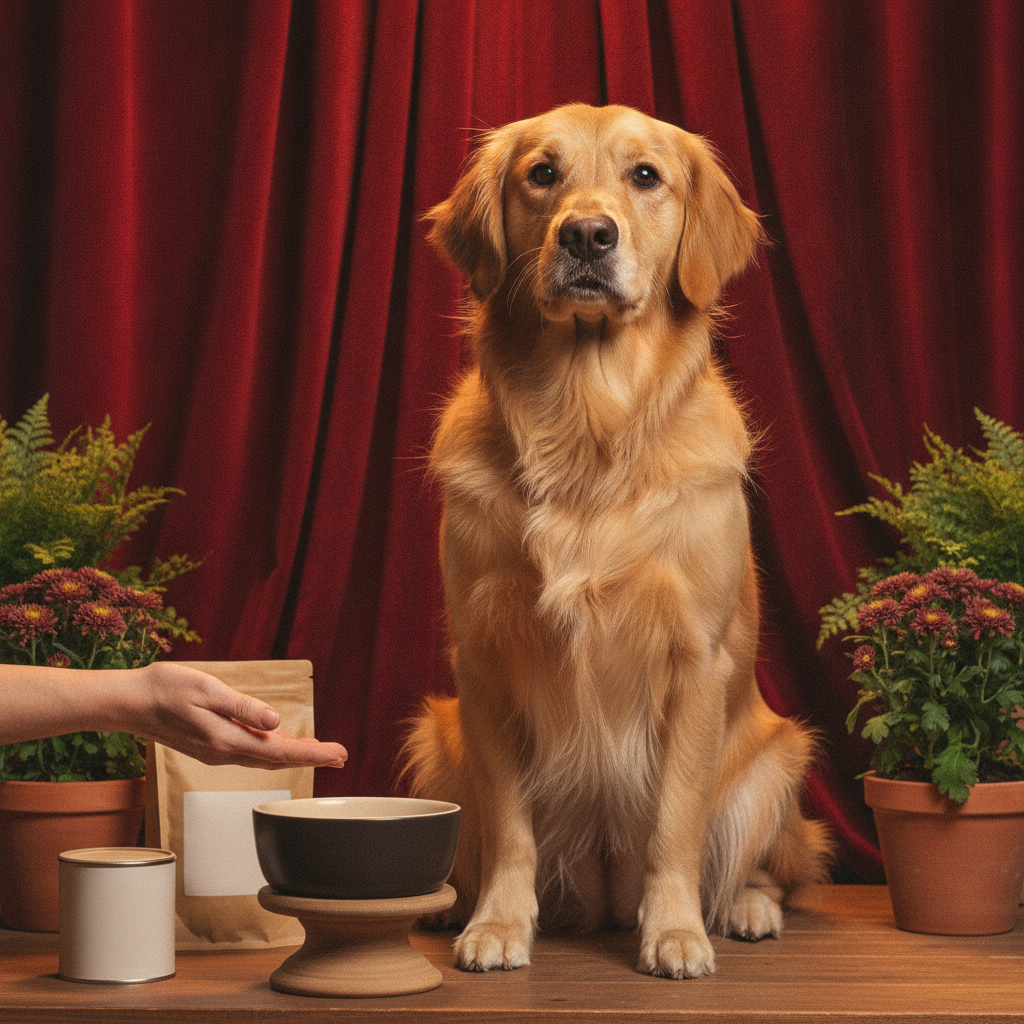
A pet bowl, a training treat, and a joint supplement get lumped into the same “mealtime upgrades” aisle, but they are three completely different purchases. A bowl is a one-time tool you judge on material and ergonomics. A treat is a daily currency you judge on calories and what it teaches. A supplement is a health claim you judge on evidence, and the gap between the supplements that have real research behind them and the ones sold on a nice tin and a wellness story is enormous.
So instead of marching through three dozen “Best in Show” awards in a row, we have sorted them the way you would actually shop: the bowl and how the food is served, the everyday food and the delivery services, the treats and the training currency, and then the part that needs the most scrutiny, supplements, with an honest tier on what the science actually supports. Every winner below earned its spot; what changes is that we tell you which category’s rules to apply.
The bowl and how the food gets served
The bowl is the cheapest functional upgrade you can make, and material matters more than looks. Food sticks less to glass and ceramic than to plastic, which means less of the film that turns into smell.
Best dog bowl: Mr. Dog x Nick Cotterman handcrafted glass bowl. Matthew Morris co-founded Mr. Dog after an editing career at GQ, Vogue, Vanity Fair, and House & Garden, and it shows in a clear, sculptural bowl made entirely with American artisans. “I wanted a much more exclusive assortment where we controlled the design and the manufacturing,” Morris says, “and within the States there are amazing artisanal factories I really wanted to support.” Beyond the looks, glass earns its place functionally: food is less likely to stick, so the bowl stays cleaner and fresher-smelling than plastic.
Best cat bowl: Cat Person Mesa Bowl. An elevated, art-deco dish that comes in four colorways, including a limited Jason Wu collaboration. The height is not just style. “Eating from a raised bowl can help some arthritic cats, who find a crouched posture uncomfortable,” says Dr. Priya Nair, a Pet Times veterinary contributor. A shallow, wide shape also helps long-whiskered cats avoid whisker fatigue. One caution she adds: skip breakable ceramic for kittens and rowdy adolescents.
Best raised feeder: Pets So Good Elevated Bowl. For large or aging dogs, raising the bowl spares them from bending too far at mealtime. An elevated bowl is a good idea for any larger dog, or a dog with a chronic neck issue that makes lowering the head difficult.
Best dog slow feeder: Outward Hound Fun Feeder. Speed-eating can cause choking, vomiting, and gastric dilatation-volvulus (bloat), a true emergency. This maze bowl can slow a dog’s eating up to tenfold and adds mental work. “A slow feeder or food puzzle does double duty,” says behaviorist-informed contributor Nina Vasquez. “It paces the eating and gives the dog practice at persistence and a little manageable frustration.”
Best cat slow feeder: MiaCara porcelain slow bowl. A pastel porcelain dish that paces eager eaters. “A slow bowl turns a thirty-second gulp into a small puzzle: the cat works for each bite, the meal stretches out, and cats prone to scarf-and-vomit episodes or creeping weight gain do better for it,” Dr. Nair says.
Everyday food and delivery: look for the nutritionist, not the aesthetic
The single most useful thing to know about fresh and delivered food is which brands employ board-certified veterinary nutritionists, because that credential, not the packaging, is what makes a complete and balanced meal.
Best dog food delivery: Nom Nom. Pre-portioned, gently cooked meals built around a quiz about your dog, with two on-staff board-certified veterinary nutritionists and a microbiology team behind a prebiotic-fiber, full-spectrum formula. What lives in the gut helps run the whole animal, digestion, immunity, even how readily a dog holds a healthy weight. Feeding those microbes on purpose, with prebiotic fiber, is one of the quieter wins in modern dog food. Meals come pre-portioned to the calorie in recyclable packs, across four recipes, with cat options too.
Best cat food delivery: Smalls. Human-grade fresh cat food in pâté, diced, and shredded textures across cow, turkey, and chicken, plus freeze-dried raw options, averaging about $1.25 a meal after the starter discount.
Best veterinary diet: Royal Canin. Studying canine and feline health since 1968, Royal Canin builds tailored, vet-formulated diets that account for genetic predispositions and conditions like diabetes and allergies, even shaping kibble to different jaw structures. “The right diet helps maintain appropriate weight,” notes Dr. Park, “and weight management is central to managing conditions like diabetes and pancreatitis.” Their Glycobalance line is a common low-fat, high-fiber pick for diabetic pets.
Best sustainable dog food: Petaluma. Plant-based oven-baked bites of roasted peanut butter, sweet potato, and chickpeas. A study Petaluma commissioned estimates its food uses 89 percent less land, 75 percent fewer greenhouse-gas emissions, and 54 percent less freshwater than an average dog diet. “Traditionally about 99 percent of the animal protein in dog food comes from factory farms, which are big polluters,” says co-founder Caroline Buck. If you go plant-based, confirm the formula is complete and balanced for your dog with your vet.
Best sustainable cat food: Open Farm. “Obsessively sourced,” traceable ingredients from certified farms and fisheries, with wet, dry, bone broth, and goat-milk kefir options, plus dog formulas.
Treats and training currency: calories first, flavor second
A treat is a tool, and the rule is the 10 percent ceiling: treats should stay under 10 percent of daily calories. Within that, the best training treats are small, soft, and high-value.
Best dog treat: Ziwi Peak. Founded by former free-range deer farmer Peter Mitchell, these air-dried bites are 96 percent meat, organs, and New Zealand green mussels, grain-free with no added carbs. “Treats are your most valuable training currency,” and small, meaty ones like these are ideal for it.
Best puppy training treats: Bocce’s Bakery. Born in a West Village kitchen when a pup named Bocce needed to lose weight, the brand’s limited-ingredient recipes (PB and Bacon among them) are good starter rewards. “Reward-based training is the most effective and humane way to train dogs,” notes Nina Vasquez, which is exactly what a small, soft treat enables.
Best cat treat: Made by Nacho. Bobby Flay launched this line for his cat Nacho, recruiting Nacho’s vet, Dr. Katja Lang, to formulate it; the Ahi Tuna Treats use sustainably caught tuna, freeze-dried to preserve nutrients.
Best sustainable dog treat: Botanical Bones. Rachel Meyer started this Asheville brand making human-grade treats for her skittish pandemic puppy, formulated around immunity, calm, and wellbeing. Treat the “functional superfood” claims as a nice-to-have rather than medicine.
Best sustainable cat treat: Shameless Pets. A food-waste upcycler that has reclaimed over a million pounds of surplus and “misfit” ingredients since 2018, with lobster among its top upcycled products, a genuinely lower-waste treat.
Best dog bone: bully sticks. A safe chew cleans teeth without risking a fracture. As the bone aisle gets more crowded, it is harder to tell the safe chews from the dangerous ones. Bully sticks soften as they are chewed, which is gentle on teeth, and curled ones resist snapping into swallowable chunks. The catch is calories: an average six-inch stick is about 88 calories, roughly nine percent of a 50-pound dog’s day, so count it.
Supplements: the honest evidence tier
Here is where the “Best in Show” format hides the most important information, because it presents a fish-oil supplement and a CBD chew and a microbiome test as if they were equally proven. They are not. Spend in proportion to the evidence.
Strongest evidence, omega-3 fish oil. Of all the common supplements, omega-3s from fish oil have the most research support: arthritic dogs and cats supplemented with fish oil tend to be more comfortable and mobile, and omega-3s act as anti-inflammatory agents across many conditions. This is the supplement to prioritize. Best sustainable fish oil: Fera Pet Organics, using wild-caught Icelandic sardines, anchovies, herring, and mackerel, high in EPA and DHA, with added vitamin E (since fish oil can lower it). Best skin and coat supplement: Finn, cold-pressed chews with wild Alaskan salmon oil, omega-3s, zinc, vitamins C and E, and biotin in a plastic-free tin. “Fish is an easily digestible protein rich in essential amino acids,” notes Dr. Priya Nair, “and the omega-3s do real anti-inflammatory work.”
Generally favorable, joint supplements. Glucosamine and related joint supplements have mixed but largely positive evidence for rebuilding joint components and easing arthritis pain. As dogs age, cartilage and bone inside the joints deteriorate and the body responds with inflammation. Joint supplementation can help rebuild those components and, in many cases, reduce pain. Best joint supplement: Super Snouts. Best multivitamin: Dog Is Human, with CoQ10, glucosamine hydrochloride, and salmon oil in human-grade, non-GMO chews.
Promising but uncertain, CBD. Early controlled trials suggest CBD can add pain relief for canine osteoarthritis on top of standard treatment, but the evidence remains uncertain and inconsistent on activity and mobility. Treat it as worth trying for specific issues, with your vet, not as a sure thing. Best dog CBD: Super Snouts, organically farmed, THC-free, formulated with veterinary CBD authority Dr. Robert Silver, with QR-coded third-party test results on every product. As always, CBD is debated among vets, so use your judgment and your vet’s.
Modulates the gut, but clinical benefit is unproven, probiotics. Probiotics reliably shift gut bacteria, improve stool quality, and support mucosal immunity, but studies have not shown clear, consistent clinical benefits beyond some help with acute diarrhea. Useful, not miraculous. Best dog probiotic: The Honest Kitchen dehydrated goat’s-milk formula. Best digestive supplement: kin+kind high-fiber pumpkin, flax, and coconut chews. “Treat probiotics as routine upkeep for the gut rather than a repair job,” says Dr. Nair, “and set expectations: they help the microbiome more reliably than they cure a specific problem.”
Interesting, not diagnostic, microbiome testing. Best microbiome test: AnimalBiome, an at-home gut-health test that flags bacterial imbalances and suggests diet and supplement changes. It can add useful context for chronic gut trouble, but it is not a substitute for a veterinary workup.
Personalized and calming supplements. Best personalized vitamin pack: Dandy, founded by Danielle Sobel after her dog Zoey’s allergies, offering 32,000 supplement-treat combinations built by a vet-designed algorithm around your dog’s breed, age, lifestyle, and diet. Best calming supplement: Native Pet calming chews (melatonin, L-theanine, thiamine, hemp seed), with full ingredient transparency and no filler.
And the extras that round out the bowl
Best cat grass: an organic grow-your-own kit of wheat, oats, rye, barley, and flax, sprouting in four to six days. The sprouts deliver a real micronutrient hit, vitamins A and D, folate, niacin, chlorophyll, and a pot of homegrown grass steers cats away from chewing potentially toxic houseplants.
The short version
Apply the right rule to the right purchase. Judge a bowl on material and ergonomics (glass or ceramic, raised for big or arthritic pets, slow for gulpers). Judge food and delivery on whether a veterinary nutritionist stands behind the formula, not on the aesthetic. Judge treats on calories and what they teach, inside the 10 percent ceiling. And judge supplements on evidence: lead with omega-3 fish oil, consider joint supplements, try CBD and probiotics with realistic expectations and your vet’s input, and treat microbiome tests as context, not diagnosis. The best bowl on Earth still can’t fix an unbalanced diet, and no supplement replaces a vet visit.
References
- Cornell Riney Canine Health Center. “How Joint Supplements Can Help with Orthopedic Conditions.” vet.cornell.edu.
- Today’s Veterinary Practice. “Fish Oil Dosing in Pet Diets and Supplements.” todaysveterinarypractice.com.
- Frontiers in Veterinary Science. “Efficacy and Safety of Cannabidiol for the Treatment of Canine Osteoarthritis: A Systematic Review and Meta-Analysis.” 2023.
- Journal of the American Veterinary Medical Association. “Use of Probiotics in Small Animal Veterinary Medicine.” 2017.
- VCA Animal Hospitals. “Pet Treats Should Make Up 10% of Daily Calories.” vcahospitals.com.
Common questions
Which pet supplements actually have evidence behind them?
Omega-3 fish oil has the most research support of any common supplement, with studies showing arthritic dogs and cats are more comfortable and mobile when supplemented. Joint supplements like glucosamine have mixed but generally favorable evidence. CBD shows promise for osteoarthritis pain in early trials, but the evidence is still uncertain. Probiotics reliably shift gut bacteria and improve stool quality but have not shown clear, consistent clinical benefits. Microbiome tests are interesting but not diagnostic. Match your spending to that hierarchy and talk to your vet before adding anything, especially with a pet on medication.
Does the bowl I use actually matter?
More than people think. Glass and ceramic resist odor-causing film better than plastic. Raised bowls genuinely help arthritic or large dogs and senior cats by sparing them an uncomfortable crouch. Shallow, wide bowls reduce whisker fatigue in cats. Slow-feeder bowls slow down gulpers, which lowers choking, vomiting, and bloat risk while adding mealtime mental work. The bowl is the cheapest functional upgrade on this whole list.
How do I pick a safe dog bone or chew?
A safe chew cleans teeth through chewing without being hard enough to fracture one. Bully sticks soften as they are chewed, which makes them gentler on teeth, and curled ones are harder to snap and swallow whole. The tradeoff is calories: an average six-inch bully stick is around 88 calories, roughly nine percent of a 50-pound dog's daily intake, so count it toward the 10 percent treat ceiling. Avoid anything so hard you could not dent it with a fingernail.
Is fresh or delivered food better than kibble?
It depends on your pet and budget, not on marketing. Fresh and gently cooked delivery services offer pre-portioned, often human-grade meals that many pets do well on, and some are formulated by board-certified veterinary nutritionists, which is the credential to look for. A complete, balanced kibble is not inferior by default. What matters is that any food, fresh or dry, meets your pet's full nutrient needs for their life stage, ideally verified by a veterinary nutritionist.
Dr. Park is a board-certified emergency and critical care specialist. She reviews our health and safety content for clinical accuracy and contributes guides on recognising urgent conditions. Her focus is helping owners act quickly and correctly when it matters most.
Meet our experts ↗Keep reading
 Product PicksWhy a One-Ingredient Quail Egg Is the Smartest Treat in the JarSara Lim · 4 min
 Product PicksDad Grass Made a CBD Bone and a CBD-Free 'Joint' Toy. For Most Dogs, Buy the ToyDr. Mara Chen · 5 min
 Health & WellnessMost Dog "Longevity" Supplements Are Guesswork. 9 That Aren't.Dr. Priya Nair · 11 min
 Product PicksOne Supplement Pack Was Never Going to Fit Every Dog. Dandy's Founder Bet a Company on ItNina Vasquez · 4 min
 Product PicksBundle x Joy Bet Pretty Packaging Would Make You Use Your Dog's Supplements. It WorkedLeila Torres · 5 min
 Product PicksThis Founder Thinks Your Dog Wants a Routine as Badly as You DoSasha Ford · 5 min