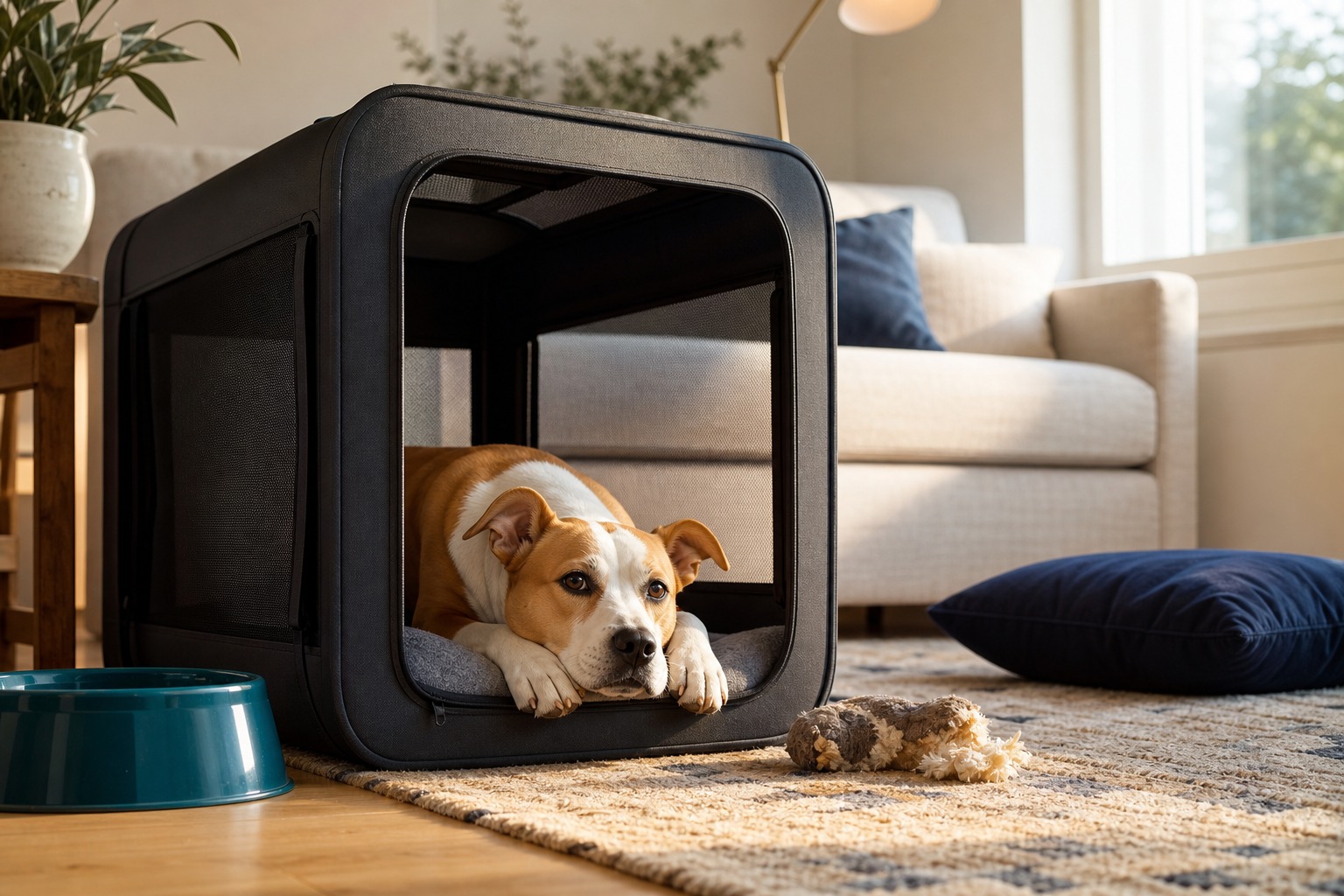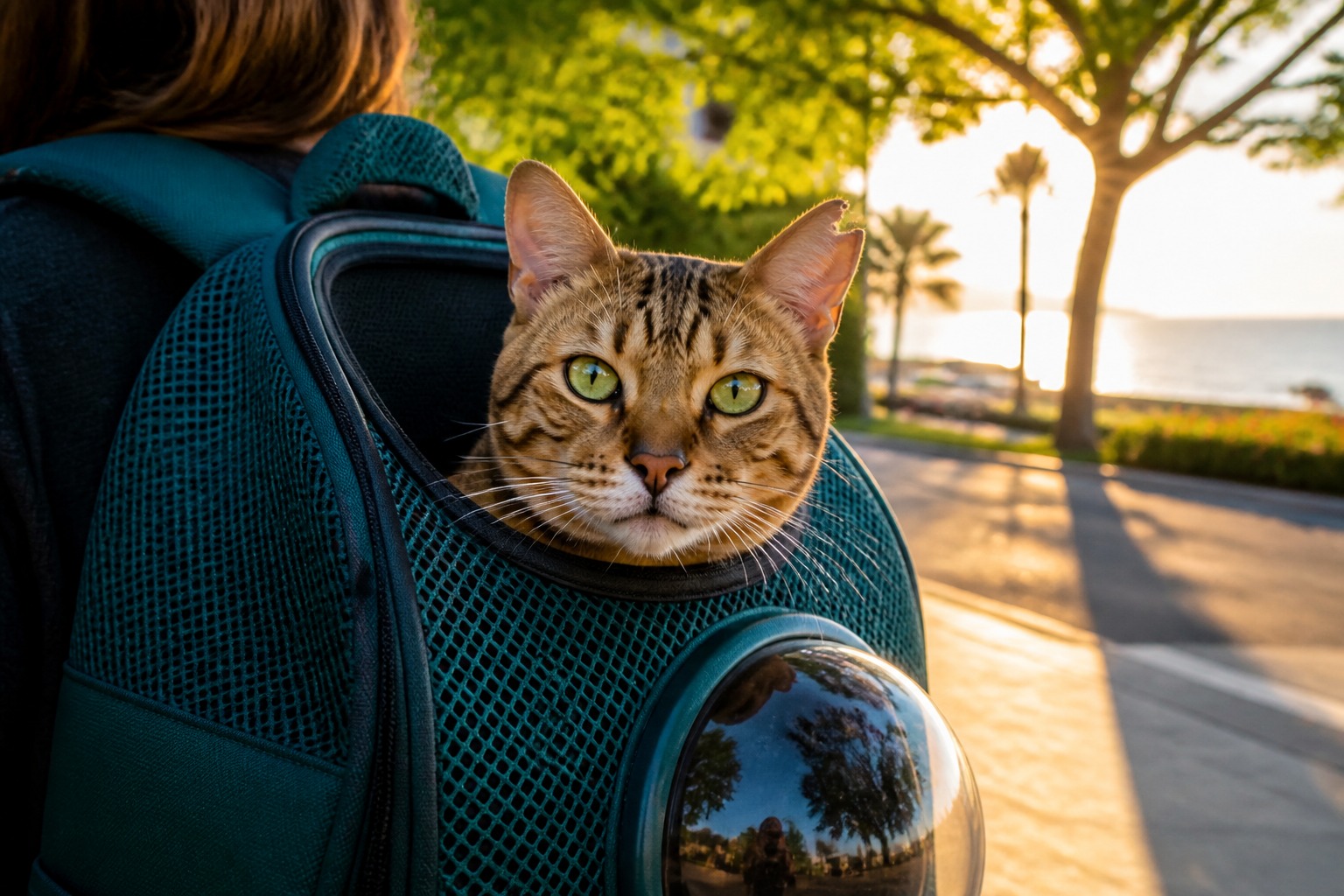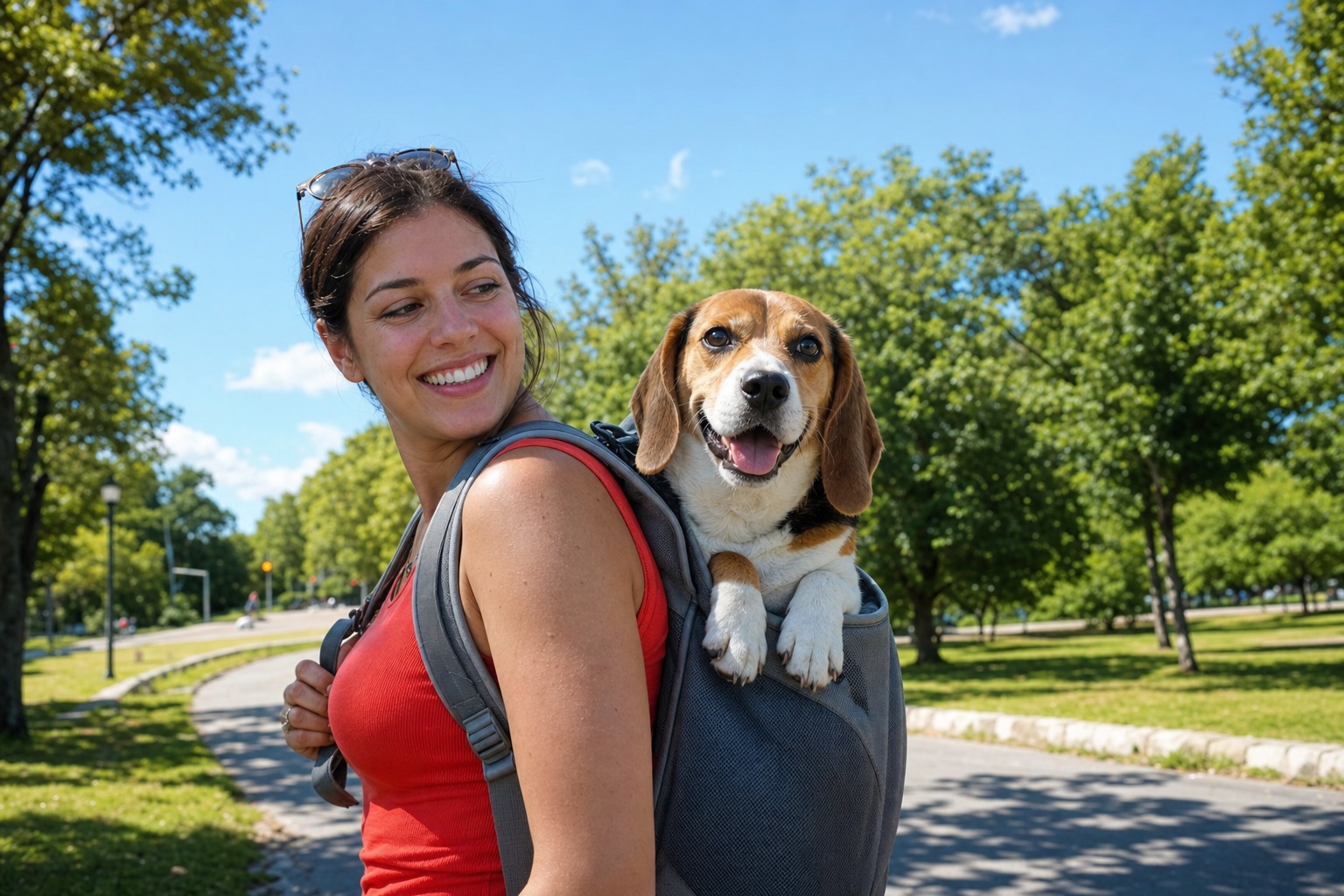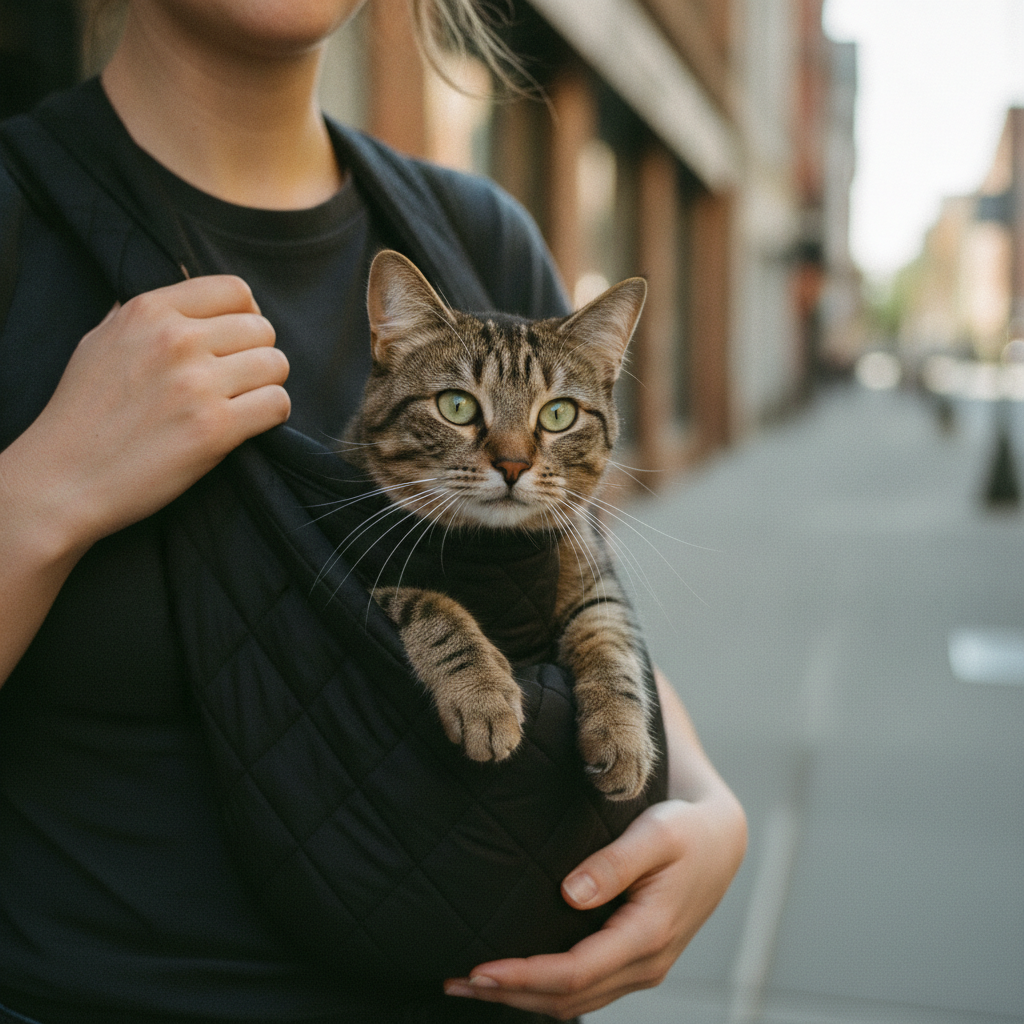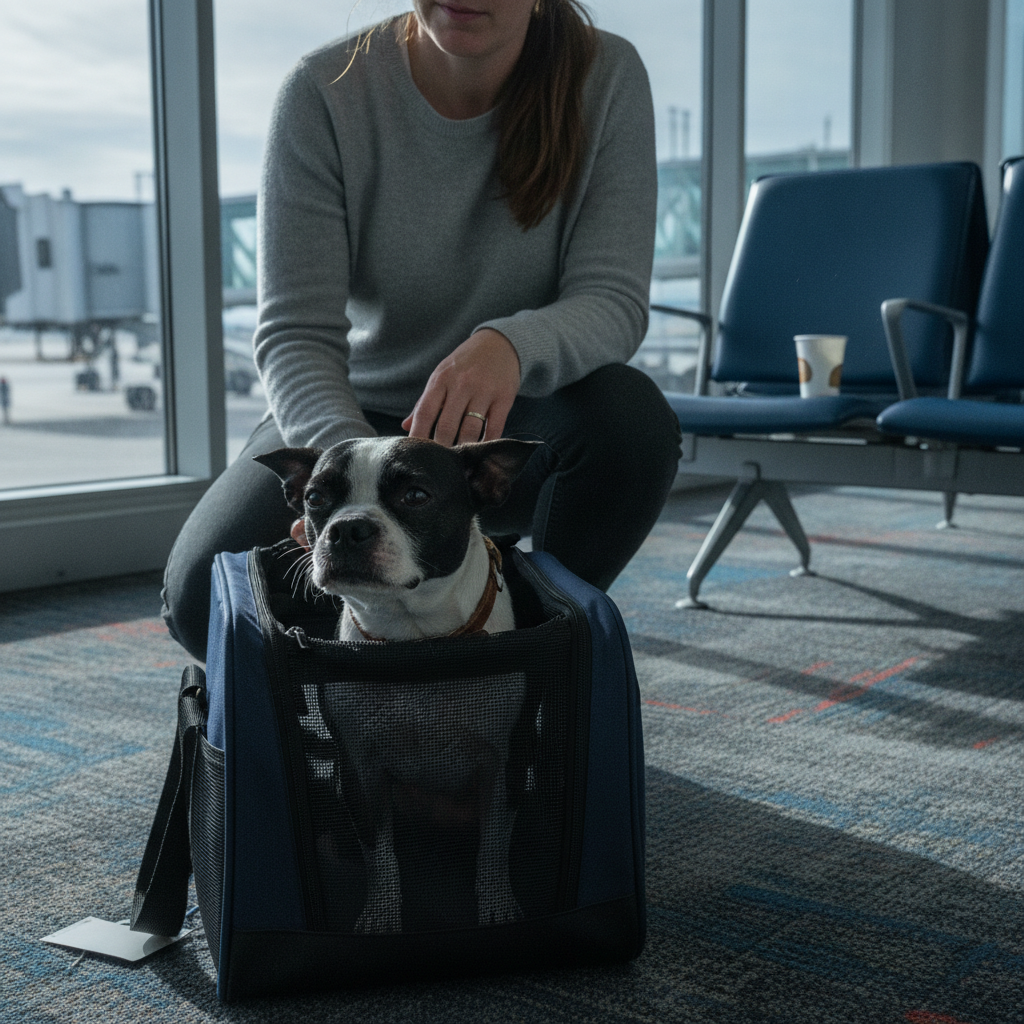
The pet carrier market spent two decades acting like ugly was a feature. Mesh, nylon, a cartoon paw print, a zipper that failed on the jet bridge. So when BÉIS, the travel line founded by actor Shay Mitchell, put out a pet collection that looks like the rest of your luggage, it was a genuine relief.
Then you get to the airport, and the bag’s looks stop mattering entirely.
Here is the thing almost every pet-carrier review gets wrong: the carrier does not decide whether your pet flies. The airline does. Buy on design and you can spend $168 on a beautiful bag that a gate agent turns away. Buy on specs and the design is a bonus you get for free.
So run the spec check first. Then, if the numbers work, this line is worth your attention.
”Airline approved” is a phrase, not a certification
No agency certifies pet carriers. There is no stamp, no registry, no inspector. When a brand says “airline approved,” it means the bag was designed with common airline rules in mind, and nothing more.
What actually governs your boarding is a short list of numbers your carrier publishes and enforces:
- Maximum carrier dimensions. American Airlines, for instance, allows a soft-sided carrier up to 18” x 11” x 11” in the cabin. Hard-sided is capped smaller, at 19” x 13” x 9”.
- Combined weight. On American, the pet and the carrier together cannot exceed 20 pounds.
- Construction. Leak-proof bottom, ventilation on at least three sides.
- The fee. $150 each way on American, which is not a rounding error on a $168 bag.
Every airline sets its own version of that list. Read your airline’s, not a blog’s, and read it for the flight you are actually booking.
The spec trap hiding in this collection
BÉIS rates the Regulation Pet Carry-on for pets up to 30 pounds. The bag measures 18” W x 11” H x 10” D and supports that weight comfortably.
That 30-pound number is a load rating. It describes what the bag can carry without failing. It is not a statement about what an airline will let through, and the two get conflated constantly.
Do the math against the American Airlines rule above. A 30-pound dog, plus a carrier that itself weighs several pounds, is roughly double the 20-pound in-cabin ceiling. The bag holds the dog beautifully. The dog is still not flying in the cabin.
This is the single most useful thing to know before you buy: the bag’s capacity and the airline’s allowance are two different numbers, and only one of them is enforced at the gate. For most airlines, in-cabin travel realistically means a cat or a dog in the 10-to-18-pound range once you subtract the carrier’s own weight. Above that, you are looking at cargo, ground travel, or a pet-friendly charter, and no purchase fixes it.
One more: the Regulation Pet Carry-on expands for extra paw room. That expansion is for the terminal, the hotel, the back seat. Under the seat in front of you, it has to be zipped down to its compliant size, and it has to stay that way for the flight.
The three pieces, and who each one is actually for
The Regulation Pet Carry-on, $168. The flagship. Expandable side panel, removable sherpa landing pad, an internal leash for clipping your pet in, backpack straps so you can wear it hands-free through the terminal, a trolley sleeve, a padded 13” laptop sleeve, and a signature key leash. The laptop sleeve is the tell that this was designed by someone who travels: it means the pet carrier can be your personal item, so you are not fighting for a third bag.
Right for: cats and genuinely small dogs on flights where you have checked the numbers. Frequent travelers who want one bag to do two jobs. Wrong for: anyone with a 25-pound dog who read “up to 30 lbs” and stopped there.
The Everyday Pet Tote, $128. A sherpa-lined tote meant for the coffee shop, the vet run, the train. The sherpa pad detaches, which is the smartest feature in the line: your pet arrives somewhere unfamiliar and gets to lie on the one thing that smells like home.
Right for: the short haul, and for pets who are already relaxed about being carried. Wrong for: air travel. It is not built to the under-seat spec, and it should not be asked to be.
The Pet Leash with belt bag, $48. A leash with a small detachable pouch for a phone, cards, and poop bags. The pouch pops off so you can walk into a store without hauling the leash with you.
Right for: anyone tired of walking a dog with a phone wedged in a waistband. Wrong for: a strong puller who needs a front-clip harness setup. This is a leash, not a training tool.
What the designer got right, and the one tip to modify
BÉIS Pet was designed by Elizabeth Money, who has logged an absurd number of air miles with her nine-year-old French Bulldog, Gatsby. Her stated design rule is that they build selfishly first, and would never sell a bag they would not carry themselves. That shows up in the details other brands skip: the extra pockets are for the human, not the pet, because the human is the one juggling a phone, a boarding pass, a suitcase, and a live animal.
Money’s hard-won travel warning is a good one, and it comes with a story. Gatsby once brought security at LAX to a halt by throwing up as he went through screening. The rule she took from it: no food in the twelve hours before a flight.
Take the spirit of that and adjust the number.
“A long fast before a flight is a real risk for the exact pets who fly in the cabin, because they are the small ones,” says Dr. Lena Park. “Puppies, toy breeds, and any dog with a history of low blood sugar can crash on a 12-hour empty stomach. I would rather see a small, plain meal several hours before departure and water available right up until you go through security.”
“The goal is a pet with a settled stomach, not an empty one,” Dr. Park adds. “If your pet reliably gets carsick or airsick, that is a conversation with your vet about medication, not a reason to skip meals.”
The rest of Money’s advice holds up without amendment. Check the pet policies of your airline, your ground transport, your accommodation, and your destination, in that order. Carry the documentation for all of them. Train your pet with the carrier at home long before the trip, so the bag is a familiar den and not a trap that appears on the worst day of their year. And when you land, give them time to sniff the new place before you ask anything else of them.
What’s new since this line launched
Two things have changed since these bags first showed up.
In-cabin pet fees have climbed. American’s $150 each way is now typical rather than steep, and on a round trip that fee costs more than the carrier does. Budget for it as part of the purchase, because it is functionally part of the purchase.
Airlines have also gotten stricter about the under-seat check itself. More agents are physically confirming that the carrier fits and stays fully closed, and expandable bags draw attention precisely because they can be made larger. None of that is a reason to avoid an expandable carrier. It is a reason to practice zipping it down at home so you are not doing it for the first time in a boarding line.
The bottom line
The BÉIS pet line solves a problem that was real: pet carriers were ugly, and the humans carrying them were treated as an afterthought. These bags are attractive, thoughtfully built, and priced where they should be.
They still cannot make a 30-pound dog into a 20-pound one. Measure first, check your airline’s published numbers second, and buy the bag third. In that order, it is a good buy.
References
- Traveling with pets — American Airlines
- The Regulation Pet Carry-on — BÉIS
- The Everyday Pet Tote — BÉIS
- The Pet Leash — BÉIS
- Pet Travel — U.S. Department of Transportation
- Traveling with your pet FAQs — American Veterinary Medical Association
Common questions
Does an 'airline approved' pet carrier guarantee I can fly with it?
No. 'Airline approved' is a marketing phrase, not a certification. Every airline sets its own carrier dimensions and its own combined pet-plus-carrier weight limit, and the gate agent enforces those, not the label on the bag. Check your specific airline's published numbers before you buy.
How big a dog fits in the BÉIS Regulation Pet Carry-on?
BÉIS rates the bag for pets up to 30 pounds. That is a carrying-capacity rating, not a boarding pass. American Airlines, for example, caps the combined weight of pet and carrier at 20 pounds for in-cabin travel, so a 30-pound dog in this bag would not fly in the cabin on that airline no matter how well the carrier is built.
Should I stop feeding my dog before a flight?
Trim the meal, do not starve them. Many travelers swear by a long fast to prevent airsickness, but a 12-hour fast is genuinely risky for puppies, toy breeds, and small or diabetic dogs, who can drop into low blood sugar. A small meal several hours before departure and constant access to water is the safer default. Ask your vet what is right for your specific pet.