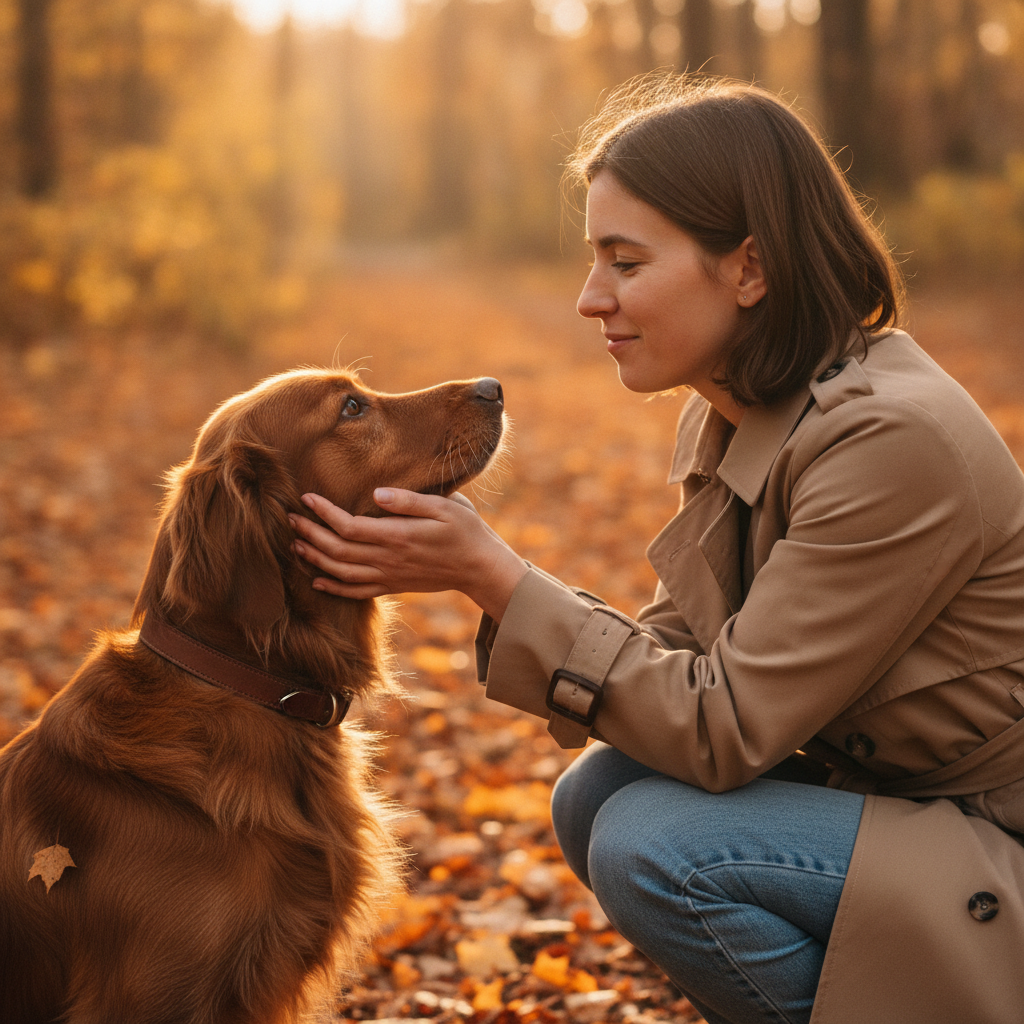
Musicians move to the woods for the myth. The isolation, the mystique, the album cover that shoots itself.
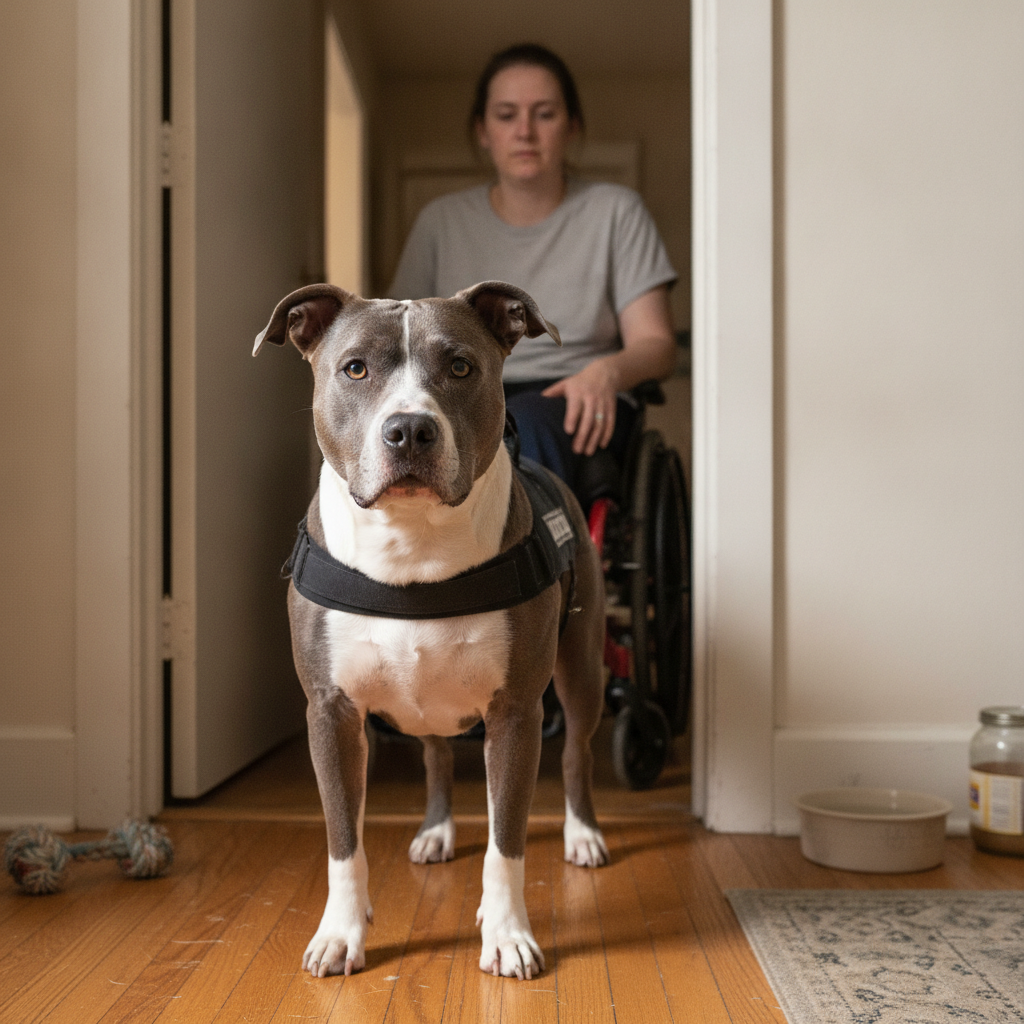
Nika Roza Danilova, who records as Zola Jesus, lives on 150 acres of Wisconsin forest for a reason that is much less romantic and much more familiar to anyone reading this: she wanted to be able to have pets.
That’s it. That’s the reason. She had been living in LA, and before that Seattle, touring constantly, and had talked herself into the conclusion that a life on the road was a life without animals. So she moved back to the land she grew up on, where her parents (who have four dogs of their own) could cover for her when she was gone. Everything downstream of that decision, the woods, the atmosphere, the whole gothic postcard, is essentially logistics.
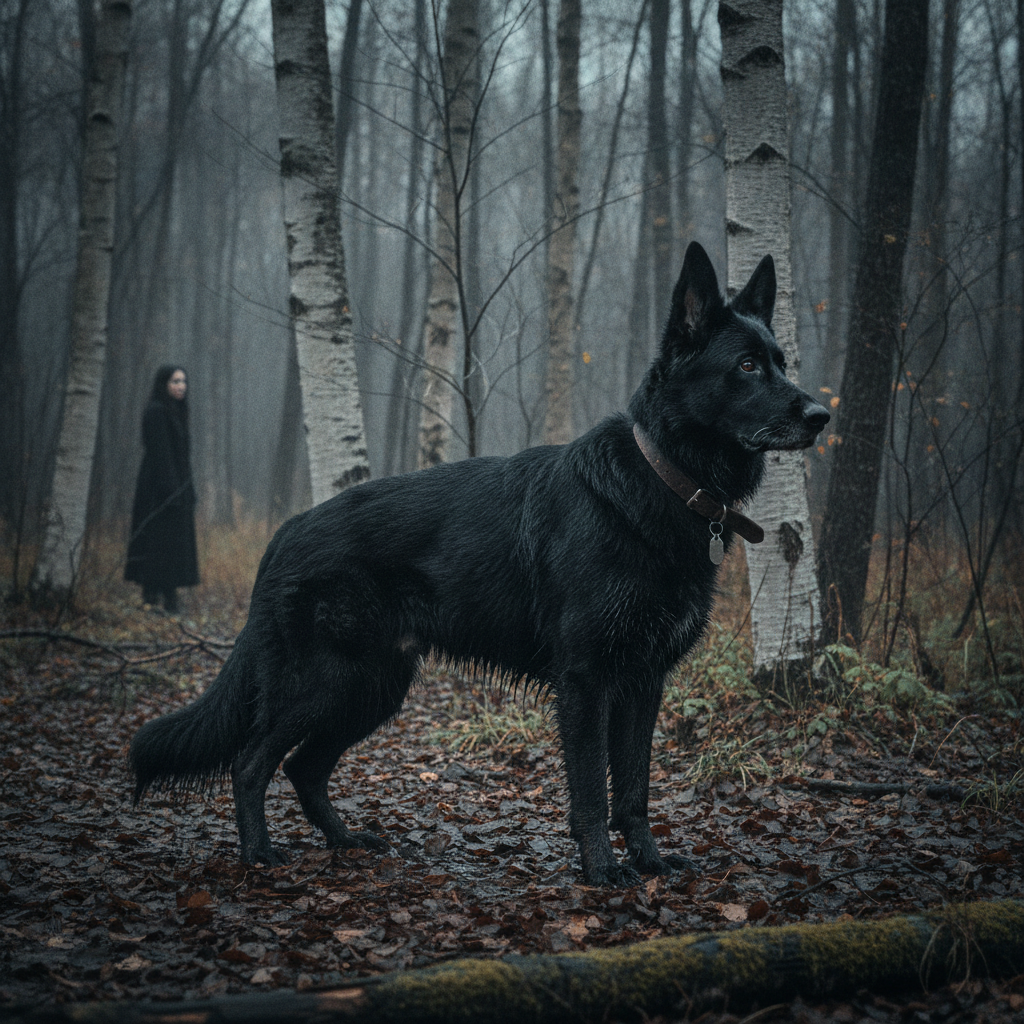
Her German Shepherd, Nadja, and her barn cat, Kosha, are the companions she talks to all day, the ones she credits with carrying her through both the hard stretches and the good ones.
Both of them were underfoot during the making of Arkhon, her sixth album, released on Sacred Bones in 2022, whose title is Greek for “ruler” and which she built around the Gnostic idea of the Archons: invisible malevolent forces steering humanity away from its own goodwill. It is heavy, ambitious, frequently gutting work. And it was made in a house where a cat was screaming to be let out and a dog was destroying the recording equipment.
That contrast is the whole story.
The dog and the cat, in that order (no, the other order)
She got Kosha first, then Nadja, which is the harder sequence and she knew it.
Danilova describes herself as both a dog person and a cat person, and has a whole theory about the pairing that works best: a female dog and a male cat, which to her mind flips the usual gendered read of the two animals and balances out the household’s energy. Whatever you make of the cosmology, the practical part is real. She went in wary, because she had heard German Shepherds can be predatory around cats, and she introduced the two carefully. What she ended up with, by her own description, isn’t a pair of best friends so much as two roommates who tolerate and even enjoy each other’s company.
Worth pausing on, because this is the part people get wrong. The worry was correct, the caution was correct, and the outcome she describes is the actual best-case: not devoted friends, but roommates who chill together. Dogs with high prey drive and resident cats can absolutely coexist, and the way it works is slow, managed introductions and a household where the cat always has the high ground and the exit. What it usually does not produce is a viral cuddling video. Tolerance and easy proximity is the win. Anyone holding out for more is setting up a cat to be harassed.
The cat is a killer and she knows it
Kosha demanded the outdoors and got it, over her objections, on the reasonable grounds that he would not shut up. He came from near a creek somewhere, and he sticks close to the house. She put a whistle on him because she was afraid he’d disappear.
She is also entirely unsentimental about what he does out there. She doesn’t endorse it, she says plainly, but Kosha kills, and he kills for sport as much as food, and she is not going to dress that up. The list of what he and Nadja go after runs long: wild turkeys are the household event, but there are also birds, squirrels, and the voles she calls his favorite snack, while the dog contents herself with chasing and barking at deer. Something, she says, is always moving past the window.
The honesty here is more useful than the cheerful version would be. Free-roaming cats hunt, and they hunt whether or not they’re fed, because the drive is not hunger, and her flat refusal to pretend otherwise is a more accurate summary of the situation than most owners are willing to give. Kosha’s whistle is a real, if partial, mitigation; a bell or a brightly colored collar cover measurably cuts kill rates. It doesn’t zero them out. The tradeoff she’s making is a real tradeoff, and she isn’t pretending otherwise.
They hate her singing
This is my favorite part of the whole thing, because it collapses the mystique entirely.
The animals, it turns out, are terrible audiences. The moment she starts singing, she says, Nadja howls and Kosha meows in protest, and a classically trained opera voice at close range seems to convince the dog that something is badly wrong. One session, Nadja spotted something out the window mid-song, lunged, and knocked over Danilova’s studio monitors, breaking them outright. Even practicing opera or piano can be a struggle. Her theory is that they think she is in pain, and that the two of them simply take up an enormous amount of energetic room in the house.
Her read is likely right, or right-adjacent. A dog howling along with a sustained human vocal isn’t a review; it’s a social behavior, a group vocalization aimed at a member of the group who is producing a long, pitched, attention-getting sound. Whether Nadja hears distress or hears an invitation is not really answerable. But an operatic soprano line, in a house, at close range, is a lot of animal to a dog.
A barking take did once get recorded, on the end of a vocal, and then got cut.
They wind up on the recordings anyway, she says, purely because they refuse to stay quiet while she works. The influence on the actual songs is less literal: she frames the animals as a source of love and security rather than lyrical material, pointing to a single like “Desire,” which is about feeling supported, and “Into the Wild,” which she built around the memory of standing outside in the winter woods through a panic attack and the reassurance that she would be okay.
What the animals are actually for
Ask her what the pets do for her and she does not reach for a poetic answer. She reaches for a chore.
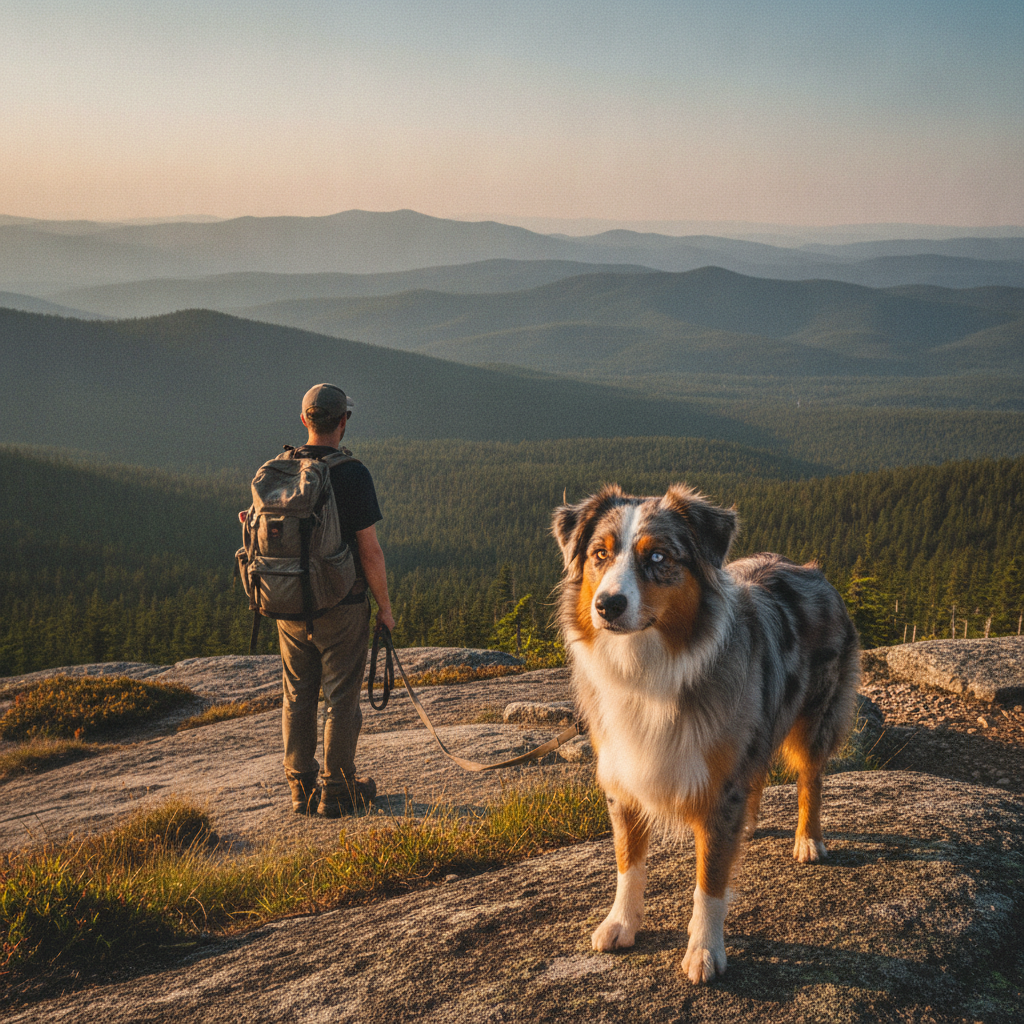
Having animals in her life has been a game-changer for her mental health, she says, precisely because caring for them pulls her out of her own head. A dog has to go out no matter what is going on with you. Nadja needs her walks, her thrown sticks, her rocks, and those non-negotiable demands are, in Danilova’s telling, exactly what keeps her grounded.
This is the least mystical and most accurate description of what a dog does for a person in a bad period that you will read all week. It is not comfort, exactly. It is obligation, and obligation is what gets a depressed or anxious person off the couch and outside at a fixed hour, whether or not they feel like it. The mechanism is not magic. It’s a schedule with a face.
She has said the woods do something similar: she grew up in them, they’re restorative, and the anxieties of society don’t reach that far in. But society’s anxieties don’t require you to throw a stick. Nadja does.
The postscript
Arkhon came out in May 2022. Since then Danilova has taken the work in a starker direction, mounting solo piano performances that grew out of a 2023 concert in a chapel in Cappadocia, Türkiye, and she has announced a new album due in 2026.
She is, presumably, recording it in the same house, where a German Shepherd who has never learned to appreciate opera is waiting by the window for a turkey.
References
- Zola Jesus — Sacred Bones Records
- Zola Jesus announces solo piano performances and festival appearances, with new album to arrive in 2026 — ReGen Magazine
- Birds be safe: Can a novel cat collar reduce avian mortality by domestic cats? — Willson, Okunlola & Novak, Global Ecology and Conservation, 2015
- Provision of high meat content food and object play reduce predation of wild animals by domestic cats — Cecchetti et al., Current Biology, 2021