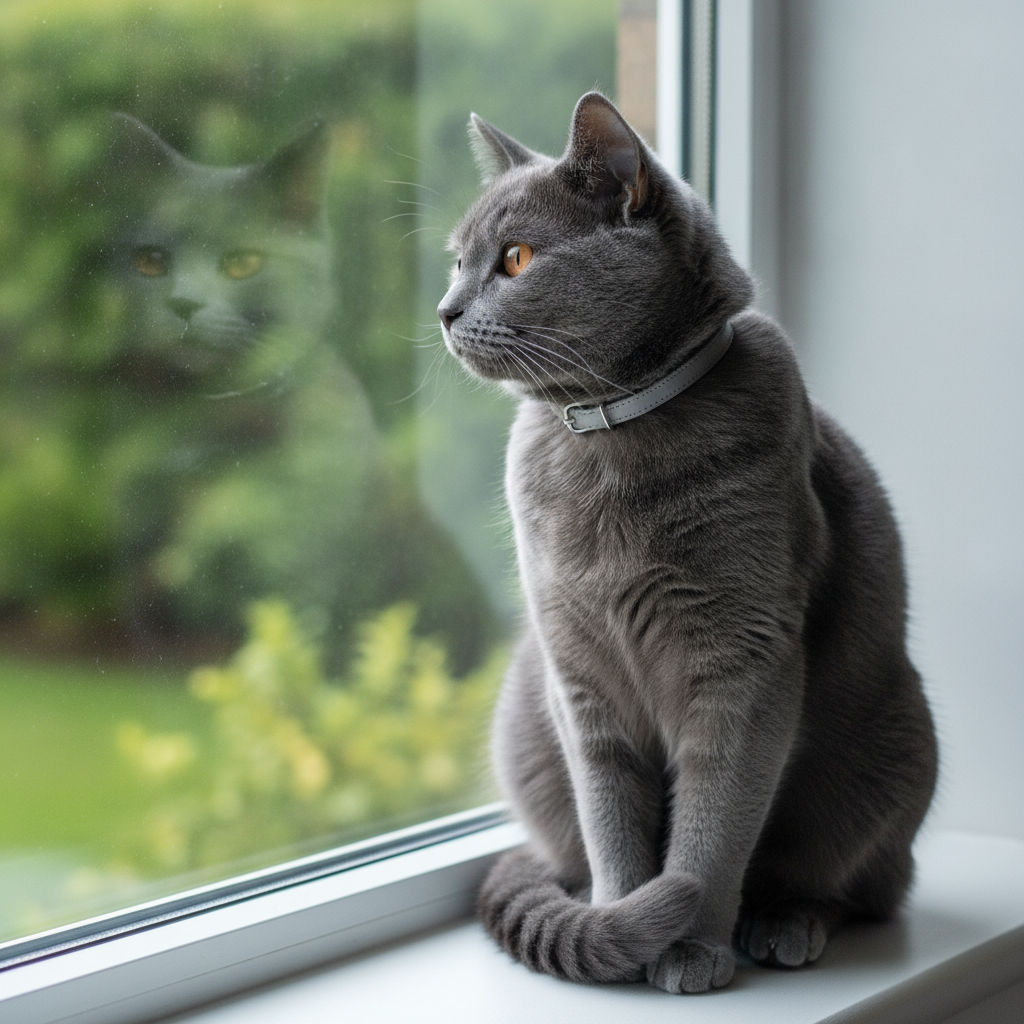
The suitcase comes out of the closet and your cat is already in it, or glaring at it, or both. It is easy to laugh that off as a cat being a cat. But the question underneath, does my cat actually miss me when I’m gone, has a real answer now, and it is not the aloof-loner answer the internet loves. Your cat notices. And there is a decent chance they mind.
The old cliché says cats are indifferent, self-contained, and faintly annoyed by our existence. The research of the last several years has quietly dismantled that. So here is what your cat is really experiencing when you disappear for a few days.
Cats hate disruption, and you are their routine
The most reliable thing we can say is that cats do not like change, and your comings and goings are a big part of their schedule. When you travel, their routine breaks, and that alone can produce stress or anxiety that shows up as eliminating outside the box, over-grooming, or hiding. Even if it is “just” the schedule they miss, that still counts as missing you, because you are woven into that daily schedule. You are not incidental to their day. You are the structure of it.
“People frame it as ‘do they miss me, or do they just miss their routine,’ as if those are opposites,” says Dr. Nina Kohl. “For a cat, you are the routine. You’re the one who feeds them, plays with them, and shows up at the same times. Pull that out and of course the day feels wrong to them.”
Cats absolutely play favorites
Playing it cool is not the same as not caring. Cats are far better communicators than their reputation suggests, and they tend to bond most strongly with one particular person, even when they were well socialized to many. Once you are that favorite person, it is safe to say your cat clocks your absence. And your cat may simply not be as comfortable with the sitter, however lovely that person is, because cats can be very particular about who they trust.
What newer research adds
This is where the science has genuinely moved. In a widely cited attachment study, researchers ran cats through a version of the “secure base test” long used with human infants and dogs, watching how cats responded when their owner left and returned. About 64 percent of the cats showed secure attachment, meaning they treated their owner as a source of safety, exploring calmly and settling when reunited rather than staying distressed. That is roughly the same proportion seen in human babies and in dogs, which is a startling thing to be able to say about a species we call aloof.
Researchers have also begun studying separation-related problems in cats directly, the feline cousin of the separation issues long recognized in dogs. One questionnaire survey of more than 200 cats documented that a meaningful share show distress behaviors, destructiveness, excessive vocalization, inappropriate elimination, withdrawal, tied to being apart from their person. It is an emerging field, and the headline is simply this: the door that separation anxiety was thought to be closed to cats is open, and some cats really do struggle when left.
Signs your cat missed you
When you get home, watch for the tells. Common ones include:
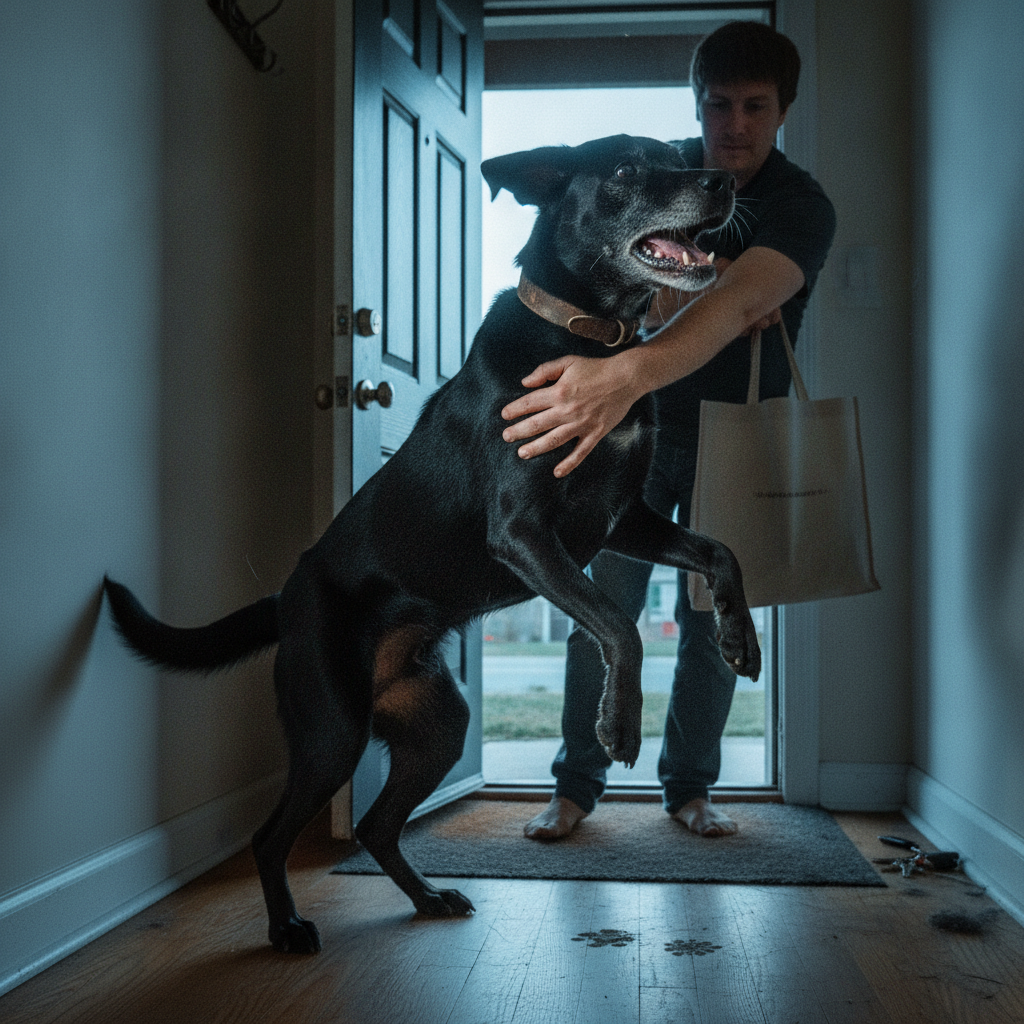
- Extra clinginess and demands for lap time, even from cats who are not usually snugglers
- More meowing than usual once you are back
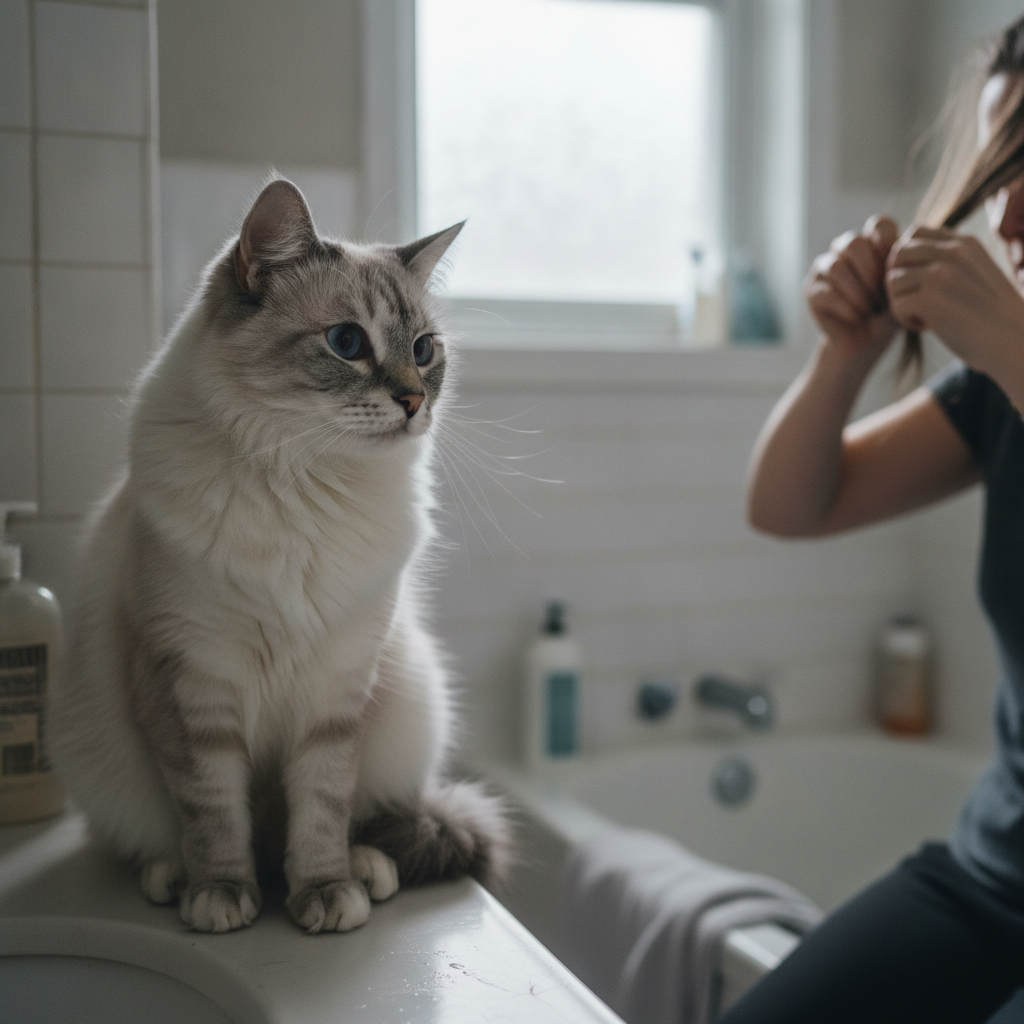
- Following you everywhere, including the bathroom
- Not finishing their food while you were away
- Over-grooming
- Hiding or seeming withdrawn
- Destructive behavior
- Eliminating outside the litter box
Most of these fade quickly once you are home and the routine resets. If they do not, book a vet visit, because stress and illness can look alike in cats, and it is worth ruling out a medical cause behind unusual behavior.
How to make your absence easier
You cannot fool a cat into not noticing you are gone, but you can soften the blow:
- Keep feeding and play schedules as consistent as possible (leave detailed notes for your sitter)
- Use the same sitter each time when you can, so the substitute is at least familiar
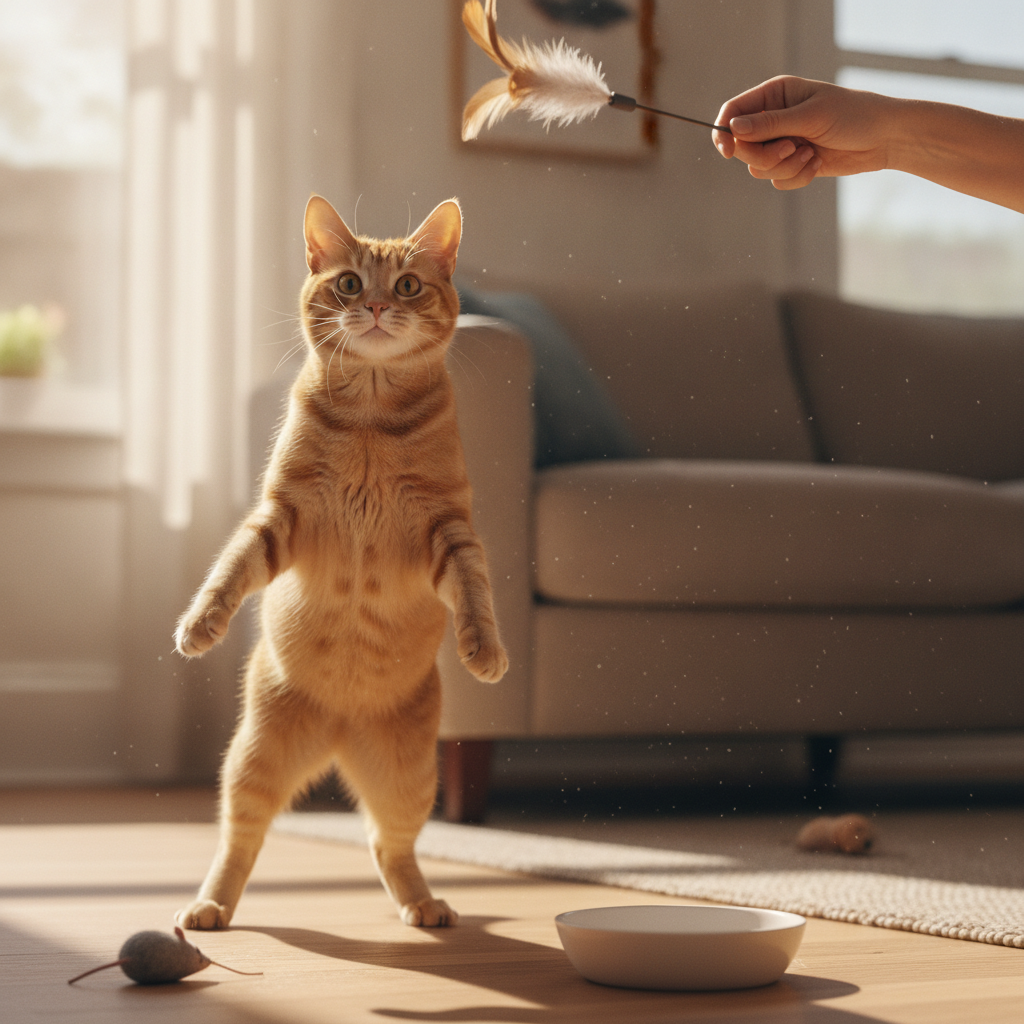
- Leave toys and food puzzles out to fight boredom
- Try a pheromone diffuser if your cat runs anxious
One real perk of cats over dogs is that they handle solo time better, but “better” is not “not at all.” They do miss us. And if we are honest, we miss them too, which is why the smartest move when you get back is not guilt but time: sit down, let them reattach, and give the bond a chance to reset. In plenty of homes, absence really does make the heart grow fonder, and your cat curling up against you the night you return is the proof.