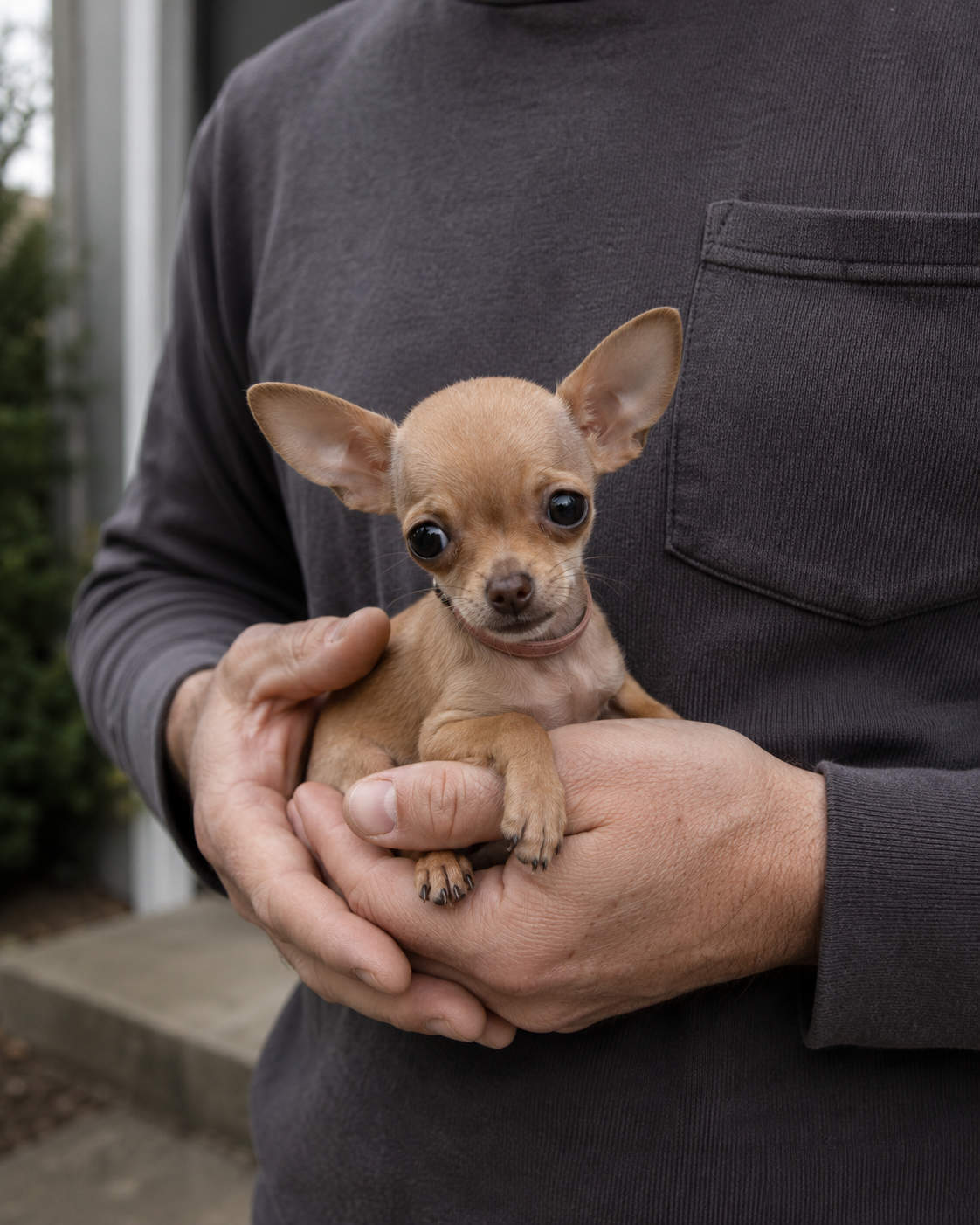
“Teacup” is one of the most effective marketing words in the dog world. It is cozy, it is aspirational, and it signals exclusivity and a high price. What it does not do is describe a breed. No kennel club recognizes a “teacup” anything. It is a size claim invented to sell dogs bred to be as small as possible, and increasingly, the people who treat those dogs for a living are pushing back on the whole category.
That is the tension worth understanding before you fall for a photo of a puppy curled inside a coffee mug. The mug is the marketing. The vet bill, and sometimes the suffering, is the part that does not photograph well.
Where “toy” ends and “danger” begins
Plenty of small breeds are perfectly healthy. The concern is not smallness itself, it is the extreme selective breeding used to push a dog below the size its skeleton and skull can safely support. Dutch animal-welfare veterinarians have tried to put a number on it, using a traffic-light framing that is genuinely useful for a shopper.
Under about three kilograms, roughly six and a half pounds, is the red zone, where the risk of pain and neurological problems climbs sharply. Three to five kilograms, about eleven pounds, is the orange zone, a caution range. Above five kilograms is the green zone, where you are generally in the clear. That gives you a real yardstick: a healthy toy breed at a sensible weight is a very different animal from one bred deliberately under the red line to fetch a premium.
The American Kennel Club does not recognize teacup breeds either, and advises buyers to be suspicious of any breeder “actively marketing puppies that differ from the breed standard.” Standard-size registered toy breeds already exist. The word “teacup” is a signal that someone is selling something smaller than the standard on purpose.
What the smallest dogs actually face
The health problems tied to extreme miniaturization are not minor inconveniences. They cluster in a few grim categories:
Neurological conditions top the list. Hydrocephalus, a buildup of fluid in the brain, can cause chronic headaches a dog cannot tell you about. Chiari malformation, where the back of the skull is too small for the brain, and syringomyelia, fluid-filled cavities in the spinal cord, are directly linked to breeding skulls too small for their contents.
Then there are the structural and metabolic problems. Luxating patellas (kneecaps that slip out of place), collapsing tracheas, dental crowding and disease, congenital heart defects, and eye disorders all run higher in the tiniest dogs. And because these dogs are so light, their bones can be as fragile as thin sticks, breaking from a jump off the couch or a misjudged step.
There is a hypoglycemia risk too. A dog this small has almost no metabolic reserve, so a skipped meal or a bout of stress can drop their blood sugar dangerously fast, especially in puppies.
A fair caveat, and one your own vet will make: big dogs have their own long list of problems, from hip dysplasia to a shorter lifespan, and they make up more of the dog population. The point is not that small is bad and large is good. It is that dogs bred to an extreme, in either direction, pay for it, and “teacup” is an extreme sold as a feature.
“When a dog is bred small enough to fit in a mug, the skull often doesn’t get the memo that the brain still needs room. I would rather a family fall in love with a sturdy, standard-size toy breed than pay a premium for a size that so often comes with a lifetime of pain the dog can’t report,” says Dr. Amara Solis.
Why breeding is where this starts
Many of these conditions trace back to how the dog was produced. Extreme size targets are reached by breeding the smallest available dogs together, sometimes runts, sometimes dogs that carry the very defects being passed down. Vets also report seeing more puppy-mill breeding at the tiny end of the market, where the incentive is a small, cute, high-margin animal produced fast rather than a healthy one.
This is why several countries are moving from persuasion to law. The Netherlands, which already restricts the breeding of flat-faced dogs and pets with folded ears, has been advancing rules against breeding animals with harmful inherited traits, and Dutch veterinary and welfare groups are campaigning under the blunt slogan “little dog, lots of pain” to extend that thinking to extreme miniatures. Whether or not a hard weight cutoff becomes law, the direction of professional opinion is clear.
If you already love a tiny dog
None of this is an indictment of the dog on your lap. Plenty of small dogs, including some sold under the teacup label, live full, joyful lives, and a dog who is already home deserves the best care you can give, not regret. Here is where to put your energy.
Stay ahead of problems with regular vet visits. Early detection is everything with these conditions, and it is also cheaper than crisis care. Keep up with checkups, vaccinations, and especially dental care, since crowded tiny mouths develop disease fast.
Let them be a dog. Small size does not shrink the need for exercise, mental stimulation, and social time. Give them safe daily play where they can run, sniff, and problem-solve, just scaled to their body.
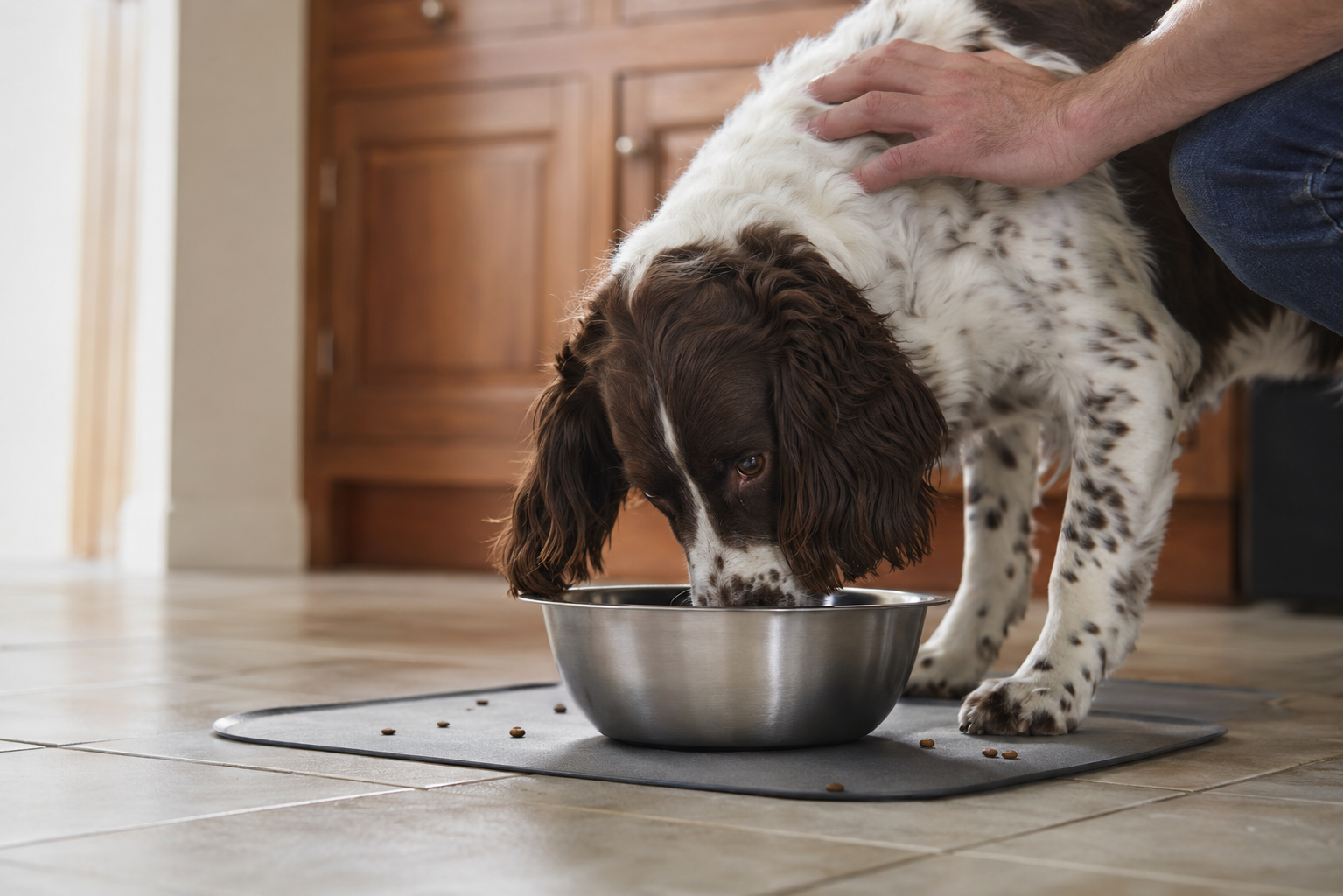
Protect the body you have. Watch for jumps from furniture, be mindful underfoot, and consider a slow-feeder and small frequent meals to guard against both fast eating and blood-sugar crashes.
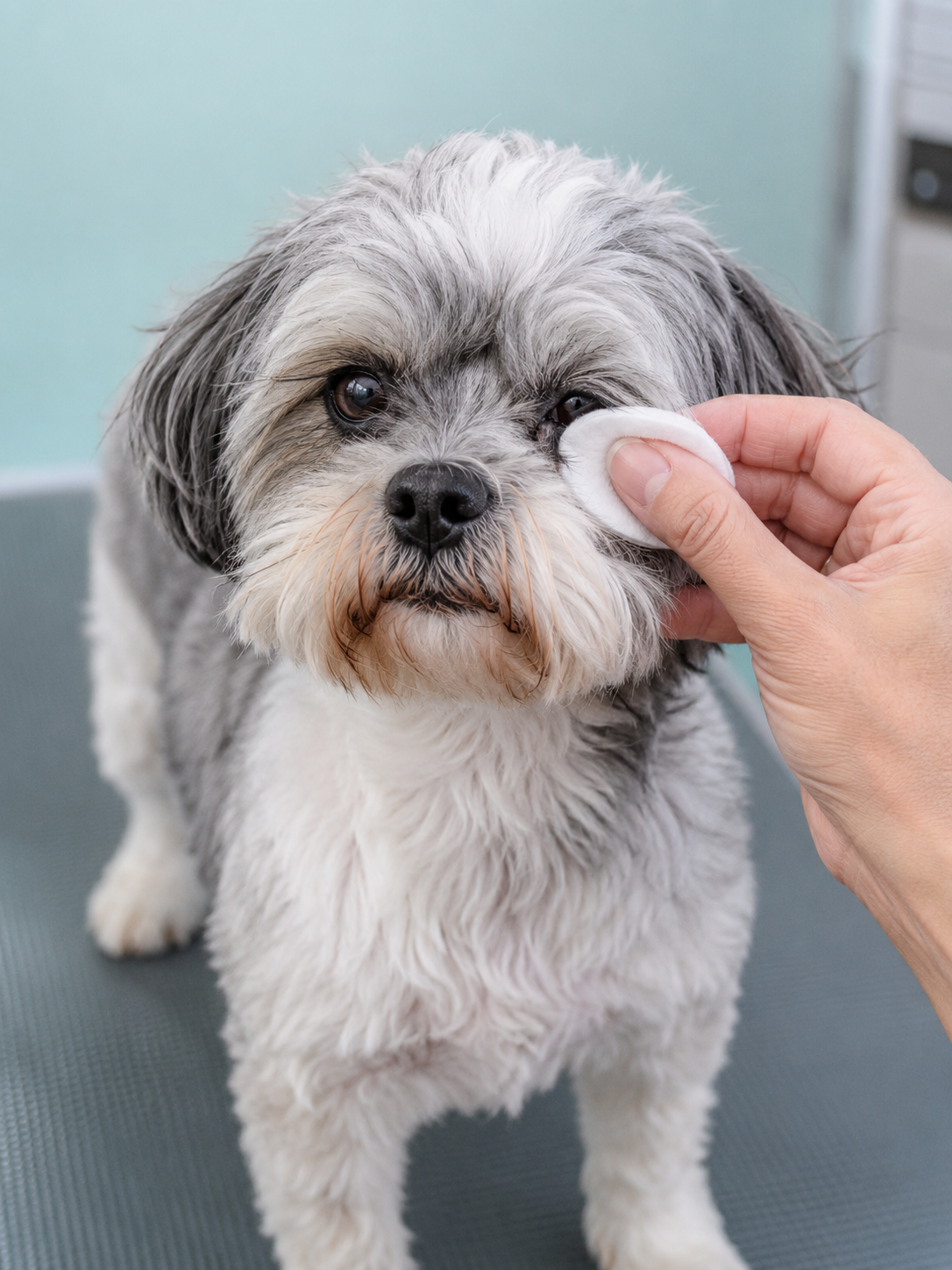
Ask about pain you cannot see. If a small dog seems off, flag the neurological possibilities to your vet directly. Some conditions, like the fluid-pressure disorders, hide in silence, and imaging is the only way to catch them. A vet can also check for dry eye and dental pain in the same visit.
What newer research adds
The regulatory picture has moved recently. The Netherlands has been rolling out enforcement of rules against breeding dogs with harmful genetic and physical traits, and the professional campaign against extreme miniatures has broad backing from Dutch veterinary bodies rather than a single activist group. Denmark and other European countries are exploring similar limits, so the “teacup” category faces real legal pressure abroad in a way it did not a few years ago.
If you are shopping, the practical takeaway is simpler than any law: treat the word “teacup” as a red flag, not a selling point, ask a breeder to show health testing and the parents’ actual weights, and consider a rescue that knows small breeds. A healthy toy dog is easy to find. A dog bred past the point of safety is the thing to walk away from.