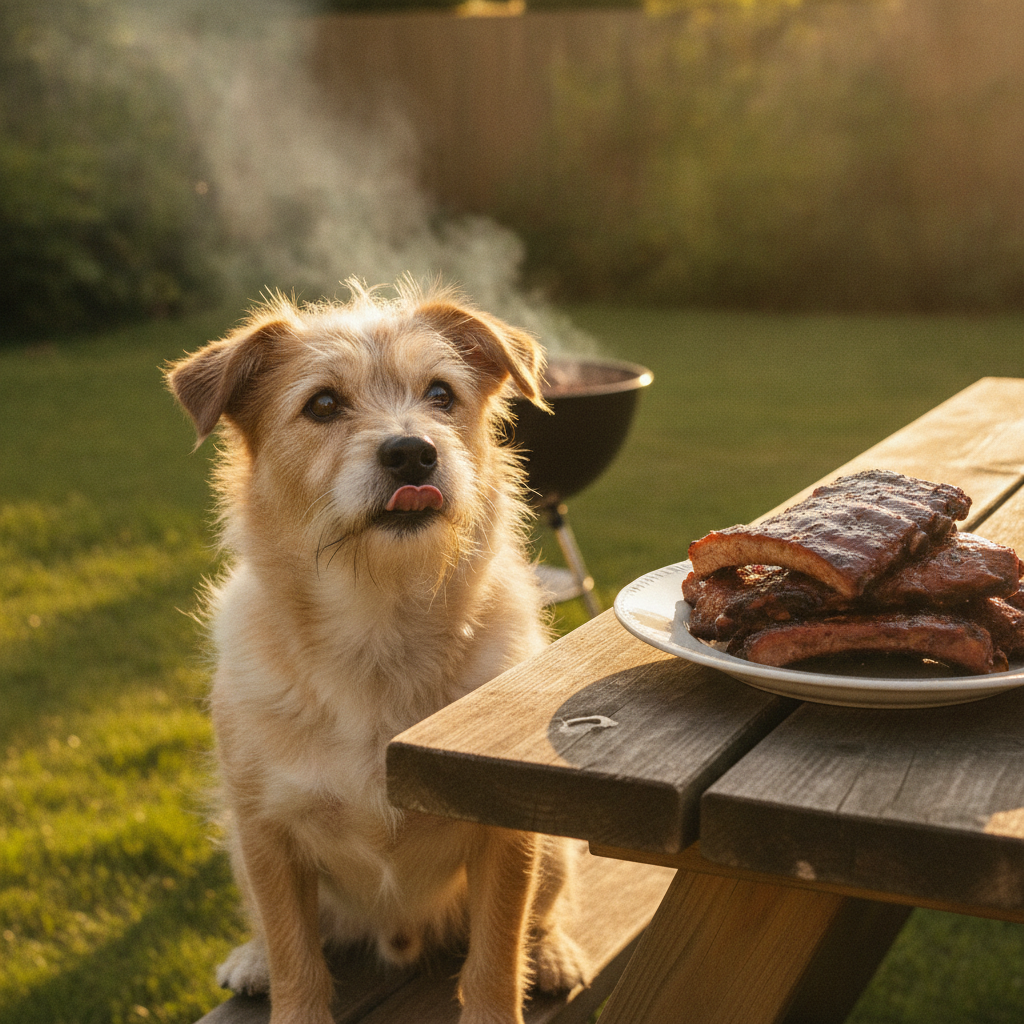
Summer is finally here: flip-flops, cold drinks, and the long, snow-free walks your dog has been dreaming about all winter. Then you step outside at 3 p.m. and remember that summer is also sweaty, sticky, and, for a dog in a fur coat, genuinely dangerous. Exercise is non-negotiable for a dog’s body and mind, but soaring temperatures can flip a normal outing into overexertion fast.
The mistake owners make is treating this as all-or-nothing, either the usual routine or a bored dog stuck inside. The better approach is to adjust three things, when you go, where you go, and what “exercise” even means on a given day, so your dog stays active and safe all season. Here are seven ways to do it.
1. Walk at dawn or after dark
The single easiest change is timing. If your walks currently happen in the middle of the day, move them to the cool bookends. Whether you shift earlier or later, your dog will thank you for skipping the hours when the sun is directly overhead and the ground is at its hottest.
2. Do the 7-second pavement test before you go
This one’s new and it takes five seconds. Press the back of your hand flat against the sidewalk and hold it for seven seconds. If you can’t stand it, neither can your dog’s paws. It matters because asphalt runs far hotter than the air: on a mild 77°F day, pavement can reach about 125°F, and in direct sun it commonly sits 40 to 60 degrees above air temperature, hot enough to burn pads in roughly a minute. Grass and dirt stay far cooler, so route around the blacktop or walk when it’s had time to cool.
3. Get in the water
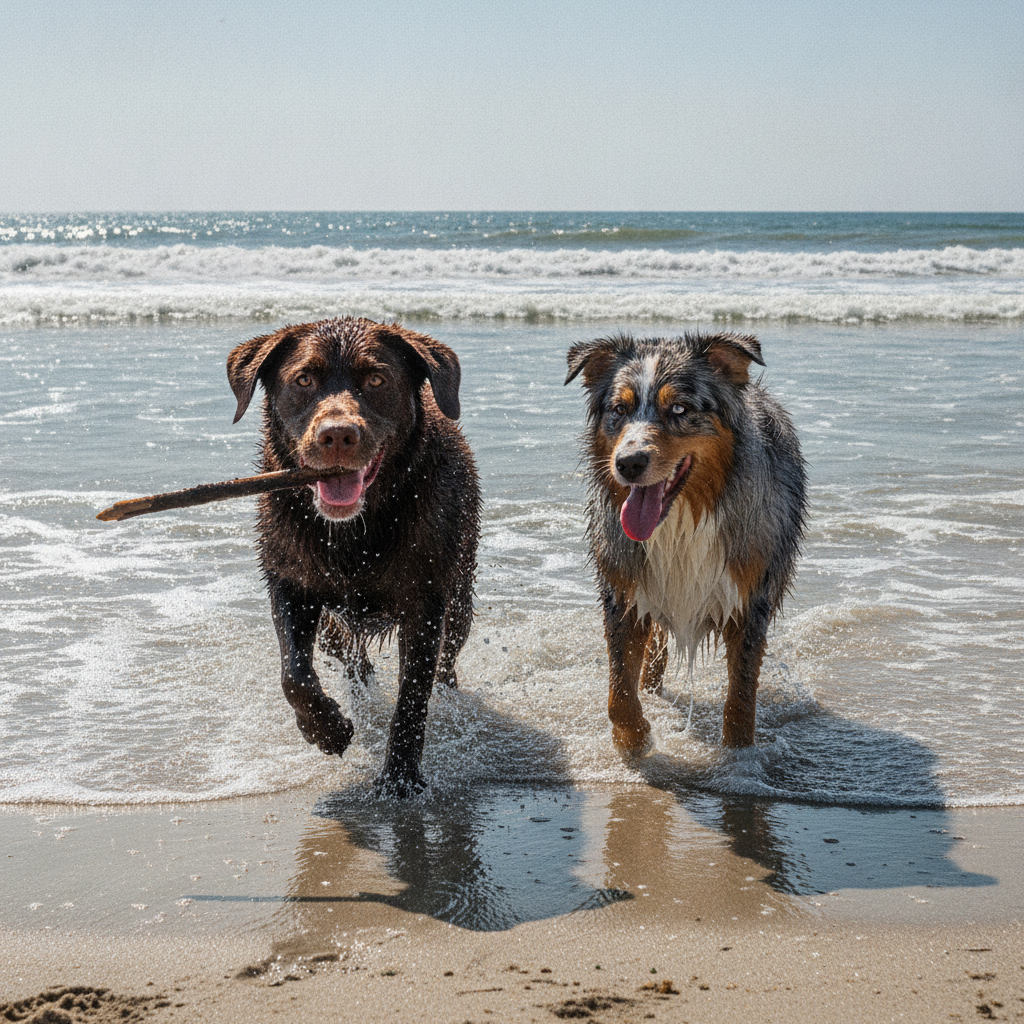
Water is the near-perfect hot-weather exercise. A beach, a calm river, or a lake within driving distance all work, and getting your dog into cool water burns energy without cooking them. No water nearby? A kiddie pool in the yard is a great substitute, and a gentler option for dogs who are nervous about deep or moving water. Toss in floating toys, splash balls, or decoy ducks and some dogs will happily dive for them.
A few real cautions, though. Confirm your dog can actually swim, because not all can. On fast rivers or open water, buckle them into a canine life jacket. Too much water is a hazard of its own: dogs who gulp or repeatedly retrieve can develop water intoxication, which leads to life-threatening hyponatremia (dangerously low blood sodium). And only let your dog into water you know is safe, keeping them well clear of any blue-green algae, which can be fatal.
4. Head for the trees
A shaded forest trail is one of the best summer workouts going. The canopy blocks the worst of the sun, and dirt paths stay cool underfoot, so your dog gets a real hike without scorching their paws. If you’ve got woods nearby, that’s your hot-day default.
5. Cool the right body parts
If the heat is unavoidable, carry a chilled damp cloth or a squeeze bottle and use it with intent. Because the belly and paws shed heat far better than the back, those are the spots to wet down. Bring enough drinking water for both of you plus a small folding bowl, and follow one rule of thumb: any time you’d want a water break, your dog needs one too.
6. Learn the signs of heat exhaustion cold
During any warm-weather activity, this is the thing to watch for, because catching it early is everything. Heavy relentless panting, a sudden drop in energy, disorientation, and a tongue or gums flushed bright red all point to heatstroke. And if your dog flops down and won’t get back up, treat it as a hard stop: they need water and rest immediately. Never push a dog who’s showing these signs. Get them to a cool, shady place to recover right away, and call your vet.
“The dogs I see for heatstroke usually weren’t locked in a car; they were out having fun with their favorite person and nobody noticed them tipping over the edge,” says Dr. Lena Park. “Watch the gums and the panting, and build in breaks before your dog asks for one. By the time a dog quits, they’re already in trouble.”
7. Trade legwork for brain work on the worst days
Here’s the way to exercise a dog when it’s simply too hot to be outside for long: work their brain instead of their legs. Mental effort is genuinely tiring. A scavenger hunt with kibble hidden around the house, a puzzle feeder, a snuffle mat, a stuffed toy frozen with a little wet food or peanut butter, or a short training session teaching a new trick can drain a dog as thoroughly as a walk, without a minute in the sun. On heat-advisory days, this is the real answer, not a consolation prize.
One more: sunscreen
Not a full “way” on its own, but don’t forget that dogs sunburn too, especially those with thin, light-colored coats. Baby sunscreen is free of the harshest chemicals and safe to use on pets. One firm rule: avoid any sunscreen containing zinc oxide, which is toxic to dogs if licked and ingested.
What newer research adds
Summers keep setting heat records, and the veterinary data has caught up to what that means for dogs. Large studies now show that exercise, not the parked car, is the leading trigger of canine heatstroke, and that flat-faced breeds, overweight dogs, and older dogs are at markedly higher risk. The takeaway reinforces everything above: the goal in hot weather isn’t to stop moving your dog, it’s to move them smarter, in the cool hours, on cool surfaces, near water, with breaks built in before they’re needed, and to lean on mental exercise when the thermometer wins.