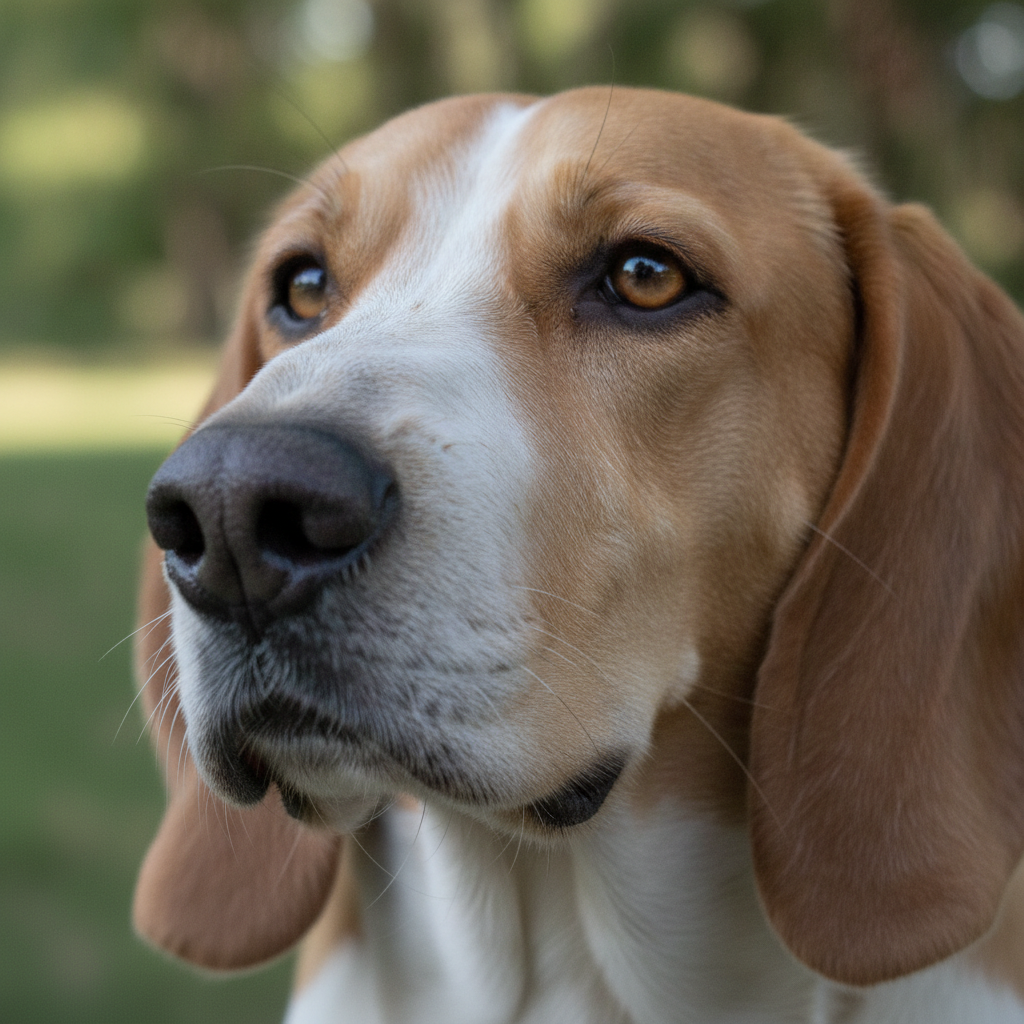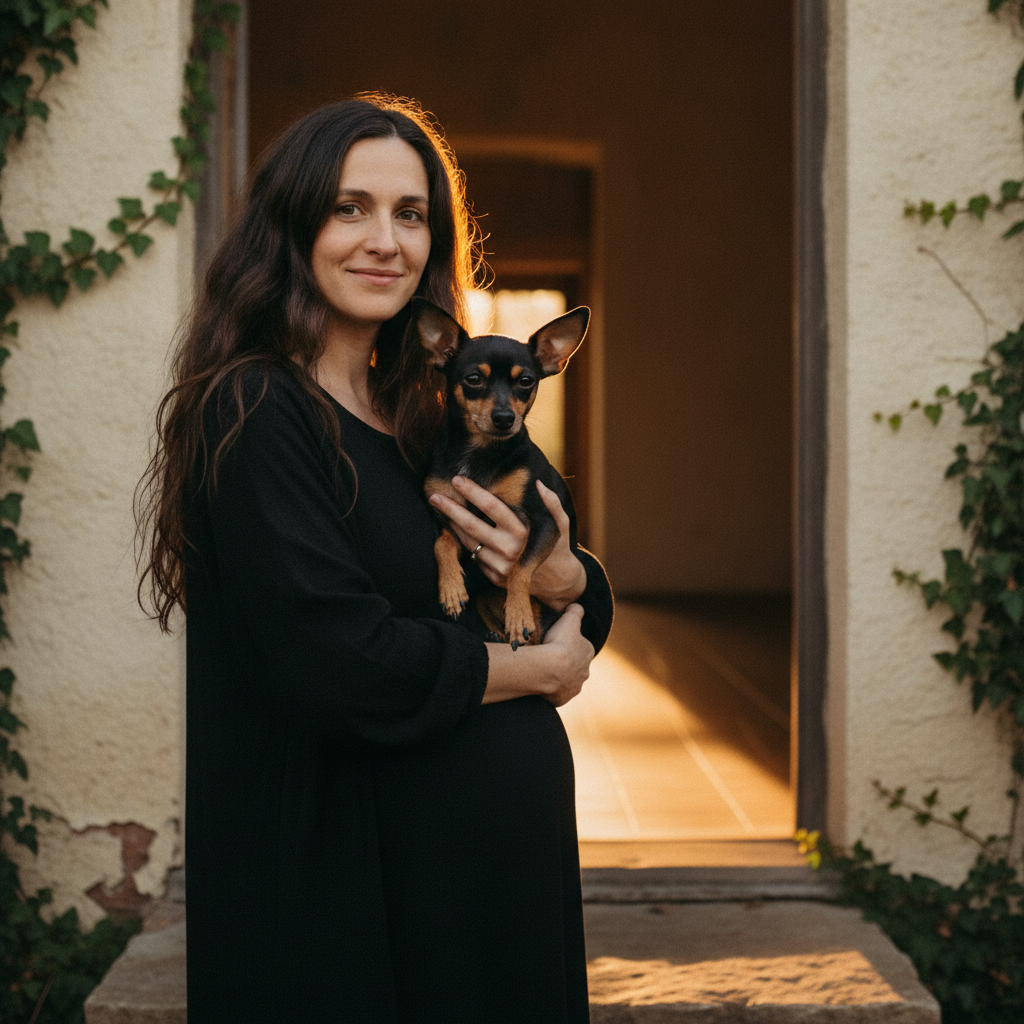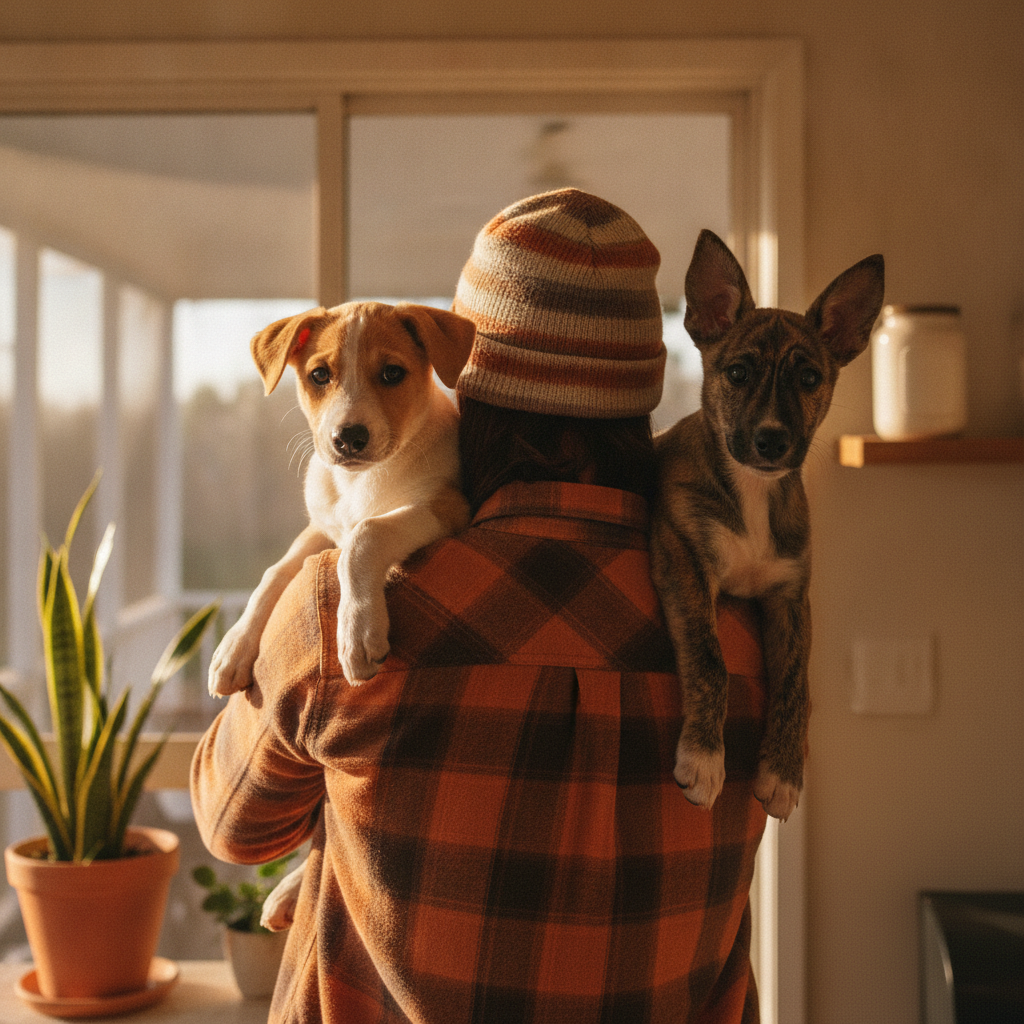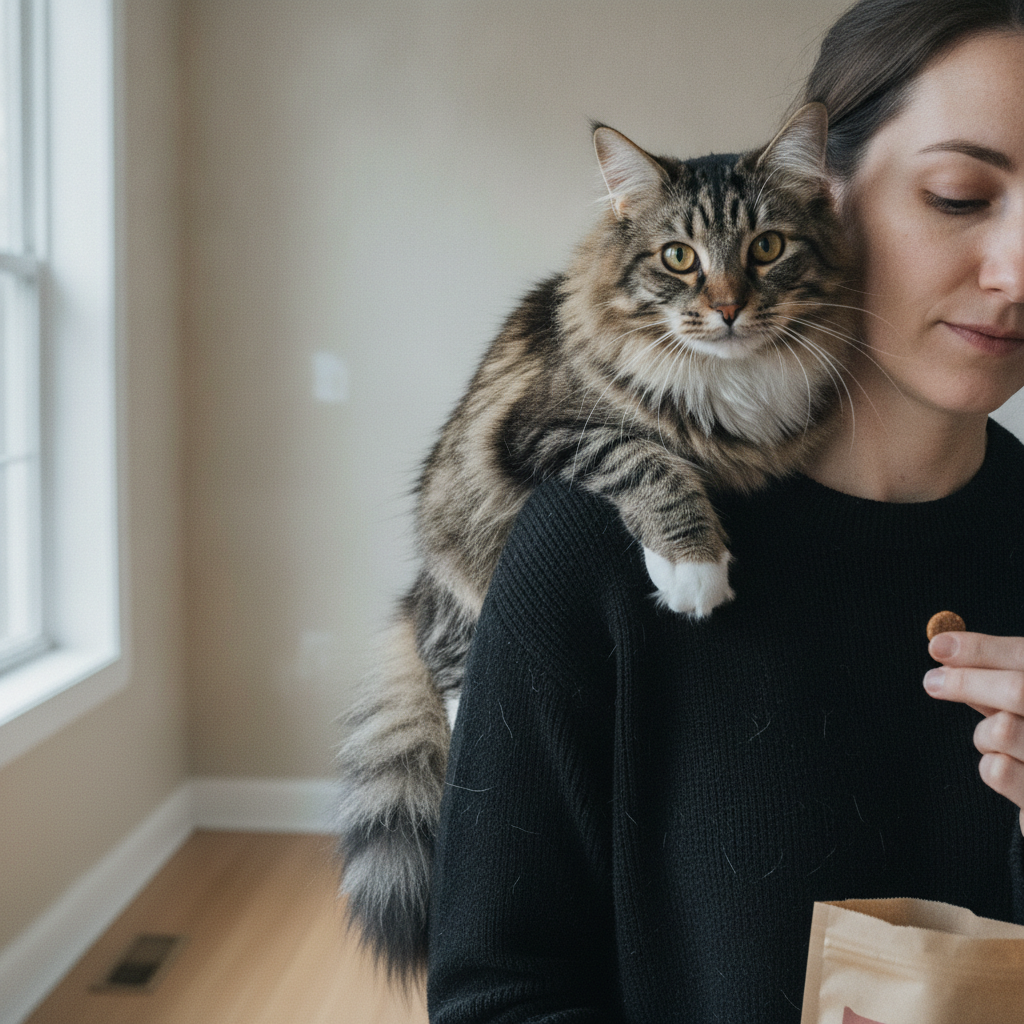
You have seen the photo, or one of the ten thousand attempts to recreate it: a fluffy cat draped across a shoulder like a stole, entirely composed, staring down the lens as if the whole production were being staged for him. Taylor Swift’s Ragdoll, Benjamin Button, wore that pose on the cover of TIME when she was named Person of the Year in December 2023, and he did not just tolerate it. He ate. He left no crumbs.
Then everyone with a cat and a phone tried it, and everyone with a cat and a phone got the same picture: a blur, a haunted expression, and three fresh scratches.
Here is the thing about that cover. The photograph was the easy part. What made it possible happened long before anyone picked up a camera: that cat was already, deeply, comfortable being carried by that person. Every good cat photo is a behavior problem that was solved in advance.
So solve it in advance. Here is the timeline, working backward from the shot.
Weeks out: find out whether the hold is even on the table
Not every cat wants to be worn like a scarf. Plenty have no interest in being picked up by anyone, ever, and that is not a deficiency.
So find out first, and find out slowly. Try the hold you have in mind on an ordinary Tuesday, for five seconds, with a treat immediately after, and put them down before they ask to be put down. Do it again the next day. If your cat starts turning up when the treats come out, you have a cat who will hold a pose. If they leave the room, you have your answer, and it is a real one.
You can absolutely train a cat to ride a shoulder using positive reinforcement. It just takes weeks, sometimes months. If your holiday card is due Friday, that is a project for next year, and there is no shortcut worth the damage.
If the hold is off the table: a cat on your lap, on the shelf beside you, or in a window with the light coming through their ears is a beautiful photograph. It is only a compromise if you had decided in advance that one specific picture was the only acceptable outcome.
Days out: tidy their spots, not a set
Skittish cat? Do not carry them to a setup. Carry the setup to them.
That means shooting where they already are, which means the places they already are need to be presentable. Do that cleanup the day before, never in the ten minutes beforehand. A human rushing around rearranging furniture is itself a stress event, and you will end up photographing an animal who has just watched you behave strangely.
One honest caveat about hiding spots. Some photographers block them off so the cat cannot vanish under the bed mid-session. It can work. It can also backfire badly, because for an anxious cat the hiding place is the thing that makes the room tolerable in the first place, and removing it raises the stress instead of lowering it. Know which cat you have. If yours is the type who bolts and then peeks back out, leave the gap open and let them return on their own terms.
The day of: introduce nothing new
A cat in their own coat is stunning and needs no assistance. More importantly, a photo session is the single worst moment to debut a novel sensation. If your cat has never worn a scarf, a hat, or a set of felt antlers, today is not the day they discover they love them.
If you want festive, use a collar or harness they already wear comfortably, and put it on well before the camera comes out, not as you are raising it.
While we are here: keep lilies out of the frame. They are severely toxic to cats, and a decorative bouquet is not worth a kidney.
The session, part one: shoot the habit, not the idea
The strongest cat photos are almost never poses. They are moments the cat was already going to have, with the room arranged so those moments look good.
Your cat keeps a schedule: the sunbeam at 4 p.m., the loaf on the radiator, the perch on the bookshelf, the ten seconds of dignity before they knock a glass off it. That is your shot list. Add a background or a prop to make it seasonal if you like. Do not add a new activity.
“Build the picture around a habit, not around an idea you had,” says Dr. Amara Solis. “The minute you start arranging a cat, you are asking them to be at ease in a situation that has no precedent for them, and the discomfort shows up in the frame. A tense cat photographs as a tense cat.”
The session, part two: the technical half, which is the easy half
Everything above is the hard part. This part is just knobs.
- No flash. Cats have a reflective layer behind the retina called the tapetum lucidum, which is what makes their eyes glow at night and what turns your flash photo into a pair of headlights. It is also a startling burst of light fired into an animal built for the dark. Shoot near a window instead, on an overcast day if you can get one, with the light arriving from the side.
- Get down to their eye level. The single biggest upgrade available to you, and it costs nothing. Shot from human standing height, a cat looks small and far away. Shot from cat height, they look like a subject.
- Focus on the eyes. If the eyes are sharp, the photo works. If they are not, nothing else rescues it.
- Burst mode. Cats move in flickers. Hold the shutter, take forty frames, delete thirty-nine.
- Hold the lure at the lens. A wand toy or a treat right beside the camera buys the one thing you cannot fake: a cat looking straight down the barrel.
- Lint roller. You are wearing the cat before you are photographing the cat.
Throughout: read the body, and stop when it tells you to
You already know what your unhappy cat looks like. The entire discipline is in not overriding what you know because you can see the shot and it is so close.
Struggling in your arms, ears flattening, tail thrashing, body going stiff, walking away: they are done. Not “almost done.” Done. Take a break, come back tomorrow, rethink the approach. A cat who learns that a camera means being restrained is a cat who will not photograph well again for a long while, and you will have spent a good relationship on a mediocre picture.
Treats on hand, always. Not as a bribe to endure something, but as payment for something they chose to do.
The rule under all the rules: lower your expectations
Professional cat photographers say some version of this at the start of every session, and they are not joking. Getting the perfect photograph of a cat is not easy, and it is not supposed to be. It takes many, many attempts. You will be a hair’s breadth from the frame you imagined, and the cat will bolt down the hall for reasons known only to the cat.
Go in with loose ideas and a stack of plan Bs. Take the picture you can get rather than the one you scripted. You will both be happier with the result, and, more to the point, your cat will still be willing to be in the room the next time you pick up a camera.
References
- Cat behavior and handling — American Association of Feline Practitioners, Feline-Friendly Handling Guidelines
- Toxic and non-toxic plants: lilies — ASPCA Animal Poison Control
- The tapetum lucidum and feline vision — Cornell Feline Health Center
- Cat-friendly interactions and stress reduction — International Society of Feline Medicine