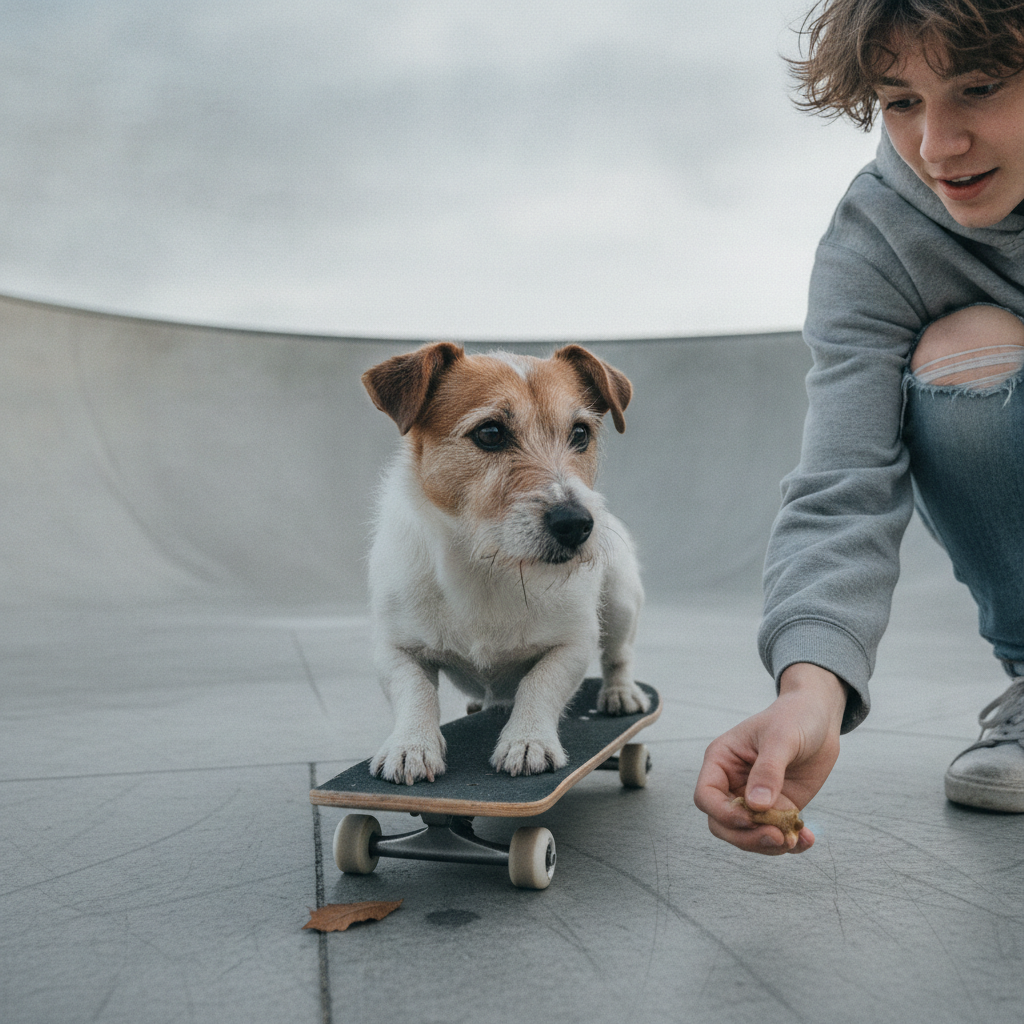
The saying has done real damage. That worn-out line about old dogs and new tricks has convinced generations of people to stop investing in their dogs the moment a little gray shows up on the muzzle, as if the brain clocks out when the body slows down. It does not. Older dogs can absolutely learn new things, and they should. Honestly, it is one of the kindest things you can do for a dog in their later years.
The catch is not the age. It is that most training advice was written with a bouncy, pain-free, sharp-eared puppy in mind. Teach a senior dog with a puppy’s playbook and you will hit friction that has nothing to do with their willingness to learn. The fix is to train around the body, not around the birthday.
“Older dogs are some of the best students I see, because they’ve got the patience puppies don’t,” says Dr. Ravi Mehta. “When one doesn’t respond, my first thought is never ‘stubborn,’ it’s ‘what’s the body doing?’ Nine times out of ten there’s a physical reason hiding under what looks like disobedience, and once you account for it, the dog learns beautifully.”
Read the body first
A dog does not get a whole new personality with age, but a few common changes do shape how they train. Not every one applies to every dog, so treat this as a checklist to watch for, not a diagnosis.
Lower energy and a smaller appetite. Senior dogs slow down, the same way we do, so they may not have the stamina for long, repetitive drills. A lighter appetite also means treats lose some of their pull, so schedule short training sessions just before meals, when your dog is hungriest and a treat is worth the most.
New noise sensitivity. Plenty of dogs who never flinched at loud sounds develop a fear of them later. Part of the reason is physical: when an older dog startles, the sudden jolt of movement can hurt, and they start linking that pain to the sound that caused it. Train somewhere quiet so a random bang never gets paired with the lesson.
Dimming senses. Aging eyes and ears mean your dog may simply not see or hear you as well as they used to. Lean on very clear, deliberate hand signals, and make your vocal cues a little louder and crisper so the message actually lands.
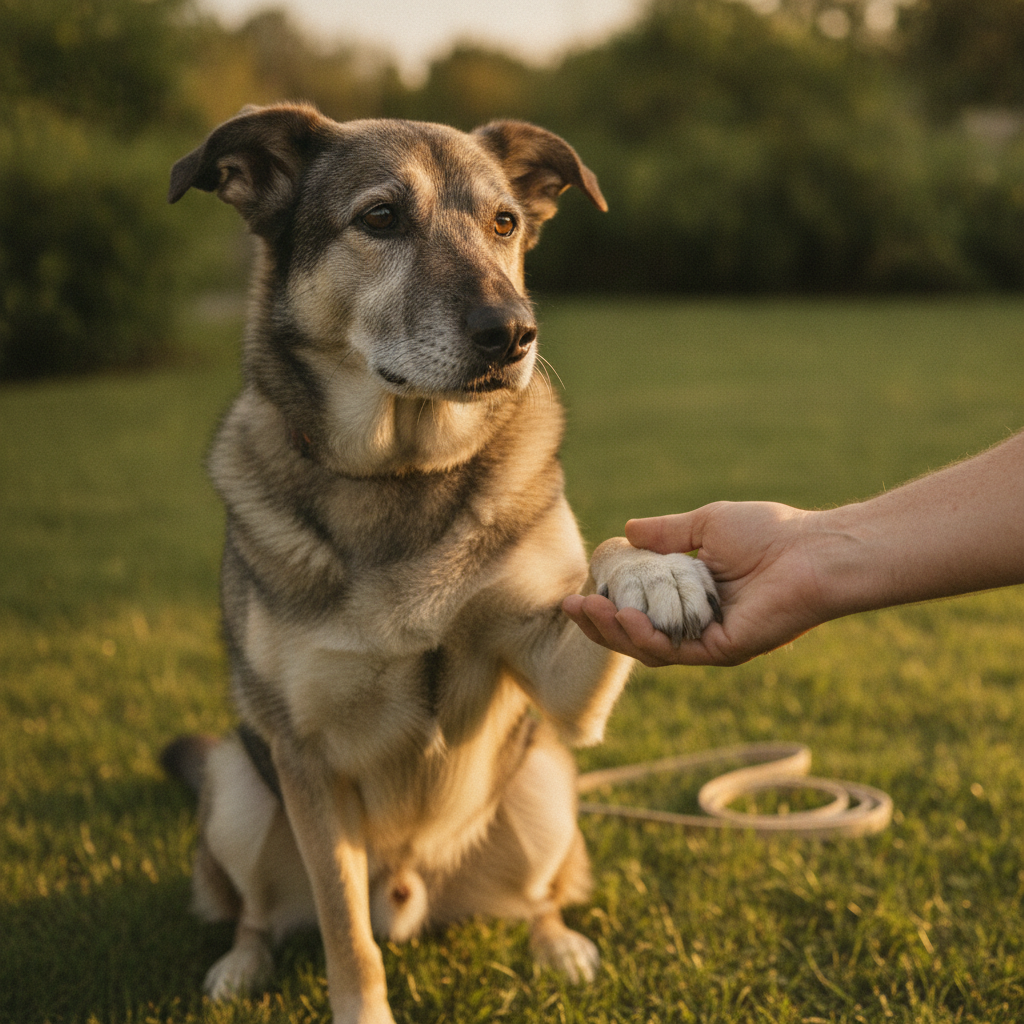
Pain and soreness. Discomfort can slow a dog’s response or stop it entirely, and it should steer what you teach. Skip behaviors that ask for jumping, climbing onto high surfaces, or dancing on back legs. Some dogs even struggle to crane their head up at a sharp angle or to lie down repeatedly. Reach for gentle, low-impact skills instead, like going to a mat, offering a paw, or laying their chin in your lap.
The throughline is a mindset shift that helps with dogs of any age but matters most here: a dog who does not do what you asked is usually not giving you a hard time, they are having a hard time. Before you label it disobedience, ask whether they are confused, undertrained, or simply hurting.
The everyday skills, adjusted for age
The mechanics of teaching any behavior are the same across a dog’s life. What changes for seniors is the fine print.
Crate training. A crate should be a place your dog wants to be, never a place they are forced into. Toss high-value treats just inside so they are easy to grab from outside, then gradually further in until your dog strolls all the way inside on their own. Only then start closing the door, at first for a single second, opening it before they finish the treat, and build the duration slowly with a stuffed food toy for company. For an older dog specifically, pick a crate with a low, easy step-in, pile in soft padded bedding, and never leave them so long that holding it becomes a struggle.
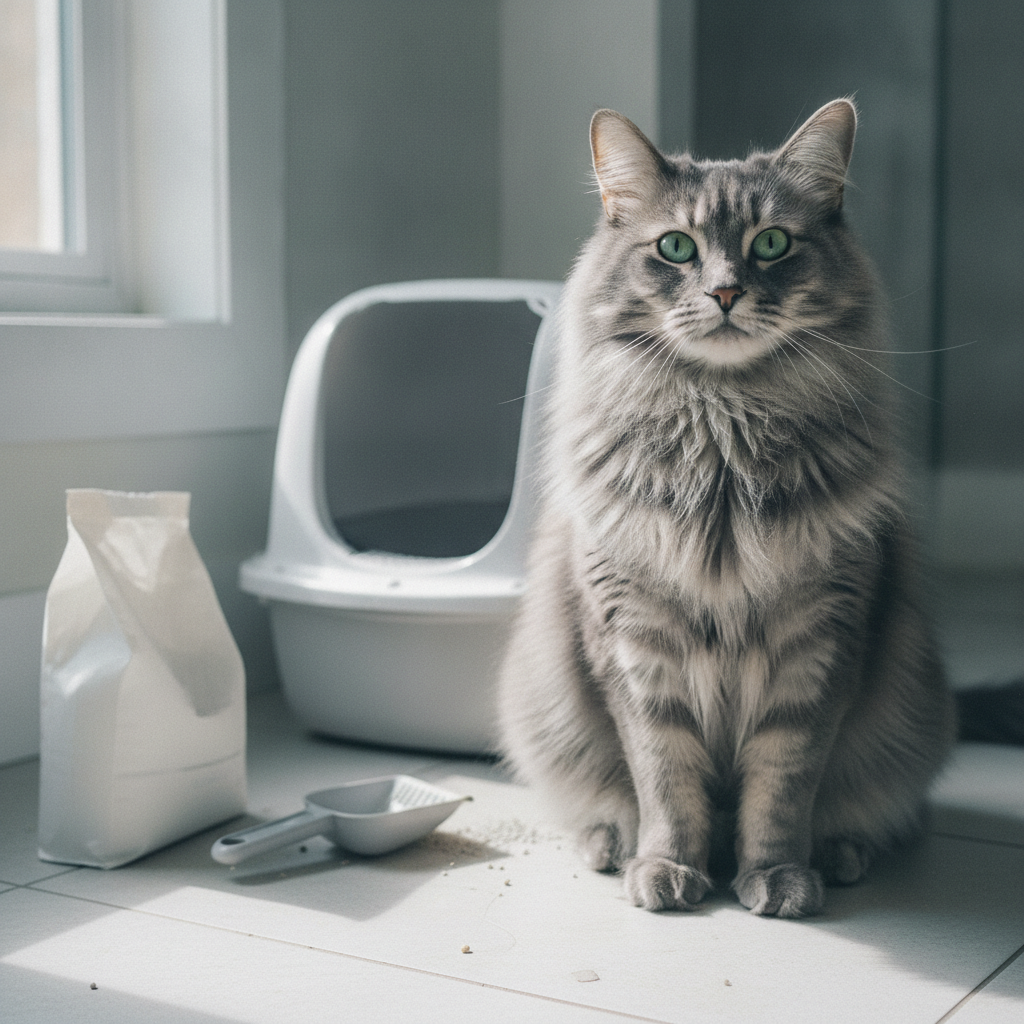
Potty training. Whether you are house-training a newly adopted senior or dealing with a dog who has started having accidents, rule out a medical cause first, because regression in an older dog often has one. Once the vet has cleared things, a house-training dog should always be in one of three states: outside with someone watching for success, inside under real supervision so you can rush them out at the first squat or leg-lift, or in a confined space where an accident is unlikely. When they go outside, offer calm praise and then get a treat to them as quickly as possible, walking over to them so they connect the reward to the potty, not to coming back inside. Take older dogs out more often than you think you need to, sometimes every twenty or thirty minutes, and if they hesitate, experiment with surfaces, because many dogs have a strong preference for grass, leaves, or dirt.
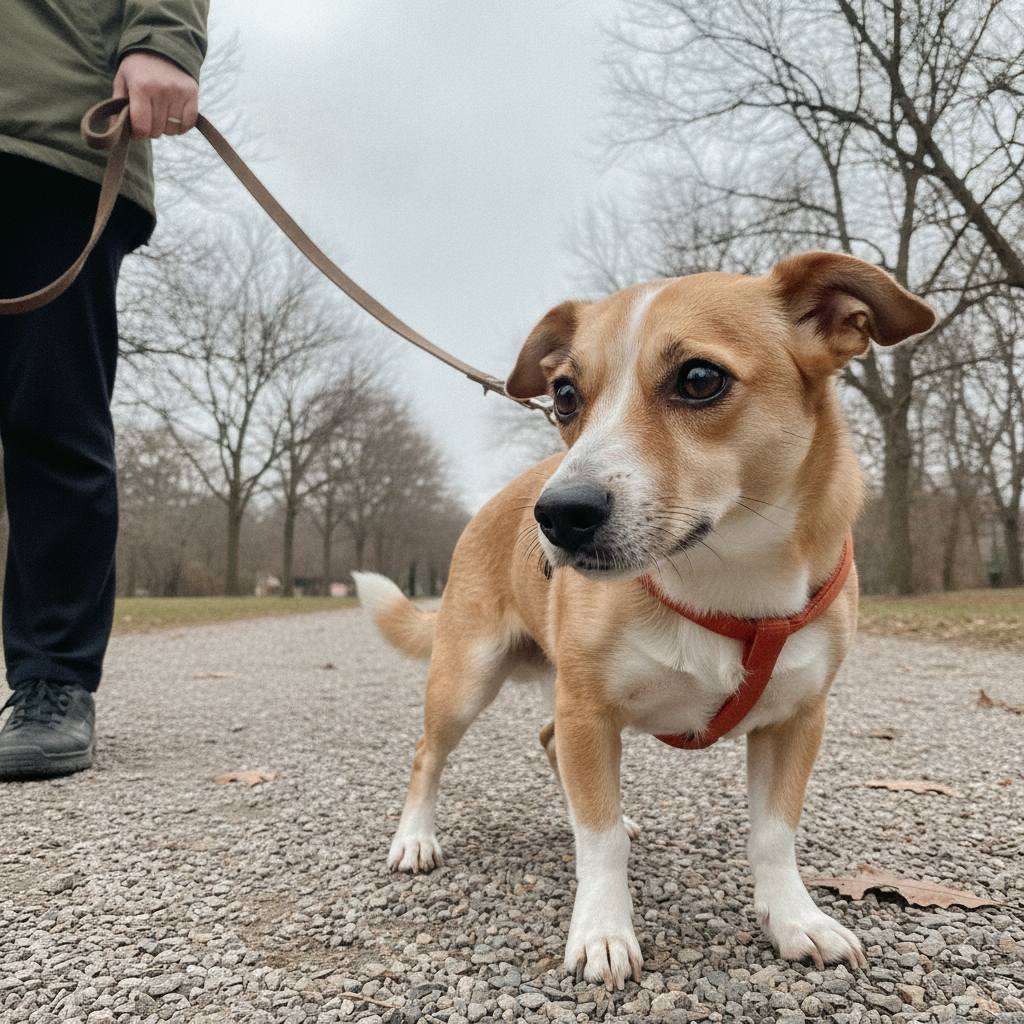
Leash training. The whole aim is to make the leash feel good. For comfort, use the thinnest, lightest leash you can, and consider going longer than the standard six feet if your dog likes a little room. Pad the collar or, better for many older dogs, clip to a harness instead, and tape jangling tags together so the constant jingle does not become its own irritation. Then load the leash with meaning: hand out great treats whenever your dog is at your side or walking without pulling, let them stop and sniff so the walk is an adventure rather than a march, and route your walks toward places they love.
Basic obedience. Teaching an older dog to respond to a handful of cues makes both your lives easier. Use positive reinforcement, arrange the environment so your dog cannot easily fail, start with whatever is simplest for them, and train in small doses several times a day. Pick your training windows for when your dog is naturally alert, and leave their foggy hours for gentler activities like a sniffy walk or a grooming session.
How dogs actually learn a new behavior
Underneath all of it are three ways to get a behavior in the first place, and one rule about when to name it.
Catch it (capturing). Some behaviors your dog already offers on their own, like lying down. Be ready to reward the instant they do it, and you make it more likely to happen again. Trainers call this catching your dog doing something right.
Lure it. Dogs follow their noses, so you can guide one into position with a treat. To get a sit, hold a treat at the nose and slide it slowly back over the head, which tips many dogs’ rear ends to the floor.
Shape it. For behaviors that do not appear fully formed, reward closer and closer approximations. Teaching a roll over, you might first reward a down, then a down on one hip, then lying fully on one side, then all the way onto the back, and only at the end pay for the complete roll.
Then, and only then, add the cue. This is where most people go wrong and the pros do not. Do not say “shake” before your dog knows the behavior, because a word attached to nothing just becomes background noise and makes the real lesson harder. Wait until you can reliably predict your dog is about to offer a paw, then say “shake” a beat before it happens and reward the result. Repeat, a lot, in short sessions across many days, until the word alone produces the paw.
Tools and time
You do not need much gear: a leash for any unfenced work, soft treats that are small and easy on older teeth, a quiet space, and a few toys your dog enjoys. Bring patience too, because learning is uneven and mistakes are part of it.
Time is where seniors really benefit from doing less. One of the quiet secrets of professional trainers is that short sessions beat long ones for every dog, and dramatically so for old ones. Multiple bursts of thirty seconds to three minutes, scattered through the day, will outperform a single grinding twenty-minute drill, and they spare an older dog the fatigue and the full-belly slump that comes from overdoing it. Stick with the short-and-often rhythm and you will see change within days, and much more over the weeks and months that follow.
Old dogs are not broken students. They are experienced ones, working with a body that has earned a little accommodation. Give them that, and there is genuinely no limit to what the two of you can still learn together.
References
- “Senior Pet Care (FAQ).” American Veterinary Medical Association. avma.org
- Landsberg, Gary, et al. “Cognitive Dysfunction Syndrome: A Disease of Canine and Feline Brain Aging.” Veterinary Clinics of North America: Small Animal Practice, 2012. sciencedirect.com