You notice it before you name it. Your dog stops hopping onto the bed. They hang back from the ball they used to obsess over, or hesitate at the car door they used to clear in one leap. That reluctance is often canine arthritis, a painful joint condition that affects at least one in five adult dogs, and there is no cure for it.
That word, “cure,” is where most owners get stuck, and it points them at the wrong shelf. They go hunting for the remedy, the supplement, the thing that fixes it. But arthritis isn’t fixed; it’s managed, every single day, and the highest-impact management doesn’t come in a bottle. It comes from the dog’s weight, the floor under their feet, and how you dose their movement. Get that hierarchy right and everything else, supplements included, works better on top of it. So let’s rank what actually helps, from the things that move the needle most to the things that help at the margins.
First, though, it’s worth knowing what you’re managing.
What arthritis actually is
Arthritis is inflammation inside a joint, and the most common form is osteoarthritis (OA), a gradual thinning and breakdown of the protective tissue between the bones. In a healthy joint, cartilage and surrounding tissues act as shock absorbers for smooth, easy movement. As OA wears those absorbers down, the joint tissue gets damaged and releases substances that drive painful inflammation, and once the cartilage is gone, bone starts grinding on bone. It shows up most often in the hips, elbows, knees (the stifles), and lower back.
Several things cause it, usually in combination: injury or the repeated pounding of high-impact activity, obesity, joint instability from an ACL rupture or hip dysplasia, and plain genetics and build. Long-backed, short-legged breeds like Dachshunds, Bassets, and English Bulldogs are prone, and larger breeds like Labs, Golden Retrievers, and German Shepherds see more joint problems than many small dogs, but any dog can develop it under the right conditions.
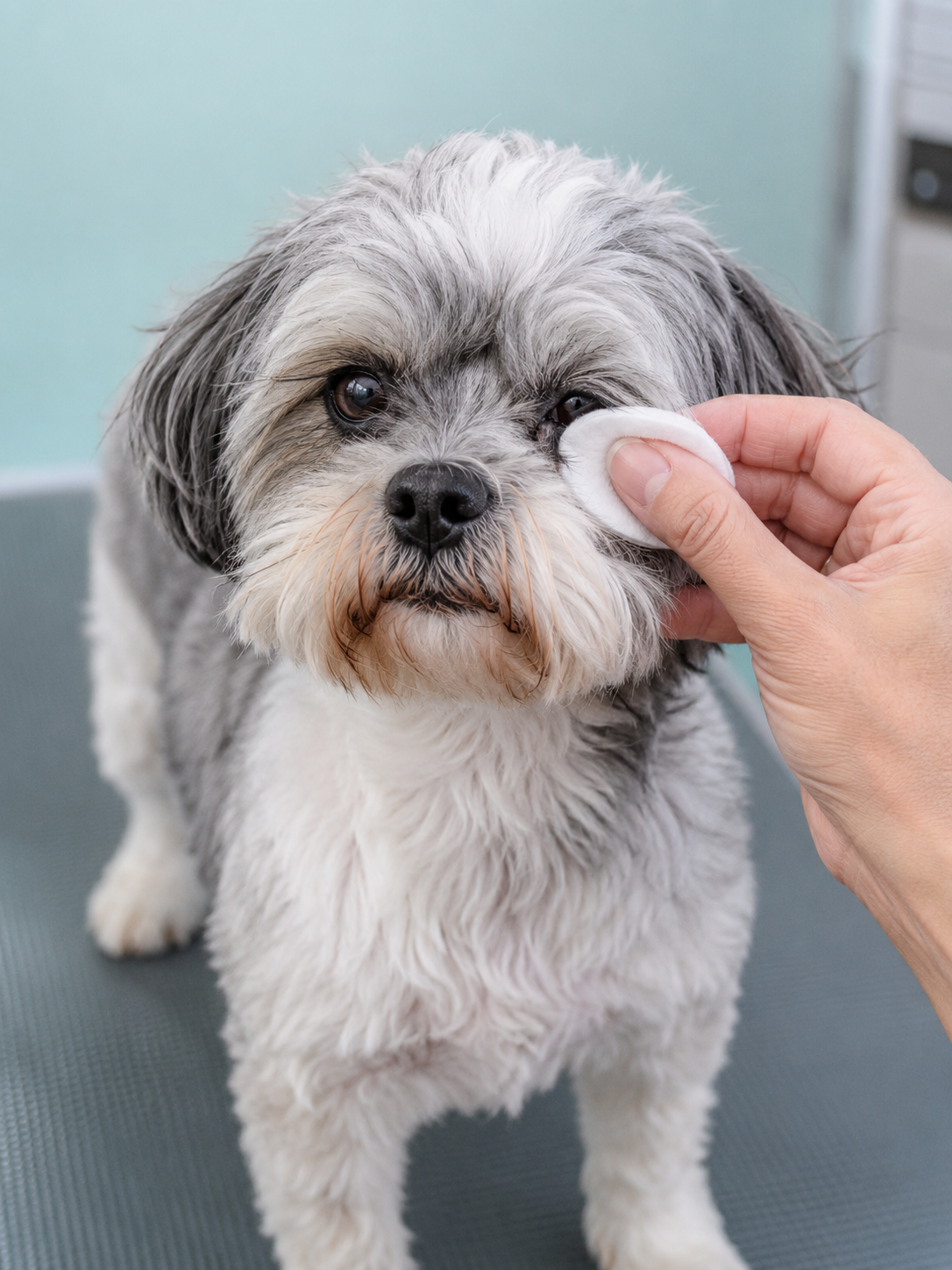
Vets confirm it with a physical exam for pain and swelling, radiographs to spot joint changes, gait and limb assessment, and sometimes joint-fluid analysis to rule out other causes. Your own eyes at home are a real diagnostic tool too, because dogs rarely cry out unless the pain is sharp and sudden. Watch for lower energy, more sleeping, less interest in activity, flinching when touched in a spot, trouble getting up or lying down, reluctance to do stairs or jumps, accidents in the house, more panting or drooling, general crankiness, limping, or a yelp with certain movements. Early signs are subtle, so trust the small changes.
Now, the hierarchy.
1. Weight is the whole ballgame
If you do one thing, do this. Every extra pound rides directly on the joints, and obese dogs are both more likely to develop arthritis and more likely to suffer worse with it, because the excess load multiplies the stress on already-damaged joints. There is no supplement, therapy, or gadget that competes with getting a heavy arthritic dog down to a healthy weight. Talk to your vet about your dog’s target and build a real weight-loss plan if the number is off. This is the single highest-leverage move you have, and it costs nothing.
“Owners want to start with the supplement aisle, and I understand why, but I always redirect to the scale first,” says Dr. Ravi Mehta. “Taking weight off an arthritic dog does more for their comfort than anything I can hand you in a bottle.”
2. Rebuild the house around the joints
The second-biggest gains come from the environment, because a slippery floor or a high jump punishes a bad joint dozens of times a day. Change the house and you remove that punishment:
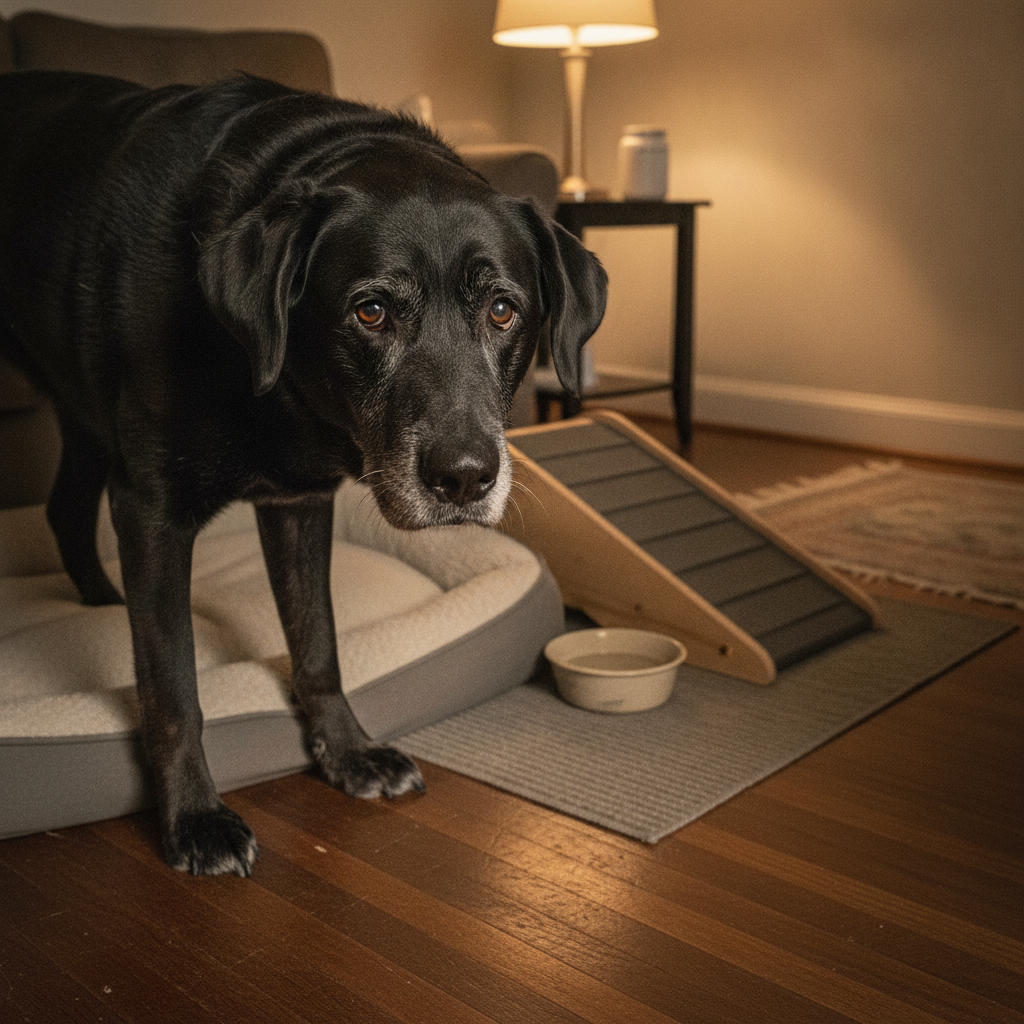
- Add portable ramps or steps anywhere your dog used to jump, like the couch, the bed, or the car.
- Give them thick support to lie on, a memory-foam or orthopedic pad, sized big enough to stretch out on. A heated dog bed or a dog-safe heating pad set warm, never hot, can ease stiff joints further.
- Kill the slipping. On hard floors, lay a path of non-skid rugs or yoga mats. You can buy long rolls of yoga-mat material to make continuous runways.
- Mind the feet. Keep nails and the fur between the paw pads trimmed, since pads are a dog’s built-in traction and worn or overgrown ones grip poorly. A thin coat of Bag Balm or Musher’s Secret, or a homemade paw balm, helps dry pads. Booties or toe grips are another option once your dog adjusts to them.
- Raise the food and water bowls so your dog isn’t bending and straining at every meal.
- Keep a lifting harness or support sling on hand if your dog needs help rising or has other mobility issues.
3. Dose movement like medicine
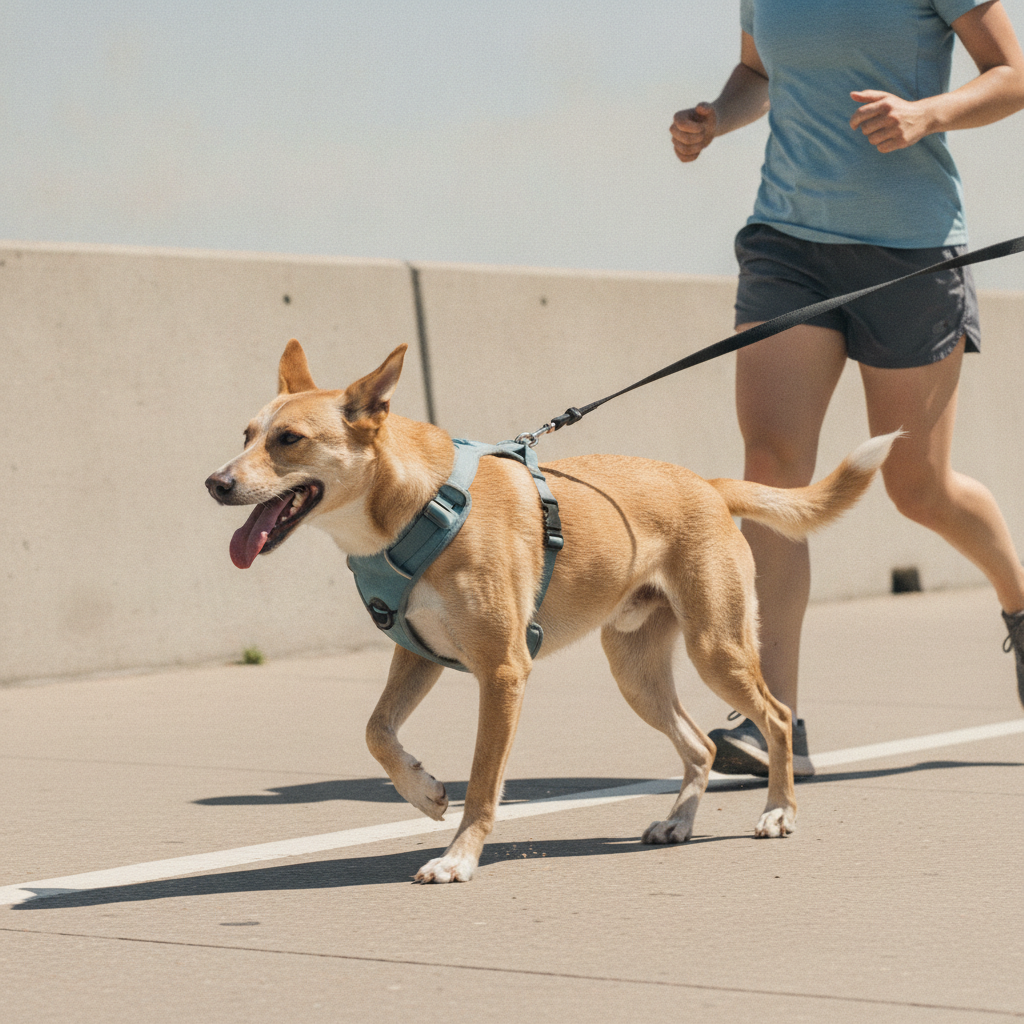
An arthritic dog still needs to move; the trick is the dose. The rule of thumb is several short outings rather than one long one, something like a 10-minute walk two or three times a day. Watch the trap here: exercise releases endorphins and adrenaline, so a dog can feel less pain in the moment and overdo it, then pay for it later. You can gently massage sore spots to bring blood to the area, and alternate cold and heat on the joints. Time outdoors is genuinely good medicine too; sunlight nudges the body into making vitamin D, and that vitamin quietly does a lot here, steadying the immune system, easing inflammation, reinforcing joints, and helping the body take up calcium. Fresh air also lifts the mood of a dog that pain has been dragging down.
4. Supplements: helpful, but be honest about them
Joint supplements, the nutraceuticals, can genuinely reduce discomfort and sometimes let you lower the dose of prescription drugs when used alongside them. They earn a spot on the list, just not the top of it. The catch is that supplements aren’t FDA-regulated, so quality and potency swing widely between products, which is exactly why you want a vet’s recommendation on which to actually buy. The commonly used options include:
- Glucosamine
- Chondroitin sulfate
- Omega-3 fatty acids (fish oil)
- MSM (methylsulfonylmethane)
- Green-lipped mussel
- SOD (superoxide dismutase)
- Fortetropin (fertilized chicken egg yolk powder)
- ASU (avocado/soybean unsaponifiables, sold as Dasuquin)
- Turmeric
- Sea cucumber
Many products blend several of these together.
5. Alternative therapies, as add-ons
These complement the core plan rather than replace it:
- Acupuncture is increasingly popular for canine joint pain and helps some dogs.
- Physical therapy is close to essential. Low-impact work strengthens the muscles around the joints, keeps them mobile, and eases stiffness. Larger vet hospitals now offer options like therapeutic ultrasound, shockwave, targeted pulsed electromagnetic field (tPEMF) therapy, electrical stimulation, range-of-motion stretching, and cold-laser treatment.
- Hydrotherapy, swimming in a warm-water pool or on an underwater treadmill, builds muscle without stressing joints. Keep it warm, though; cold water can stiffen joints and muscles and work against you.
- CBD is thought to ease both pain and anxiety, and many owners try it for arthritis. It’s generally considered safe with other medications, but it shares a metabolic pathway with NSAIDs, so watch for side effects if you combine them.
What’s new since this was written
The biggest change in dog arthritis care in the last few years happens at the vet, not the home, and it’s worth knowing about so you can ask. In 2023 the FDA approved Librela (bedinvetmab), the first monoclonal antibody for controlling osteoarthritis pain in dogs. It’s a once-a-month injection that works differently from older painkillers, blocking a pain-signaling protein called nerve growth factor, and since its late-2023 launch more than a million dogs in the U.S. have been treated with it. It has helped a lot of stiff, sore dogs move again.
It also comes with a real caution. In February 2025 the label was updated to reflect adverse events reported in real-world use, including neurologic signs in some dogs, and researchers have raised questions about whether blocking nerve growth factor can, in a subset of dogs, speed up joint damage. None of that means it’s off the table; it means it’s a genuine conversation to have with your vet about your specific dog, alongside long-standing options like NSAIDs. The home hierarchy above still does the heavy lifting; the newer drugs are one more tool for the dogs who need more.
There’s no cure for canine arthritis, but there is a great deal you control. Stack the pieces, lead with weight and the home setup, and add the rest on top.
This article is for general information and isn’t a substitute for your vet’s advice. Every dog is different, so build any treatment plan, especially anything involving supplements or medications, with your veterinarian.
References
- U.S. Food and Drug Administration. “FDA Approves First Monoclonal Antibody for Dogs with Osteoarthritis Pain.” fda.gov, 2023.
- U.S. Food and Drug Administration. “Dear Veterinarian Letter: Adverse Events Reported in Dogs Treated with Librela (bedinvetmab).” fda.gov.
- American College of Veterinary Surgeons. “Osteoarthritis in Dogs.” acvs.org.
- American Animal Hospital Association. “2022 AAHA Pain Management Guidelines for Dogs and Cats.” aaha.org.