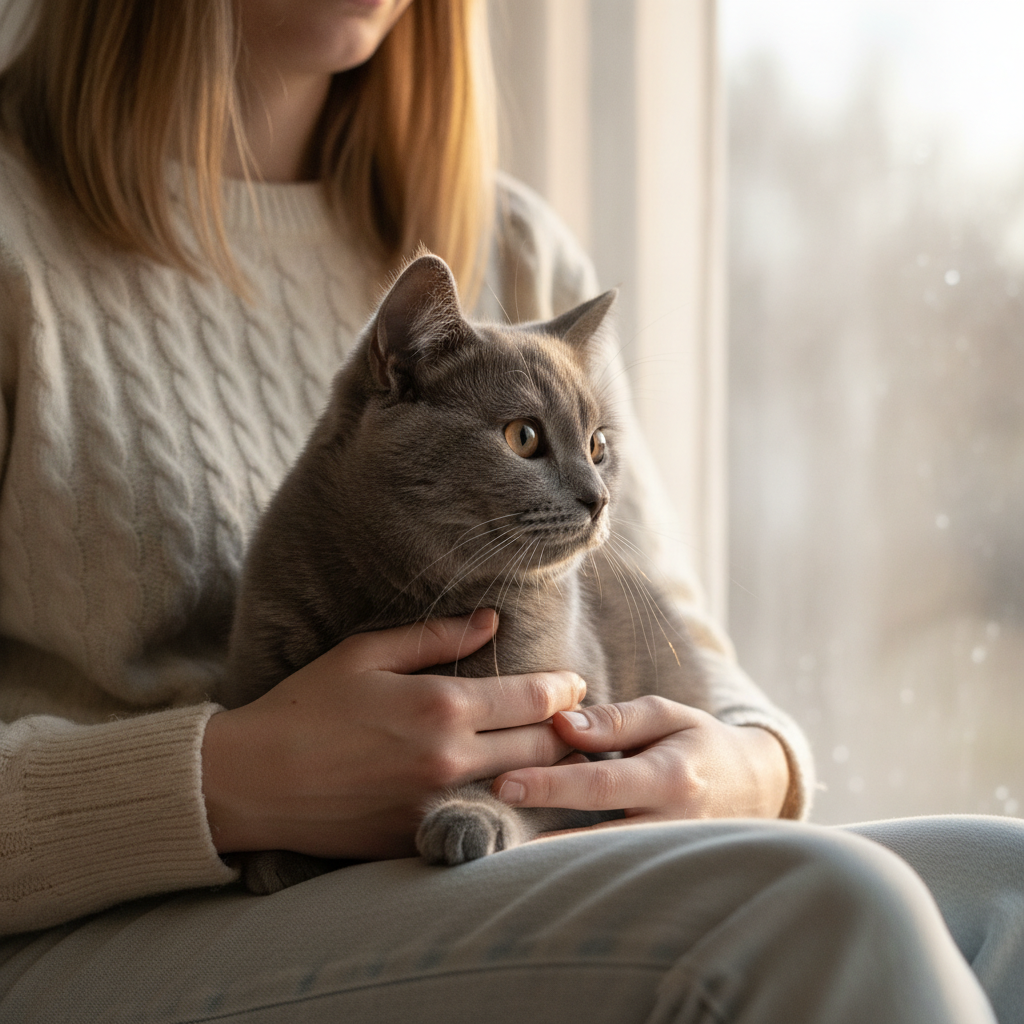
When Angela Rafuse learned that her grandfather was dying, she also inherited a problem with fur. His cat, Mackenzie, was fourteen years old, prickly, and prone to scratching when overwhelmed. She was the kind of cat no one browsing a shelter would ever choose. Rafuse wasn’t looking to adopt anyone. She just wanted her grandfather to go knowing that Mackenzie would be safe, and she made sure he knew it before he passed.
That small act of loyalty, taking in one unwanted senior cat, has since turned into something Rafuse could never have predicted: a viral internet celebrity, a Canada-wide charity, and a growing movement to rehome the pets of people who are elderly or terminally ill. Here is how a grumpy old cat rewrote the rules of who gets a second chance.
The cat who wouldn’t be petted
The early days were not promising. For fourteen years, Mackenzie had been hiss-first and scratch-second. Rafuse had never once managed to pet her. When she moved home to Nova Scotia in early 2020, she and Mackenzie ended up in her parents’ basement, meant to be a short stay. Then the pandemic hit, Rafuse is immunocompromised, and the short stay became a very long one.
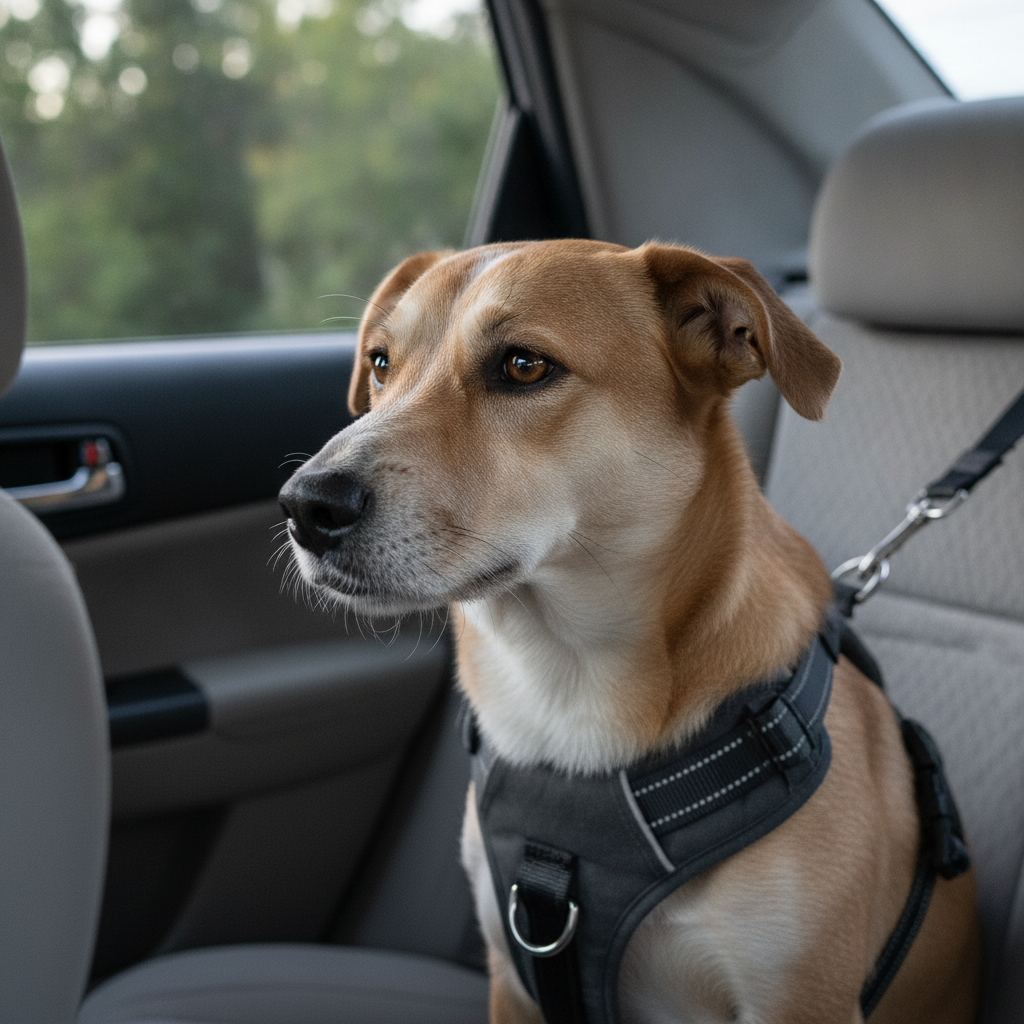
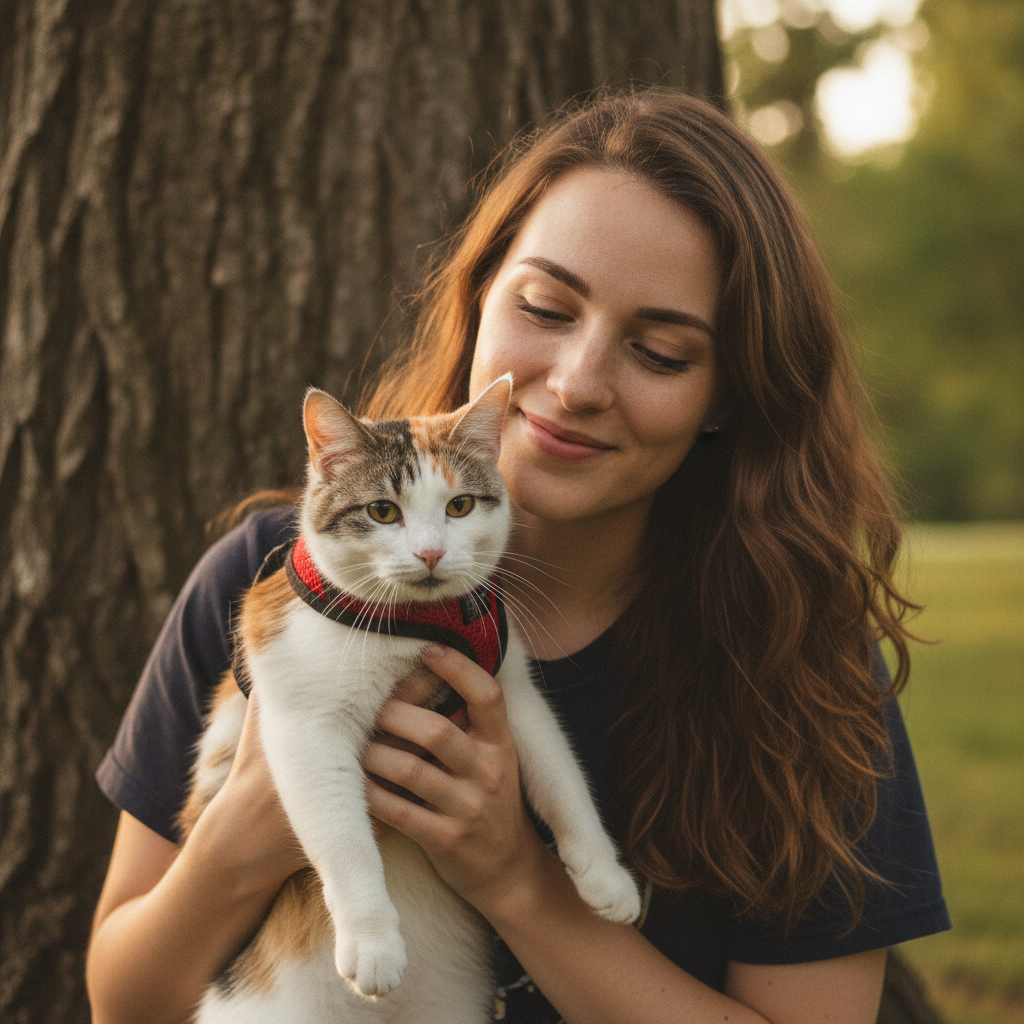
The thaw came through adventure, not affection. On a whim during an online shopping spree, Rafuse added a cat harness to her cart alongside some toys. She wasn’t sure whether Mackenzie would tolerate it or try to kill her. Mackenzie loved it. A backyard stroll became a trip to the beach, which became car rides where the once-feral cat simply stretched out on the passenger seat. Nova Scotia’s cold meant a little sweater so she wouldn’t get chilly on beach walks. Eventually came the kayak, where Mackenzie would nap on Rafuse’s feet as they drifted. The cat who couldn’t be touched had become, in her mid-teens, an adventure cat who ran to the door begging to go somewhere.
Accidental fame
The internet found Mackenzie almost by accident. A family joke, a video of the cat objecting to being asked to “say Merry Christmas,” got posted to TikTok on a lark. Rafuse, who half-assumed the app was just kids dancing, watched it rack up 75,000 views. People wanted more, and she had a year’s worth of basement footage saved up from sending clips to friends. As Mackenzie learned to adventure, Rafuse documented the transformation, and the following exploded.
The fame turned out to be the setup for something bigger. Because Mackenzie is an unusual name for a cat, people kept asking about it, and Rafuse kept explaining that she’d inherited the cat, already named, when her grandfather died. That story unlocked a flood of others: strangers describing grandparents’ cats surrendered to shelters after a death, or seniors so worried about their pets that they were trying to write them into their wills.
Rafuse, who works in nonprofit marketing, kept waiting to discover that a service for this already existed. Nothing did. So, bored and locked down in her parents’ basement with a newly minted following, she decided to build it herself.
Launching on her grandfather’s birthday
She named the charity My Grandfather’s Cat and chose its launch date carefully: her grandfather’s birthday, on May 18, 2021, a day the family had always celebrated together and one she wanted to turn from mournful back into joyful. She lined up a friendly local morning-show segment, posted a TikTok, and went to work. By the time she came out of a four-hour meeting, the video had thousands of views. Hours later it had passed two million, and the phone hasn’t really stopped since.
The model is simple and free. When a senior or terminally ill person needs to rehome a beloved pet, they reach out through the charity’s website and work with a volunteer to write the pet’s profile, gather good photos, and advertise the animal. Crucially, Rafuse built in a twist she learned the hard way: the senior interviews and ultimately chooses the adopter themselves, adding a layer of vetting and, more importantly, a sense of peace. Emergency fosters exist only for the hardest case, when an owner has passed away.
She learned that lesson from a big orange cat named Bo. He was supposed to be a quick placement from a senior heading into a retirement home. The first family said no on sight. The next, a lovely household on a lake, watched him hide under the couch for two days before the mother called, certain it wasn’t working, only for Bo to come out the moment Rafuse called his name. He was, everyone agreed, meant to be with her. Bo is fourteen now too, and still curls up in her arms every night. He also taught her that the humans in these adoptions need to talk to each other directly, which reshaped how the whole charity runs.
Why senior pets are the whole point
Rafuse’s larger message is about the animals almost everyone overlooks. Senior cats sit longest in shelters and get chosen least, and Mackenzie is living proof of how wrong that math is. She started going on adventures at fifteen. She learned to trust, to travel, to love a person, all in what most people would write off as the end of her life.
The friendship, as Rafuse tells it, started out of pure love, love for her grandparents, then love for one difficult cat, and grew into something like advocacy: love for seniors and their pets, and for the specific, underrated value an old cat can bring to a home. Life, in her telling, has value at any age. So does love. So does the capacity to learn.
What’s new since Mackenzie went viral
The idea Rafuse dreamed up in a basement has since become one of the more remarkable small-charity stories in North America. My Grandfather’s Cat has grown into a registered national charity operating across Canada, powered by a team of volunteers. In early March 2026, the organization marked its 500th adoption, each one a pet from an elderly or terminally ill owner matched with a new home.
Mackenzie, meanwhile, has drawn a combined following of more than 750,000 people across Instagram and TikTok, and her example has measurably shifted how her audience thinks: Rafuse regularly hears from people who adopted a senior cat specifically because of Mackenzie. Rafuse herself has been recognized for the work, including being named a top young innovator in Atlantic Canada and honored as an animal-nonprofit CEO of the year, and the charity has been featured everywhere from national news to People magazine.
Not bad for a cat who, for fourteen years, wouldn’t even let anyone pet her.