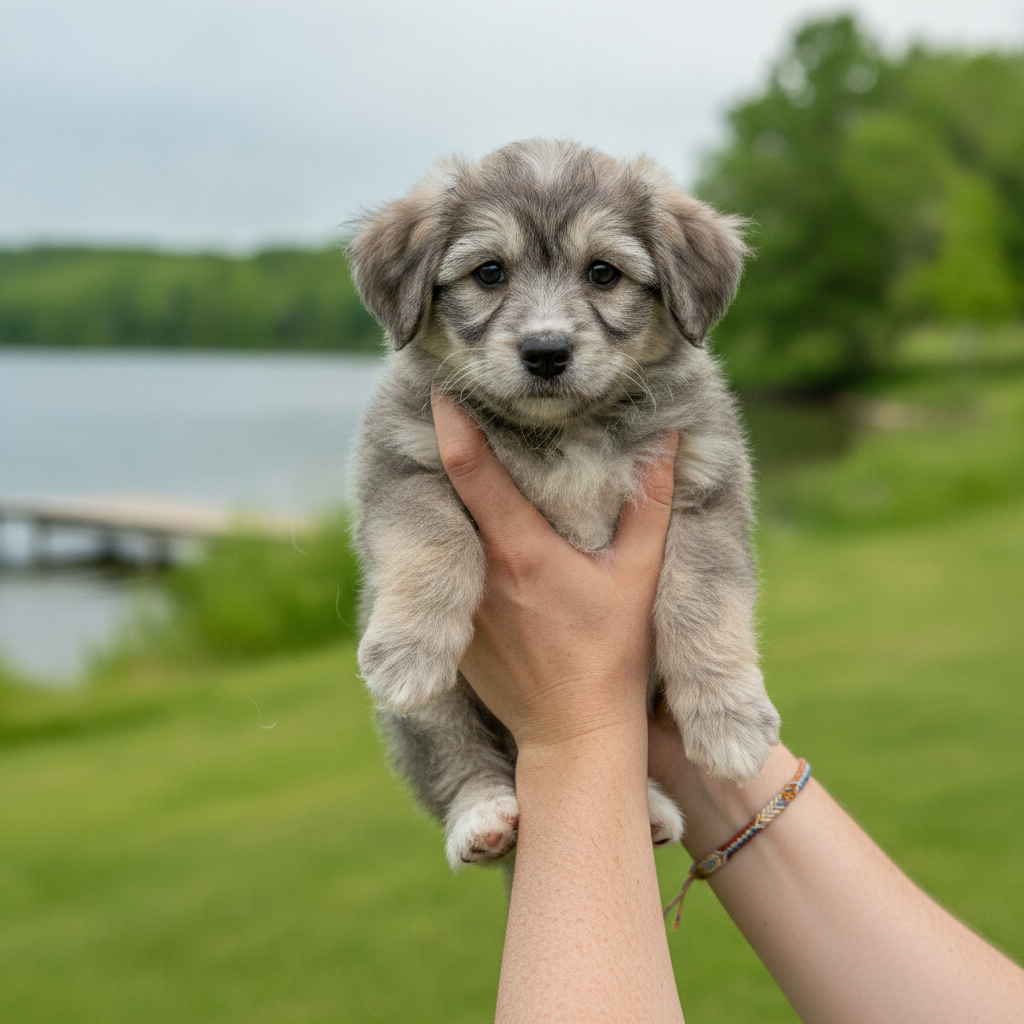
You brought home an outrageously cute puppy. Now you’re wondering when the actual training starts, somewhere between the hundredth “awww” and the hundredth “no, not the couch leg.” Everything is chew-worthy. Bathroom breaks feel like they’re needed every five minutes. And you’re running on far less sleep than you’d like. Take a breath. The first six months are more forgiving than most new owners think, as long as you aim at the right, short list of things instead of trying to build a show dog by Christmas.
The best time to start is now, gently
Training begins the moment your puppy walks in the door, though “training” at this stage mostly means safety, bonding, and a little structure. Your first job is to make your puppy feel secure, connected to you, and clear that this is home. Everything else grows out of that. The formal, cue-based stuff eases in between roughly eight and twelve weeks.
As for method, positive reinforcement is the standard for good reason: dogs repeat what pays off. You reward the behavior you want and simply don’t reward what you don’t, and when you need to interrupt something, you take away something good, like a toy, instead of scolding. Your puppy’s food and treats are your best tools here. They grab attention instantly and stitch a warm association between you, your guidance, and good things happening.
“New owners come to me stressed that their twelve-week-old doesn’t have a perfect ‘stay,’” says Sasha Ford. “I tell them to relax and count their real wins: a puppy who feels safe, likes going potty outside, and lights up when they hear their name. Nail those, and every fancy cue you want later comes easier.”
The week-by-week plan
Here’s a realistic map of your puppy’s first six months.
Eight to 12 weeks
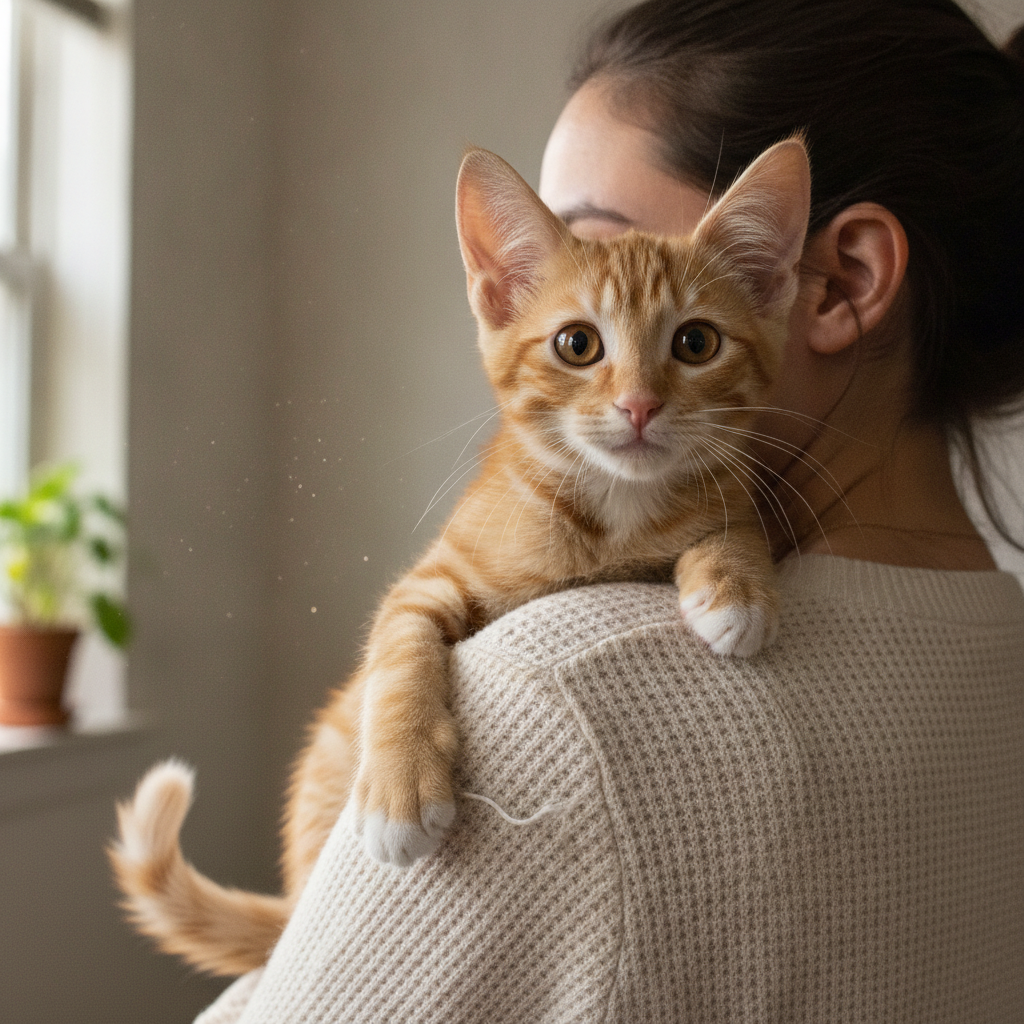
Bonding. Load these weeks with affection, good experiences, and gentle exposure to the household. Your puppy is learning that they’re home and safe, which is the foundation for all of it.
Potty training. Under about ten weeks, puppies can’t hold their bladder much beyond half an hour, and that stretches slowly week by week. So either take your puppy out constantly or keep a safe backup area (puppy pads or grass pads) available. Get them outside:
- When they wake up
- After eating
- After drinking
- After playing
- Any time they look lost or sniffy
- Roughly every 30 minutes
When in doubt, out you go. The instant your puppy finishes peeing or pooping outside, deliver a high-value treat so they connect the dots. Skip the punishment for indoor accidents entirely; they’re not being defiant, they physically can’t hold it yet. Wipe it up, launder whatever needs it, and return to praising everything they’re getting right.
Socialization. Arguably the single most important thread of puppyhood (with your vet’s blessing and appropriate vaccines). It’s the gradual, positive process of showing your puppy that the world isn’t scary. A puppy class or a young-puppy-savvy trainer helps enormously, and because the critical window runs through roughly the first sixteen weeks, this is not the thing to postpone.
Name recognition. Say the name, give a treat, repeat (recruiting volunteers for this “hard” job is never a problem). Soon your puppy’s head snaps toward the sound, expecting good things. One small milestone, banked.
12 to 16 weeks
Keep socializing. The window is closing but not shut. Keep chasing new, positive experiences. You’d rather bring your puppy everywhere anyway.
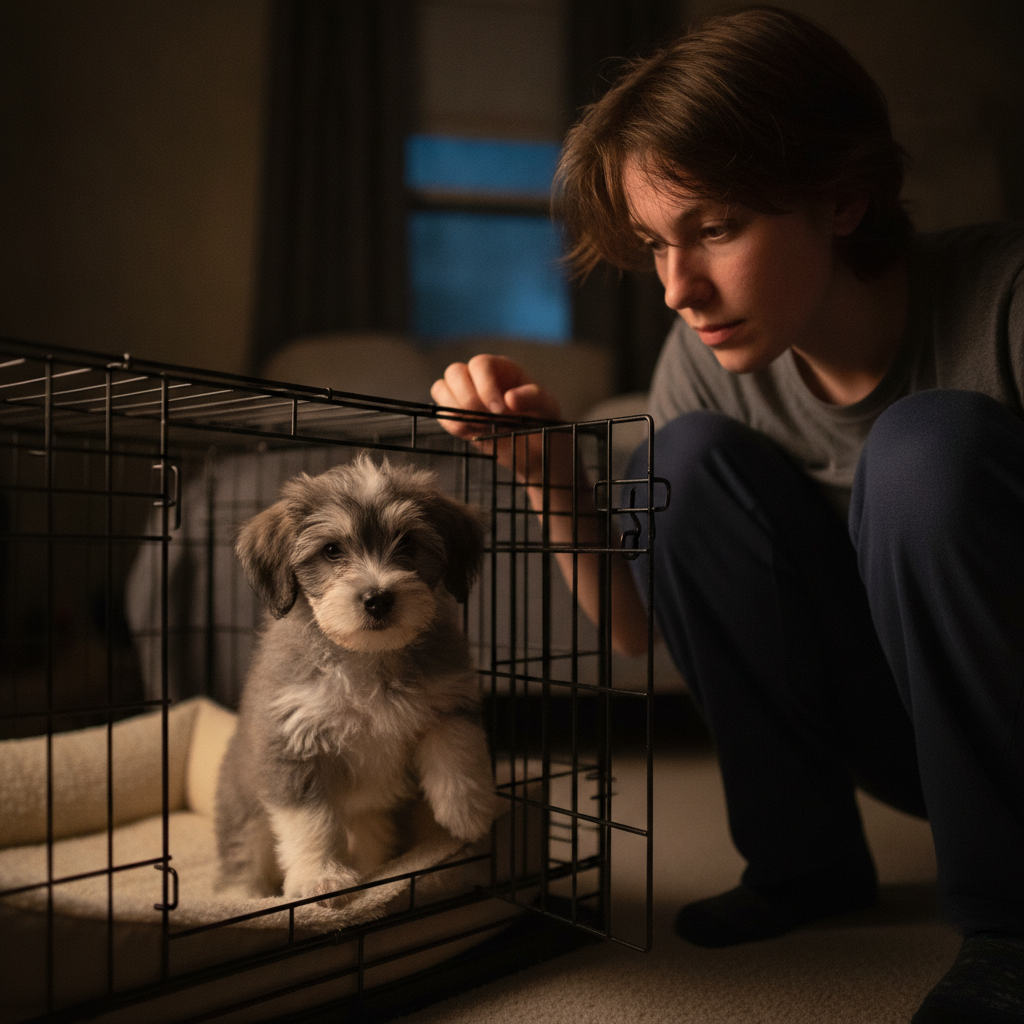
Home-alone training. Dogs aren’t born knowing how to be alone; it’s a skill built on good experiences in a safe spot like a pen, crate, or puppy-proofed room stocked with treats, toys, and a comfy bed. Start with seconds and minutes and stretch it only as your puppy stays comfortable. A little vocalizing is normal, but frantic whining, crying, or barking means distress, so don’t let them “cry it out.” If a week of practice isn’t moving the needle, bring in a positive-reinforcement trainer before it snowballs.
Bite inhibition. Puppies bite. Constantly. It’s normal, and part of your job is teaching them that toys and other dogs are for mouthing but human skin is delicate. Over several months you gradually shape softer mouths, redirecting to a toy when play gets too sharp.
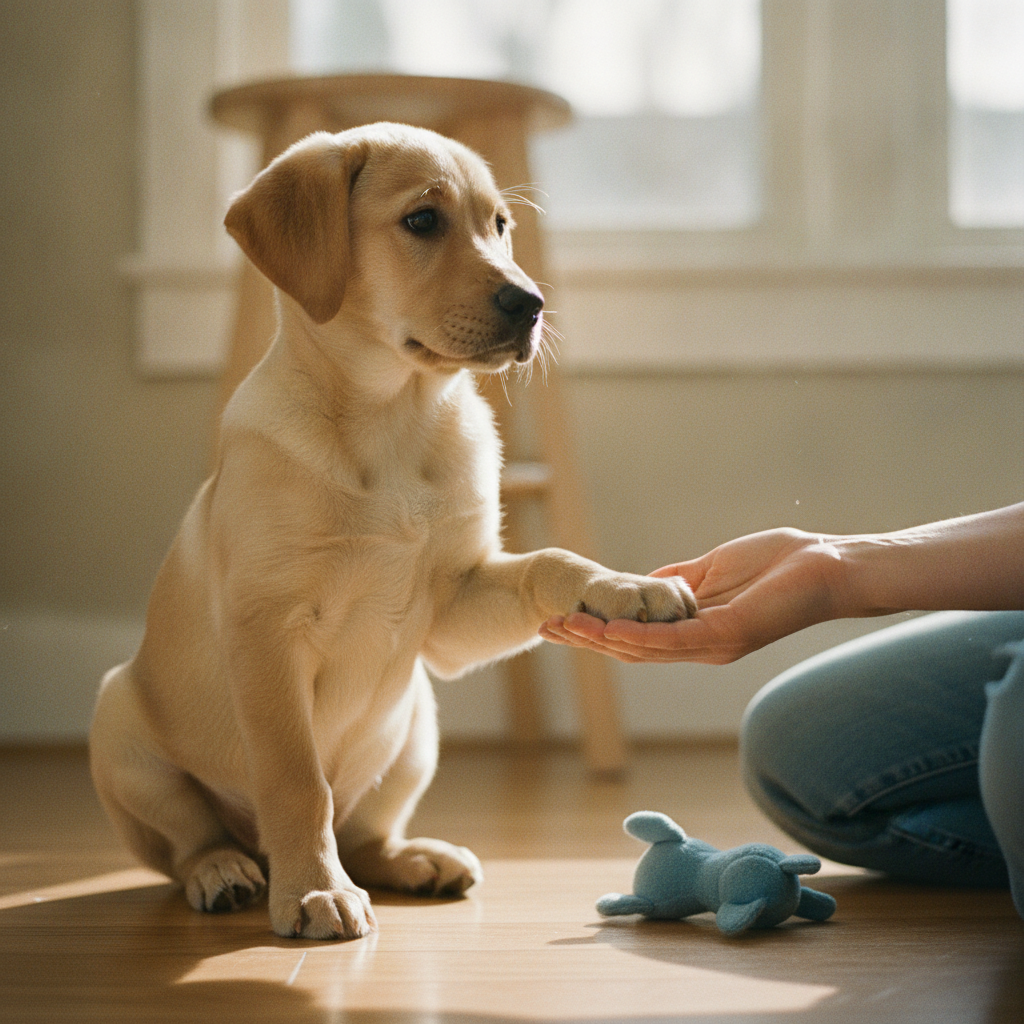
Basic cues. A good moment to open a few lines of communication. My top three to start with:
- Touch, or hand target
- “Drop it” or “leave it,” beginning as a friendly trade for a treat
- Offered attention, where they choose, on their own, to look up at you
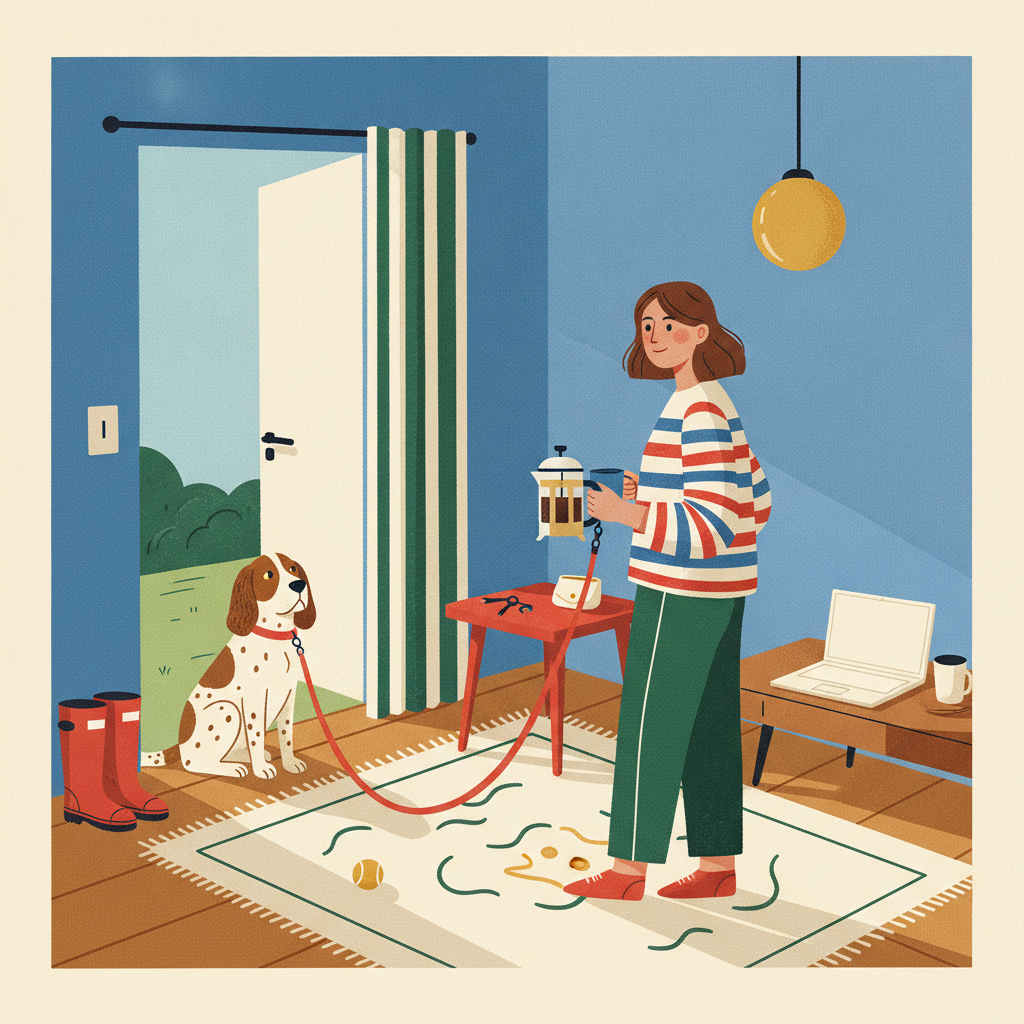
Leash introduction. You’ll be refining leash walking for months, so just begin: clip it on, let them drag it around, and reward any moment they walk near you. A harness is the kinder choice for a young puppy learning the ropes, and honestly for dogs of any age, since it spares the neck.
16 to 24 weeks
Don’t rush. Learn who your puppy is and what the two of you actually need. There’s endless time to add behaviors later. Right now, cement a few foundational skills, keep socialization rolling, and make walks about sniffing, comfort, and connection. Your puppy is absorbing new sights and sounds with ease and, most importantly, bonding with you. Slow down and enjoy it.
Half a year in, and after
Once your puppy reaches six months, expect a working grip on basic cues, potty training, crate time, and getting along with other dogs. Keep the momentum:
Reinforce cues. Consistency is everything. Keep practicing known cues, gradually adding distance, especially for recall, and rehearse them in more distracting places to proof them.
Hold the structure. Your puppy still needs the rules. Loosen up too much and you may see chewing or accidents creep back, so keep the schedule and keep training so you don’t lose hard-won progress. Bathroom breaks can space out further as their body matures.
Why starting early pays off
Early training is really about installing the manners you’ll want once your puppy is bigger. It’s a lot easier to scoop up a fifteen-pound puppy who’s ignoring you than to reason with a seventy-pound adult doing the same. A few more reasons to begin now:
- Puppies learn fastest across roughly the eight-to-20-week stretch, while their brains soak up everything and their energy runs high.
- Early on, you are your puppy’s entire world, so their attention is easy to win and hard to distract.
- Training together is genuine bonding. Your puppy learns that you’re invested and actually enjoy their company.
What newer guidance emphasizes
If the plan above feels light on obedience, that’s on purpose, and it reflects where trainer and veterinary-behavior thinking has moved. The heavier weight now sits on socialization and emotional foundations, not on a long trick list, because a young dog’s biggest lifelong risks are behavioral, fear and anxiety, more than a missing “shake.” The other durable point of agreement, straight from the American Kennel Club, is which cues actually matter first: sit, stay, down, heel (loose-leash walking), and come. Master that short list, keep your puppy feeling safe and social, and you’ve done the real work of the first six months.
References
- Puppy Socialization Position Statement — American Veterinary Society of Animal Behavior
- Teaching Your Puppy Basic Commands — American Kennel Club
- Positive Reinforcement Training — Humane World for Animals