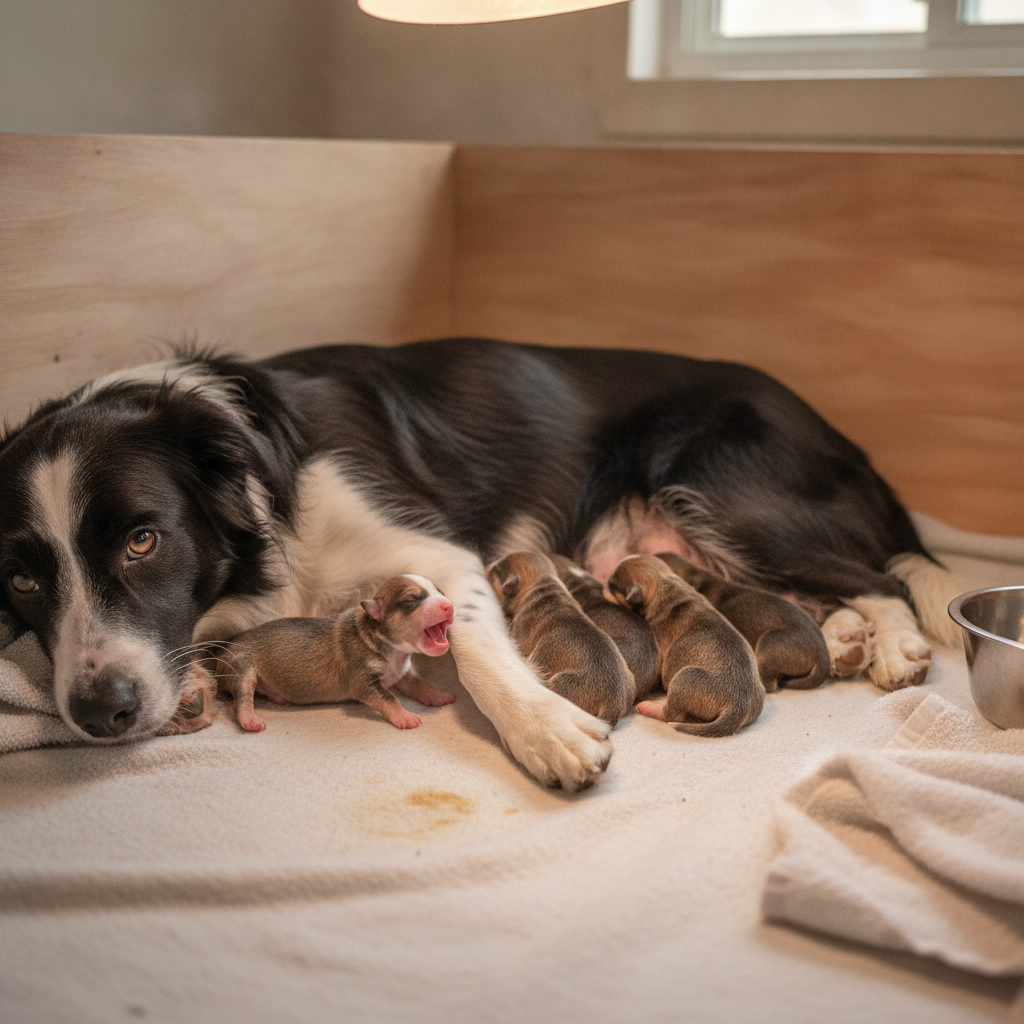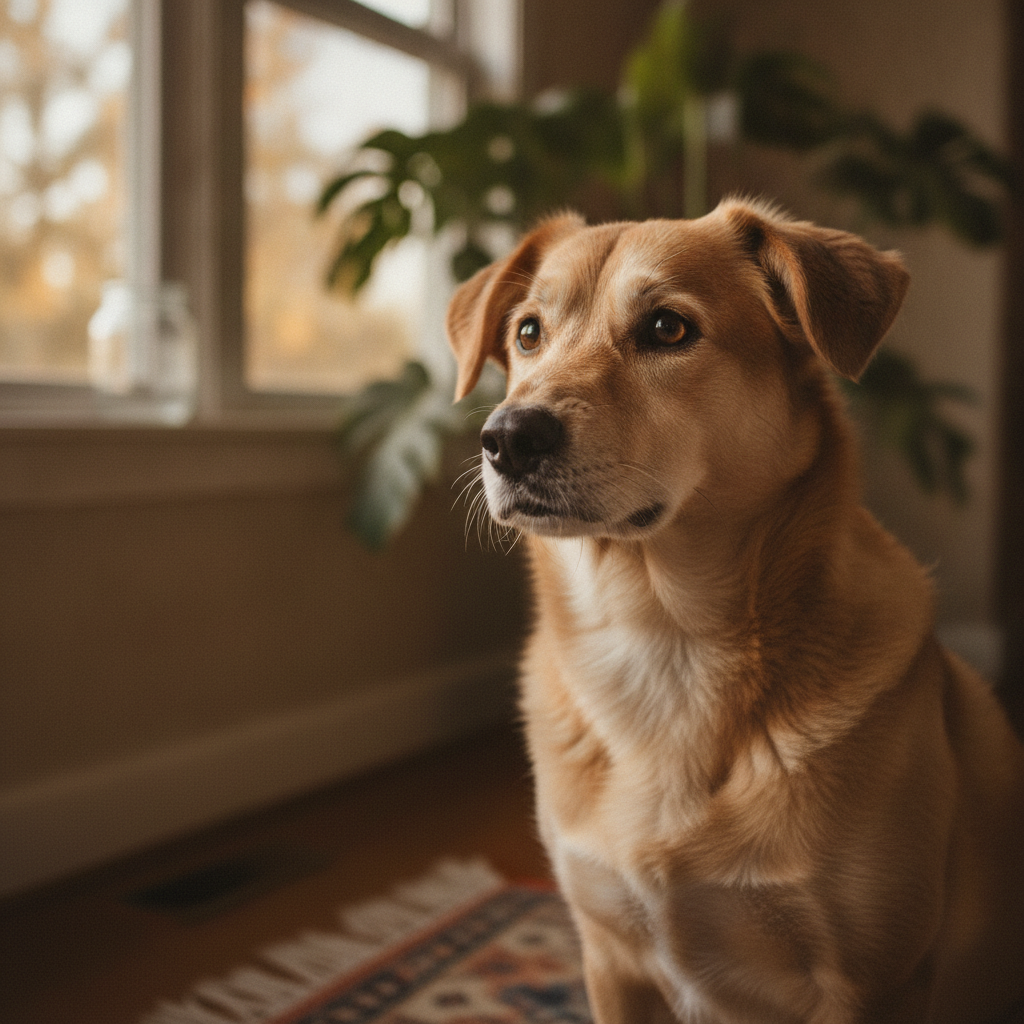
Somewhere out there is a dog owner staring at their pale, milky-tan adult dog and scrolling back through puppy photos of a small, chocolate-dark creature, wondering if they somehow swapped animals. It happens constantly, especially with breeds like the Havanese, whose puppies can start out deep brindle and grow up several shades lighter. The instinct is to treat it as a fun mystery. It is not a mystery. A dog’s coat is programmed to change, and most of the time the color swap is the least interesting thing about it.
Here is the more useful way to think about your dog’s fur. The color is mostly a genetic decision made before you ever met them. What actually deserves your attention is the coat itself, its texture, density, shine, and whether a change is happening evenly across the whole dog or showing up in specific patches. That last distinction is the one that separates “totally normal” from “call the vet,” and almost nobody talks about it. So let’s.
Why coats change at all
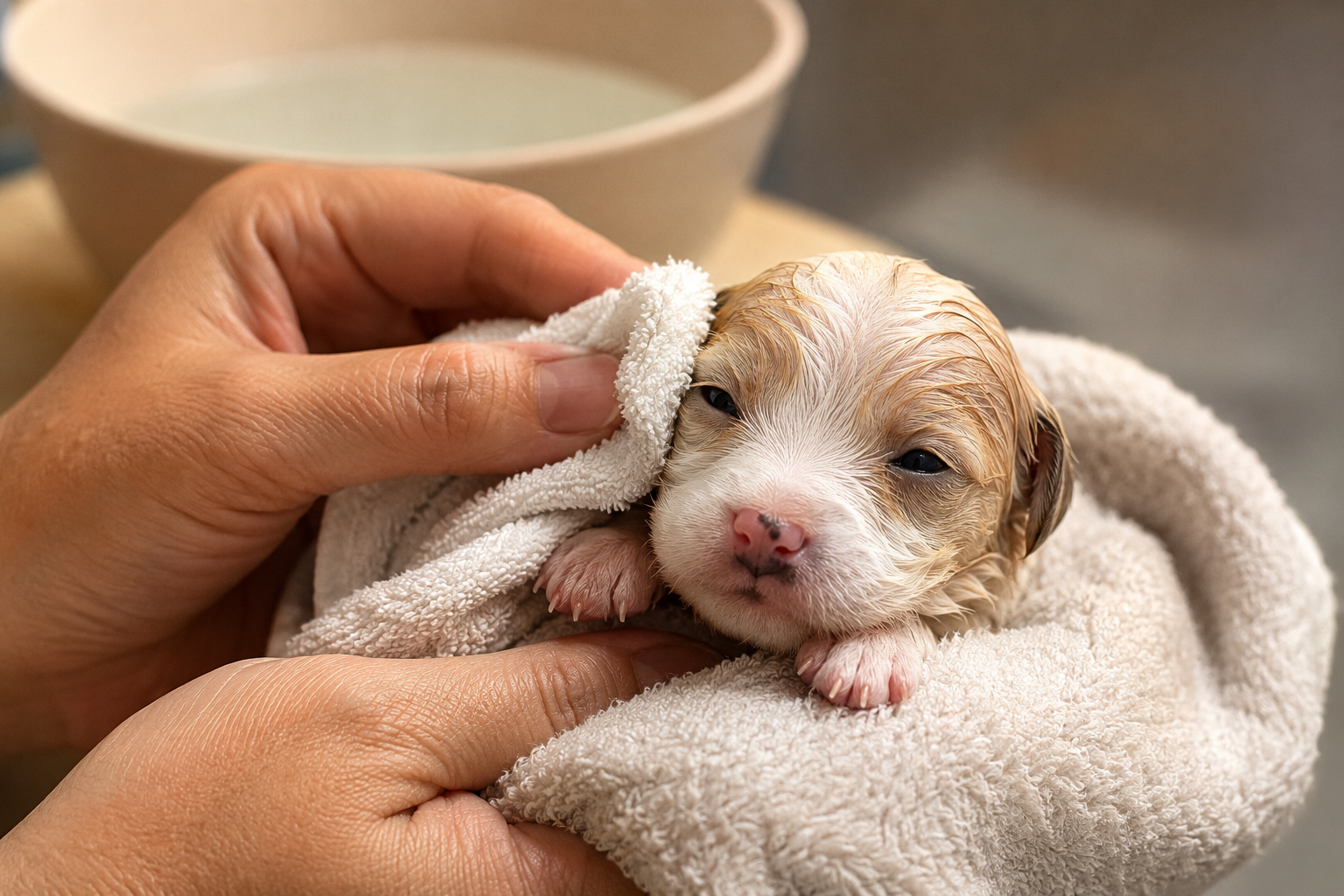
Puppy fur and adult fur are two different things. That newborn fuzz that looks like it peeled off a cloud is thinner and softer than what comes next. As a dog matures, the hairs grow in denser and coarser. Picture a Golden Retriever: a fluffy little ball as a puppy, then an adult with a coarse, water-shedding topcoat over a thick undercoat built for cold water. The change from baby fuzz to grown-up coat is where most color shifts sneak in.
How that transition looks depends on the dog. Some shed the puppy coat noticeably before the adult hairs arrive, while others simply add the adult coat on top of what they already have. And the coat keeps evolving for life. Senior dogs often lose some of the shine and depth of color they had in their prime, going a little duller, and, just like us, many go gray around the muzzle and face. Some lose density with age too.
“Color change from puppy to adult is baked into a dog’s genetics, and it is almost never something to fix,” says Dr. Mara Chen. “What I actually want owners watching is the quality of the coat. A dog whose fur is glossy and even is usually a healthy dog. A dog whose coat suddenly turns brittle, patchy, or dull in one area is a dog telling me to look closer.”
Some dogs change a little. Some change dramatically.
During the puppy-to-adult switch, plenty of dogs simply lighten or darken by a shade or two. Others transform. How much depends entirely on breed and genetics, within limits. A yellow Lab is not going to mature into a chocolate Lab, because that is not how their color genes work. But according to the American Kennel Club, the breeds famous for dramatic color shifts as they mature include the Dalmatian, the Bedlington Terrier, the Kerry Blue Terrier, and the Shih Tzu. A jet-black puppy of one of these breeds can end up a completely different color as an adult.
If you have a new puppy and you are dying to know what is coming, do a little detective work. Research the breeds you suspect are in the mix, since color-change tendencies run along breed lines. And if you want to get genuinely scientific, coat-color-and-trait calculators exist, such as the one from Paw Print Genetics, where you can enter the genetic markers of the parents and get a read on how the litter is likely to turn out. If you can decode the results, you are ahead of most of us who slept through high school biology.
The part that matters: color change “in spots”
Here is where the shrug turns into a second look. An even, all-over lightening or darkening as a dog matures is almost always normal. A color change confined to a spot or a patch is a different conversation, because sometimes the fur is changing because the skin underneath it changed.
Some patchy changes are benign. Older dogs commonly develop scattered gray or white hairs, and a condition called vitiligo can turn small areas of fur and skin white as pigment cells switch off, harmlessly. Certain breeds also just develop patterned changes with age.
But a new patch of discoloration can also be a symptom. Reddish-brown staining, most visible on light-colored dogs, is often saliva staining from a dog licking or chewing the same spot, which points to an itch, an allergy, a joint that aches, or anxiety. Darkening and thickening of the skin in a patch (hyperpigmentation) can follow chronic inflammation or a hormonal problem. Hair that thins and loses color in a specific area can signal a skin infection or an endocrine issue. The tell is context: if the color change comes with itching, licking, odor, flaking, redness, a bald patch, or the dog fussing at the area, that is a reason to see your vet rather than a fun genetics story.
Your dog’s coat is a health dashboard
This is the real reason to pay attention to fur. Whatever color your dog lands on, the coat is one of the most visible readouts of their overall health. The AKC’s own benchmark is simple: a healthy coat, whatever its length, should look glossy and supple, with no flaking, no bald patches, and no greasy buildup. When a coat drifts away from that, it is often the first sign that something else is off.
The best things you can do to keep a coat glossy and even are unglamorous and effective: a good, complete diet your vet signs off on, and regular checkups. Because some coat changes really are tied to disease, keeping your dog on solid nutrition and getting them examined on schedule is how you catch the difference between “growing up” and “getting sick” before it becomes a bigger problem.
What newer research adds
Coat-color genetics has moved from guesswork toward the mail-order lab. Commercial DNA panels now test for many of the specific genes behind coat color, dilution, and even color-linked conditions, so owners and breeders can predict adult color, and screen for color-related health issues, far more precisely than a decade ago. One worth knowing about: color dilution alopecia, a genetic condition seen in some “blue” and “fawn” dilute-coated dogs, where the diluted color comes packaged with thinning, brittle hair. If your dilute-colored dog is losing coat in patches, that is a specific thing to raise with your vet rather than a normal fade. The broader point holds, though: for most dogs, color change is just growing up, and the coat’s texture and evenness tell you far more than its shade ever will.
References
- American Kennel Club. “Why Do Some Dogs’ Coats Change Color?” AKC Expert Advice.
- Paw Print Genetics. “Canine Coat Color and Trait Calculator.” Paw Print Genetics.
- Merck Veterinary Manual. “Hair Loss (Alopecia) in Dogs.” Merck Veterinary Manual, Pet Health.