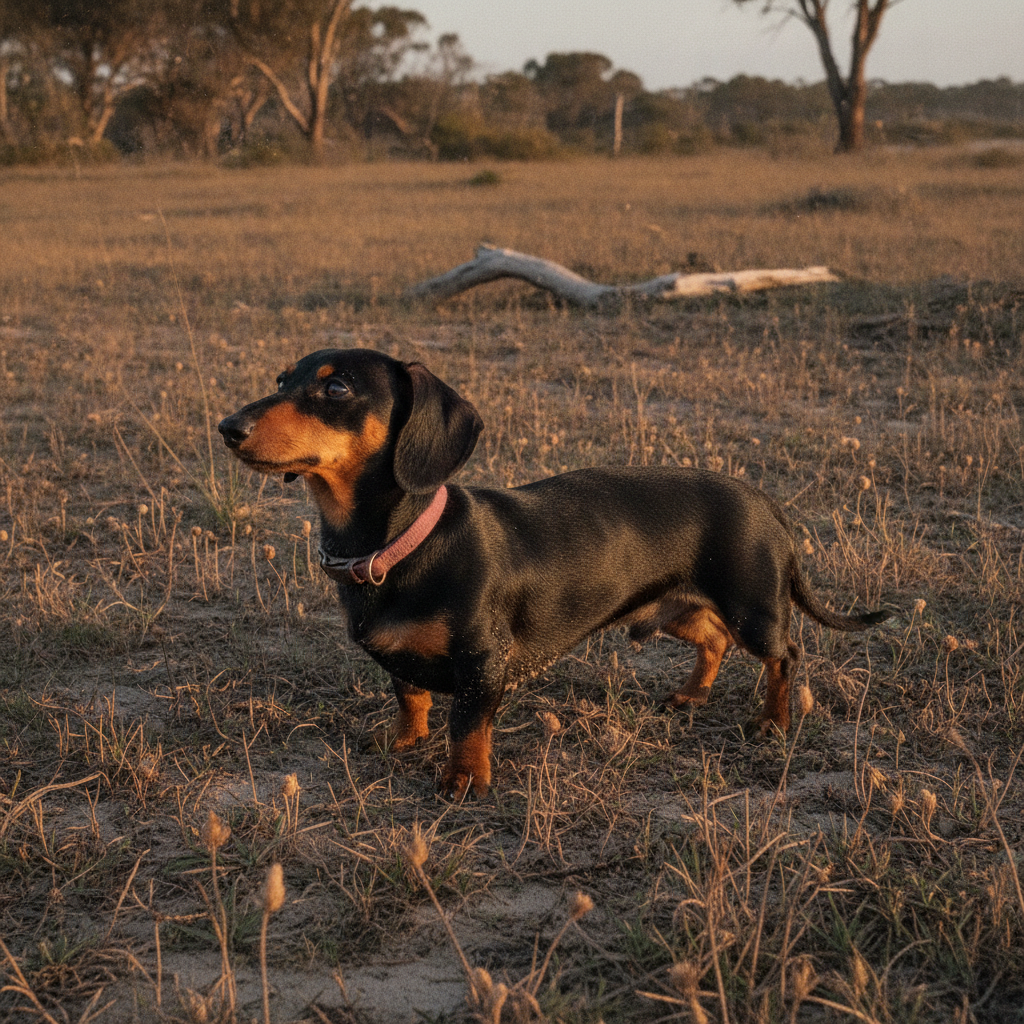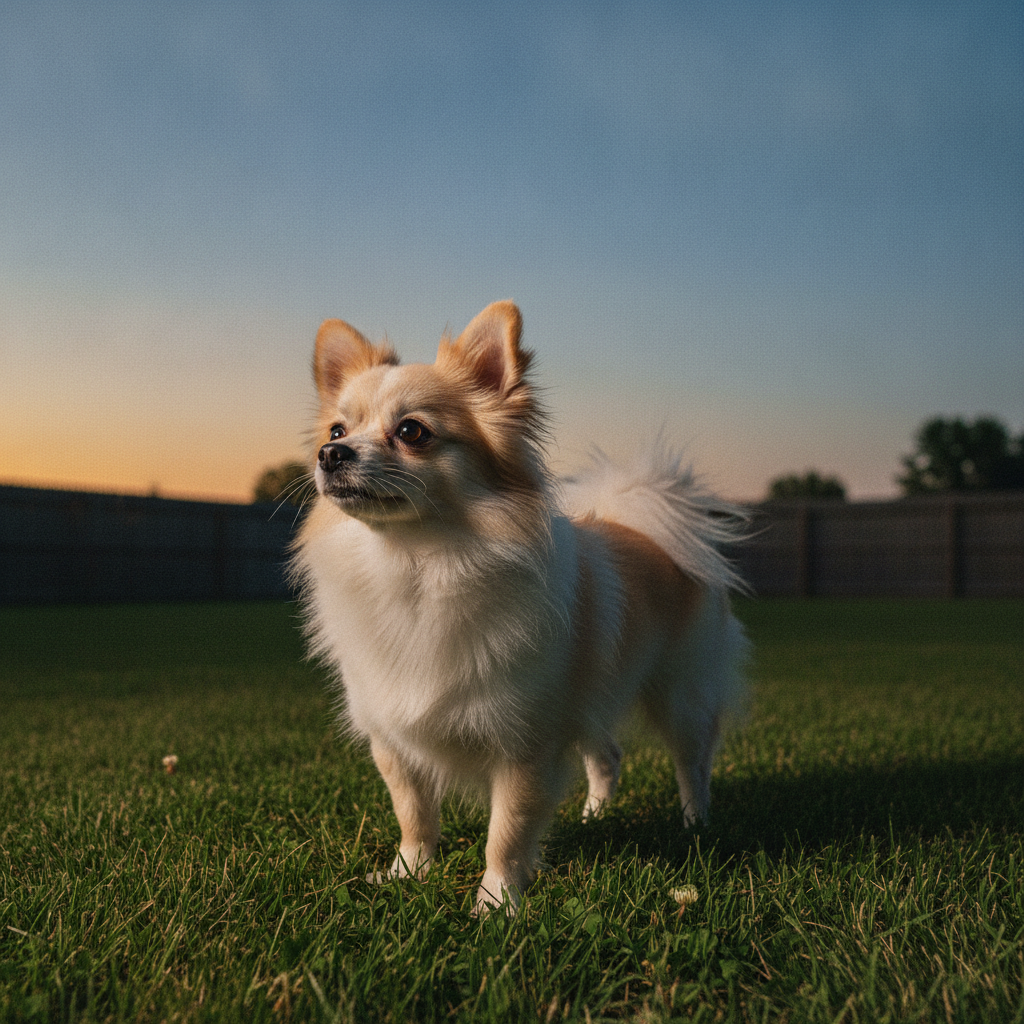
We are diligent about the ground. We fence the yard, latch the gate, check for gaps a dog could wriggle through, and clear the beds of anything toxic. Then we open the back door at dusk, let a small dog trot out alone, and go back inside. And dusk is precisely when the danger we never planned for is waking up.
A bird of prey doesn’t distinguish between a rabbit, a rat, and a small dog. To a hungry hawk or owl, they’re all the same category: prey. Attacks on dogs by raptors are more common than most owners imagine, and the fix isn’t fear, it’s looking up.
The birds are stronger than they look
It’s tempting to assume a bird couldn’t do much to a dog. That assumption underestimates raptors badly. Consider the Great Horned Owl, responsible for the most attacks on dogs of any bird. Its grip strength runs somewhere between 200 and 500 pounds per square inch, in the same league as a bald eagle and many times the crushing force of a strong human handshake. Its talons are so locked-in that it takes about 28 pounds of force to pry a clenched foot open, and a roughly three-pound owl can fly off carrying prey heavier than itself. These are not birds that need to be big to be dangerous.
The weight math for dogs is sobering. Any dog beneath roughly 20 pounds falls squarely into hunting range. Attacks are on record for dogs as heavy as 60 pounds, and while a dog being carried off and killed is uncommon, it happens often enough that precautions are worth it. In documented cases, small dogs have been snatched from a leash on an evening walk and from a backyard within earshot of their owners. Puppies, along with cats, kittens, ferrets, guinea pigs, rabbits, and chickens, are all on the menu, and fiercely nesting raptors will even go after animals and people far larger than their usual prey.
Know your local offenders
It isn’t only hawks. A handful of raptors account for most trouble.
The Great Horned Owl (Bubo virginianus) tops the list. It’s common in cities and suburbs, a master of camouflage, and nearly silent in flight, mostly nocturnal but active in daylight during winter, so it strikes when you least expect it. The Northern Goshawk (Accipiter gentilis) is next, found across the northern states, Canada, and Alaska, favoring older forests near water and fiercely defending its territory. Red-Tailed Hawks (Buteo jamaicensis) are widespread and adaptable, thriving from deserts to suburbs across most of the continent. Round out the watch list with the Great Gray Owl, Barred Owl, Cooper’s Hawk, and Sharp-Shinned Hawk. Which ones matter most depends on where you live, so it’s worth learning your local raptors.
How to keep your dog safe
The through-line of every good precaution is the same: make your dog a harder, less appealing target from above.
Above all, stay outside with your small dog. Raptors hunt animals that look unguarded, and a visible human nearby is usually enough to make a bird move along. If you need to leave a small dog outdoors unattended, a covered enclosure is the gold standard, the roof blocks talons from above while the fencing handles threats at ground level, and it throws in shade and rain shelter for free. Short of that, keep the dog beneath tree cover or tucked in close to shrubs, which break a bird’s line of sight and its attack path. Taking more than one dog out at once helps too; a group reads as more intimidating than a lone target.
A few environmental tweaks stack the odds further. Hang moving, shiny objects like reflective streamers, which have a track record of spooking hawks. Don’t scatter birdseed on the ground, since it draws the mice, squirrels, and small birds that raptors come to hunt, and it advertises your yard as a buffet. Move feeding inside and sweep up dropped kibble for the same reason. For walks and open outdoor time, a talon-proof or spiked protective vest adds a real physical barrier for the smallest dogs. And when you can, steer clear of the spots where your local raptors are known to work, especially around dawn and dusk, their prime shifts.
“The single highest-value habit is just being out there with a small dog at dawn and dusk, not letting them out solo,” says Dr. Mara Chen. “Most of the close calls I hear about happen in those low-light windows when an owl is active and the dog is alone for ninety seconds. You don’t need to live in fear. You need to treat a five-pound dog outside at twilight the way you’d treat a toddler near a pool, present and watching.”
The legal line you cannot cross
One hard rule that catches people off guard in the panic of an attack: you may not harm the bird. Every raptor carries federal protection under the Migratory Bird Treaty Act. Hurting one, trapping it, killing it, or disturbing a nest or its chicks is a crime, full stop. Protecting your dog is not a legal defense, and going after a protected raptor can bring steep fines, jail time, or both. Your job is prevention and, if a bird is present, scaring it off, never hurting it.
The upside
Here’s the reassuring part. Almost everything on this list, staying present, using cover, keeping food indoors, watching the twilight hours, also protects your dog from the other predators that share your neighborhood: coyotes, foxes, loose dogs, even bears in some regions. You’re not building a bunker against one specific bird. You’re closing the one blind spot that a thorough, ground-level dog-proofing job always leaves open, the sky, and in doing so you make the whole yard safer.
References
- Great Horned Owl (All About Birds, Cornell Lab of Ornithology)
- Migratory Bird Treaty Act (U.S. Fish & Wildlife Service)
This article covers wildlife safety for small dogs. If a bird of prey injures your dog, treat puncture wounds as an emergency, talon and beak injuries carry a high infection risk, and see a veterinarian promptly.