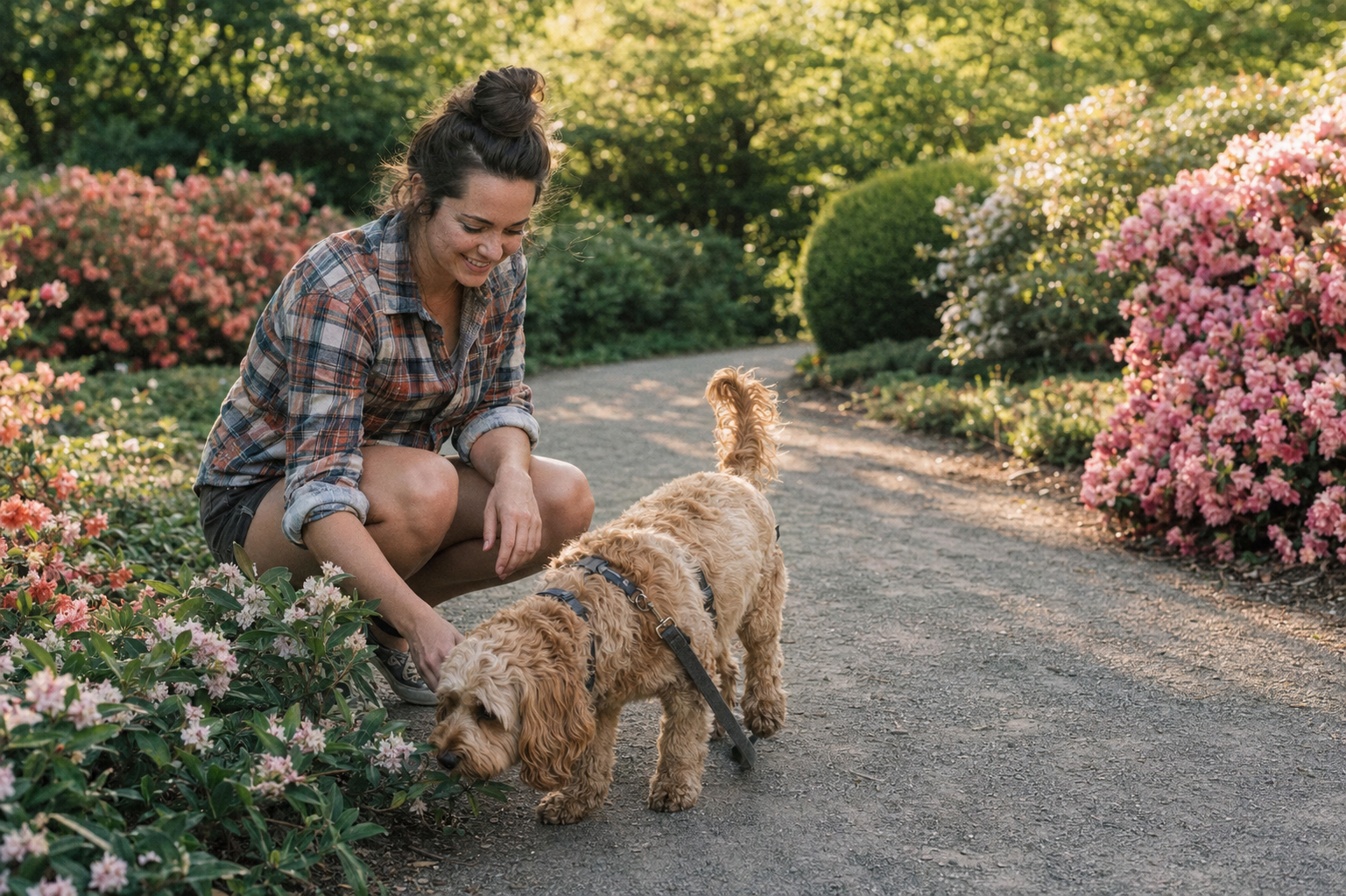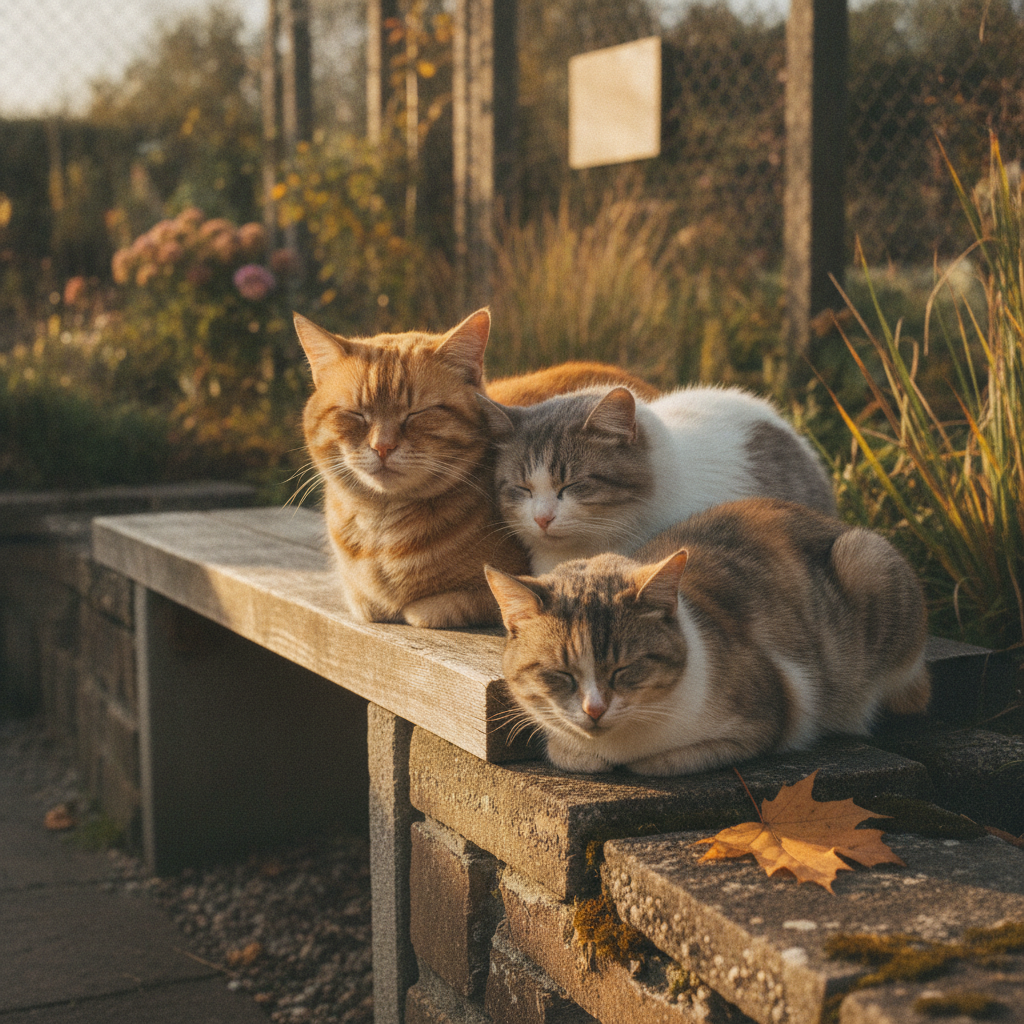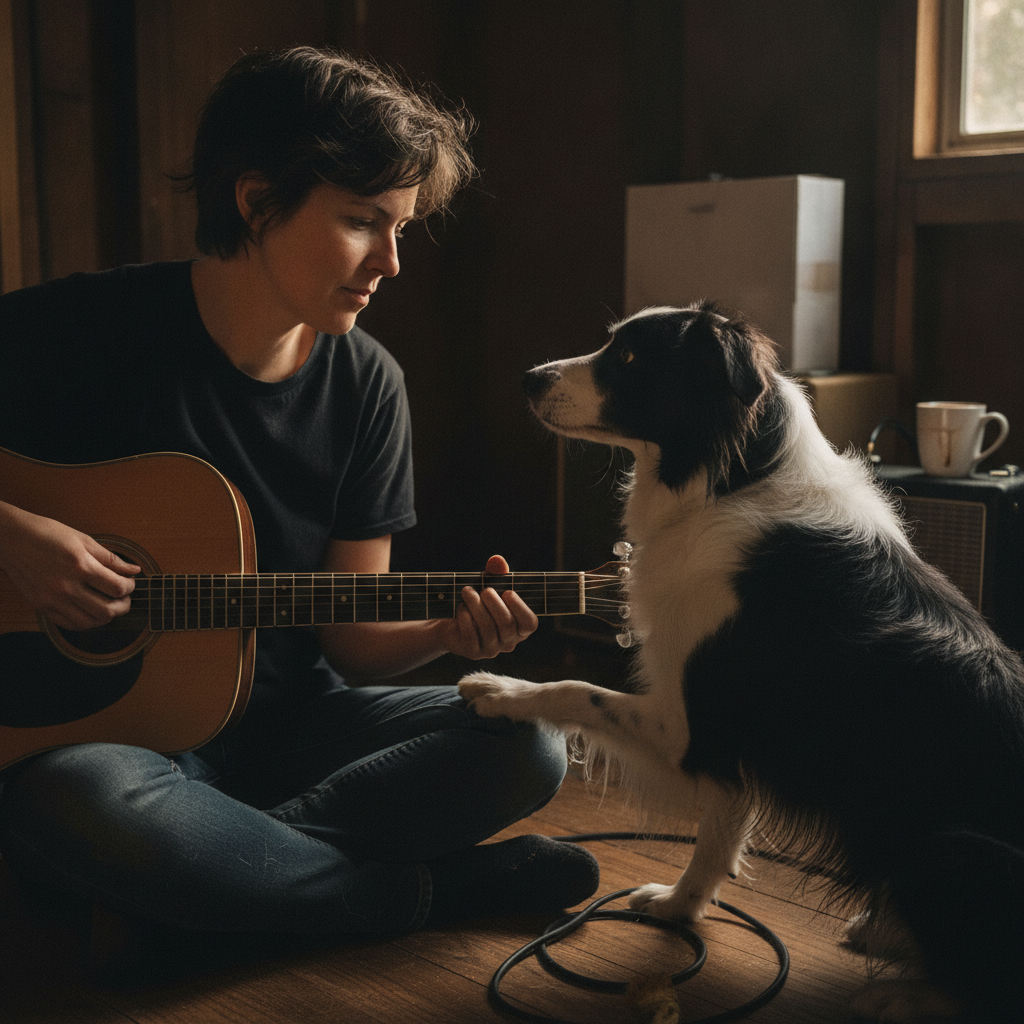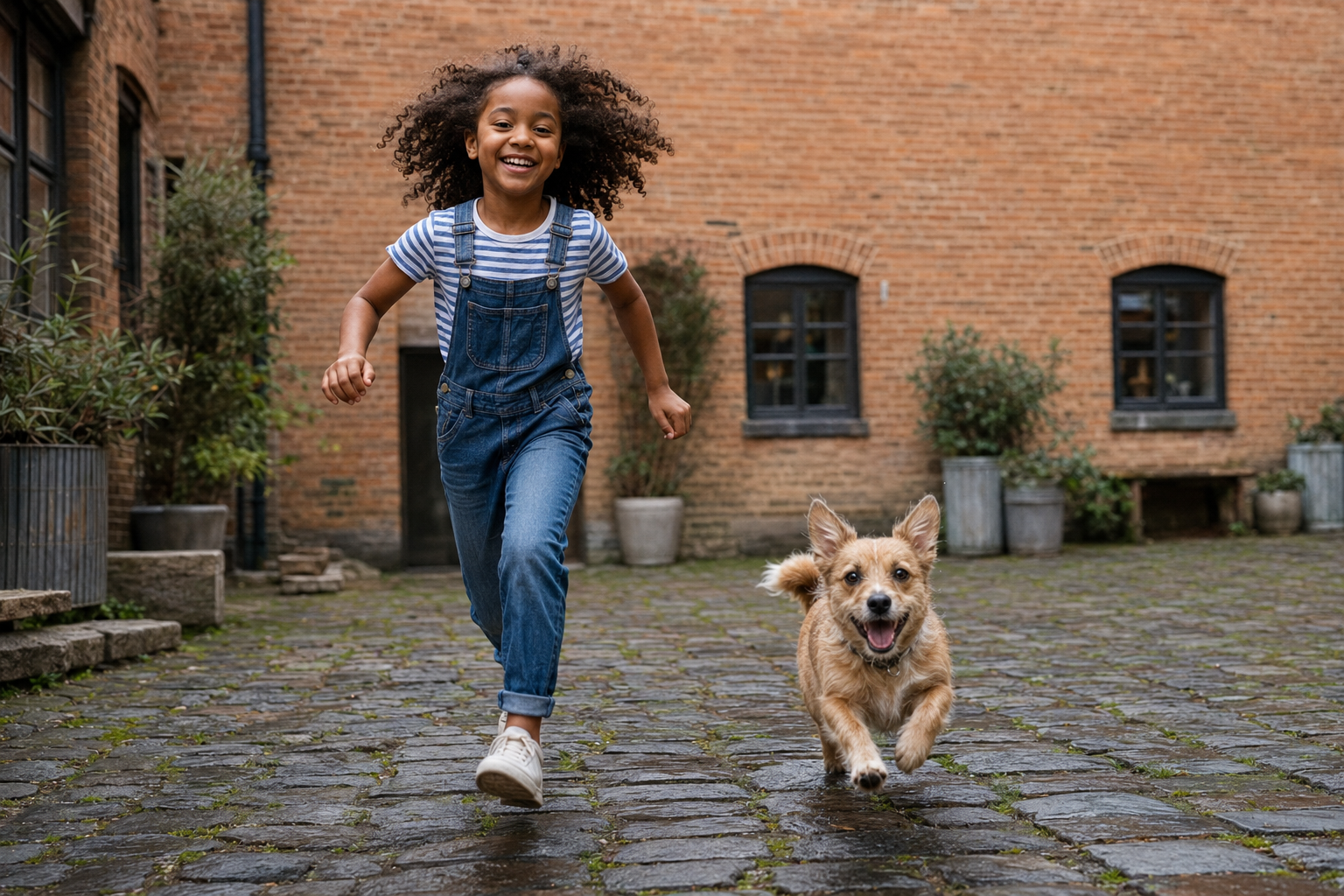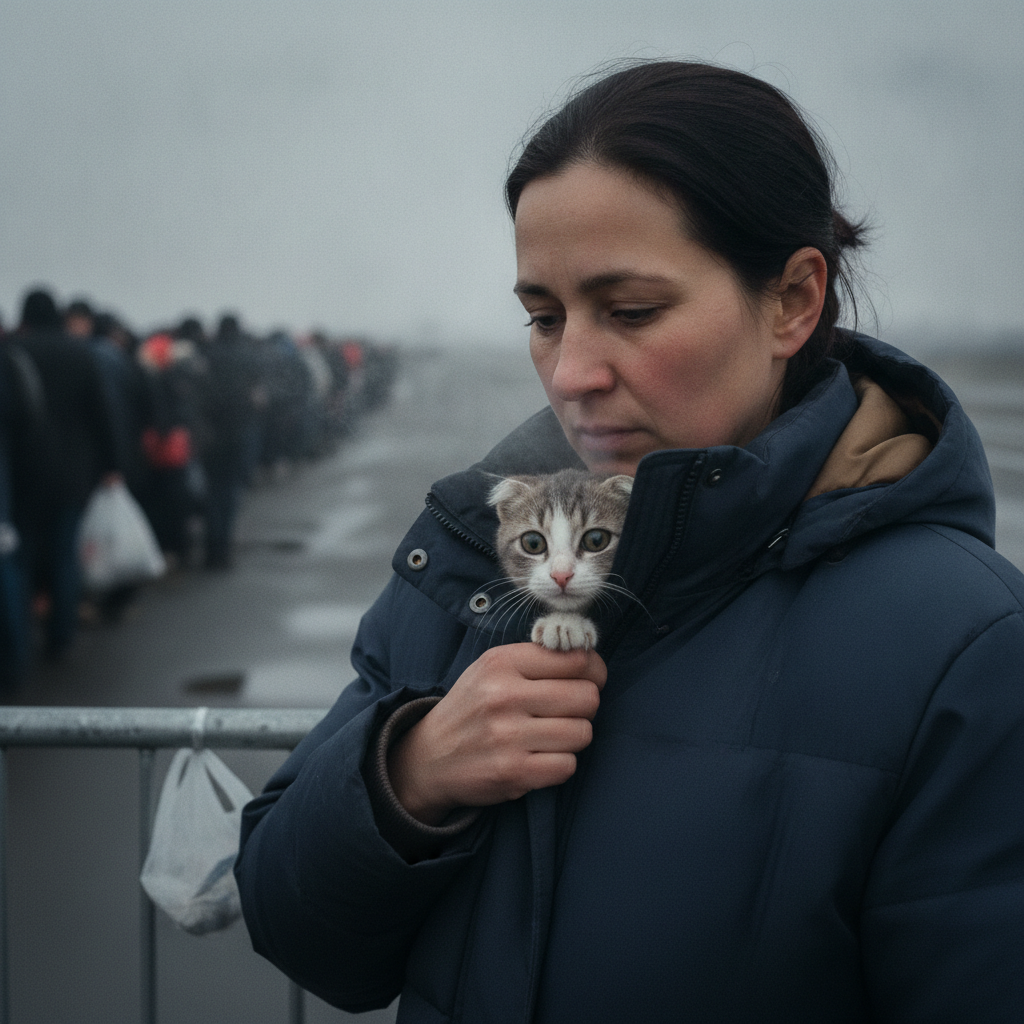
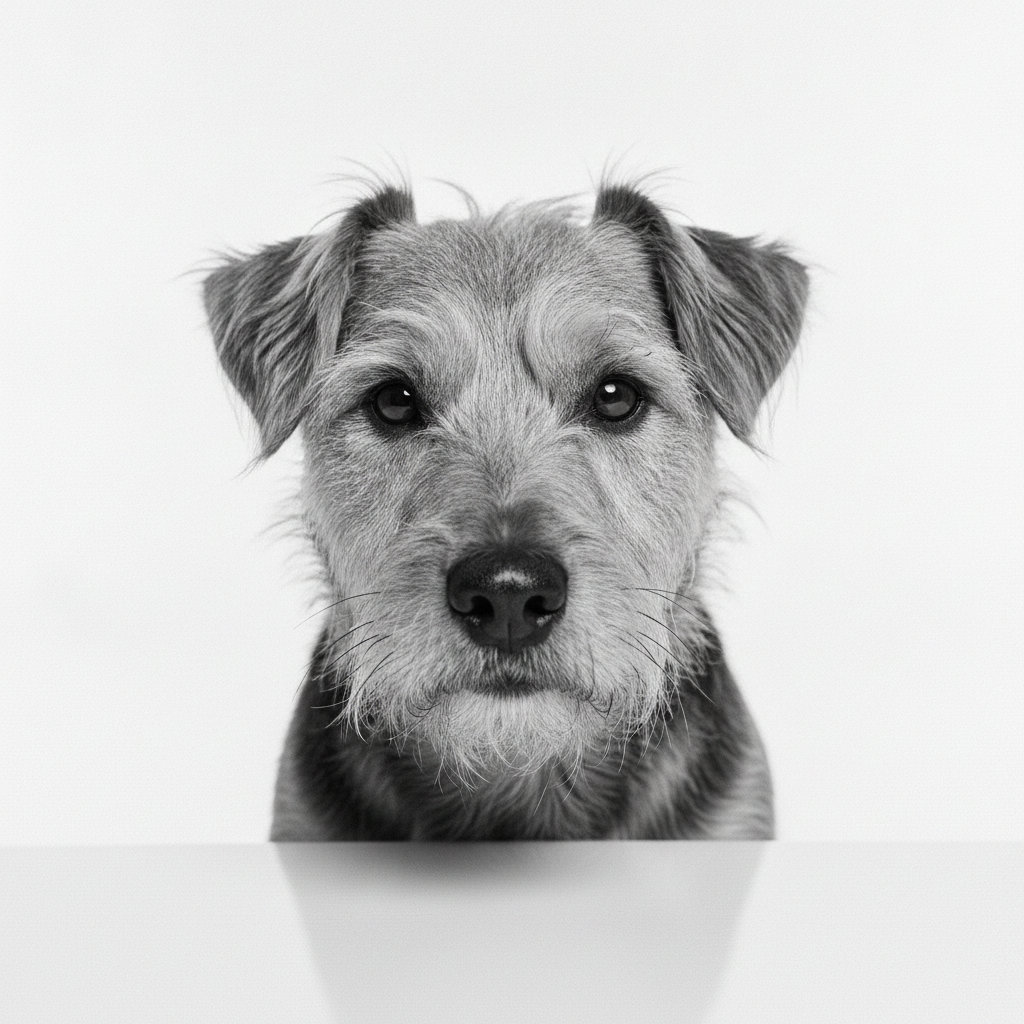
There is a particular magic to a great pet portrait: the image is funny, obviously, because it is an animal, and yet the best ones are also strangely dignified, as if the dog or cat is contemplating something far more serious than dinner. That tension, hilarious and solemn at once, is exactly what a portrait photographer chases, and it turns out you can get surprisingly close to it with the phone already in your pocket.
The tips below come from Jason Nocito, a photographer whose subjects have ranged from Grimes and George Clooney to Lil Wayne, Post Malone, and Billie Eilish. He has also turned his eye on pets, developing a set of phone-portrait techniques for an Apple “Shot on iPhone” campaign built around a dramatic, high-key black-and-white portrait look. His framing on the whole endeavor is worth keeping in mind: pets are funny, and the pictures are funny, but if you look at them right, they are also kind of serious. Shoot for that.
Here are seven rules to get you there.
1. Steal their attention right above the lens
The eternal problem with photographing animals is eye contact. Nocito’s fix is low-tech: hold a squeaky toy or a set of jangling keys just above your phone’s lens. Your pet looks toward the sound, which lands their gaze right down the barrel of the camera, and you get that direct, arresting look that makes a portrait feel like a portrait.
2. Shoot in soft, indirect light
If you are outdoors, skip harsh direct sun, which blows out highlights and casts hard shadows. Place your pet in indirect light instead, open shade, an overcast sky, or the soft light near a big window if you are inside. Flattering light does more for a portrait than almost anything else.
3. Keep the background simple
Position your subject in front of a plain, uncluttered backdrop, a simple wall works beautifully. A clean background removes distractions and pushes all the attention onto your pet, which is the whole point of a portrait.
4. Center your subject
For this kind of formal, face-forward portrait, put your pet squarely in the middle of the frame. It reads as deliberate and a little bit grand, exactly the mock-seriousness that makes these images land.
5. Get down to their eye level
This one is not on the original list, but every pro portrait of an animal relies on it: crouch, kneel, or lie down so the camera meets your pet at their eye level rather than looming down from human height. Shooting at their level makes them the dignified subject of the photo instead of a small thing being photographed from above. It is the single change that most reliably elevates a phone snapshot into a portrait.
6. Use Portrait mode, then push the edit
If your phone has a Portrait mode, use it for that soft, subject-separating background blur. And if you are after the dramatic black-and-white look, do not fight to nail it live. Nocito’s advice: shoot a few regular frames in Portrait mode first, then apply the high-contrast black-and-white treatment afterward in the edit. Editing after the fact gives you far more control than wrestling with a mode while your pet loses patience.
7. Shoot a lot, and shoot fast
Finally, take way more frames than you think you need. Animals move, blink, and lose interest in seconds, so volume is your friend, most of a great pet shoot is just a numbers game. Burst mode is made for exactly this: hold the shutter while your pet is engaged and let the camera fire off a rapid sequence, then scroll back and pick the one frame where everything, the eyes, the ears, the expression, lines up. That perfect shot almost always exists somewhere in the pile; you just have to shoot enough to find it.
Put together, the rules are less about gear than attitude. Give your pet good light, a clean background, your full attention at their eye level, and a lot of frames, and you stop taking cute snapshots and start making portraits.