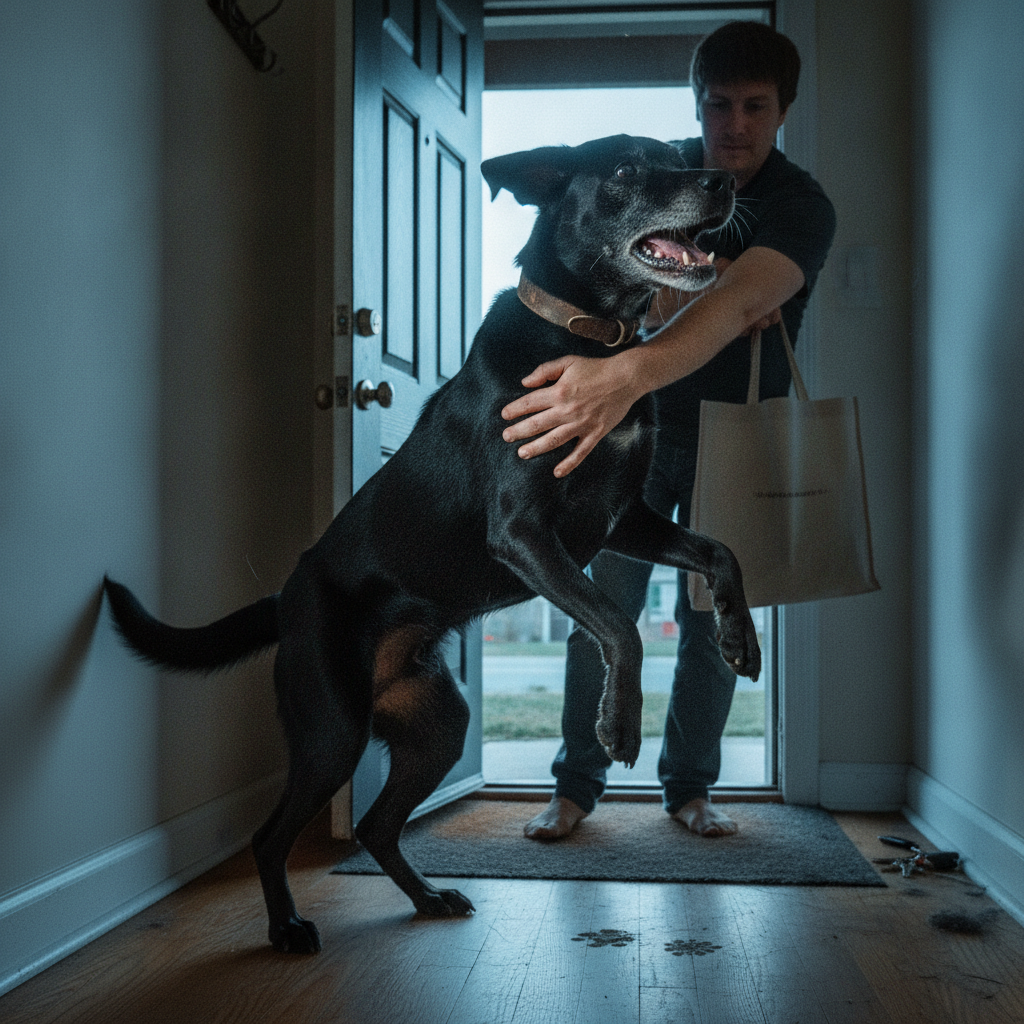

The internet has convinced everyone that dogs and cats are natural best friends, forever snuggling and grooming each other. Sometimes that is true. Often it is not, at least not at first, and the couples of animals who eventually curl up together almost never got there by being shoved into the same room on day one. You cannot control the friendship your pets will form. But like a good matchmaker, you can dramatically raise the odds with an introduction that is slow, deliberate, and, above all, back-to-front. The face-to-face meeting is the last step, not the first.
Why the door is where it goes wrong
Most botched introductions happen because the owner starts at the exciting part, the two animals meeting, and skips the unglamorous groundwork that makes the meeting safe. A dog brought straight into a home where a cat already lives can trigger an instant turf conflict, and a cat ambushed by a strange dog learns in one bad moment that the dog is a threat. Undoing that first impression is far harder than preventing it. The whole game is in the days before they meet.
Learn to read the room
Before any introduction, you need a way to tell how it is going, and since your animals cannot narrate it, you read their bodies. A loose, wiggly, relaxed dog is a green light. A stiff, staring, fixated dog, or a cat who is crouched, puffed, and flicking their tail, is a signal to slow down or stop. Learning these signs is not optional; it is the instrument panel for the entire process, and it tells you when to push forward and when to pull back before things escalate.
“The mistake I see over and over is treating the first meeting as the event, when the meeting should be almost boring by the time it happens,” says Dr. Amara Solis. “If you’ve done the scent work and the barrier work, the two animals already half-know each other. A calm, slightly bored introduction is exactly what you’re aiming for. Drama means you moved too fast.”
Start with scent, then a barrier
Begin with the animals fully separated in different rooms, no line of sight. Their first introduction should be to each other’s smell, not each other’s face. Swap bedding between them, or rub a cloth on one and set it near the other’s food bowl, so each animal comes to associate the new smell with something good. Only once both are relaxed with the scent do you let them see one another through a baby gate, a cracked door, or a screen, in short, upbeat sessions.
When you move to a real meeting, keep the dog on a leash and guarantee the cat an escape route they can take at will. Timing matters here: do not attempt the face-to-face while your dog is amped up or laser-focused on the cat. A dog who is whining, clawing at the barrier, or locked onto the cat is telling you to hold off; wait until that intensity drops before you open the gap. The step-by-step above lays out the full sequence.
Guard the resources
A huge share of early conflict is not about the animals disliking each other; it is about competition over stuff. Give every pet their own food dish, water bowl, and bed, and feed them in separate rooms at first. Keep toys and chews picked up rather than lying around to be fought over. A new dog can take about three months to feel truly at home, and until they are fully settled, their instinct to guard their things runs higher, so stay cautious with food and chews for that whole window.
Everyone needs an escape hatch
Both animals need a place that is theirs, where they can decompress away from the other. A crate or a couple of baby gates can carve out a retreat where the new dog decompresses and the resident cat gets a break from the intruder. For cats specifically, the escape route should go up: vertical space like cat trees, shelves, and counters lets a cat remove itself from a dog entirely, watch from a safe height, and feel in control, which does more to lower feline stress than almost anything else.
Supervise, then be patient
As the two get to know each other, watch their interactions closely. Praise calm, appropriate behavior, and if you see stiff body language, growling, or a hard stare, calmly redirect your dog’s attention and separate them for a bit. For at least the first three weeks, do not leave them alone together; when they are in the same space, you are actively supervising, and you do not leave them loose in the house together until you are genuinely confident they are comfortable.
The biggest error, by far, is rushing. Helping two animals learn to share a home is a process that sometimes clicks in days and sometimes takes months, and skipping steps to speed it up usually backfires. If weeks of careful work still produce fear, fixation, or any predatory intensity from the dog, that is the point to bring in a certified behaviorist rather than pushing through, because a dog who sees the cat as prey needs professional guidance, not more exposure. For most households, though, patience is the whole secret. Do the quiet work up front, keep the meeting calm, and let the relationship build on its own schedule.
This piece covers animal behavior and introductions; if you see genuine aggression or predatory behavior, consult your veterinarian or a certified applied animal behaviorist.