The weight-loss drug conversation that swallowed human medicine is now coming for the pet food bowl. A biotech company called Okava is developing a GLP-1 weight-loss therapy for dogs and cats, and unlike a lot of “someday” pet-health headlines, this one has actually reached the clinic. The first cat has been dosed. Trials are running. And the target price is roughly $100 a month.
Before anyone pictures a puppy with an Ozempic pen, here’s the honest framing: this is early, it’s aimed first at cats, and it is not a shortcut around the two things that actually keep a pet at a healthy weight. But it’s real enough to understand now.
Why anyone is building this in the first place
Pet obesity is not a fringe problem. According to VCA Animal Hospitals, roughly 59 percent of dogs and about 61 percent of cats now carry excess weight. That’s most of the pets in the country. And carrying extra weight isn’t cosmetic. It stacks the odds toward diabetes, heart disease, cancer, arthritis, hypertension, and a long list of other conditions that shorten lives and drain savings accounts.
Every one of those overweight pets represents an owner who has probably tried the sensible route, portioned meals, more walks, fewer treats, and hit a wall. That wall is exactly the market Okava is aiming at.
What OKV-119 actually is
Okava’s drug is called OKV-119, and it works on the same principle as Ozempic and Wegovy: it mimics a hormone called GLP-1, which helps regulate blood sugar and curb appetite. The twist is the delivery. Instead of a weekly injection, OKV-119 is designed as a small implant placed under the skin that releases the drug slowly over about six months. One placement, half a year of coverage.
That “set it and forget it” design is deliberate. Getting a cat to accept a weekly shot for the rest of its life is a tall order for most households. A twice-a-year implant sidesteps the daily and weekly friction that sinks a lot of pet medication plans.
The last time someone tried this, it flopped for a very human reason
OKV-119 isn’t the first swing at a pet weight-loss drug. Back in 2007, a product called Slentrol hit the market. It worked differently, blocking a protein involved in absorbing dietary fat, and it was eventually pulled. The interesting part is why.
The drug worked. The owners didn’t like it. Reporting at the time noted that dogs on Slentrol lost their enthusiasm for food, and for a lot of people, a pet who isn’t excited to eat feels like a pet who isn’t quite themselves. Watching your dog inhale dinner is part of the bond. Slentrol quietly broke that, and demand faded.
Okava’s leadership has said the goal this time is a pet that eats normal portions without the food obsession, still interested in meals, just without the frantic begging, scavenging, and gulping. Whether OKV-119 threads that needle is exactly what the trials need to prove.
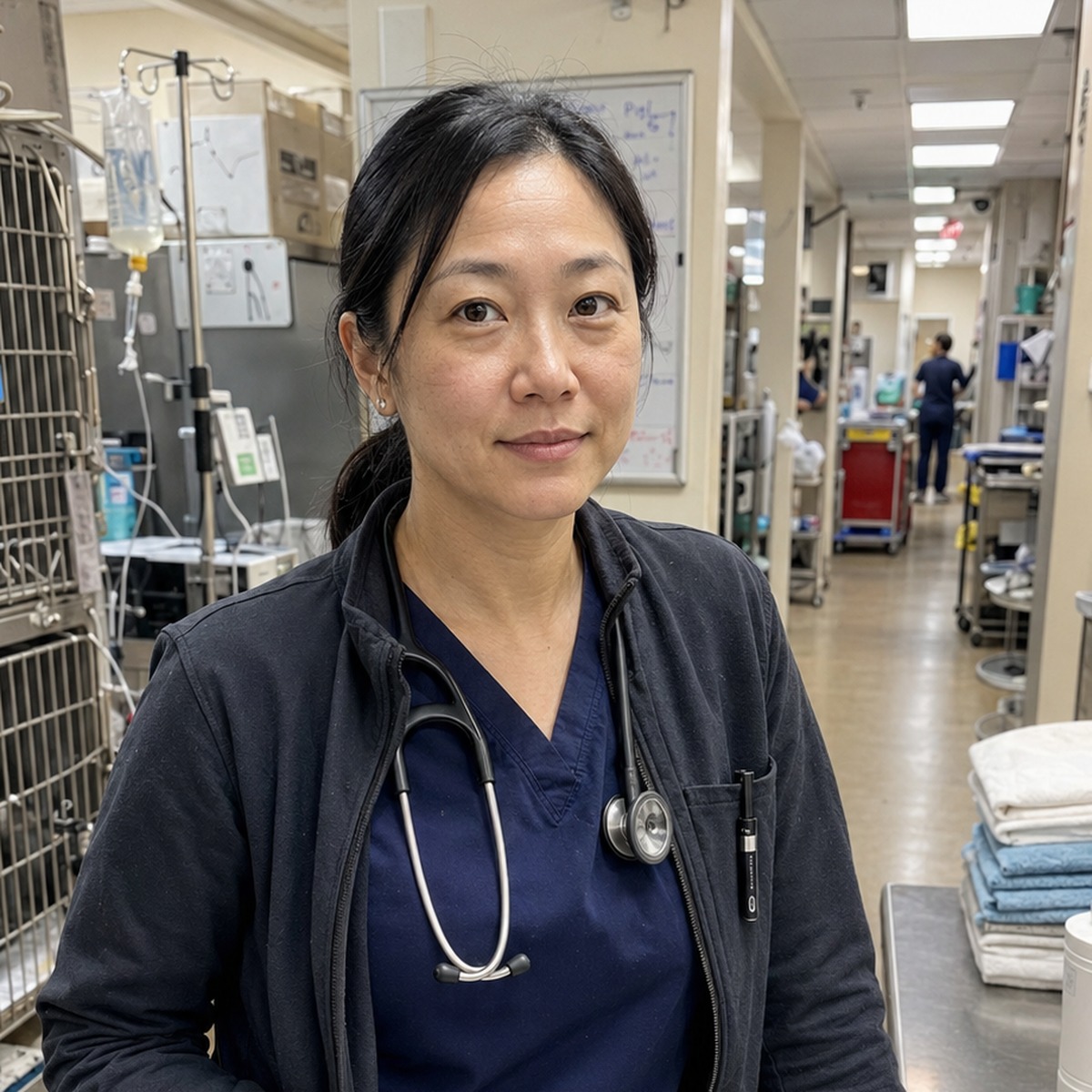
“The reason a lot of weight plans fail isn’t the science, it’s the household,” says Dr. Lena Park. “If a drug lets a cat feel satisfied on the right amount of food instead of screaming for more at 5 a.m., that changes what owners can actually stick to. But I’d want to see real safety data over a full six-month implant before I hand it to anyone’s pet.”
What’s new: the trial is live
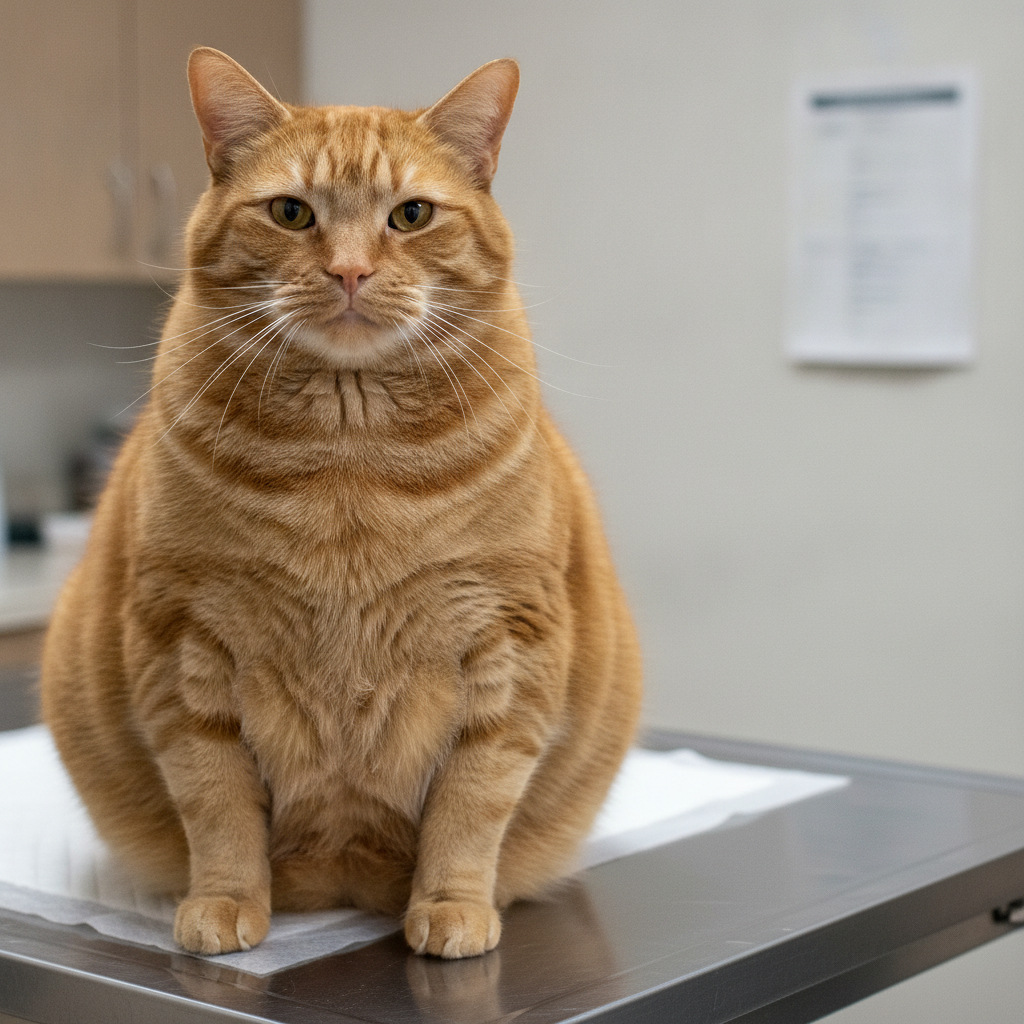
Here’s the current state of play, and it’s moved faster than the earliest coverage suggested. Okava has launched MEOW-1 (short for Management of Overweight cats with OKV-119), which the company describes as the first GLP-1 weight-loss clinical trial ever run in cats or dogs. The first cat has been dosed.
The study is set to enroll up to 50 cats, checking their weight at three months on the implant while keeping them under evaluation for six. Results are expected in the coming season. If the data holds up, Okava has said it plans to move to dogs next and to file for FDA approval somewhere in the 2027 to 2028 window, with a rough out-of-pocket target of around $100 a month for owners.
Translation: promising, funded, and genuinely underway, but still a couple of years from a vet actually being able to prescribe it, and years more before there’s real-world safety history.
The part no drug replaces
Even if OKV-119 clears every hurdle, it will not be an easy button for a chunky pet. It’s meant to be one more tool a vet can reach for when the standard approach isn’t working, not the first move.
The first line of defense against pet obesity is still unglamorous and still effective: measured portions and real daily activity. Weighing food instead of eyeballing it, holding firm against the pleading-eyes tax, and building in genuine movement will get a lot of pets where they need to be without any implant at all. A weight-loss drug is worth considering when lifestyle changes have honestly been tried and haven’t been enough.
If OKV-119 does eventually make it to a vet’s shelf, the right move is the same one that applies to every new pet medication: talk it through with your own vet, who can weigh your specific pet’s health against the still-fresh data. In the meantime, the scale in the vet’s office and the measuring cup in your kitchen are doing more than any headline.
This article covers a developing veterinary medication and is for general information, not medical advice. Any decision about a weight-loss drug or a weight-loss plan for your pet should be made with your veterinarian.