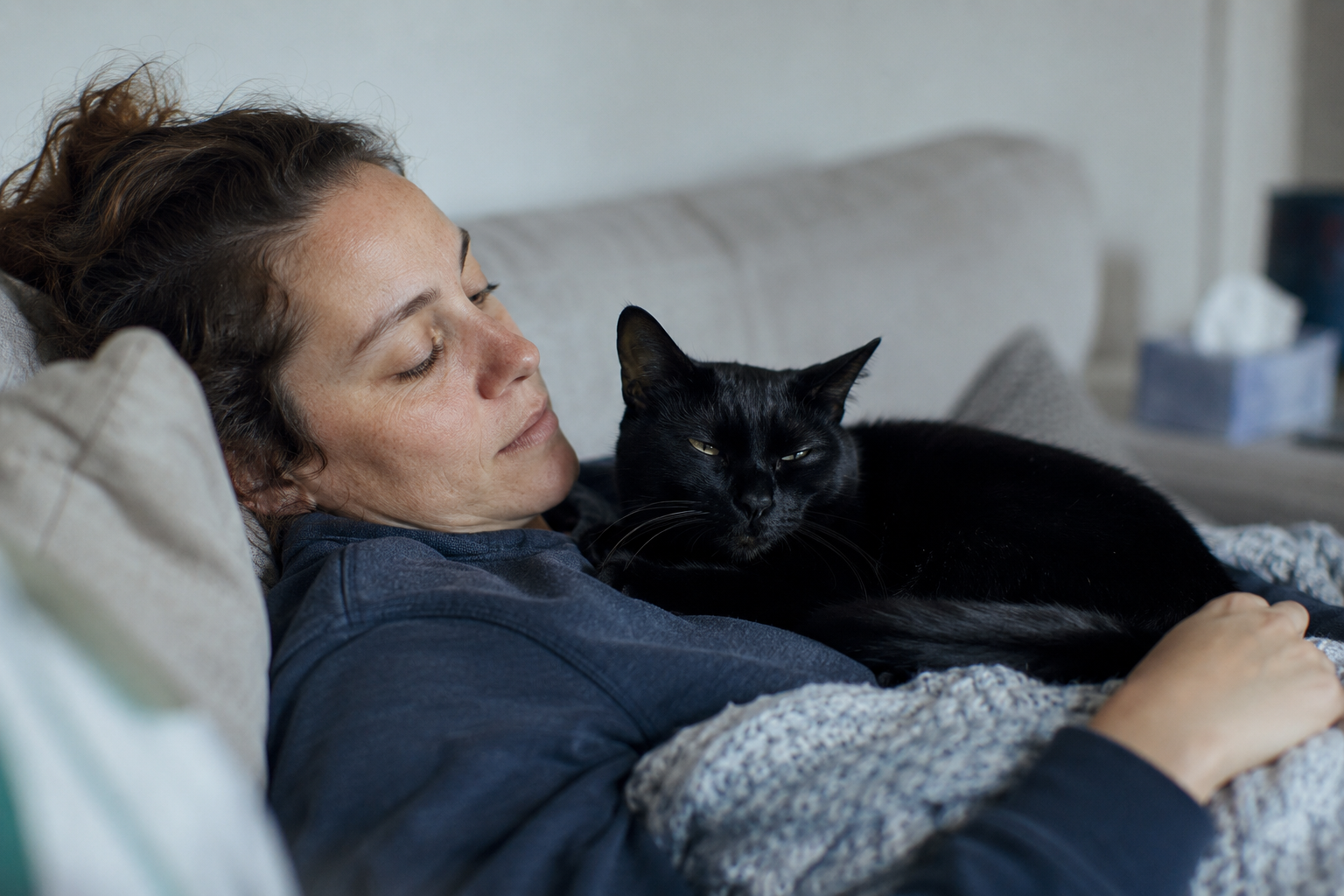
The internet loves to pit kids against pets, as if you have to pick a team. But there’s a whole category of household that quietly does both at once, and then adds a rotating cast of temporary animals on top: families who foster. If you have young kids and you’ve talked yourself out of fostering because it seems like too much risk and too much chaos, the people actually doing it want you to reconsider. Their consistent message isn’t just that fostering with kids is possible. It’s that, set up right, the kids and the foster pets make each other better.
The catch is in those three words: set up right. Fostering with children isn’t the same undertaking as fostering solo. You’re managing two vulnerable parties at once, keeping small humans safe around animals with unknown histories, and keeping scared, incoming animals safe from enthusiastic, sticky little hands. What follows is the framework that experienced foster parents lean on to make it work, less a checklist than a mindset.
Start with the goodbye, not the hello
The single most important thing to establish before a foster animal ever walks through the door is that it will leave. To an adult, that’s obvious. To a kid, it needs to be said out loud, early, and often. Families who handle this well treat the temporary nature of fostering as the whole point rather than a sad surprise at the end.
One foster grandparent who involves her young grandson from the start credits simple, honest framing: being upfront that the animals will go to new homes someday is what lets kids enjoy them without the ending blindsiding them. Some families go further and set an explicit “we will not adopt” rule, precisely so kids aren’t lobbying to keep every litter. The goal you’re teaching is a beautiful and genuinely hard one: to pour love into something you know you’ll hand off. Kids can absolutely learn it, but only if you name it before the attachment forms.
Go slow, and stay vigilant
The other universal piece of advice is to resist the urge to dive in. Take on one foster at a time, especially at first, and pick easy cases while you learn how your family handles it. Adult cats, for instance, often stay only a couple of weeks and make a low-commitment trial run; a litter of kittens can be a months-long project. Knowing your household’s rhythm before you scale up saves everyone stress.
Supervision is non-negotiable and, honestly, the tiring part. Introductions should be slow and always supervised, with a dedicated space (a foster room, a pen, a gated area) where a new animal can decompress away from the noise. As kids demonstrate calm, gentle handling, you can widen their access, not before. Directors and veteran fosters describe the hardest part plainly: staying constantly alert to the safety of both the child and the animal. That vigilance is the job. It’s also what makes the whole thing safe enough to be good.
Turn the work into the lesson
Here’s where fostering stops being a chore you tolerate around your kids and becomes something you do with them. The families who love it hardest have folded the care into their kids’ learning. Weighing kittens becomes a math exercise. Writing adoption bios becomes writing practice. Naming a litter after plants one year becomes a botany unit. Building enrichment, making cat toys, and reading up on animal behavior become family projects.
The emotional curriculum is even bigger than the academic one. Kids who foster learn, in a hands-on way, that some animals show up frightened and unwell and need patient care to come back around. They practice gentleness, responsibility, and observation. Parents describe watching a child grow noticeably more patient and attuned as they learn to read a nervous animal. It’s empathy taught not as a lecture but as a daily, physical practice, which is the only way it really sticks.
Know your capacity, and honor it
For all the upside, seasoned fosters are firm about limits, and this is the guardrail that keeps the good version from tipping into the overwhelming one. Kids bring enthusiasm, but the real work and the responsibility ultimately land on the adults. Don’t take on more animals, or more fragile animals, than you can actually care for on a hard week.
That means being realistic about the messy logistics. New fosters can arrive with health issues or get sick shortly after coming home, so a quarantine step matters more than people expect: confirm an incoming animal is settled and free of parasites before your kids get close. Expect some late nights. Expect that the baby gate you were counting on will not, in fact, keep a determined kitten and a determined toddler apart, particularly at snack time. Planning for the mess beats being surprised by it.
Be honest about the hard parts, including loss
Not every foster story ends with a happy adoption. Fragile kittens sometimes don’t make it, even when a family does everything right, and that grief is real for adults and harder for kids. The families who keep fostering through it don’t hide it. They talk about it, they take breaks when they need to, and they check in with their kids about whether to continue. Told honestly, even loss becomes part of the lesson: that caring for a living thing means accepting you can’t control every outcome, only how well and how gently you show up.
The takeaways worth taping to the fridge
- Be ready for messes. If you’re good at child-proofing, you already have the skills for pet-proofing.
- Expect to adjust your setup. Kids and animals are clever; your first barrier plan probably won’t survive contact.
- Learn together. As a first-time foster family, let your kids see you make mistakes and recover as a team.
- Quarantine first. Make sure a new foster is healthy and free of parasites before your kids spend time with it.
- Don’t rush the return. After a big life change like a new baby, wait until you genuinely have capacity again.
- Set expectations early. Make sure the kids understand, out loud, that these pets are guests, not permanent family.
Done thoughtfully, fostering gives a rescue animal a soft landing and gives your kids something a worksheet never will. As the parents who do it put it, again and again: it’s a lot of work, and it’s worth it, and there’s a surprising amount of laughing along the way.