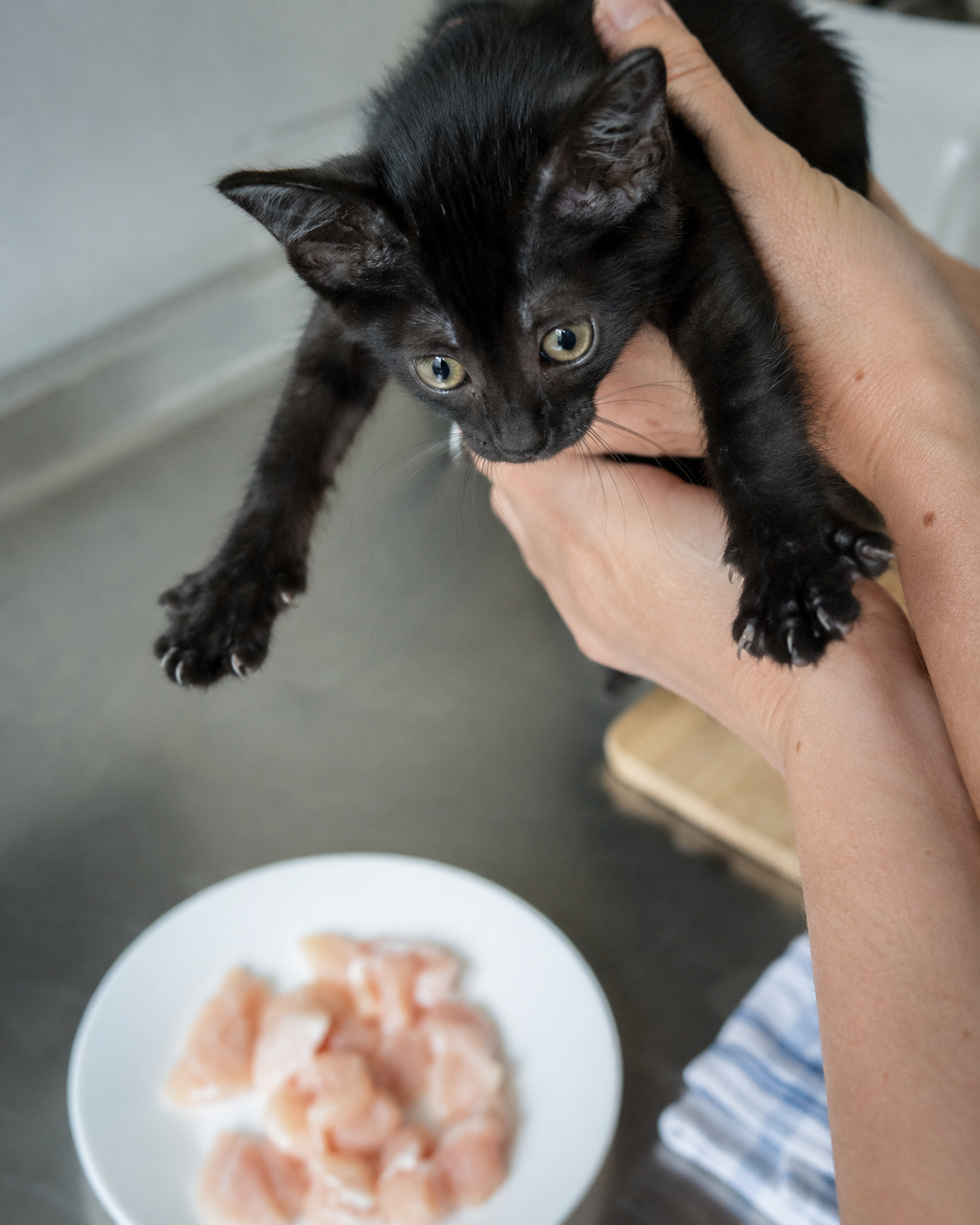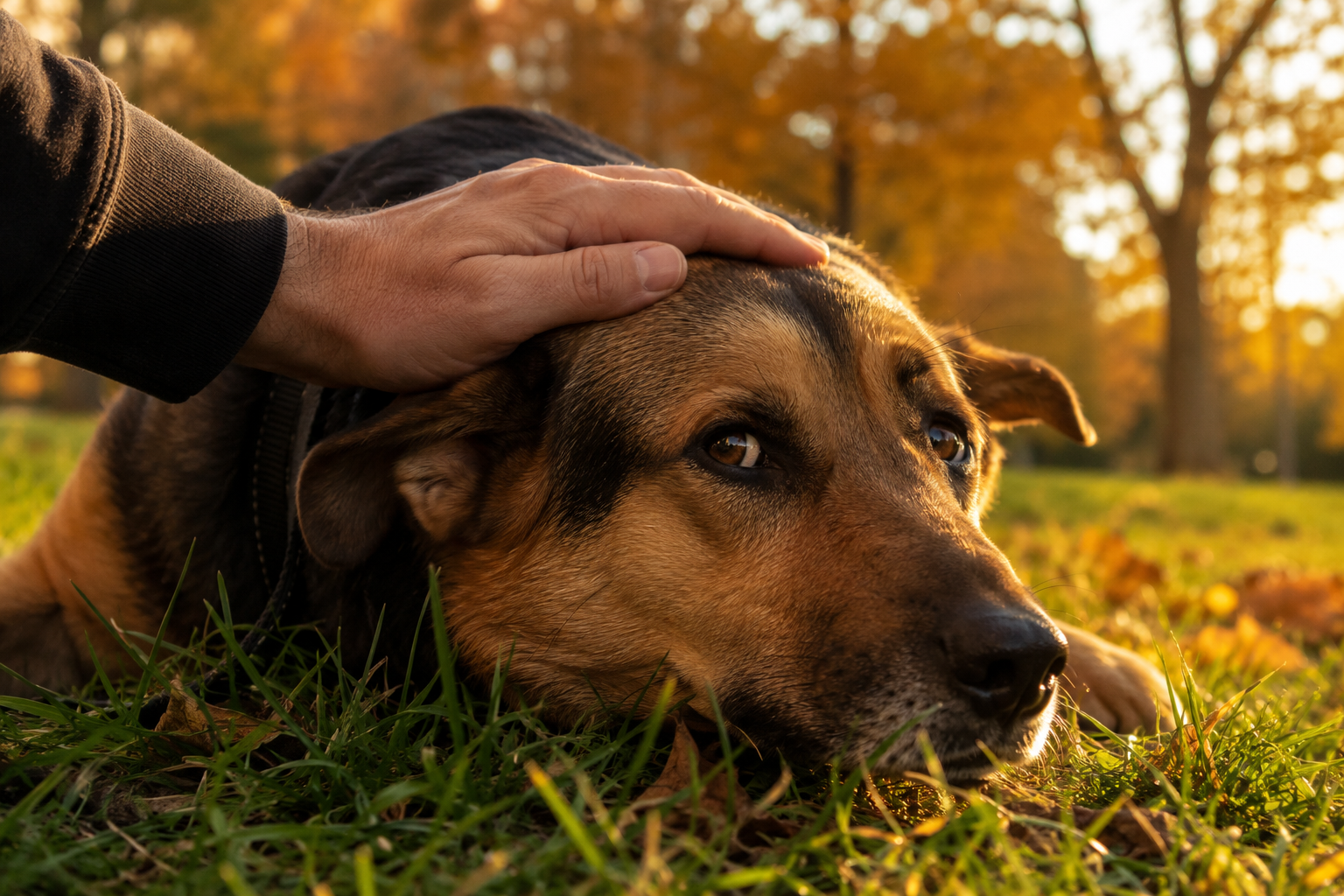
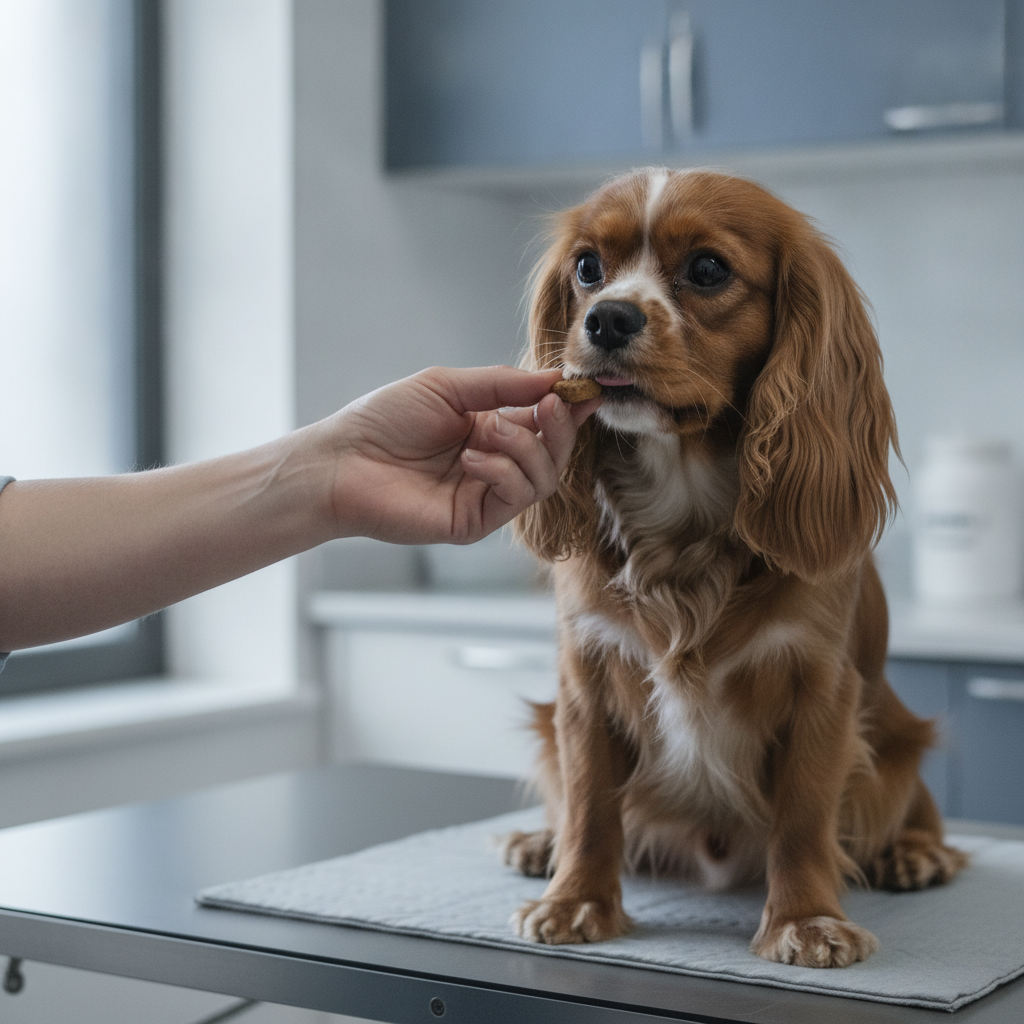
For most of veterinary history, a shaking, terrified animal at the clinic was treated as a fact of life. Vets could be gentle, they could manage pain, but the fear, anxiety, and stress of the visit itself were written off as collateral damage, the unavoidable cost of getting a pet the care it needed. The animal simply hated the vet, the groomer, the trainer, and there was nothing to be done about it.
That assumption turned out to be wrong, and the correction is the whole idea behind fear-free handling. Fear isn’t the tax you pay for good care. It’s a symptom, and symptoms can be treated. The catch that surprises most people is where the treatment starts: not on the exam table, but in your living room, days before the appointment.
What “fear-free” actually means
At its core, fear-free handling insists on looking at an animal’s emotional well-being alongside its physical health, and treating the two as inseparable. A perfect check-up is not a success if the pet spent it petrified, and a pet who’s calm at the vet but panicking at home hasn’t really been helped either.
The method itself is positive, reward-based, and refreshingly simple in spirit. You show an animal what you’d like them to do, then reward them for doing it, or for getting close. One of the movement’s own slogans captures the mechanics neatly: put the treat into treatment. Alongside the rewarding runs a constant effort to reduce or remove whatever is causing the fear in the first place, rather than muscling the animal through it.
The framework grew out of the work of Dr. Marty Becker, a longtime practicing veterinarian and media figure who founded Fear Free, an organization that now trains veterinary and pet professionals, shelters, and pet owners in these techniques. What began as a way to make vet visits less traumatic has expanded into certifications for trainers, groomers, pet sitters, boarding and daycare staff, and more, on the logic that anyone who handles a pet should be minding both its body and its feelings.
Why the exam room is the worst-case test
There’s a reason the approach was proven at the vet’s office first. If you can strip the fear out of the single most stressful place a pet goes, you can almost certainly do it anywhere. Fear-free professionals sometimes describe the goal as taking the pet out of “petrified.”
It helps to understand why animals find these visits so overwhelming, and one comparison lands hard: in these moments, a pet is roughly the equivalent of a one-year-old child, for four reasons. They’re taken somewhere against their will for health care. They have no concept of why a procedure benefits them. They have no sense of time, so they can’t know it will be over soon. And they have no control and no way to flee the thing frightening them. We hold all the levers they don’t, which is exactly why the burden of lowering the stress falls on us.
The living-room half of the work
Here’s the part owners tend to miss. You can’t hand a vet a pet who’s already vomiting from stress in the parking lot and expect a calm visit. A good outcome is built before you ever leave the house.
If your pet rides in a carrier, that carrier should come out a week ahead, stocked with treats, so it becomes a familiar good place instead of an ambush that appears the morning of a dreaded trip. Keep the car at the same temperature as your home so the transition is seamless, and keep the carrier level and covered on three sides with a light sheet to cut down on overwhelming sights. Small stuff, but it stacks.
The science behind these tweaks is more serious than it sounds. Fear Free frames itself as evidence-based, pointing to hundreds of studies, and funds a meaningful amount of research for its size. Some findings are wonderfully specific: pets in transport tend to prefer fleece to towels and respond to pastel colors and certain kinds of music. How an animal is introduced to a facility matters too; being greeted outside, on neutral territory, tends to go better than walking straight into a space they’ll treat as someone else’s turf.
Learn to read the body before it boils over
Humans communicate mostly with words. Pets communicate mostly with their bodies. Once you learn to read your dog’s or cat’s body language, you can catch stress in its earliest, quietest form, a lip lick, a freeze, a turned head, long before it escalates into something worse. That early read is the difference between redirecting a nervous animal and managing a full meltdown.
“The thing I most want owners to internalize is that fearful behavior is not disobedience,” says Dr. Nina Kohl. “It’s a physiological response the animal cannot switch off on command. Once you stop reading fear as defiance and start reading it as information, everything about how you handle your pet changes, and so does how safe they feel with you.”
Red flags in a pro, and the difference between control and restraint
If you’re already working with a vet, groomer, or trainer, a few things should give you pause. It’s a red flag if your pet acts convinced it’s about to be harmed. It’s a red flag if a vet insists on hoisting your pet onto the table every single time regardless of how the animal is coping. And it’s a red flag if anyone handles your pet roughly or relies on heavy restraint. With trainers specifically, prong collars, shock collars, and other aversive tools are the clearest sign to walk away.
The distinction that separates a good handler from a rough one is the difference between gentle control and restraint. Both can achieve positional compliance, keeping an animal still enough for care, but they aim at opposite things. Restraint is designed to protect the people. Gentle control is designed to protect the pet. A well-handled animal is more cooperative in its own care, not showing extreme distress, and still willing to take treats. If your pet can eat, it isn’t overwhelmed.
What newer research adds
The intuition at the heart of fear-free handling, that you can measurably lower an animal’s fear rather than just endure it, keeps holding up in controlled studies. One trial of a structured, four-week desensitization-and-counterconditioning program found it reduced dogs’ pre-existing fear at the veterinarian, evidence that a deliberate, gradual plan changes behavior where white-knuckling through the appointment doesn’t.
Reviews of the current literature point the same direction on prevention: building calm, positive associations early, before a fear takes hold, is one of the most effective tools available. That’s the whole philosophy in miniature. The treat in your pocket at a puppy’s first vet visit isn’t spoiling them. It’s doing the single most evidence-backed thing you can do to make every visit for the rest of their life easier.
References
- Stellato, A. C., et al. “Effect of a Standardized Four-Week Desensitization and Counter-Conditioning Training Program on Pre-Existing Veterinary Fear in Companion Dogs.” Animals, vol. 9, no. 10, 2019, p. 767. Link
- Riemer, Stefanie, et al. “Therapy and Prevention of Noise Fears in Dogs—A Review of the Current Evidence for Practitioners.” Animals, vol. 13, no. 23, 2023, p. 3664. Link
- American Animal Hospital Association. “2015 AAHA Canine and Feline Behavior Management Guidelines.” Journal of the American Animal Hospital Association. Link