Most dog owners think of their dog’s ears as adorable, expressive, and basically decorative. They are actually one of the most information-dense channels your dog has, broadcasting mood in real time to other animals and, if you learn to read it, to you. Once you can decode ear position, a lot of your dog’s behavior stops being mysterious. You’ll catch the flicker of unease before it becomes a growl, spot the tuning-in before the bark, and, occasionally, notice a health problem before it gets worse. Here’s how to actually read what those ears are saying.
Ears are grammar, not the whole sentence
Animals don’t share a spoken language, a bark means nothing to a cat, a meow nothing to a horse, so they lean on body language to broadcast intent. In dogs, ear position is a huge part of that grammar. Alert ears and pinned ears mean opposite things.
But here’s the rule that keeps you from misreading: ears are one word in a longer sentence. Always check the whole body. A dog’s tail position, stance, and whether the body is loose or tense fill in the meaning that ears alone can’t. Read the ears alongside everything else and the message sharpens.
The dog-ear field guide
Here’s what the common positions typically signal. Use it as a starting point, then confirm against the rest of the dog.
| Ear position | Likely meaning | Look for alongside it |
|---|---|---|
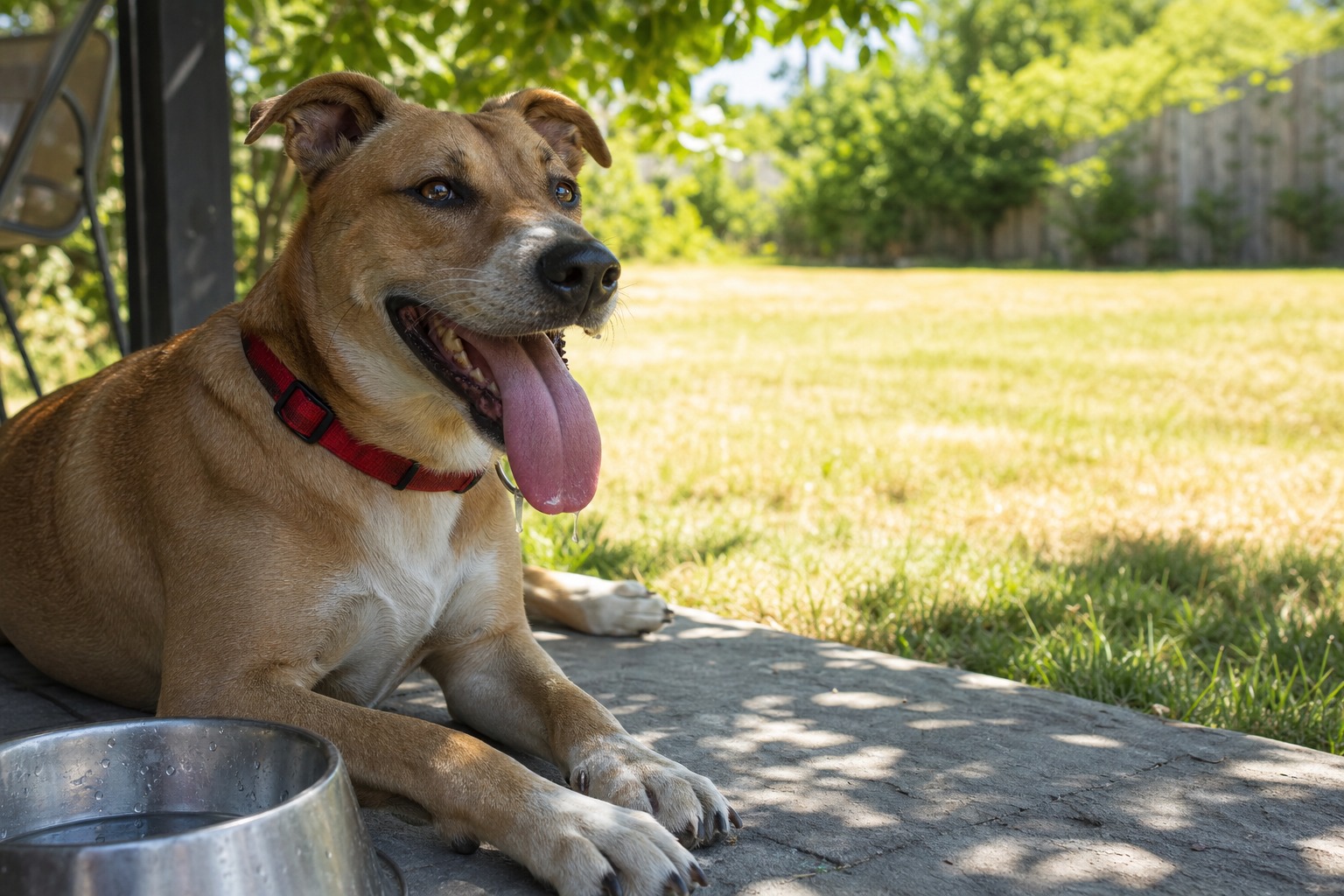
| Relaxed and neutral | At ease, comfortable | Loose body, soft eyes, maybe a lolling tongue and gently wagging tail |
| Forward and up | Alert, interested, or excited | Attentive, ready posture; a wag if it’s happy anticipation |
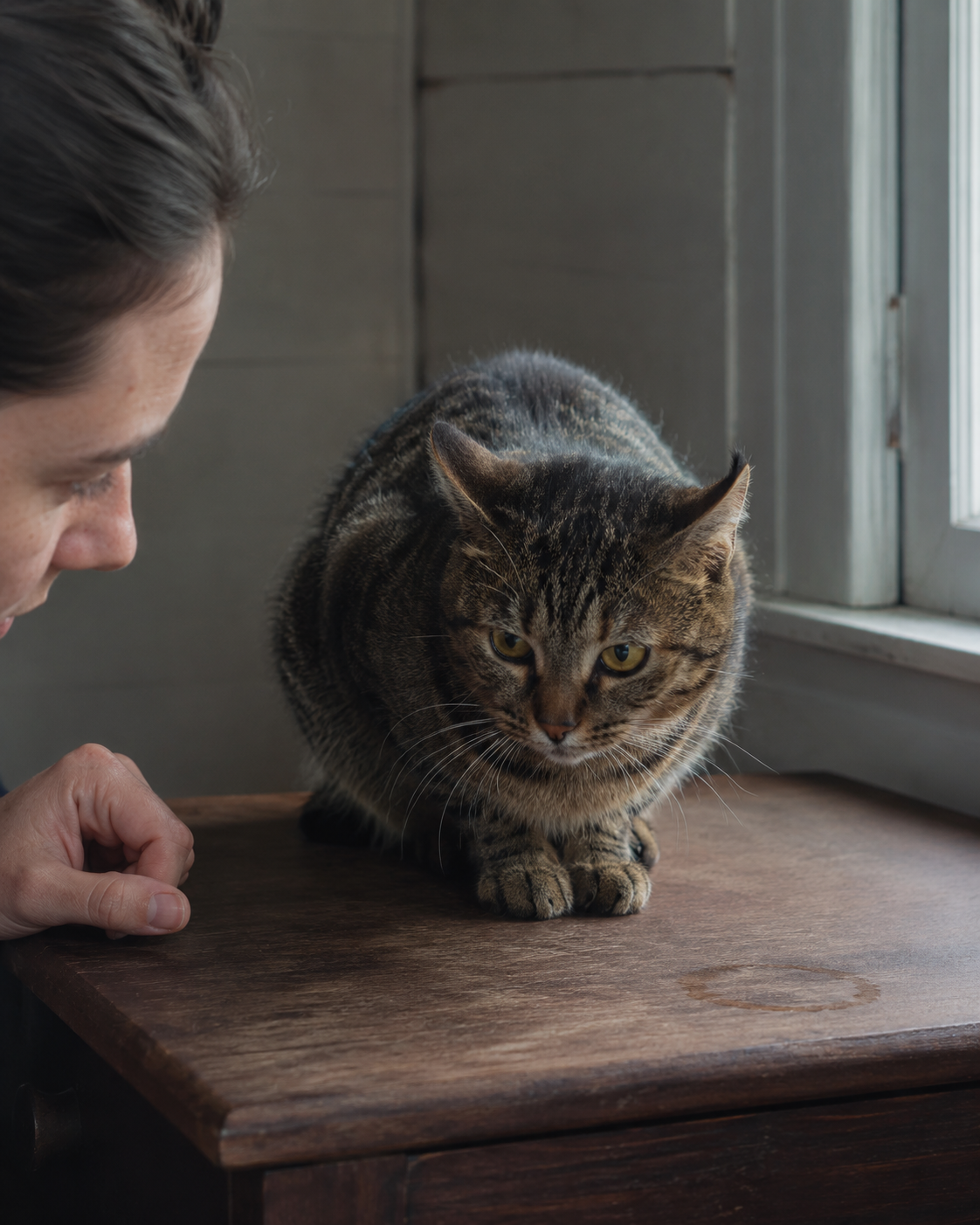
| Flattened and pinned tight | Fear, anxiety, or aggression | Tense body, low or tucked tail, crouching, raised hackles, possible lip curl or growl |
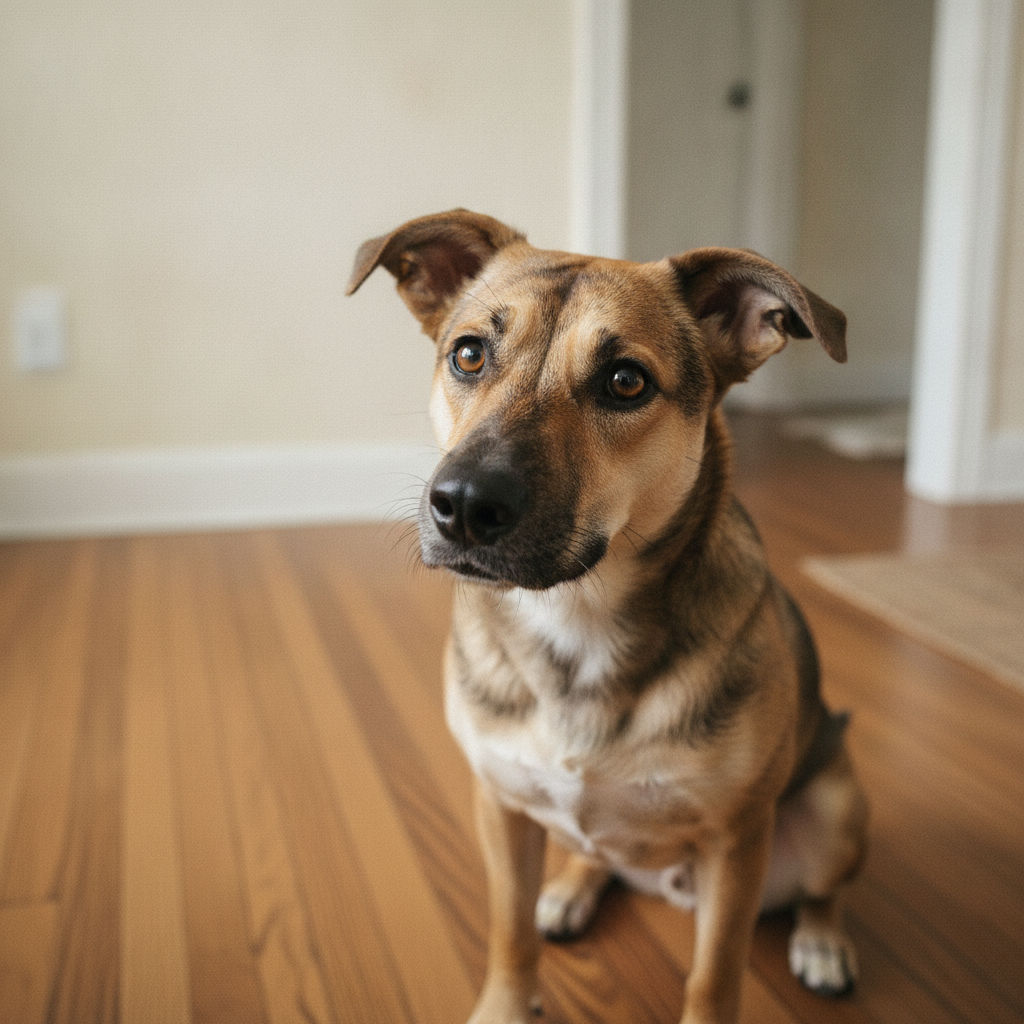
| Back and drooping | Submission, appeasement | Making themselves small, tucked tail, sometimes rolling onto the back |
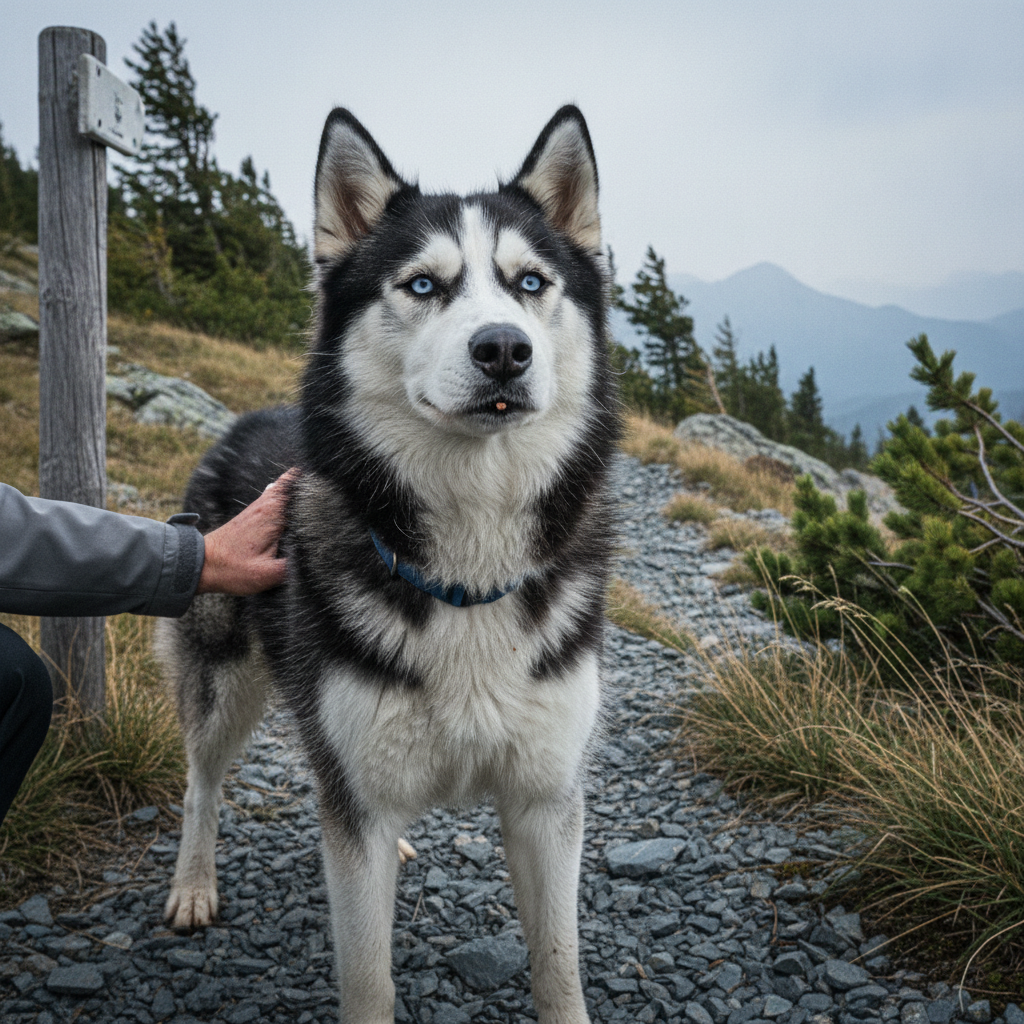
| Rotated outward | Locating a sound | Head turn toward the noise, stillness, full concentration |
| Rapidly switching positions | Confusion or unease | Mixed signals elsewhere, tense or shifting body, lip licking |
The positions that matter most, unpacked
Relaxed and neutral is the baseline for most dogs, the default when they feel safe. What “neutral” looks like depends entirely on the breed, though, and that’s a common trap. The erect triangles of a Basenji sit worlds apart from the draped ears of a Basset Hound. To judge whether a dog is truly relaxed, read the rest of the body for looseness.
Forward and up means your dog is tuning in. A sudden noise or movement makes them perk to hear better, and excitement, the anticipation of play or a welcome-home greeting, does the same. Expect an alert, ready body to go with it.
Flattened and pinned tight is the one to watch closely, because it spans a lot of emotion, most of it uncomfortable. Pinned ears usually signal fear, anxiety, or aggression, and the body backs it up: tension, a low or tucked tail, a crouch, raised hackles, sometimes a curled lip or growl if the dog feels unheard. Anxious dogs may also pace, pant, eat less, and struggle to sleep.
Back and drooping is often misread as a prelude to aggression when it’s frequently the opposite, a signal of submission and appeasement. A more timid or lower-ranking dog holds the ears back to look smaller and less threatening, and may tuck the tail or roll over to further defuse a situation.
Rotated outward is your dog’s radar dish at work. The many muscles around a dog’s ears let them swivel to pinpoint a sound’s direction and distance, so a rotated ear usually means they’ve caught something questionable and are locking onto it, often with a head tilt and total, silent focus.
Rapidly switching positions signals a dog who’s confused or overwhelmed, ears going up, down, and sideways as they try to sort out multiple sounds or an unfamiliar situation. The rest of the body language tends to be just as mixed.
“The single biggest mistake I see is people reading the ears in isolation,” says Dr. Nina Kohl. “Pinned ears on a loose, wiggly dog greeting you at the door mean something completely different from pinned ears on a stiff, still dog backing into a corner. The ears tell you there’s a strong feeling. The rest of the body tells you which feeling it is.”
Do the ears always mean something?
Yes and no. No, in the sense that a dog isn’t consciously composing a message every second, even their ears rest sometimes. But also yes, because a dog is always feeling something, so the ears will register even simple contentment.
The practical point is to pay attention, because ear position doesn’t just decode emotion, it can flag health trouble. When one or both ears are held down alongside a lot of head shaking and ear scratching, that can indicate an ear infection. A sudden change in your dog’s usual ear behavior, especially with these signs, is worth a vet visit.
Give yourself grace on the hard cases
Breed anatomy changes the whole reading, so don’t expect a one-size interpretation. It’s easy to tell when a Basenji has pinned ears but harder to spot “forward and up,” since that’s already close to their resting shape. A Basset Hound, meanwhile, will never fully raise or fully pin those long ears, physics won’t allow it. So build in wiggle room, and when a floppy-eared dog’s ears are hard to read, watch the base near the head for subtle movement and let the rest of the body carry the message.
Bottom line
Plenty of people talk to their dogs. Fewer realize their dogs are answering, often with their ears rather than words. Forward, pinned, rotated, drooping, switching, each is a real signal, and read together with tail, stance, and overall tension, they let you understand your dog far more precisely than guesswork ever could. Learn the grammar, keep an eye on the whole sentence, and you’ll be a fluent reader of the quietest conversation your dog is having with you all day long.
References
- “Canine Body Language.” American Society for the Prevention of Cruelty to Animals (ASPCA). https://www.aspca.org/pet-care/dog-care/common-dog-behavior-issues
- “How to Help an Anxious Dog.” Cornell Riney Canine Health Center. https://www.vet.cornell.edu/departments-centers-and-institutes/riney-canine-health-center
- “Ear Infections in Dogs (Otitis Externa).” VCA Animal Hospitals. https://vcahospitals.com/know-your-pet/ear-infections-otitis-externa-in-dogs