Let’s get the disappointing part out of the way first: there is no product that will make your dog stop shedding. A coat is how a dog regulates its body temperature, so shedding is not a malfunction, it is the system working. Anyone selling you a tool that “stops shedding” is selling you a fantasy.
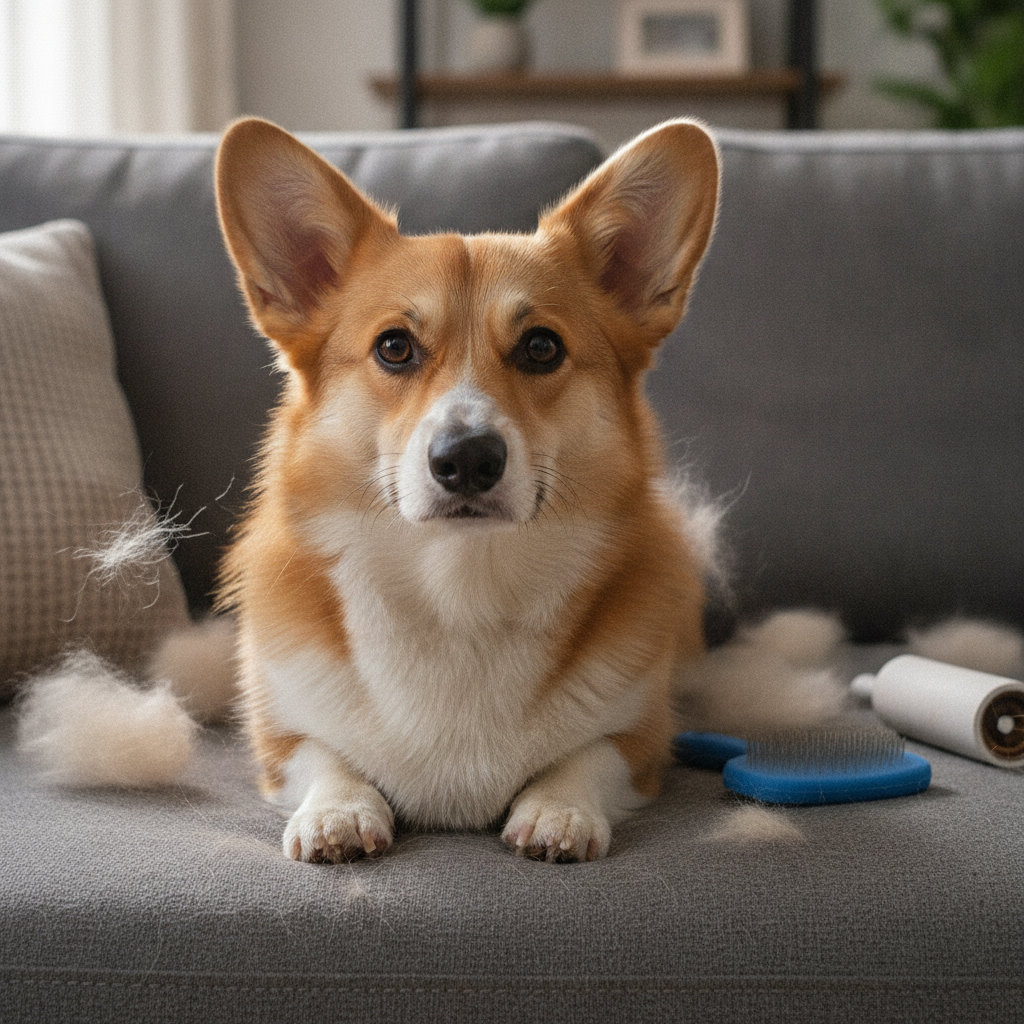
Here is the part you can actually win. All that fur is coming out either way. The only question is whether it comes out into a brush, a tub, and a dryer on your terms, or drifts onto the couch, the car seat, and every black sweater you own on its own. Deshedding is not about ending the shed. It is about controlling where it lands.
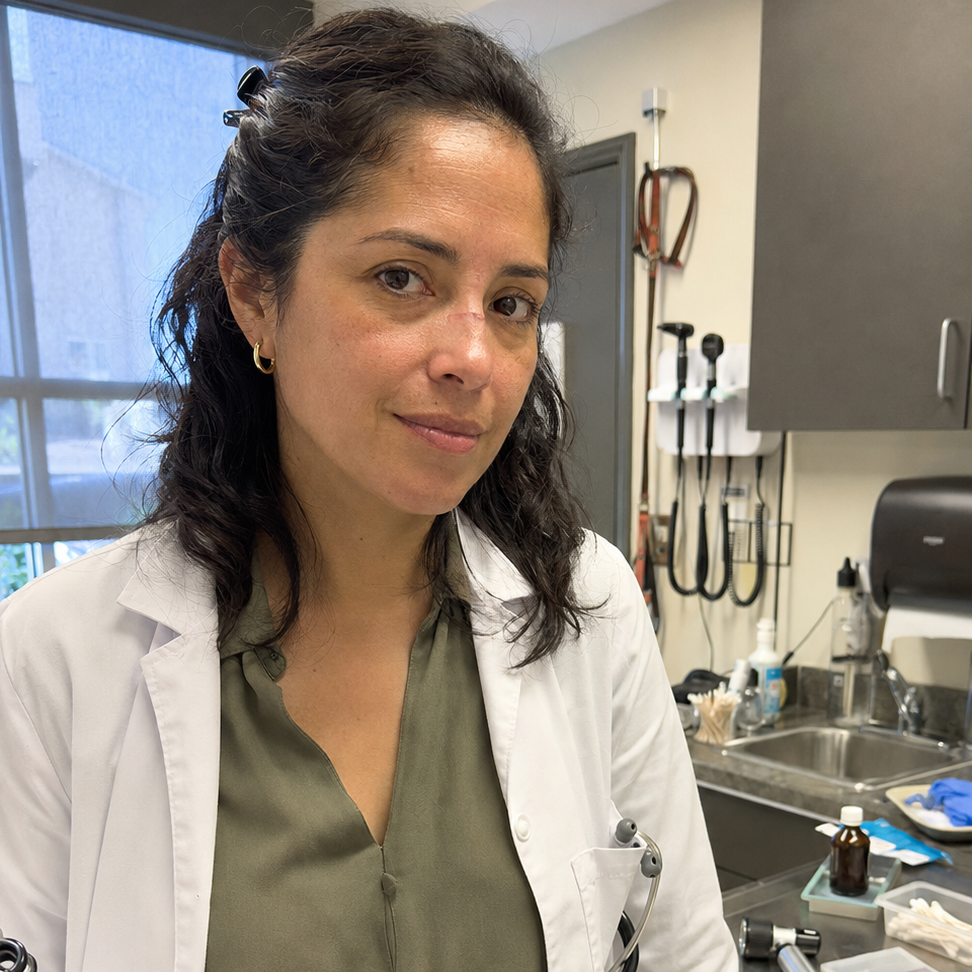
“The dead coat is going to leave your dog no matter what you do,” says Dr. Amara Solis. “Our whole job is to intercept it. Everything I recommend is really one idea, get the loose undercoat out on purpose, on a schedule, before it decides to leave on its own all over your living room.”
Below is the system, in the order you’d actually use it: brush, bathe, blow, and feed. Six tools, each doing a specific job.
1. The rubber curry brush (start here for short coats)
For short-coated dogs, and for the short-haired zones on any dog, like the legs and face, a rubber curry brush is the gentlest way in. The soft rubber nubs grab loose undercoat without cutting or scraping the skin, which makes it nearly impossible to overdo. If you own a slick-coated dog and buy only one tool, this is it. Work in small circles, and you’ll be surprised how much comes off a dog that looked perfectly groomed.
2. The deshedding rake or slicker (for the undercoat on longer coats)
A regular brush skates over the surface of a thick or double coat and never reaches the problem. For those dogs you want a deshedding rake or a slicker brush, both designed to sink past the topcoat and pull the dense, loose undercoat that a surface brush misses. The trade-off is that these tools have teeth, and they can scratch or irritate skin if you bear down hard or work the same spot over and over. Use a light hand, keep moving, and stop before the skin gets pink.
3. The grooming glove (the low-stress option)
If your dog treats brushes like a threat, a rubber grooming glove or mitt can bridge the gap. Because it feels like being petted, a lot of dogs tolerate it happily, and the soft nodules pull a meaningful amount of loose hair off short and medium coats. It won’t out-perform a rake on a heavy undercoat, but as a way to remove fur during a session your dog actually enjoys, it earns its spot, especially for pups who are still learning that grooming is not a punishment.
4. Deshedding shampoo and conditioner (the bath does real work)
A good bath loosens a startling amount of dead coat. Deshedding shampoos usually pair a cleanser with oils and conditioner that help loosen dead fur so it slips free. But shampoo and conditioner do different jobs and you need both. Shampoo strips oil to get the coat truly clean, and conditioner puts oils back into skin and coat afterward. For the maximum amount of dead coat to actually come out, the dog has to be fully clean, then conditioned, then completely dried, which brings us to the step people skip at their peril.
5. The high-velocity dryer (and a playpen cover, if you’re brave)
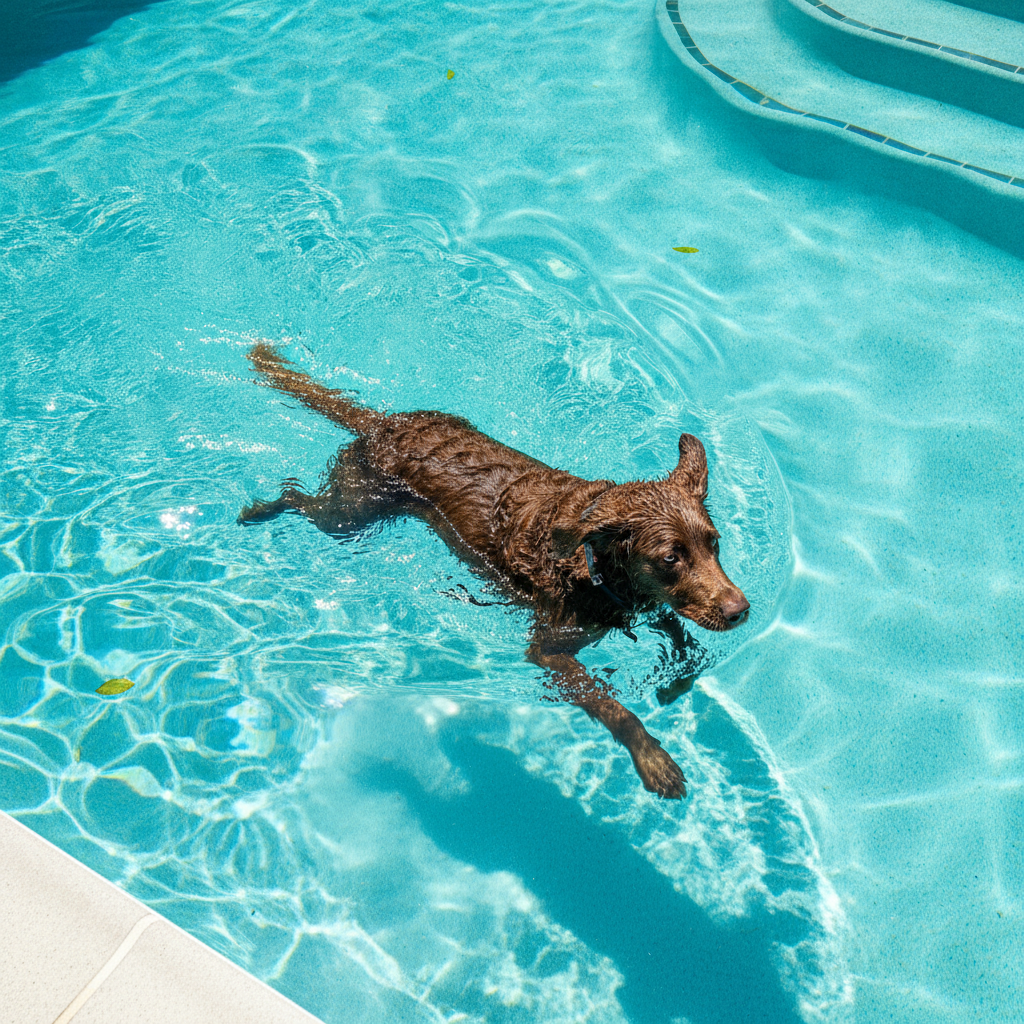
A force dryer, or high-velocity dryer, is a genuinely excellent deshedding tool: the blast of air lifts and ejects loose undercoat that brushing alone leaves behind, and some models are compact and reasonably quiet. Two cautions. First, many dogs dislike the noise and sensation, so introduce it slowly and never force a frightened dog under it. Second, drying is not optional. If you don’t dry a dog properly after a bath, damp fur stays trapped in the coat instead of releasing, and lingering moisture against the skin can turn into irritation or infection. That’s the step to never rush, even when it takes forever. (The internet’s favorite trick is to run the dryer with the dog inside a mesh playpen cover to catch the flying fur. It looks ridiculous. It also works.)
6. An oil-rich diet (support the coat from the inside)
The healthiest coat sheds the least chaotically, and diet is part of that. Fatty acids support skin and coat health, and some vets suggest supplements such as safflower or fish oil to keep a coat glossy and shedding under control. The catch, as with anything you add to a dog’s diet, is that “good for coats” is not the same as “right for your dog.” Dosing depends on your individual dog’s size, health, and current food, so confirm any supplement with your vet before you start.
When shedding is a signal, not a nuisance
One rule sits above all the tools. Normal shedding is background noise. A sudden or dramatic change in it is a message. If your dog’s shedding spikes out of nowhere, if you find bald patches, redness, sores, or constant itching, or if the coat change comes with other symptoms, that is a reason to see your vet rather than buy a bigger brush. Excessive or patchy hair loss can point to allergies, parasites, thyroid problems, or stress.
Deshedding is a bit of trial and error, and no single tool is magic. Be patient, keep at the routine, and when your best efforts still leave fur on your clothes, take the sentimental exit ramp: think of it as your dog sending a little piece of themselves along with you for the day.
References
- American Kennel Club, How to Reduce Dog Shedding
- American College of Veterinary Dermatology, Hair Loss (Alopecia) in Dogs
- Cornell University College of Veterinary Medicine, Nutrition for Skin and Coat Health