Planning a long drive with your dog, most people obsess over the wrong things: which hotel takes pets, whether there will be fur in the travel mug, how many rest stops. All of that is worth sorting out, and honestly, it is the easy part. The hard part, the part that most owners skip entirely, is the one thing that actually protects your dog when a trip goes wrong.
You would never let a person ride loose in a moving car. Yet millions of dogs ride completely unrestrained, and in a sudden stop or a collision, an unrestrained dog becomes a projectile, hurled forward with enough force to injure itself, injure you, or bolt in a panic through a broken window into traffic. So let’s start where the real safety is, and then handle everything else.
Restraint is the whole ballgame
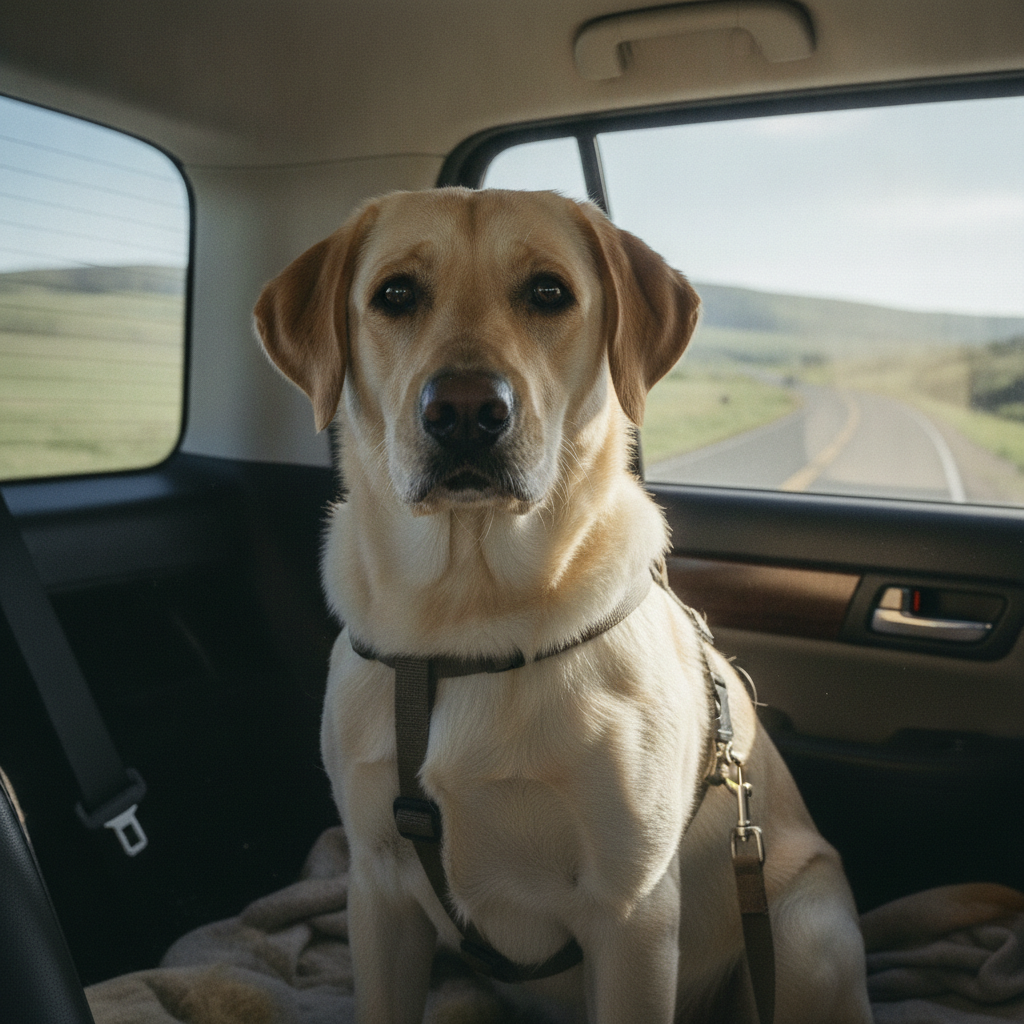
A dog moving freely around the cabin is a distraction on a good day and a hazard on a bad one. The fix is a properly secured crate or a harness-style seat belt that keeps your dog in one place. This does two jobs at once: it stops your dog from clambering around and pulling your attention off the road, and it dramatically reduces how far and how hard your dog is thrown if you crash.
If your dog has never worn a car harness or ridden in a secured crate, don’t debut it on a 10-hour haul. Do a few short practice runs first so the gear feels normal, not like a trap.
“The single biggest thing you can do for your dog on a road trip has nothing to do with snacks or scenery, it’s a real restraint system,” says Dr. Priya Nair. “I’ve treated dogs thrown from seats in low-speed crashes that a $60 harness would have prevented. Buckle them in the way you buckle yourself in.”
What newer research adds: not all “crash-tested” gear is equal
Here is the part the packaging won’t tell you. In the United States there are no government crash-test standards for pet car restraints the way there are for child car seats. A manufacturer can slap “crash tested” on a box without that meaning your dog is actually protected.
Independent testing fills the gap. The nonprofit Center for Pet Safety runs its own crash simulations, roughly 30 mph into a dead stop, using weighted crash-test dog dummies in several sizes. The results are sobering, because a lot of popular gear fails. As of 2025, the group’s certified list is short: the Sleepypod Clickit Sport and Terrain are the only harnesses it has certified, rated for dogs up to 110 pounds. For crates, a small number of hard kennels have earned certification, including several Gunner G1 kennels rated by size. You don’t have to buy those specific products, but the lesson stands: look for a real, independent certification, not a marketing phrase.
Before you leave: prep that pays off
“Dog-friendly” is relative, so verify it. A place can be dog-tolerant without being dog-welcoming. Pet packages, listed amenities, and a friendly phone call to the front desk tell you a lot. Confirm the fine print too: breed or weight limits, any surprise fees, and house rules like whether your dog can be left alone in the room.
Scout the destination. Know in advance about local hazards, wildlife, sensitive areas, or places that restrict dogs, and look up the nearest veterinary and emergency clinics before you need them. You hopefully never will, but if you do, you will be relieved you did the homework.
Pack a real kit. Beyond the usual gear, pack a first-aid kit made for dogs, plus grooming gear, a spare collar and leash, extra blankets, and plenty of water. Pack any medications your dog takes, and know that common human medicines like ibuprofen are toxic to dogs. Never give your dog any medication without checking with your vet first.
Make a dog file. Keep your dog’s essentials in one place: vaccination records, medications, allergies, health conditions, and a current photo in case they go missing. Some people keep an envelope marked “DOG INFO” in the glove box so it is easy to find after an accident, or load the same records onto a small USB drive on their keychain.
Double-check ID. Collar and tags on at all times, with your number plus a backup contact for a friend or relative. If your dog isn’t microchipped yet, do it before you go, a tag plus a chip is your best shot at a fast reunion in an unfamiliar place.
On the road
Keep water flowing. Offer regular drink breaks on long stretches and on any hikes or walks. Unfamiliar water can upset a dog’s stomach, so pack water from home (or grab filtered water on the way) to head off tummy trouble.
Heads and ears stay inside. Your dog may love the wind, but a piece of gravel at 60 mph does not love your dog’s face. Keep them from hanging out the window and lock the rear windows so they can’t lower them by accident.
Never, ever leave your dog alone in the car. Cracked windows won’t save them; on a warm day a parked car turns into an oven within minutes, and heatstroke can turn fatal fast. If your dog can’t come in with you, skip the stop.
At your destination
Be a good guest. Bring your dog’s own bowl, food, familiar bed, and maybe a portable gate so they feel settled, and travel with your own sheet, towel, and lint roller. Follow the rules at hotels, restaurants, and shops that welcome dogs, and spread the word about the good ones, that goodwill is how dog-friendly places stay dog-friendly.
Stay leashed off-property. New places are full of strange, thrilling, sometimes frightening sights and smells, and even a rock-solid dog can bolt. A leash is a small price for keeping the vacation a happy one.
Do all of this and the trip becomes what it should be: your favorite passenger, a string of new places you’d have driven right past, and both of you getting home safe. Just remember the order of operations. Buckle the dog in first. Everything else is the fun part.
References
- Center for Pet Safety. “Crash Test Research and CPS Certified Products.” https://www.centerforpetsafety.org/cps-certified/
- American Veterinary Medical Association. “Traveling with your pet FAQ.” https://www.avma.org/resources/pet-owners/petcare/traveling-your-pet-faq
- ASPCA. “Travel Safety Tips.” https://www.aspca.org/pet-care/general-pet-care/travel-safety-tips
- Pet Poison Helpline. “Ibuprofen and other NSAID toxicity in dogs.” https://www.petpoisonhelpline.com/poison/ibuprofen/