Like emergency room doctors and family lawyers, veterinarians almost never meet people on a good day. By the time you are in the exam room, someone is anxious, someone is in pain, and the bill is already a source of dread. And unlike nearly every other medical professional, vets are also the ones asked to end their patients’ lives, gently, and often. That combination does something to a person over the years, and understanding it changes how you show up at your next appointment.
This is not a guilt trip. It is an argument that a few small choices on the client’s side of the table make the whole encounter better, for the vet, for you, and for your animal.
The weight you don’t see
The stress in veterinary medicine is not mostly about difficult animals. It is about the human parts of the job. Perfectionism runs deep in people who go to vet school. Clinics often lack the HR support, mentorship, and operational backing that human hospitals take for granted, so many vets are simultaneously overworked and underpaid. And every day they are asked to balance an animal’s medical needs against what that animal’s family can actually afford, which turns love and money into a constant, grinding negotiation.
The consequences are serious enough that they are measured. According to the CDC, male veterinarians are roughly 2.1 times, and female veterinarians about 3.5 times, more likely to die by suicide than the general population, and the great majority of vets lost to suicide worked in companion animal practice, the everyday cats-and-dogs clinics most of us visit. Researchers point to a brutal mix of factors: emotional exhaustion, financial strain, the repeated act of euthanasia, and ready access to the drugs that make it possible.
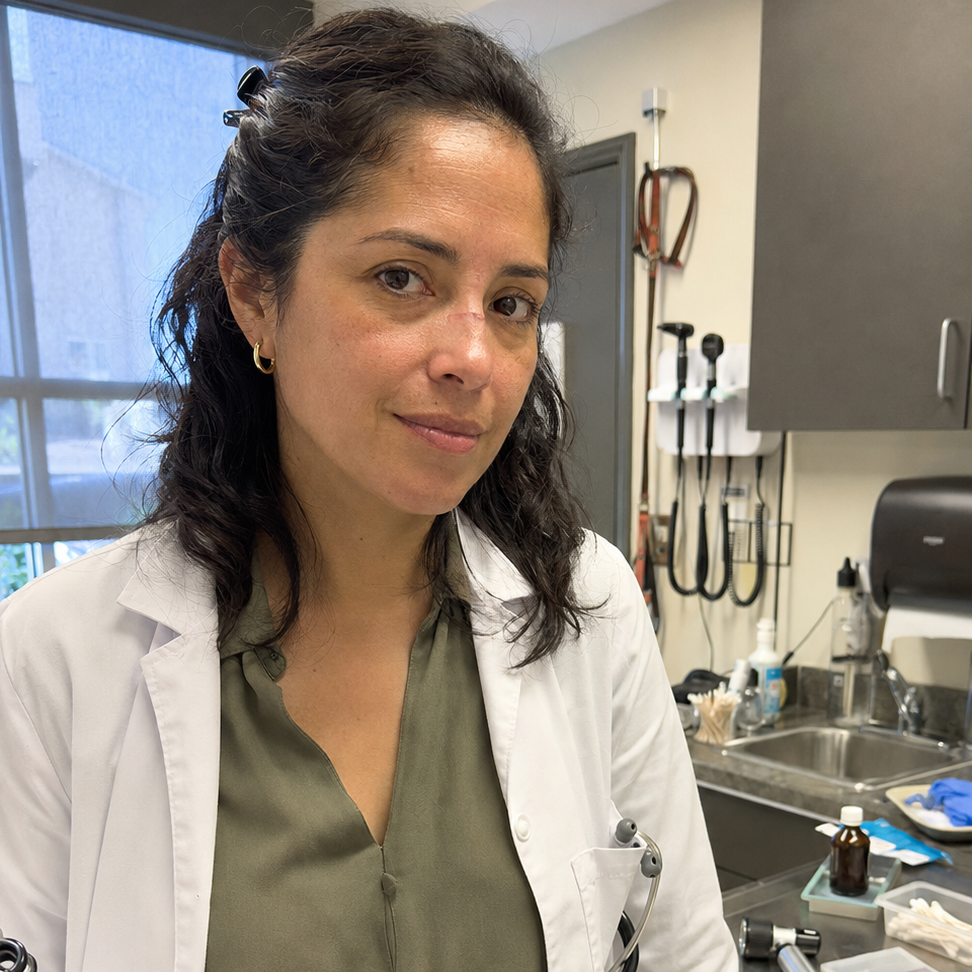
“People see the ten minutes of the appointment,” says Dr. Amara Solis. “They don’t see that I euthanized a patient I’d known for twelve years an hour earlier, and I’ll do my best to be fully present for your puppy anyway. Assuming good faith from us is not a small kindness. Some days it’s the thing that gets us through the afternoon.”
None of this means your vet needs you to manage their feelings. It means the ordinary friction of a visit, the online-forum arguments, the suspicion, the anger about cost aimed at the person who did not set it, lands on people who are already carrying a lot.
What genuinely helps, from the other side of the table
The good news is that being a great client is not complicated, and it happens to line up almost perfectly with getting better care for your pet.
Plan for the cost before you’re in a crisis. The single most stressful moment in a clinic is watching a treatable animal go untreated because the family cannot afford it, and it usually arrives too late to fix. Looking into pet insurance early, or building a dedicated pet emergency fund, takes that trap off the table. When money is not the deciding factor, decisions about an extra test or a life-saving procedure get made on medicine instead of dread, and outcomes improve.
Extend some trust. Your vet is a licensed medical professional who spent years training for this. A friend’s opinion, a pet-store employee’s tip, or a confident stranger on a forum is not the same thing. You are always allowed to ask questions and seek a second opinion, but starting from the assumption that your vet is trying to help, not upsell, sets a far better tone than starting from suspicion.
Be honest about your limits. There is no judgment worth having inside an exam room. If you cannot afford the ideal plan, say so. If you know you will not be able to give a pill three times a day, say that too. Vets can almost always build a realistic plan around your actual life, but only if they know what it is. Hiding constraints leads to plans that fail; naming them leads to plans that work.
Come with your questions ready. A new pet is exciting and genuinely overwhelming, and it is easy to blank in the moment. Jot down what you want to ask before the visit, and remember that most clinics are happy to answer a quick follow-up by phone if you forget something. Prepared clients tend to leave more confident, which means their pets get more consistent care at home.
What newer research adds
The conversation about veterinary wellbeing has matured a lot in the last few years. It is no longer just a set of alarming statistics; it is an organized response. Not One More Vet (NOMV), a nonprofit founded in the wake of a beloved veterinarian’s death, now runs peer support, grants, and education specifically for the profession, and many practices have started building mental health resources and more sustainable scheduling into how they operate.
For pet owners, the practical upshot is simple and a little hopeful. The forces crushing vets are structural, and no single client can fix them. But the daily experience of the job is made of thousands of small interactions, and clients shape those. Patience at check-in, honesty about money, a thank-you at the end, these are not empty niceties. They are, in a real sense, part of the working conditions of the person keeping your animal alive.
This article touches on suicide, which can be a difficult subject. If you or someone you know is struggling, in the U.S. you can call or text the 988 Suicide and Crisis Lifeline. Veterinary professionals can also find dedicated support through Not One More Vet.
References
- CDC. “New Study Finds Higher than Expected Number of Suicide Deaths among U.S. Veterinarians.” https://archive.cdc.gov/www_cdc_gov/media/releases/2018/p1220-veterinarians-suicide.html
- Tomasi SE, et al. “Suicide among veterinarians in the United States from 1979 through 2015.” Journal of the American Veterinary Medical Association, 2019. https://avmajournals.avma.org/view/journals/javma/254/1/javma.254.1.104.xml
- Not One More Vet. https://www.nomv.org/
- 988 Suicide and Crisis Lifeline. https://988lifeline.org/