Baking soda has quietly earned its spot as the thriftiest tool in the grooming cabinet. It’s cheap, it’s low-chemical, and when you’ve run out of a fancier product or just want fewer ingredients in the mix, that plain yellow box handles a surprising amount of dog-related mess. The trap is assuming that because it’s gentle and edible-ish, it belongs everywhere on and around your dog. It doesn’t. So here’s the honest version: six jobs baking soda does genuinely well, and the two places you should keep it far away from.
Where baking soda earns its keep
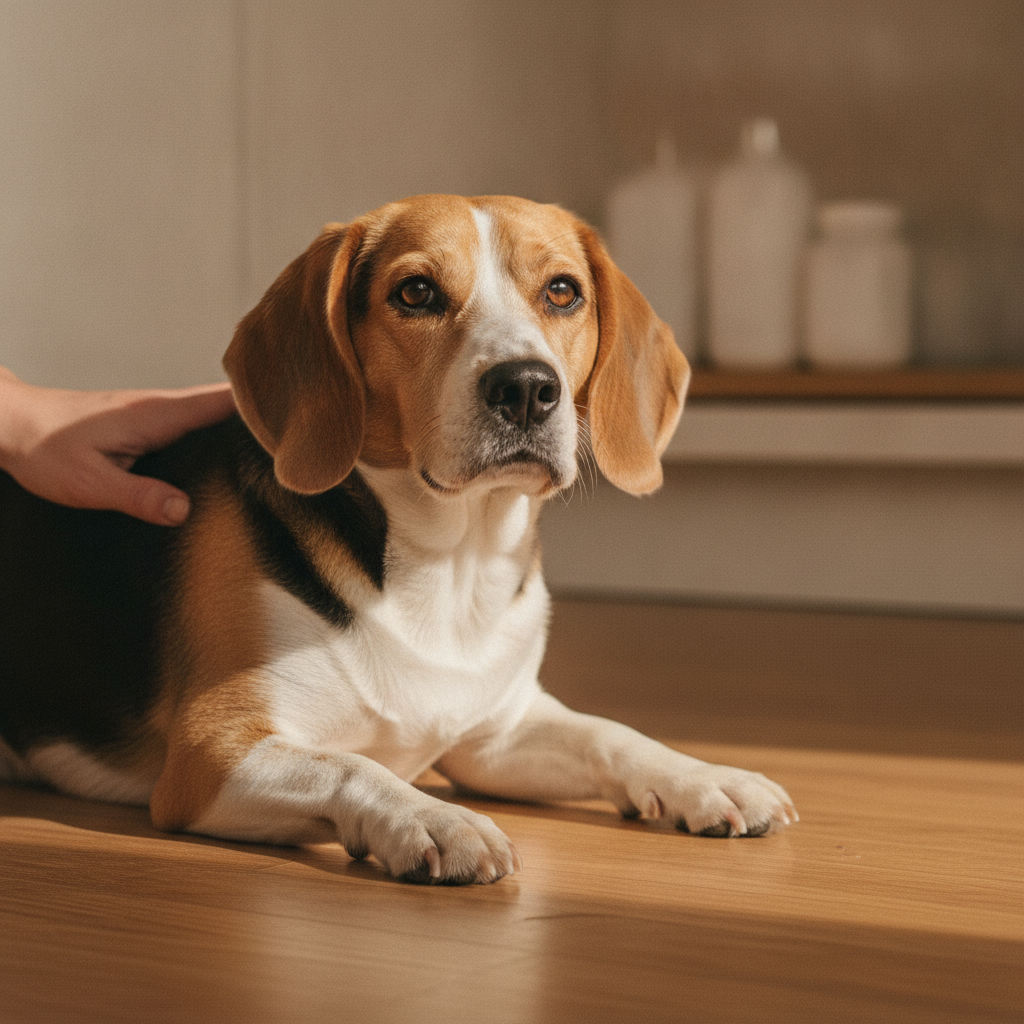
A dry bath in a pinch. When there’s no time for a full wash, work a light sprinkle of baking soda through your dog’s coat with your hands, then brush it out. It lifts oil and knocks down odor, which is often all a between-baths refresh needs.
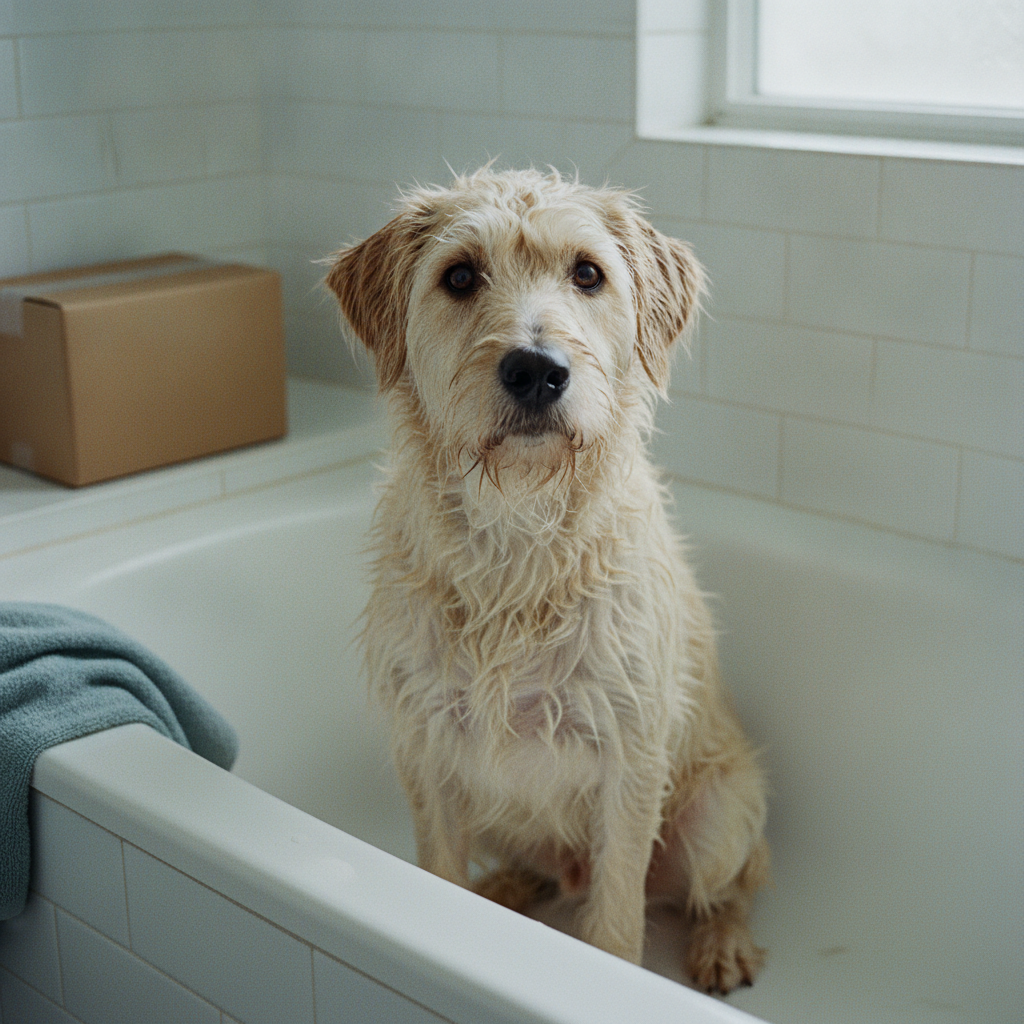
A quick wet wash. For a fuller clean without a dedicated shampoo, combine 3 tablespoons of baking soda, 1 teaspoon of dish soap, and 1 teaspoon of baby oil, load the mix into a spray bottle, mist it over your dog, and towel them dry. It’s a serviceable backup, not a replacement for a proper medicated or skin-specific shampoo your vet may have recommended.
Deodorizing beds and rugs. The same trick that clears a funky fridge works on eau de dog. Sprinkle baking soda over carpet or your dog’s bedding, let it sit about 15 minutes (longer for stubborn smells), then vacuum it up. It pulls odor out of the fibers instead of just perfuming over it.
Rescuing a carpet after an accident. For a fresh pee spot, blot up as much liquid as you can, wash the spot down with club soda, and let it dry fully. Then sprinkle baking soda over it, wait, and vacuum. Test the method on a hidden patch of carpet first, since some fibers can discolor.
Stopping a minor nail-trim nick. If you clip a nail too short and it bleeds, dipping the nail tip in baking soda and applying gentle pressure can help stop it. A proper styptic powder works faster, so keep some on hand if you trim nails often, but baking soda is a fine improvisation in the moment.
Cleaning your grooming tools. Brushes get grimy fast. Soak them in warm water with a teaspoon of baking soda, rinse, and let them air dry to keep gunk from building up between sessions.
Where it does not belong
This is the part the old “baking soda does everything” lists get wrong.
Not on the teeth. This is the big one, because plenty of well-meaning owners reach for baking soda as a toothpaste. Skip it.
“Human mouths and dog mouths aren’t the same, and baking soda is a bad fit for the canine version,” says Dr. Mara Chen. “It’s abrasive enough to wear at enamel that’s more delicate than ours, and here’s the kicker: your dog can’t spit. Everything you brush on gets swallowed, so you’re feeding them sodium every session, which can mean stomach upset now and electrolyte trouble if it adds up. Use a dog toothpaste with an enzyme system, look for one the VOHC has vetted, and let the baking soda stay in the pantry.”
Not on broken or irritated skin, and not constantly. Baking soda is fine on a healthy coat, but keep it off open wounds, hot spots, and inflamed skin, where it can sting and slow healing. And resist the urge to make it a daily habit; over-washing of any kind strips the natural oils that keep a coat and skin barrier healthy, so lean on the dry-bath sprinkle sparingly rather than as a routine.
The bottom line
Think of baking soda as a backup, not a system. For odors, quick cleanups, and the occasional refresh, it’s one of the best-value tools you own. For your dog’s teeth and their skin’s health, it’s the wrong tool, and the right ones (a VOHC-accepted enzymatic toothpaste, a vet-recommended shampoo) are worth the small extra cost. Used with that line in mind, the yellow box more than earns its shelf space.